How Do Mite-Killing Adjuvants Work Synergistically with Acaricides to Enhance Their Effectiveness?
Introduction to Mite-Killing Adjuvants and Acaricides
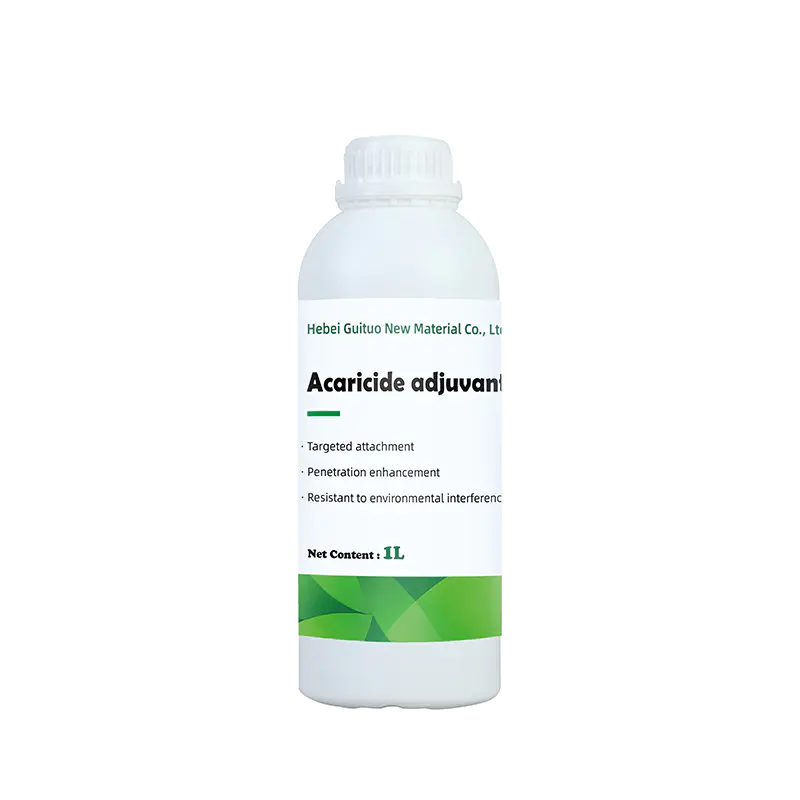
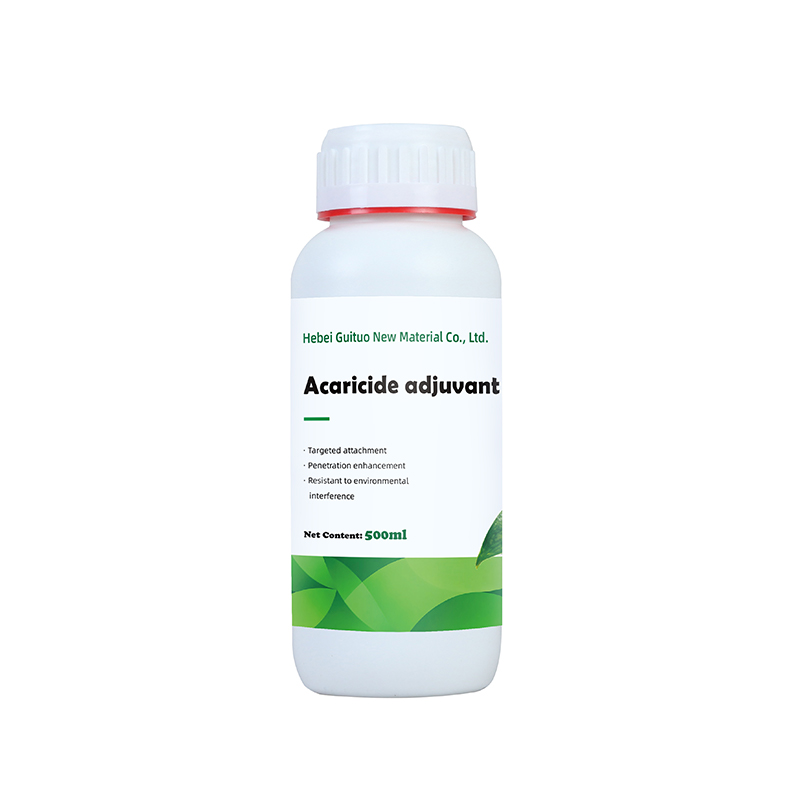
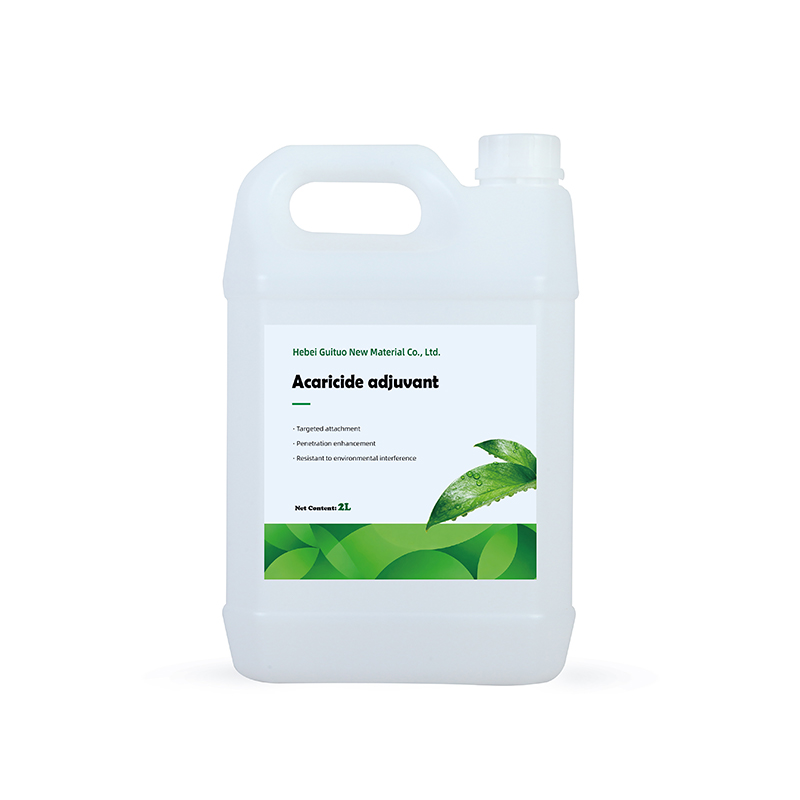
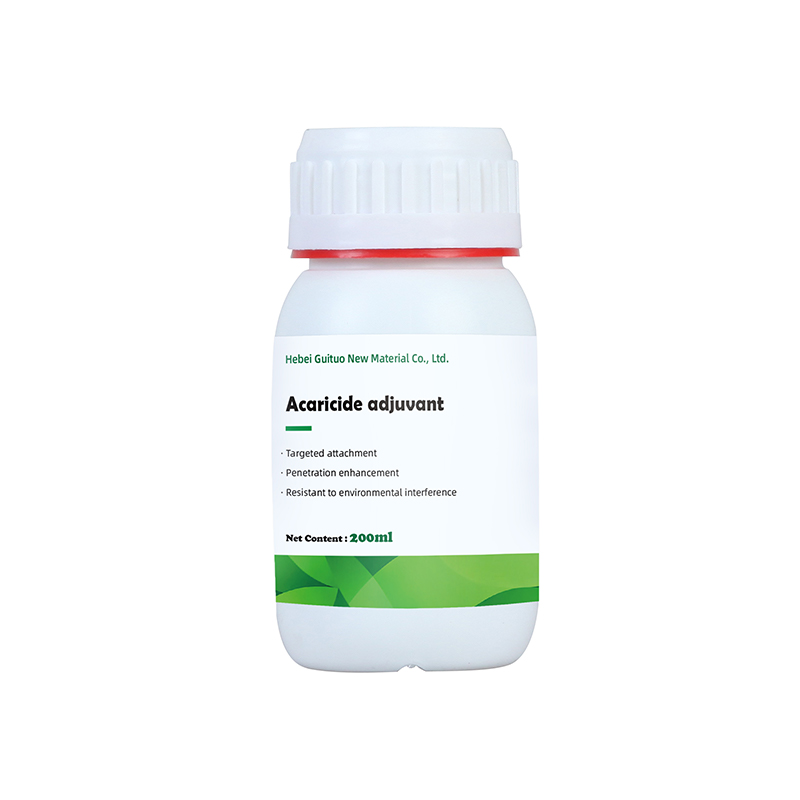
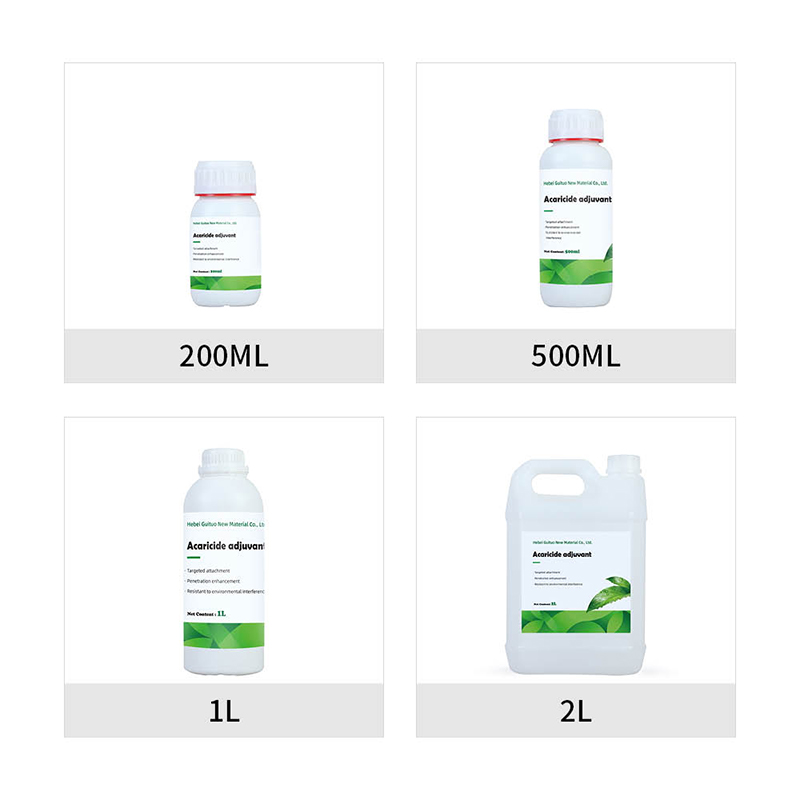
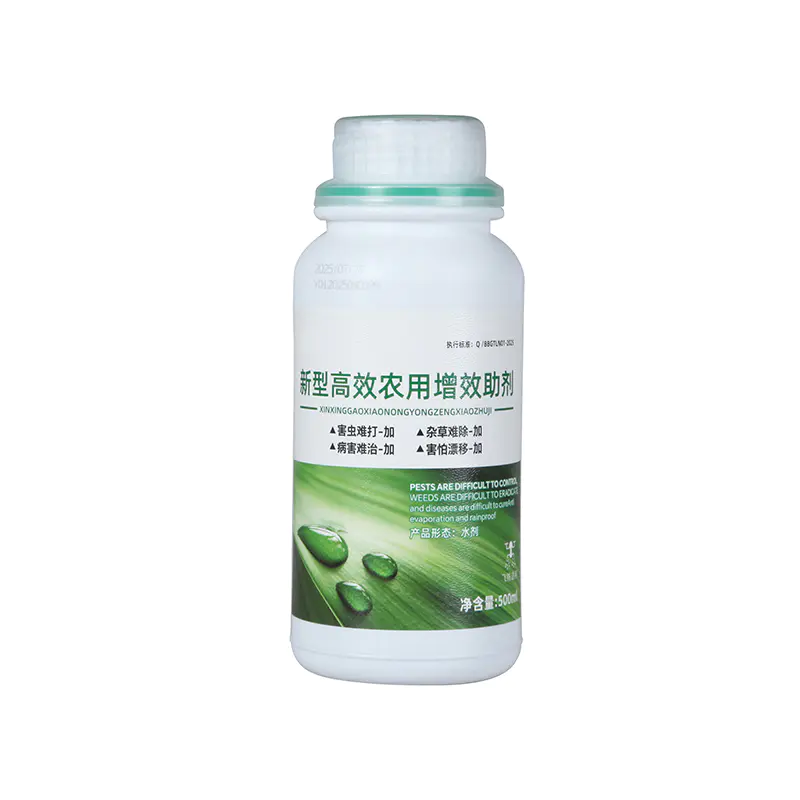
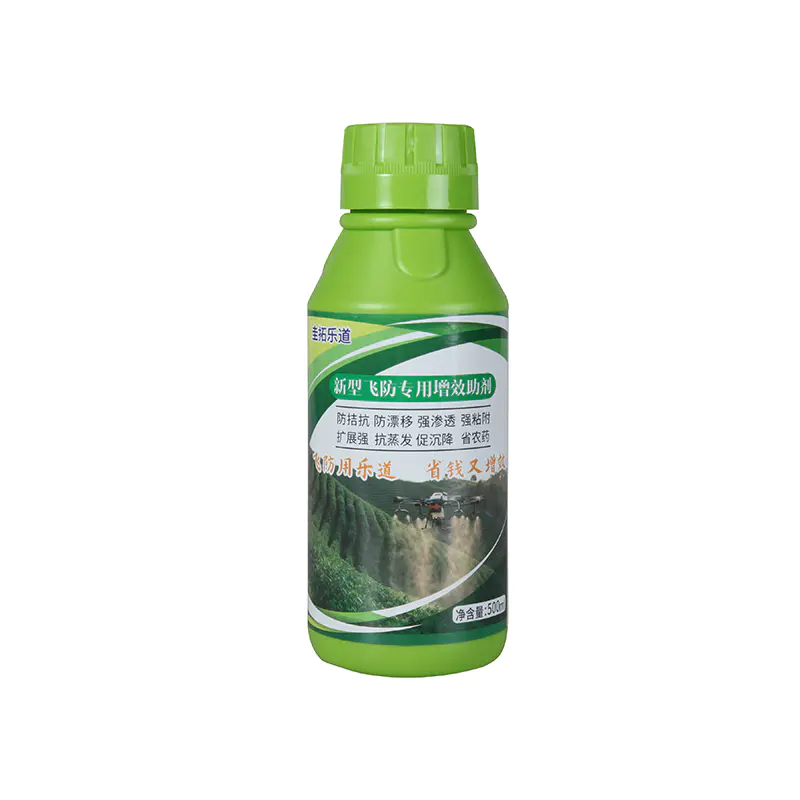
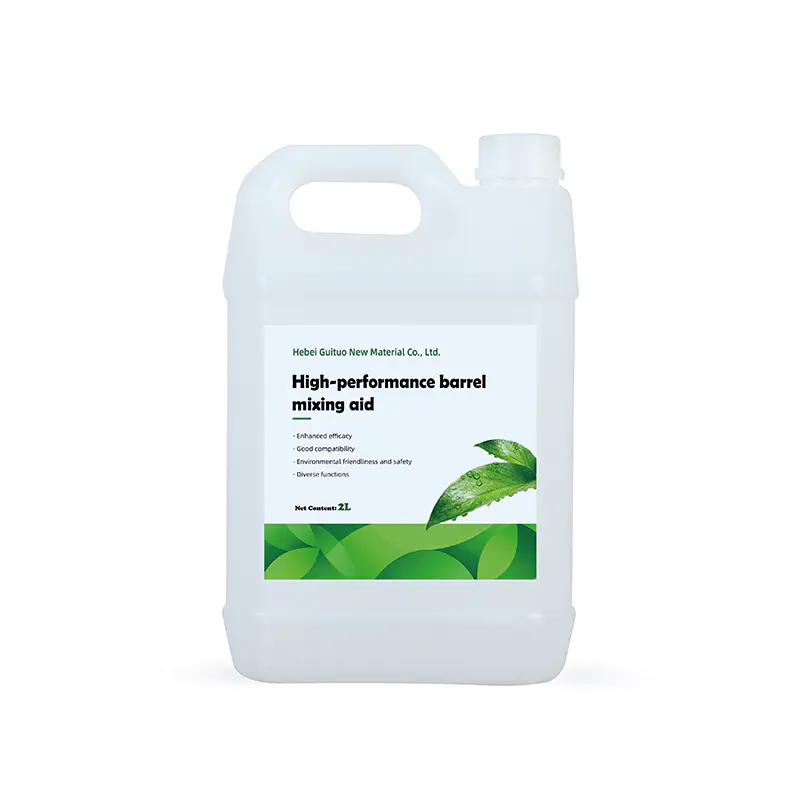
Mite-killing adjuvants and acaricides are commonly used in agricultural applications to manage mite infestations on crops. Acaricides are chemical agents designed to kill or repel mites, while mite-killing adjuvants are additives that enhance the performance of these chemicals. Hebei Guituo New Material Co., Ltd. offers a range of agricultural silicone-based products, including wetting agents and surfactants, which function as mite-killing adjuvants. These adjuvants are used in combination with acaricides to improve their overall effectiveness by enhancing application properties such as wetting, spreading, and penetration on plant surfaces.
The Role of Mite-Killing Adjuvants in Acaricide Performance
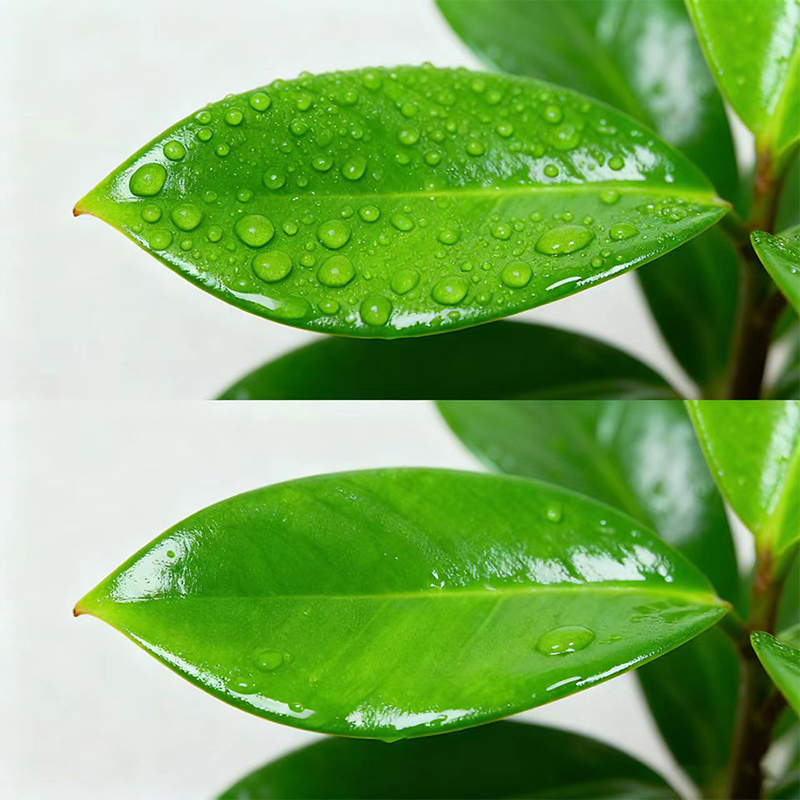
Mite-killing adjuvants are essential in optimizing the performance of acaricides. When applied alone, acaricides may not fully spread across the surface of leaves or other plant parts where mites reside. This can result in incomplete coverage and reduced efficacy. Mite-killing adjuvants reduce surface tension, allowing the acaricide to spread more evenly and adhere better to the plant's surface. By improving the wetting and spreading properties, adjuvants ensure that the acaricide covers a larger area of the plant and makes contact with more mites, thereby increasing the likelihood of effective pest control.
Enhancing Acaricide Penetration into Plant Surfaces
One of the key challenges in mite control is ensuring that acaricides penetrate the plant surface where mites are often located. Mites tend to reside on the underside of leaves, making them difficult to target with conventional sprays. Mite-killing adjuvants help overcome this issue by facilitating the penetration of acaricides through the waxy layers of the plant cuticle. These adjuvants alter the surface characteristics, allowing the acaricide to be absorbed more efficiently, even in hard-to-reach areas of the plant. This improved penetration ensures that the active ingredients in the acaricide can reach and effectively control the mites.
Synergistic Effects of Mite-Killing Adjuvants and Acaricides
The combination of mite-killing adjuvants and acaricides results in a synergistic effect that significantly enhances the overall effectiveness of the treatment. The adjuvants not only improve the physical application of the acaricide by increasing spreading and adhesion but also enhance the biological activity of the acaricide. When adjuvants are used with acaricides, they help reduce the dosage of the active ingredient required to achieve the desired level of mite control. This synergy leads to more efficient pest management, as it maximizes the use of the acaricide while minimizing the risk of resistance development in the mite population.
Reducing Mite Resistance through Improved Efficacy
Mite resistance to acaricides is a growing concern in agriculture. Resistance occurs when mites survive treatment due to inadequate coverage or ineffective dosages of the active ingredient. By enhancing the spread, penetration, and adherence of acaricides to plant surfaces, mite-killing adjuvants reduce the risk of resistance. Improved efficacy means that mites are more likely to be exposed to lethal doses of the acaricide, reducing the chance of resistant mites surviving and reproducing. This contributes to more sustainable pest control practices and prolongs the effectiveness of acaricides over time.
Environmental Impact and Safety Considerations
While mite-killing adjuvants improve the performance of acaricides, it is important to consider their environmental impact. Adjuvants such as those produced by Hebei Guituo New Material Co., Ltd. are designed to be environmentally friendly and biodegradable, minimizing their persistence in the environment. However, as with all agrochemical products, it is important to follow application guidelines to avoid runoff into nearby water bodies or excessive exposure to non-target species. Proper handling and application techniques will ensure that both acaricides and adjuvants contribute to effective pest control without harming the environment.
| Benefit |
Impact on Acaricide Performance |
Key Considerations |
| Improved Wetting |
Enhances spreading of acaricides across plant surfaces |
Ensures better coverage, reducing the likelihood of untreated areas |
| Increased Penetration |
Facilitates deeper absorption of acaricide into plant tissues |
Improves effectiveness against mites hiding on undersides of leaves |
| Synergistic Effect |
Maximizes acaricide efficacy by reducing required dosages |
Reduces risk of resistance development |
| Reduced Resistance |
Helps ensure mites are exposed to lethal doses, preventing survival |
Contributes to long-term pest management sustainability |
What is the Safety Profile of Acaricide Adjuvants on Different Crops?
Introduction to Acaricide Adjuvants and Their Role in Agriculture
Acaricide adjuvants are additives used to enhance the effectiveness of acaricides, which are chemicals designed to control mite populations on crops. These adjuvants are typically surfactants, wetting agents, or emulsifiers that improve the spreading, wetting, and penetration properties of the pesticide formulations. Hebei Guituo New Material Co., Ltd. produces high-quality agricultural silicone-based adjuvants, designed to work synergistically with acaricides. The primary function of these adjuvants is to enhance the coverage and efficacy of acaricides while maintaining the safety of the crops being treated. However, understanding their safety profile on different crops is essential to ensure both effective pest control and minimal damage to plants.
Factors Affecting the Safety of Acaricide Adjuvants
The safety of acaricide adjuvants depends on various factors, including the chemical composition of the adjuvant, the concentration used, and the crop species being treated. While adjuvants improve the overall performance of acaricides, their formulation must be compatible with the specific needs and characteristics of different crops. Some crops are more sensitive to certain chemicals, and excessive concentrations of adjuvants or acaricides can cause phytotoxicity. Phytotoxicity refers to the potential for plant damage, which can manifest as leaf burn, discoloration, or stunted growth. Proper formulation, dosage, and application techniques are essential to mitigate these risks and protect the health of the crops.
Crop Sensitivity to Acaricide Adjuvants
Different crops have varying levels of sensitivity to acaricide adjuvants. Sensitive crops, such as certain fruits and vegetables, may experience negative effects from adjuvants if they are applied at high concentrations or under improper environmental conditions. For example, delicate plants with thinner leaves or lower tolerance to chemicals may suffer from leaf burn or other forms of damage if exposed to excessive amounts of adjuvants or acaricides. Conversely, more resilient crops such as cereals or woody plants may handle a wider range of adjuvants without showing signs of toxicity. Therefore, it is important to select adjuvants that are tailored to the crop's specific needs and to follow application guidelines to minimize risks.
Environmental Conditions and Safety Considerations
Environmental factors, such as temperature, humidity, and the timing of application, significantly influence the safety of acaricide adjuvants on crops. High temperatures or dry conditions can cause chemicals to evaporate more quickly, increasing the likelihood of plant injury. On the other hand, excessive humidity may result in longer drying times, increasing the risk of phytotoxicity. Proper timing, such as applying adjuvants during early morning or late evening when temperatures are cooler, can help reduce the risk of crop damage. Additionally, avoiding applications during periods of high wind can prevent drift, which could cause unintended exposure to non-target plants.
Testing and Regulations for Acaricide Adjuvants
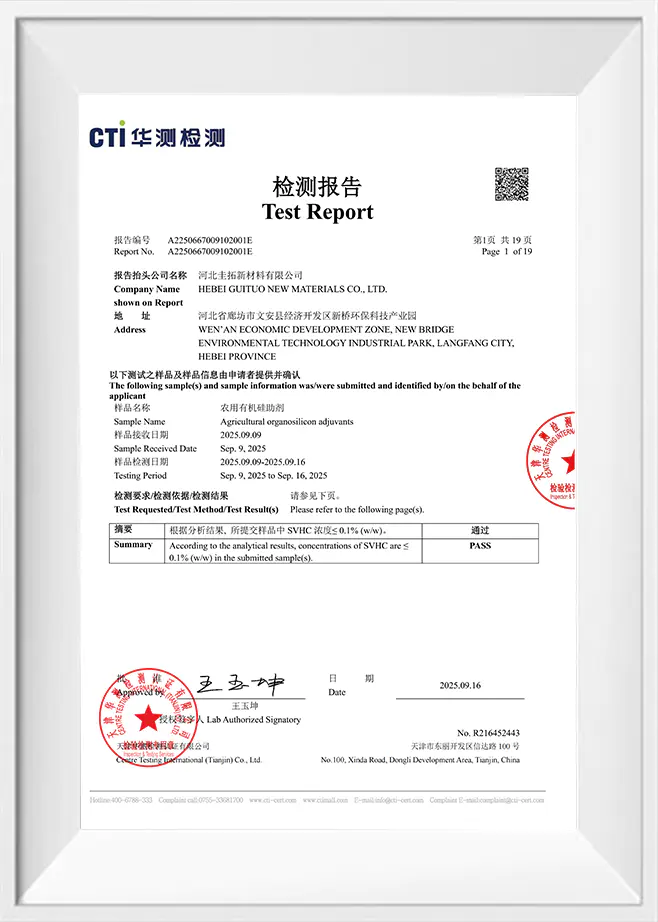
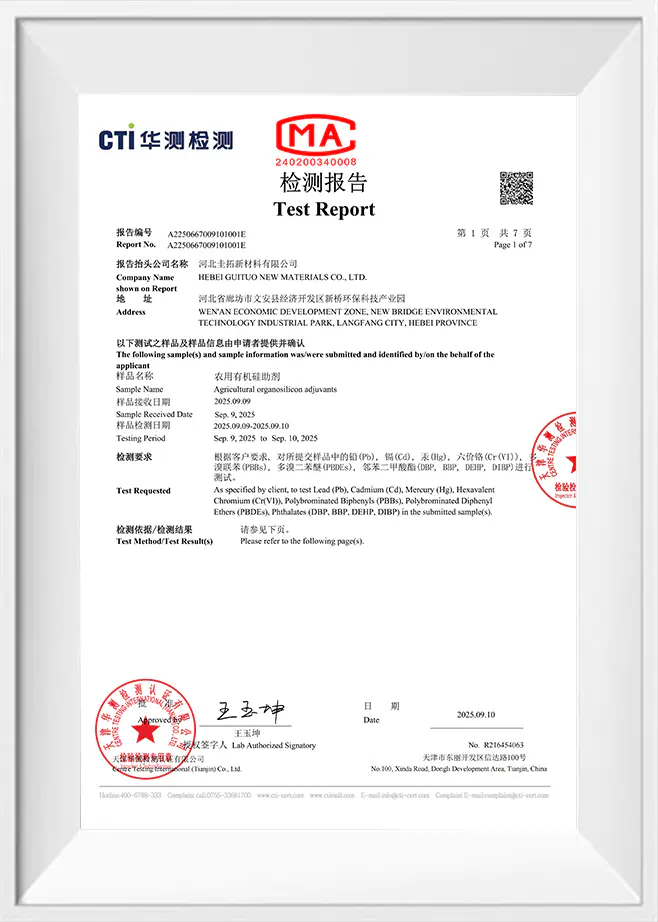
Before bringing acaricide adjuvants to market, extensive testing is conducted to assess their safety profile on different crops. These tests include both laboratory and field trials to evaluate potential phytotoxicity and to determine the safe dosage and application methods. Regulatory bodies, such as the Environmental Protection Agency (EPA) or other local agricultural authorities, establish guidelines and safety standards for the use of pesticide adjuvants. Hebei Guituo New Material Co., Ltd. ensures that its products meet all relevant safety standards and are compliant with national and international regulations to minimize any potential harm to crops and the environment.
Safety of Agricultural Silicone-Based Adjuvants
Silicone-based adjuvants, such as those produced by Hebei Guituo New Material Co., Ltd., are designed with environmental and crop safety in mind. These adjuvants are generally considered to be less toxic and more environmentally friendly than traditional chemical surfactants. Silicone surfactants are known for their ability to reduce surface tension, allowing pesticides to spread evenly without causing excessive wetting, which can sometimes lead to damage. Additionally, these adjuvants help improve pesticide penetration, reducing the need for higher chemical concentrations that could potentially harm the crop. Overall, silicone-based adjuvants are a safer alternative for crop protection, but, like all agricultural products, their use should follow recommended guidelines to ensure safety.
Safety Considerations of Acaricide Adjuvants on Different Crops
| Crop Type |
Potential Risks of Acaricide Adjuvants |
Recommended Application Methods |
| Fruits (e.g., Apples, Grapes) |
Potential for phytotoxicity, especially with high concentrations |
Apply at low concentrations, avoid during flowering periods |
| Vegetables (e.g., Tomatoes, Lettuce) |
Leaf burn or discoloration at high dosages |
Use protective sprays, apply during cooler hours, follow dosage guidelines |
| Cereals (e.g., Wheat, Corn) |
Generally more tolerant, but excessive use can still cause injury |
Standard application rates, avoid spraying under extreme heat |
| Woody Plants (e.g., Orchards, Trees) |
Low risk of phytotoxicity, but some sensitive species may react poorly |
Use adjuvants designed for woody plants, apply early or late in the day |
Ensuring Safe Use of Acaricide Adjuvants
Acaricide adjuvants play a vital role in enhancing the effectiveness of pesticides by improving their application properties. However, their safety profile on different crops requires careful consideration of crop sensitivity, environmental conditions, and proper application practices. By selecting the right adjuvants and following recommended guidelines, farmers can minimize risks and ensure the safe use of these products. Hebei Guituo New Material Co., Ltd. offers a variety of agricultural adjuvants that are designed to meet safety and performance standards, helping to ensure that both pests are controlled and crops remain healthy.


 English
  Français
  Português