

 English
  Français
  Português
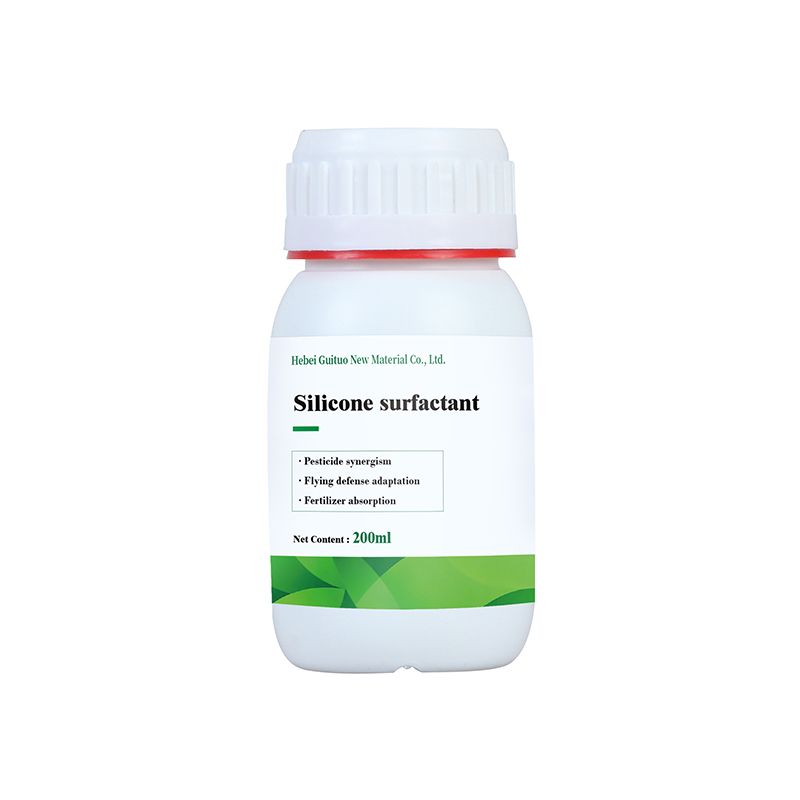
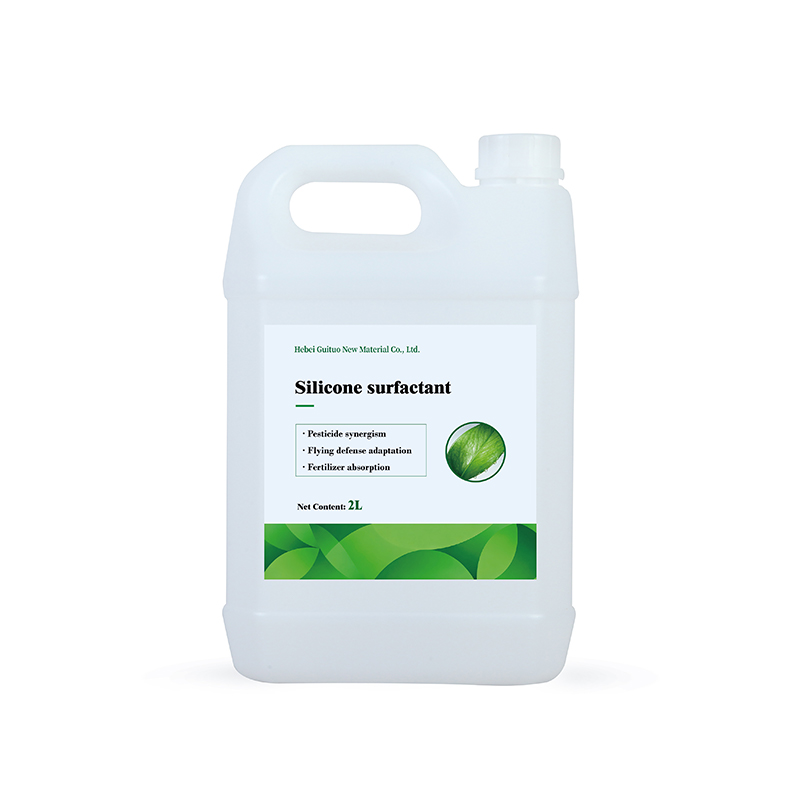
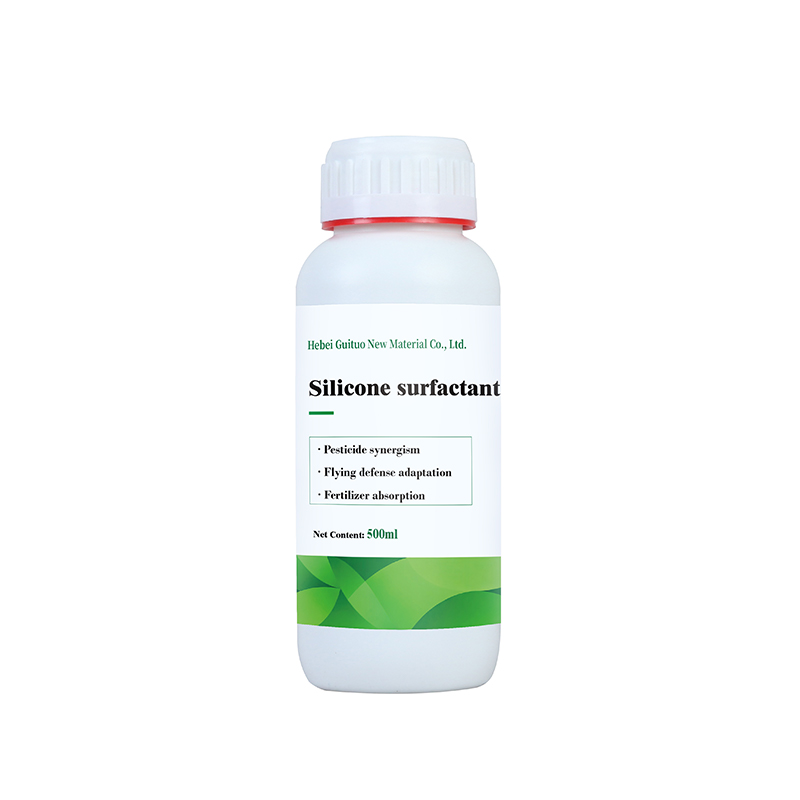
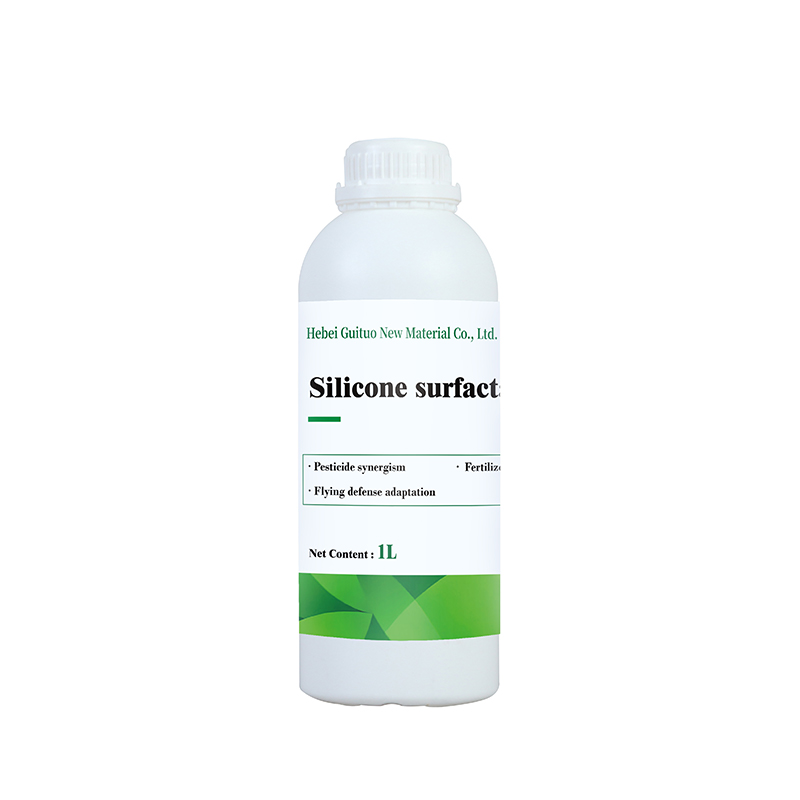
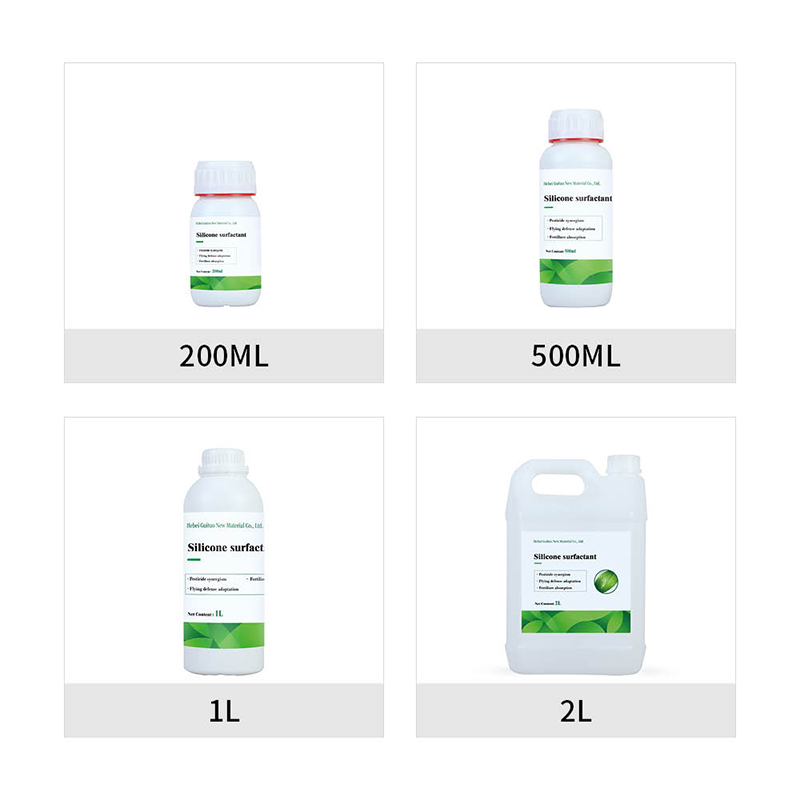
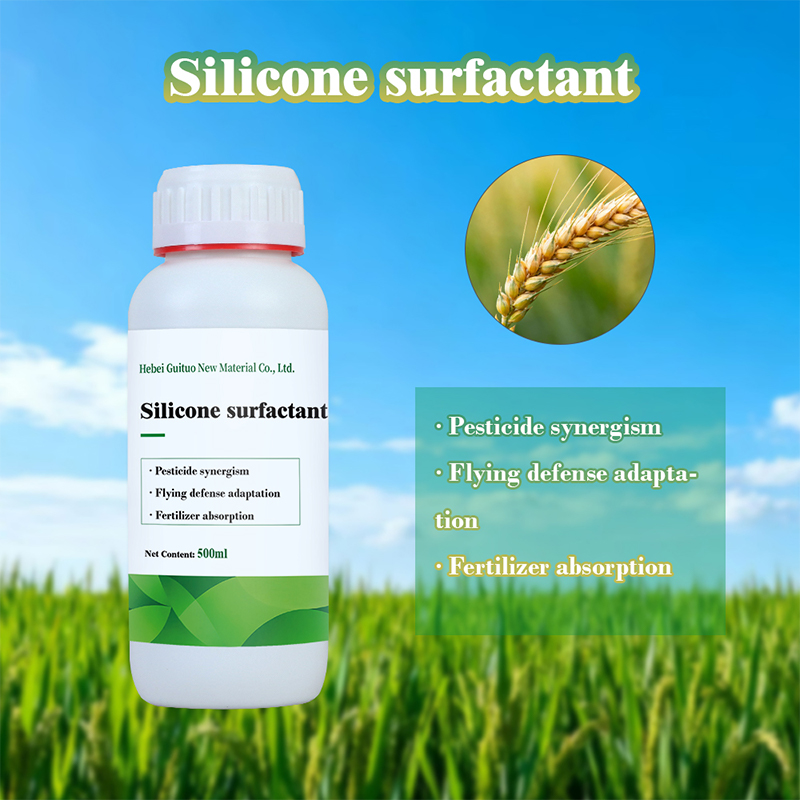
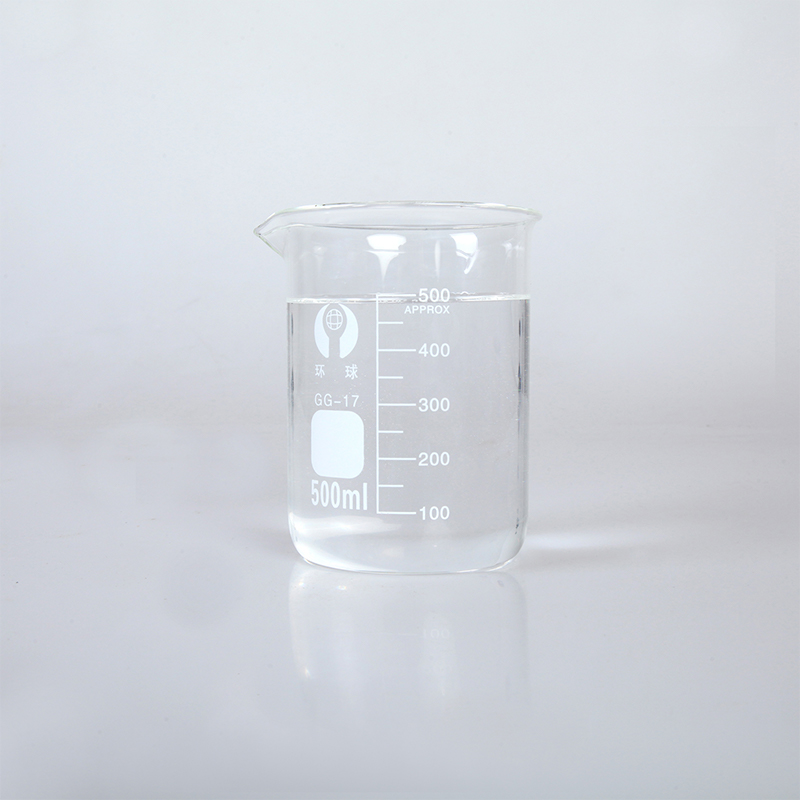
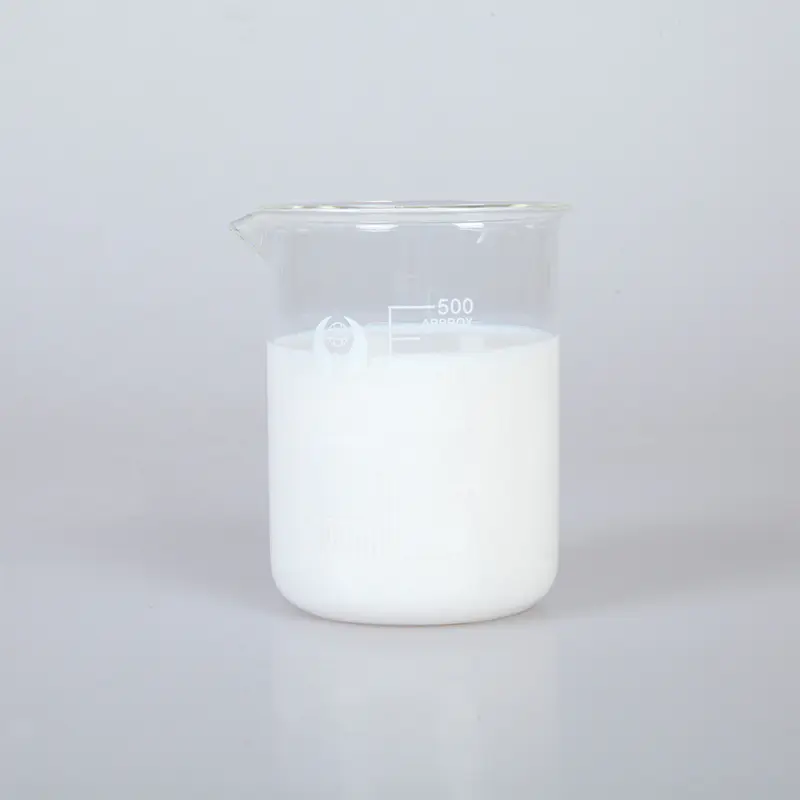
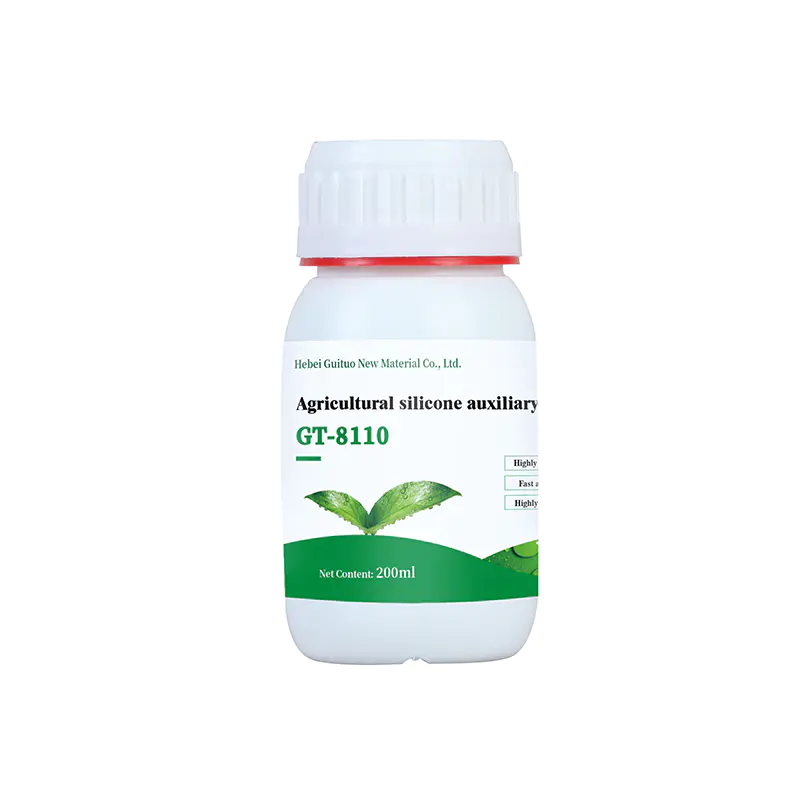
Hebei Guituo New Materials Co., Ltd. is a high-tech enterprise integrating R&D, production, and sales. As China Organosilicone Surfactant Manufacturers and Organosilicone Surfactant Suppliers, The company has always taken technology as the core driving force, focusing on the in-depth development and innovative application of high-end silicone materials in industrial and agricultural fields. It is a professional new materials enterprise with considerable influence in the industry. To ensure product quality and stable supply, the company has established a comprehensive guarantee system: it is equipped with internationally advanced production equipment and precise testing facilities, and has built a full-process quality monitoring mechanism from the production source to the delivery of finished products. It has assembled an experienced technical and production team with strong professional skills. With profound industry accumulation and precise technical control, it ensures that every product meets high standards.
In terms of product layout, the company has built a rich and diverse product matrix, covering silicone additives, wetting agents, modified silicone oil, dimethyl silicone oil, surfactants, defoamers, and other series, which are widely used in agriculture, daily chemicals, electronics, textiles, and other fields. Among them, the agricultural silicone products stand out for their outstanding quality, reaching an advanced domestic level. With excellent performance in multiple core indicators, they are favored by leading domestic agrochemical enterprises and have become their designated procurement products. At the same time, the company's products are exported to overseas markets such as Europe and Southeast Asia, winning wide recognition from overseas customers with stable performance and reliable quality, and achieving good market feedback through continuous repurchases. In addition, the company accepts OEM and ODM orders.

Agricultural Silicone Synergist
Organosilicone Surfactant
Reduces Surface/Interfacial Tension: Allows liquids to more easily wet solid surfaces or mix with other liquids.
Emulsification and Demulsification: Enables oil–water mixtures to form stable emulsions (emulsification) or breaks existing emulsions to separate phases (demulsification).
Dispersion and Solubilization: Disperses solid particles evenly in a liquid to prevent settling (dispersion), or dissolves poorly soluble substances in a solvent (solubilization).
Foaming and Defoaming: Can suppress or eliminate foam when used as a defoamer, supporting different foam-related requirements.
Wetting and Penetration: Enhances a liquid’s ability to wet solid surfaces and can help the liquid penetrate into the solid.
Related Products
About Us
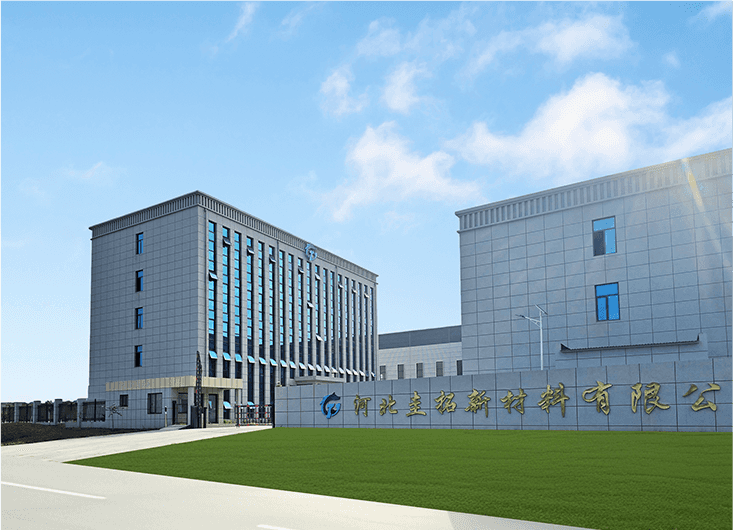
Hebei Guituo New Material Co., Ltd.
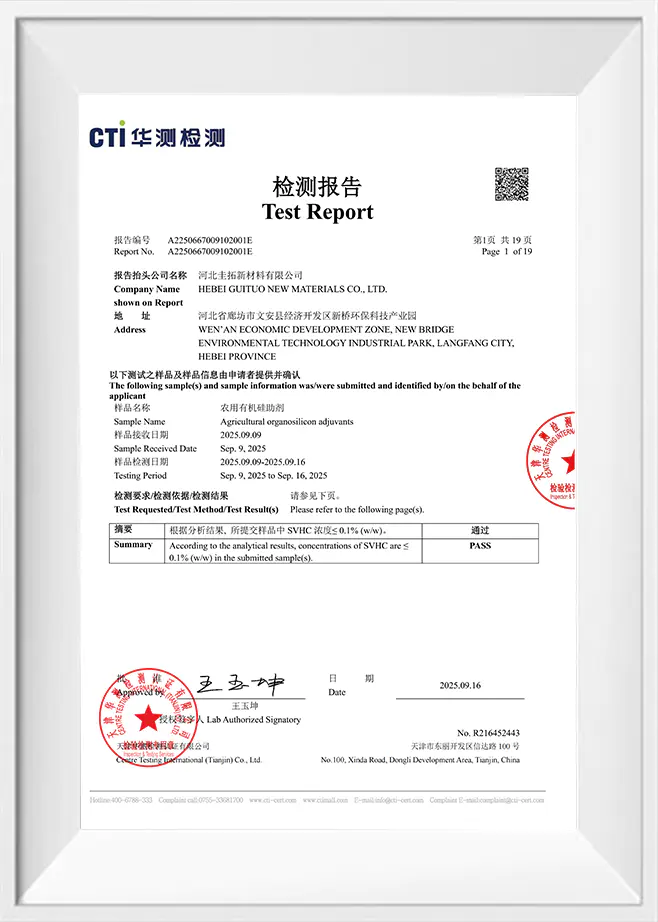
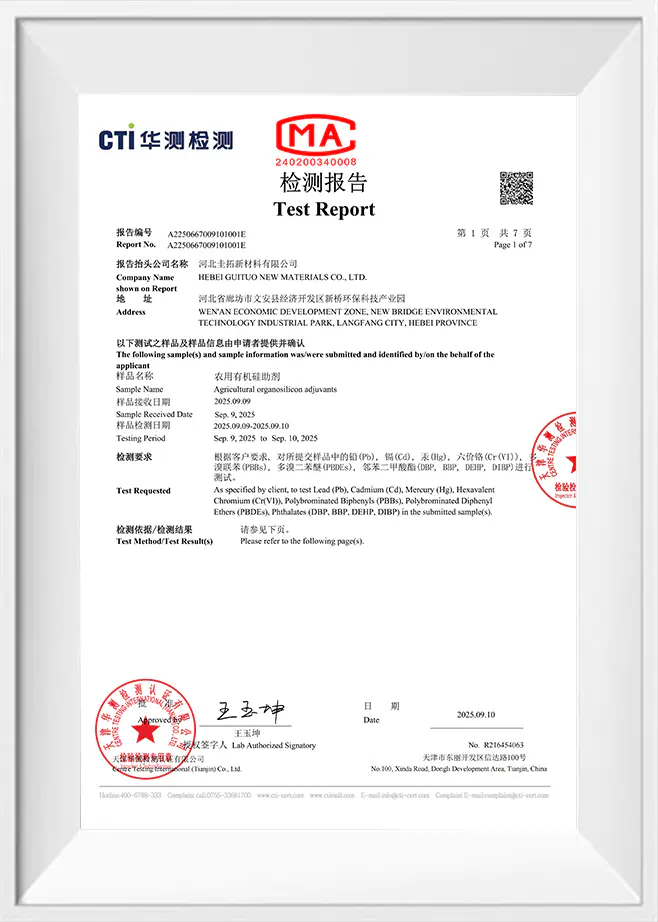
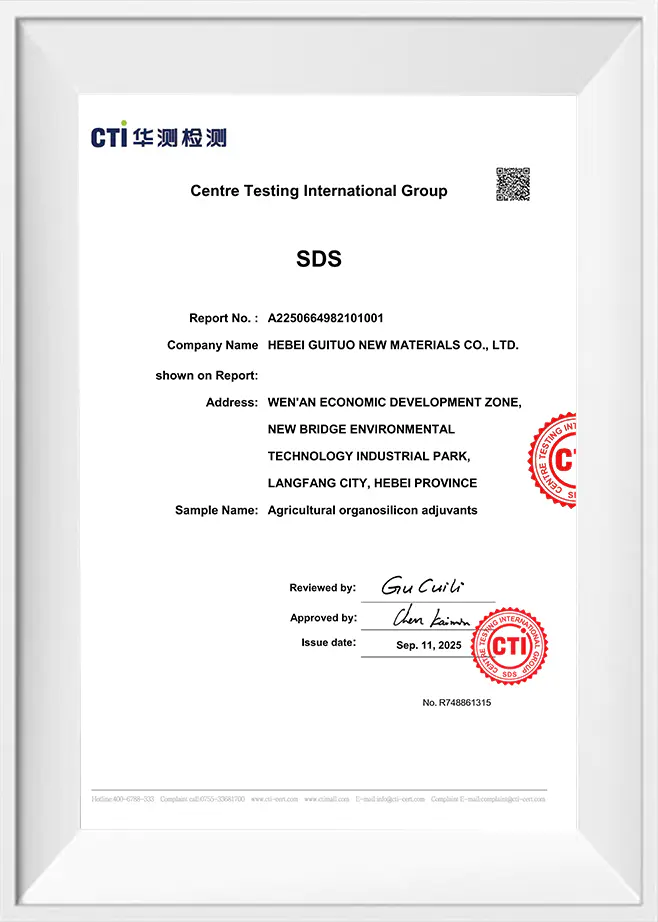
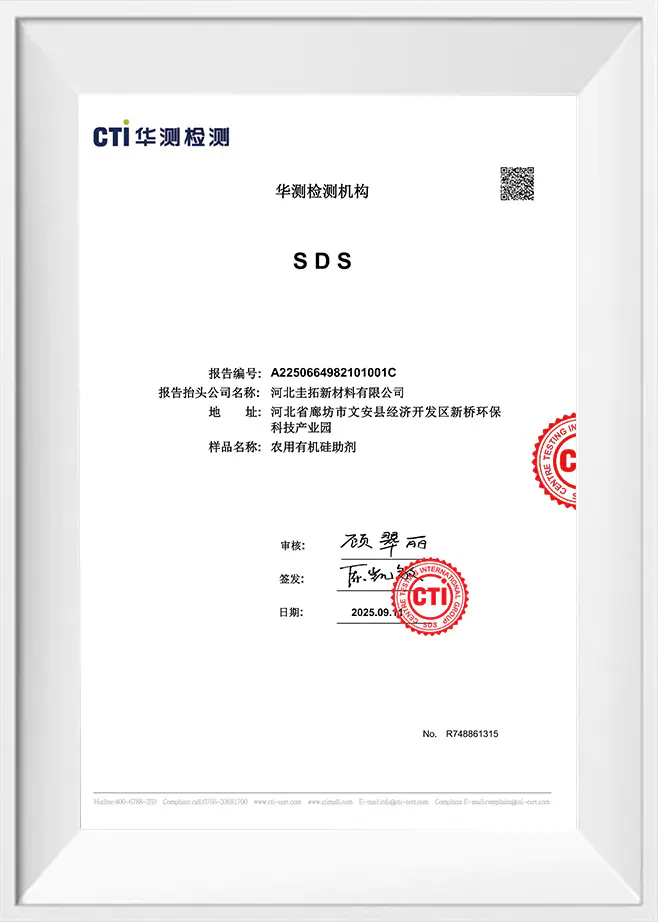
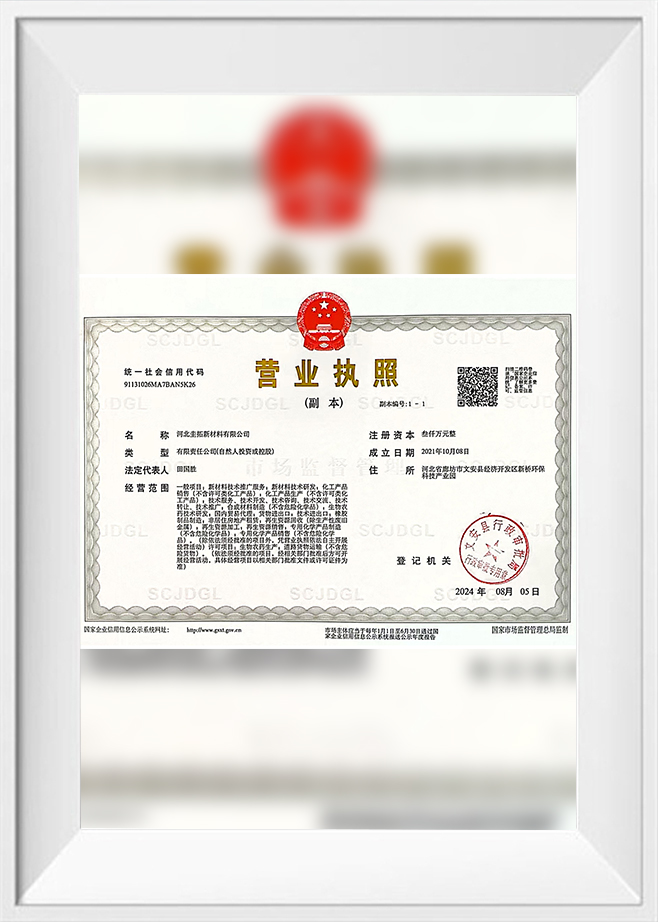
Certificate Of Honour
Message Feedback
Industry knowledge
How Do Organosilicone Surfactants Improve the Wetting and Dispersion Properties of Formulations?
Introduction to Organosilicone Surfactants
Organosilicone surfactants are a class of surface-active agents that combine the properties of organic molecules with those of silicones. These surfactants are widely used in various formulations, particularly in agriculture, where they are incorporated into pesticides, herbicides, and fertilizers to improve their performance. Hebei Guituo New Material Co., Ltd. produces a variety of organosilicone-based additives designed to enhance the wetting and dispersion properties of agricultural formulations. These surfactants play a key role in ensuring better coverage and effectiveness of agrochemical products, improving overall application efficiency.
Mechanism of Wetting Improvement
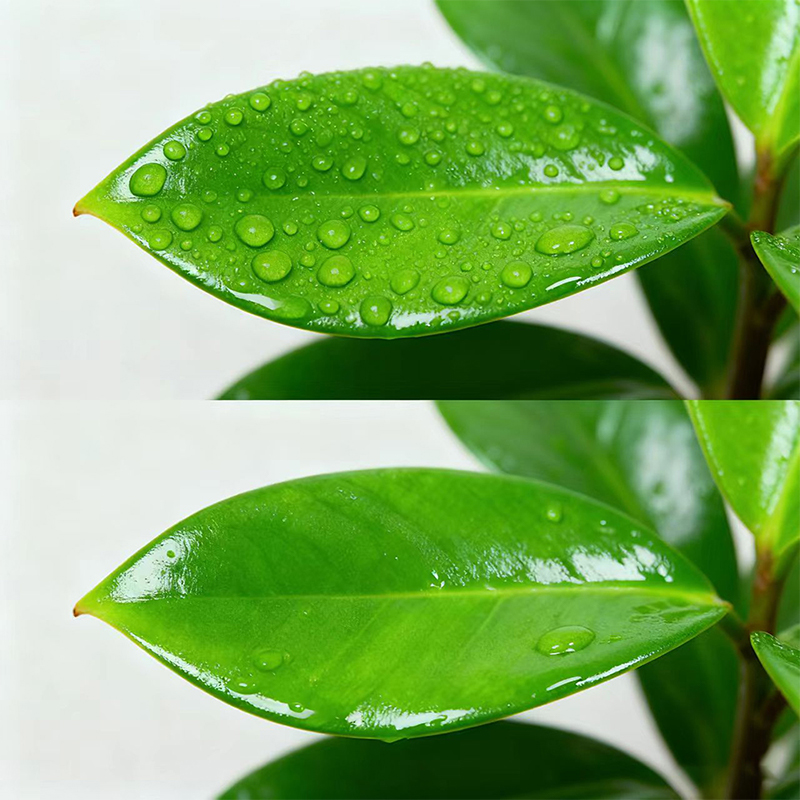
Wetting is the process by which a liquid spreads and adheres to a solid surface. Organosilicone surfactants reduce the surface tension of formulations, allowing the liquid to spread more uniformly across the surface of plants, leaves, or other substrates. This reduction in surface tension allows the agrochemical product to cover a larger area more efficiently, ensuring that active ingredients come into contact with the target area. The use of organosilicone surfactants in formulations can significantly reduce issues such as droplets forming or puddling, which can lead to uneven application and poor efficacy.
Enhancing Dispersion Properties
The dispersion properties of a formulation refer to the ability of the active ingredients, such as pesticides or fertilizers, to remain evenly distributed in the liquid phase. Organosilicone surfactants play a crucial role in preventing the separation of active ingredients from the solution, ensuring that the formulation remains homogeneous during application. This property is especially important when dealing with insoluble or poorly dispersible compounds. By improving dispersion, organosilicone surfactants help to maintain the stability of the formulation, ensuring that the active ingredients are evenly distributed when applied to crops, which can lead to more effective pest control or nutrient absorption.
Improvement in Formulation Stability
The stability of a formulation is critical to its shelf life and performance during application. Organosilicone surfactants help to enhance the stability of agrochemical formulations by preventing phase separation, agglomeration, or precipitation of active ingredients. These surfactants form a protective barrier around the active compounds, allowing them to remain in a stable, uniform solution. This is particularly beneficial in formulations that are prone to instability, such as those containing water-insoluble active ingredients. By improving formulation stability, organosilicone surfactants ensure that the product retains its efficacy over time, reducing the need for frequent reapplication.
Effect on Plant Coverage and Penetration
Organosilicone surfactants improve the coverage of plant surfaces by enhancing the wetting properties of the formulation. When applied to leaves or stems, the surfactants help the liquid spread out evenly, creating a thin, uniform layer of agrochemical. This improved coverage ensures that more of the active ingredient makes contact with the plant, increasing the likelihood of effective absorption. Additionally, some organosilicone surfactants can help improve the penetration of active ingredients through the plant cuticle, which can enhance the overall performance of pesticides, herbicides, or fertilizers. This makes them particularly useful in agricultural applications that require deep penetration for effective pest control or nutrient delivery.
| Application Area | Impact of Organosilicone Surfactants | Key Benefits |
|---|---|---|
| Pesticide Formulations | Improved wetting and uniform coverage of plant surfaces | Enhanced pest control, more effective application |
| Fertilizer Solutions | Better dispersion of nutrients in solution | More efficient nutrient absorption, uniform distribution |
| Herbicide Products | Increased plant penetration and coverage | Improved herbicide efficacy, better weed control |
| Agrochemical Mixtures | Prevention of phase separation and settling of ingredients | Longer shelf life, consistent performance |
Impact on Environmental Safety
Organosilicone surfactants are designed to be environmentally safer than many traditional surfactants. They are biodegradable and generally have low toxicity to humans, animals, and aquatic life when used properly. However, as with all agrochemicals, it is important to follow application guidelines to minimize environmental impact. Overuse or improper application of surfactants can lead to runoff, which may contaminate nearby water sources. To minimize risks, formulations containing organosilicone surfactants should be applied in accordance with recommended practices, including proper dilution rates and timing, to prevent environmental contamination.
Applications in Different Agricultural Formulations
Organosilicone surfactants are versatile and can be used in a wide range of agricultural formulations. They are commonly incorporated into herbicides, fungicides, insecticides, and foliar fertilizers to improve performance. In each case, their ability to enhance wetting, dispersion, and stability helps to ensure that the active ingredients are applied efficiently and effectively. For example, in herbicide formulations, these surfactants can improve leaf coverage, ensuring that the herbicide reaches the desired parts of the plant. In pesticide products, organosilicone surfactants can reduce the need for high application rates by increasing the efficiency of the active ingredient.
The Role of Organosilicone Surfactants in Agricultural Success
Organosilicone surfactants play a crucial role in improving the wetting and dispersion properties of agricultural formulations. By enhancing coverage, stability, and penetration, these surfactants increase the effectiveness of agrochemical products, contributing to better crop protection, more efficient nutrient delivery, and overall improved agricultural productivity. Hebei Guituo New Material Co., Ltd. provides a wide range of high-performance organosilicone-based additives that meet the evolving needs of the agricultural industry, ensuring enhanced formulation performance for various applications.
FAQ
Q: What is an organosilicone surfactant and how is it used?
A: An organosilicone surfactant is a type of surface-active agent that combines the properties of silicone with organic molecules. It is commonly used in agricultural formulations, such as pesticides and herbicides, to improve the wetting, spreading, and dispersion of active ingredients on plant surfaces, ensuring more efficient and uniform application.
Q: How do organosilicone surfactants improve pesticide effectiveness?
A: Organosilicone surfactants improve the performance of pesticides by reducing surface tension, allowing the pesticide to spread more evenly across plant surfaces. This ensures better coverage, reduces the formation of droplets, and enhances the absorption of active ingredients by the plant, making the pesticide more effective at lower application rates.
Q: Are organosilicone surfactants safe for use on crops?
A: Yes, organosilicone surfactants are generally safe for most crops when used according to the manufacturer’s instructions. They help ensure even application without causing harm to the plants. However, it is essential to follow recommended usage rates to prevent potential plant stress or damage.
Q: Can organosilicone surfactants be used with all types of agrochemical products?
A: Organosilicone surfactants are compatible with a wide range of agrochemicals, including herbicides, insecticides, and fungicides. However, it is essential to check the compatibility of the surfactant with specific products to ensure they do not cause adverse reactions. Hebei Guituo New Material Co., Ltd. offers surfactants designed to work effectively with various agrochemical formulations.
Q: How do organosilicone surfactants affect the environmental impact of agrochemicals?
A: Organosilicone surfactants are known for their lower environmental impact compared to traditional surfactants. They are biodegradable and designed to reduce the risk of harmful residues in the environment. However, proper application is necessary to avoid runoff, especially near water sources, to ensure minimal environmental contamination.
Q: What role do organosilicone surfactants play in improving formulation stability?
A: Organosilicone surfactants help maintain the stability of agrochemical formulations by preventing phase separation and ensuring that the active ingredients remain evenly dispersed throughout the solution. This stability extends the shelf life of the product and ensures consistent performance during application.
Q: How do organosilicone surfactants enhance the adhesion of formulations on plant surfaces?
A: Organosilicone surfactants improve adhesion by reducing surface tension, allowing the formulation to spread more evenly and adhere better to plant surfaces. This ensures that the active ingredients stay on the plant longer, increasing the effectiveness of the agrochemical products such as pesticides and fertilizers.

Contact Information
Tel : +86-400-138-5268
Email : [email protected]
Phone : +86-15128434888 / +86-13511051998
Add : Xinqiao Environmental Protection Industrial Park, Wen'an County, Langfang City, Hebei Province, China
Contact Information
Copyright © Hebei Guituo New Material Co., Ltd. All Rights Reserved.
