

 English
  Français
  Português
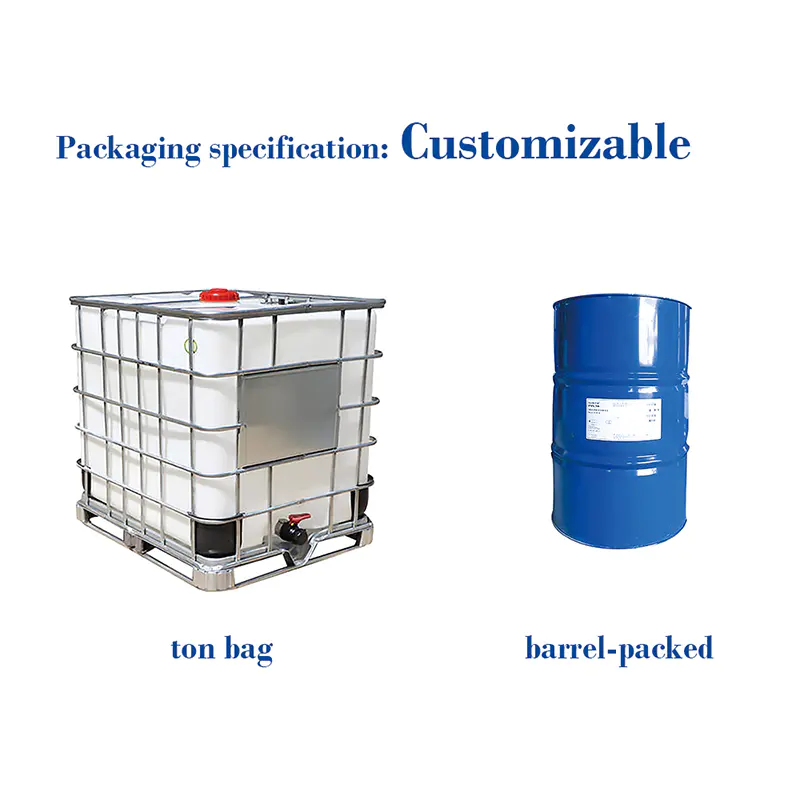
As China Silicone Release Agent Factory and Wholesale Mold Release Agent Manufacturers, Ningbo Guituo Trading Co., Ltd. is a subsidiary of Hebei Guituo New Materials Co., Ltd. is a high-tech enterprise integrating R&D, production, and sales. The company has always taken technology as the core driving force, focusing on the in-depth development and innovative application of high-end silicone materials in industrial and agricultural fields. It is a professional new materials enterprise with considerable influence in the industry. To ensure product quality and stable supply, the company has established a comprehensive guarantee system: it is equipped with internationally advanced production equipment and precise testing facilities, and has built a full-process quality monitoring mechanism from the production source to the delivery of finished products. It has assembled an experienced technical and production team with strong professional skills. With profound industry accumulation and precise technical control, it ensures that every product meets high standards.
In terms of product layout, the company has built a rich and diverse product matrix, covering silicone additives, wetting agents, modified silicone oil, dimethyl silicone oil, surfactants, defoamers, and other series, which are widely used in agriculture, daily chemicals, electronics, textiles, and other fields. Among them, the agricultural silicone products stand out for their outstanding quality, reaching an advanced domestic level. With excellent performance in multiple core indicators, they are favored by leading domestic agrochemical enterprises and have become their designated procurement products. At the same time, the company's products are exported to overseas markets such as Europe and Southeast Asia, winning wide recognition from overseas customers with stable performance and reliable quality, and achieving good market feedback through continuous repurchases. In addition, the company accepts OEM and ODM orders.

Product Categories
Recent Posts

Silicone Mold Release Agent Factory
Release agents play an important role in modern manufacturing by improving mold release performance, enhancing product surface quality, and optimizing production efficiency. They are indispensable auxiliary materials in the processing of plastics, rubber, composite materials, PU products, and precision molding applications. By forming a uniform and stable isolating layer on the mold surface, release agents effectively reduce adhesion between the mold and the finished product, allowing parts to detach smoothly after forming, minimizing surface defects, reducing mold wear, and significantly improving production continuity and stability.
The production of release agents follows a fine chemical process, featuring careful design of active ingredients, carrier systems, and surface-tension-regulating components to ensure the formation of a durable and consistent barrier on various mold materials. Strict quality control, accurate formulation ratios, and stable emulsification and dispersion technologies enable release agents to maintain reliable performance under high temperatures, high pressures, and continuous production conditions. They resist carbonization, prevent buildup, and offer good thermal stability and repeat-release capability. Production also emphasizes environmental considerations, ensuring safer use with lower volatility and suitability for stringent modern industrial environments.
Release agents are widely used in injection molding, calendering, extrusion, compression molding, vulcanization processing, and the production of complex curved components. Their excellent lubricity, heat resistance, and isolating properties not only enhance surface smoothness but also reduce defects, improve dimensional accuracy, and help users achieve higher yield rates. With flexible application methods including spraying, brushing, or dipping, release agents can adapt to production lines of different scales and equipment configurations.
The advantages of release agents are reflected in multiple aspects. Their stable isolating performance reduces mold-cleaning frequency, thereby lowering downtime and boosting production efficiency. Strong thermal resistance enables them to withstand high-temperature molding processes. Superior dispersion and coating properties allow the formation of a more uniform film on mold surfaces, ensuring smoother mold release each time. Additionally, low-residue characteristics help maintain product cleanliness and minimize the need for secondary processing. With these advantages, release agents have become essential to achieving high-efficiency production and high-quality output in the plastics and rubber molding industries, providing users with a more stable and reliable processing experience and enhancing overall productivity and competitiveness.
About Us

Hebei Guituo New Material Co., Ltd.
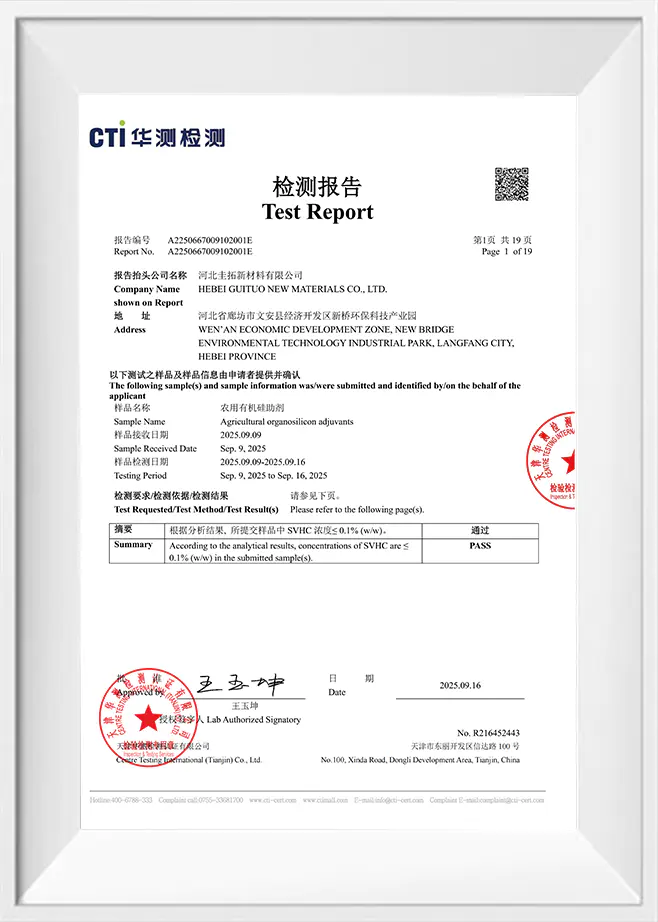
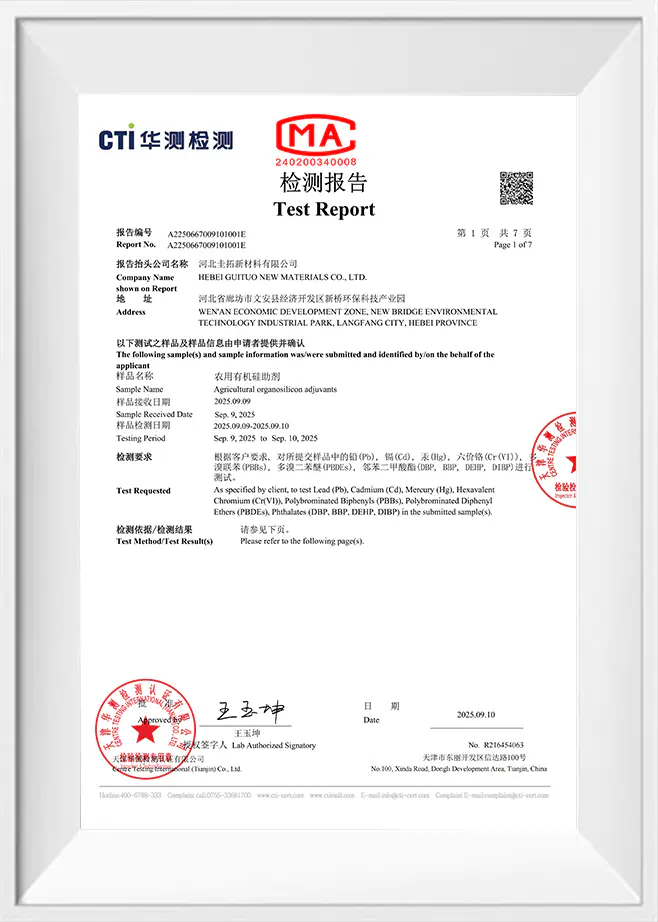
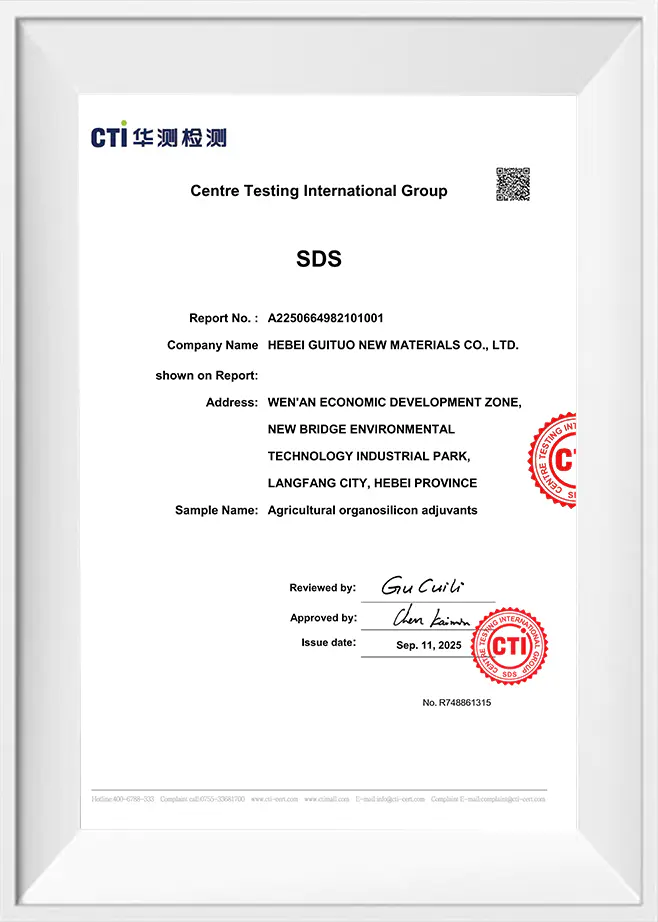
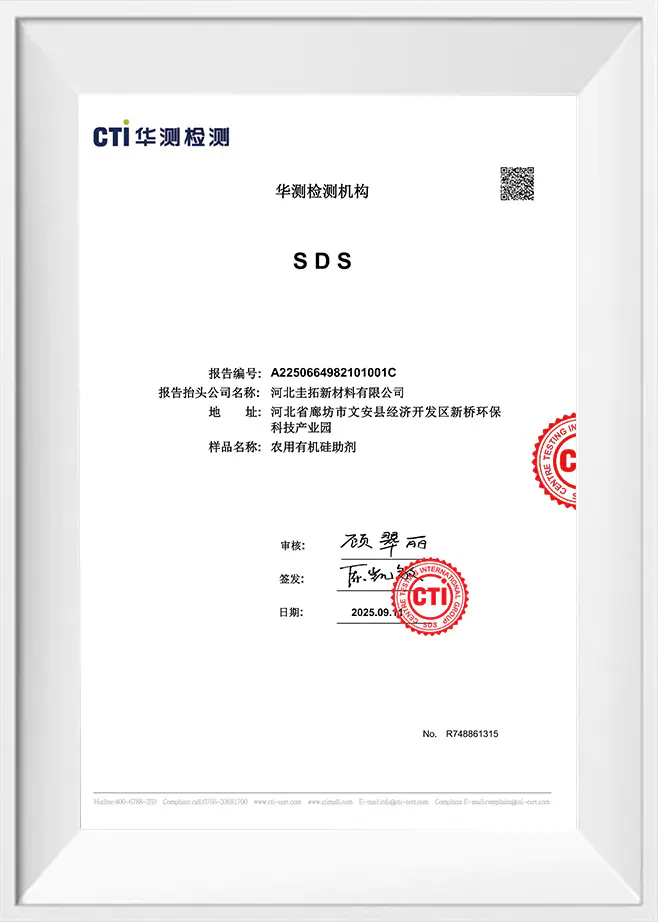
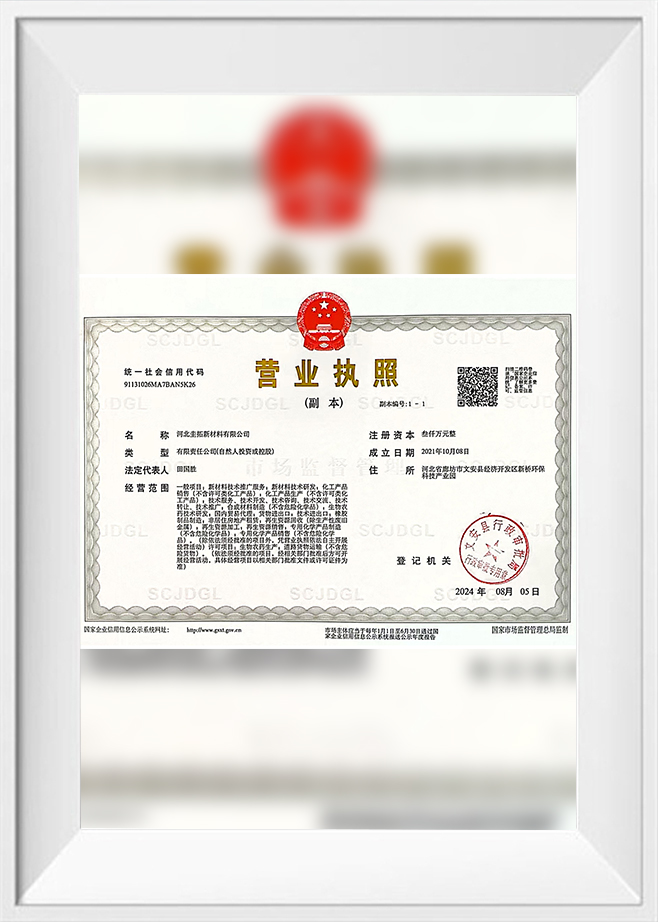
Certificate Of Honour
Latest News
Message Feedback
Release Agent Industry knowledge
How to Evaluate the Stability and Lifespan of a Release Agent
Understanding the Role of Stability and Lifespan in Release Agent Performance
In industrial manufacturing processes, a release agent plays a key role in ensuring smooth demolding, reducing surface defects, and maintaining production continuity. Stability and lifespan are two core parameters that directly influence whether a release agent can maintain consistent performance under real working conditions. Stability generally refers to the ability of the formulation to remain uniform and effective during storage and use, while lifespan focuses on how long the release agent can continue to function effectively on the mold surface or within a processing cycle. Evaluating these two aspects requires a combination of laboratory testing, process simulation, and long-term application observation.
Formulation Composition as the Basis for Stability Evaluation
The chemical composition of a release agent is the foundation of its stability. Silicone-based release agents, such as those developed and supplied by Hebei Guituo New Material Co., Ltd., often rely on dimethyl silicone oil, modified silicone oil, surfactants, and specific additives to balance compatibility and functional persistence. Stability evaluation begins by examining whether these components can coexist without separation, sedimentation, or viscosity drift over time. For example, a stable formulation should maintain a uniform appearance and consistent rheological properties when stored at different temperatures or subjected to moderate mechanical agitation.
Storage Stability Testing Under Controlled Conditions
Storage stability testing is a commonly used method to evaluate whether a release agent can maintain its performance during transportation and warehousing. This testing typically involves placing samples under various temperature and humidity conditions and observing changes over a defined period. For silicone release agents, parameters such as phase separation, odor changes, and viscosity variation are closely monitored. Hebei Guituo New Material Co., Ltd., with its experience in silicone additives and surfactants, emphasizes controlled storage testing to ensure that products remain suitable for use across different climatic regions.
| Test Condition | Observation Focus | Evaluation Purpose |
|---|---|---|
| High-temperature storage | Viscosity change and appearance | Assess thermal stability |
| Low-temperature storage | Crystallization or phase separation | Assess cold resistance |
| Long-term room temperature storage | Uniformity and odor | Assess shelf-life consistency |
Process Stability During Application
Beyond storage, stability must also be evaluated during actual processing. In molding, extrusion, or coating operations, release agents are often exposed to heat, pressure, and repeated contact with materials. A stable release agent should not decompose, volatilize excessively, or lose functional components under these conditions. Modified silicone oil systems, which are part of Hebei Guituo New Material Co., Ltd.’s product matrix, are often assessed for their ability to maintain a consistent release layer during continuous production cycles.
Lifespan Assessment Through Repeated Use Cycles
The lifespan of a release agent is typically evaluated by measuring how many cycles it can support before reapplication becomes necessary. This is particularly important in high-efficiency production lines, where frequent reapplication can increase downtime and material consumption. Lifespan testing involves applying a fixed amount of release agent to a mold and recording the number of successful demolding cycles achieved without surface defects or sticking. A longer functional lifespan often indicates that the release agent forms a more durable and uniform interface layer.
Impact of Substrate and Mold Materials on Lifespan
Different mold materials, such as steel, aluminum, or composite molds, interact differently with release agents. Evaluating lifespan requires testing across representative substrates used in the target industry. Silicone-based release agents used in agriculture-related manufacturing, electronics, or textile processing may encounter diverse surface energies and temperatures. Hebei Guituo New Material Co., Ltd. considers these variations when aligning its silicone additives and defoamers with downstream application requirements, ensuring that lifespan data reflects real operating environments.
| Mold Material | Typical Test Indicator | Lifespan Observation |
|---|---|---|
| Steel mold | Number of release cycles | Consistency of demolding force |
| Aluminum mold | Surface residue formation | Stability of release film |
| Composite mold | Surface compatibility | Uniformity after repeated use |
Chemical Resistance and Environmental Exposure
Release agents are often exposed to chemicals such as cleaning agents, resins, or reactive monomers. Evaluating stability and lifespan includes assessing resistance to these substances. A release agent with suitable chemical resistance should not degrade rapidly when in contact with commonly used process chemicals. Silicone surfactants and wetting agents produced by Hebei Guituo New Material Co., Ltd. are typically evaluated for their tolerance to such environments, ensuring that performance remains consistent over time.
Performance Consistency as a Lifespan Indicator
Another important aspect of lifespan evaluation is performance consistency. Even if a release agent remains present on the mold surface, its effectiveness may gradually decline. Monitoring changes in surface finish, demolding force, and defect rates across production cycles provides insight into functional lifespan. Stable performance across multiple indicators suggests that the release agent maintains its intended role rather than simply remaining as a residual layer.
Industry Application Feedback and Long-Term Validation
Laboratory and pilot-scale evaluations are often complemented by feedback from industrial users. In sectors such as agriculture, daily chemicals, electronics, and textiles, release agents are subjected to continuous and varied operating conditions. Hebei Guituo New Material Co., Ltd., whose agricultural silicone products are widely used by domestic agrochemical enterprises, integrates long-term application data into its evaluation framework. This approach helps align laboratory stability and lifespan indicators with actual production requirements, providing a more practical basis for performance assessment.
FAQ
Q: What is a release agent and how is it commonly used?
A: A release agent is a functional material applied to mold surfaces or processing interfaces to reduce adhesion between the mold and the finished product. It helps ensure smooth demolding and stable production efficiency. Release agents are widely used in agriculture-related manufacturing, daily chemical processing, electronics, textiles, and other industrial fields.
Q: What types of release agents are commonly based on silicone materials?
A: Many release agents are formulated using silicone-based raw materials such as dimethyl silicone oil, modified silicone oil, silicone additives, and surfactants. These materials help form a uniform release film and support consistent performance under different processing conditions, which aligns with the product portfolio of Hebei Guituo New Material Co., Ltd.
Q: Why are silicone release agents suitable for agricultural applications?
A: Silicone release agents are often selected for agricultural applications because they offer stable performance, suitable wetting behavior, and compatibility with various formulations. Hebei Guituo New Material Co., Ltd.’s agricultural silicone products are widely used by agrochemical enterprises, supporting efficient production and consistent processing outcomes.
Q: How do wetting agents and surfactants contribute to release agent performance?
A: Wetting agents and surfactants help the release agent spread evenly across the mold or substrate surface. This improves surface coverage and reduces localized adhesion. As part of Hebei Guituo New Material Co., Ltd.’s product matrix, these materials are often used to support stable release behavior in different industrial environments.
Q: What role do defoamers play in release agent formulations?
A: Defoamers are used to control foam formation during mixing, application, or processing. Excess foam can affect coating uniformity and application accuracy. Incorporating suitable defoamers helps maintain consistent application quality, especially in automated or high-speed production lines.
Q: How can the lifespan of a release agent be evaluated in practice?
A: The lifespan of a release agent is typically evaluated by observing how many processing cycles it can support before reapplication is required. This includes monitoring demolding force, surface residue, and consistency across repeated cycles. Silicone-based systems are often assessed under real production conditions to ensure the data reflects practical use.
Q: In which industries are silicone-based release agents commonly applied?
A: Silicone-based release agents are commonly applied in agriculture-related manufacturing, daily chemicals, electronics processing, textile finishing, and other industrial sectors. Hebei Guituo New Material Co., Ltd.’s diverse product layout supports these applications by providing silicone additives, modified silicone oils, surfactants, and related materials.

Contact Information
Tel : +86-400-138-5268
Email : [email protected]
Phone : +86-15128434888 / +86-13511051998
Add : Xinqiao Environmental Protection Industrial Park, Wen'an County, Langfang City, Hebei Province, China
Contact Information
Copyright © Hebei Guituo New Material Co., Ltd. All Rights Reserved.
