

 English
  Français
  Português

What Is a Release Agent? Types, Uses & Selection Guide
2026-08-17
What Is a Release Agent?
Imagine a cured rubber part that has just finished its cycle inside a steel mold. It sticks to the cavity. The operator pulls it free, but the part tears and leaves rubber fragments behind on the polished tool surface. Production stops for cleaning, the part is scrap, and the line loses valuable minutes. A release agent is the chemical barrier that prevents that chain of events.
A release agent, also called a mold release agent, demolding agent, or release coating, is a chemical formulation applied to mold surfaces to prevent molded material from sticking to the tool. It creates a thin separating layer between the mold and the part. In plastics, rubber, polyurethane, and composites, release agents are essential process aids that help parts come out cleanly and consistently.
Without a release agent, molded parts can weld to the cavity, tear during ejection, or distort when forced out. That means more rejects, longer cycle times, and faster tool wear. This is why release agents are considered an important additive category in plastic and rubber processing: they protect the production outcome rather than the material itself.
How Does a Release Agent Work?
Release agents work by modifying the mold surface rather than the polymer formulation. When a thin, continuous film is applied, it lowers the surface energy of the tool. Molten or semi-cured polymer cannot wet that low-energy surface as easily, so adhesion stays weak. After cooling or curing, the part releases from the mold with less force.
Silicone-based release agents are particularly effective because they are built on poly(dimethylsiloxane), commonly referred to as PDMS. PDMS has a very low surface tension, so its molecules form a smooth, non-stick layer on the mold. Natural rubber, EPDM, TPE, and many engineering polymers adhere poorly to that layer, which is why silicone chemistry is the default choice for most plastic and rubber molding operations.
One practical point is transfer. During demolding, a portion of the release agent may transfer onto the part surface. If that part will later be painted, printed, or bonded, the residue can interfere with adhesion. Selecting a release agent therefore means balancing release performance with downstream surface behavior.
Main Types of Release Agents
Release agents are commonly classified in three ways: by carrier type, by service life, and by chemical composition. Most selection processes move through those categories in that order.
Water-Based vs. Solvent-Based Release Agents
Solvent-based release agents have long been chosen for fast drying and excellent wetting of complex mold geometries. They form uniform films quickly and can produce reliable release. The trade-off is that they emit volatile organic compounds (VOCs), are often flammable, and require special handling and shipping as hazardous goods.
Water-based release agents solve many of those safety and compliance problems. Modern formulations have largely closed the performance gap with solvent-based products, and they also support sustainability goals. Co-solvent systems offer an intermediate path, combining good wetting with a reduced VOC load.
| Aspect | Water-Based | Solvent-Based |
|---|---|---|
| Drying speed | Moderate, with newer quick-evaporating variants | Fast |
| Flammability | Low | Higher, requires ventilation and fire controls |
| VOC emission | Low | Higher |
| Film formation | Even when applied correctly | Excellent on complex molds |
Semi-Permanent vs. Sacrificial Release Agents
Service life is another decisive variable. Sacrificial release agents, also called consumptive types, are consumed during each molding cycle and must be reapplied after every shot. They offer flexibility when the line switches between different materials or colors, but they add labor and reduce uptime at high cycle rates.
Semi-permanent release agents cure onto the mold surface and form a durable film that can last for many cycles. Installation is done on a clean, dry mold, and the resulting layer minimizes reapplication effort over the production run. For long production series and tight cycle times, semi-permanent systems usually win on cost per part.
Silicone vs. Non-Silicone Release Agents
Chemistry determines heat resistance, film durability, and downstream compatibility. Silicone release agents offer very low surface energy, strong release, and good thermal stability; that combination makes them suitable for most thermoplastics, thermosets, and rubbers. Because the film stays uniform over repeated cycles, silicone products dominate the plastic and rubber molding market.
Non-silicone release agents, including waxes, fatty acid esters, and metallic soaps such as zinc stearate, are preferred in niche cases. They are often selected when the molded part will be bonded, painted, or printed without a separate cleaning step. The trade-off is that they generally have lower heat resistance and may require more frequent reapplication.
Common Applications of Release Agents
Release agents are used wherever a molded or cast part must separate from its tool. Typical applications include:
- Plastic injection molding and extrusion blow molding
- Rubber compression, transfer, and injection molding
- Polyurethane foam and elastomer production
- Die casting of metal parts
- Tire manufacturing
- Composite molding with glass fiber or carbon fiber reinforcement
In each of these processes, the release agent does more than prevent sticking. It protects the mold surface from wear, helps maintain dimensional accuracy, and keeps the production cycle repeatable. A reliable release layer reduces surface defects, flash, and part distortion over long production runs.
How to Choose the Right Release Agent
Choosing a release agent starts with the process, not the product name. A practical evaluation follows these steps:
- Define the process parameters: polymer type, mold temperature, cycle time, and part geometry.
- Decide on the carrier: consider factory ventilation, fire safety rules, VOC limits, and drying time.
- Compare sacrificial and semi-permanent systems: estimate labor cost per cycle and production volume.
- Assess the chemical type: check whether downstream painting, printing, or bonding will be affected by silicone transfer.
- Run a shop-floor trial: measure release force, mold fouling, and part quality under real production conditions.
For most plastic and rubber molding operations, silicone-based semi-permanent systems are the strongest starting point because they combine low surface energy, heat stability, and low reapplication frequency. Once your process conditions are clear, exploring our full release agent product line is a practical way to match a formulation to your mold temperature and material.
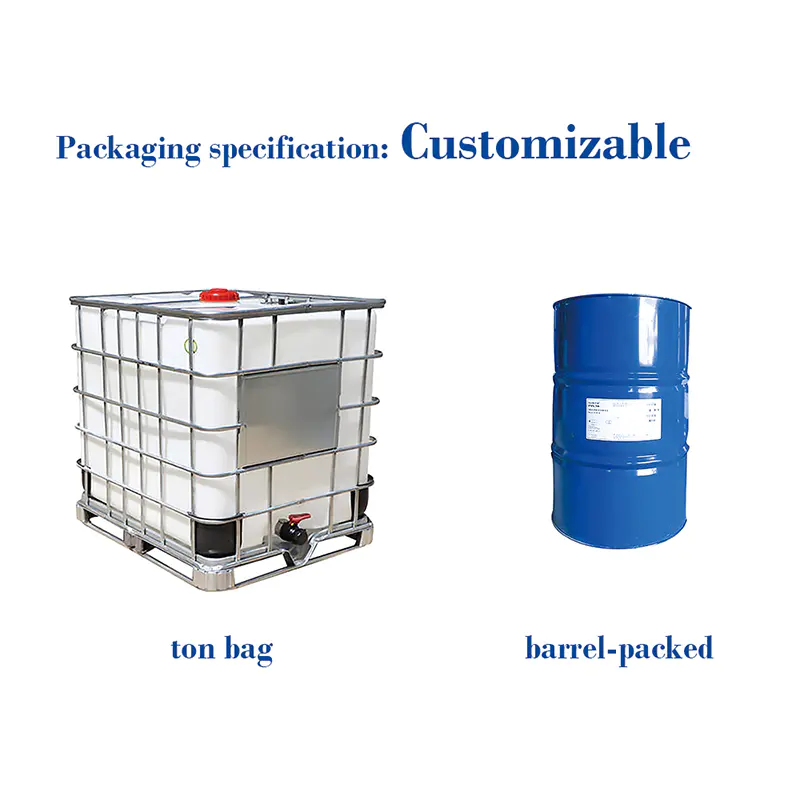 Silicone Mold Release Agent Factory, ManufacturersGuituo New Material is China silicone release agent factory and wholesale mold release agent manufacturers, offer OEM/ODM silicone surfac...View Product →
How to Evaluate a Release Agent Supplier
The formulation itself is only part of the story. Consistency, customization, and technical support determine whether a release agent performs the same from drum to drum and from first trial to full production.
- Research and production capability: does the supplier develop their own formulations, or do they only resell standard blends?
- Quality control: does the supplier operate an in-house test laboratory and advanced detection equipment, with full-process quality monitoring from raw material to finished goods?
- Customization: can the supplier accept OEM/ODM orders and develop products according to customer drawings or samples?
- Supply reliability: has the supplier shipped consistently to overseas markets, such as Europe and Southeast Asia, and retained repeat orders?
- Application support: can their team help with product selection, trial runs, and process adjustment?
Buyers often treat release agents as commodity items, but the cost of a failed batch is much higher than a small price difference per kilogram. A manufacturer with in-house R&D and quality control can respond faster to production issues. If your process requires a tailored formulation, ask about their custom development and OEM/ODM services and how the team supports unique molding applications.
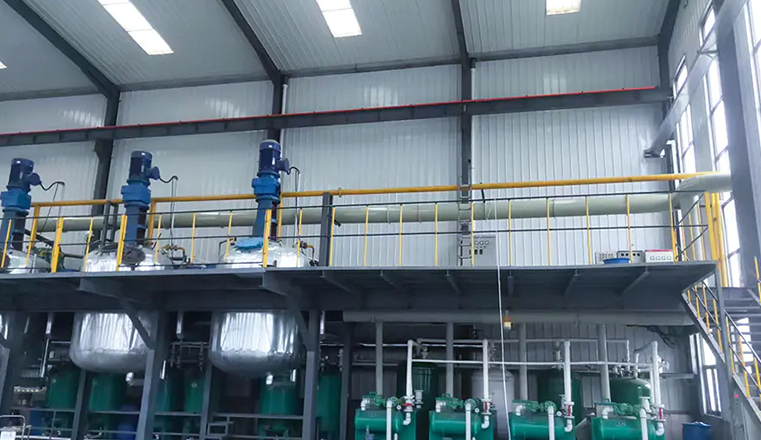 Service - Hebei Guituo New Material Co., Ltd.Service- Hebei Guituo New Material Co., Ltd.View Product →
Conclusion
A release agent is a thin separating layer between a mold and a molded part. It prevents sticking, protects the tool, and keeps production output predictable. The three main classification dimensions are carrier type, service life, and chemical composition; silicone chemistry is the dominant choice for plastic and rubber molding because of its low surface energy and heat stability.
When selecting a release agent, define your polymer, mold temperature, cycle time, and downstream surface requirements, then compare practical options against those parameters. As a silicone materials manufacturer with in-house testing and full-process quality monitoring, we supply release products developed for real molding conditions. One example is our anionic plastic and rubber mold release agent, a formulation built for clean demolding across common plastic and rubber processes. Bring your process parameters to your supplier, run a shop-floor trial, and qualify the system before committing to a full production rollout.
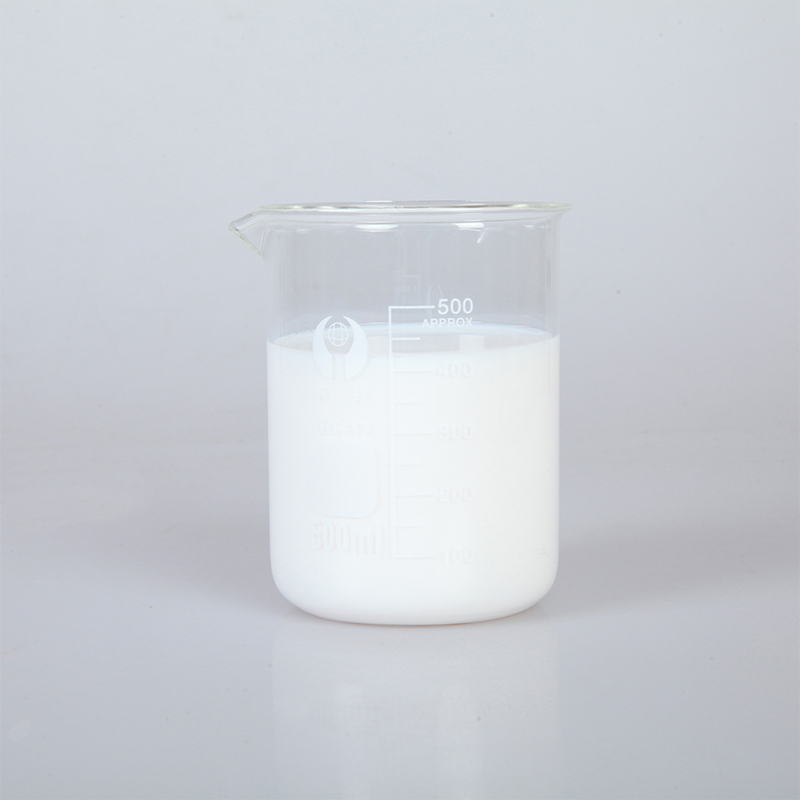 Anionic Plastic/Rubber Mold Release Agent Manufacturers, SuppliersAs China plastic mold release agent manufacturers and rubber mold release agent suppliers, Guituo New Material custom anionic plastic/rub...View Product →


Contact Information
Tel : +86-400-138-5268
Email : [email protected]
Phone : +86-15128434888 / +86-13511051998
Add : Xinqiao Environmental Protection Industrial Park, Wen'an County, Langfang City, Hebei Province, China
Contact Information
Copyright © Hebei Guituo New Material Co., Ltd. All Rights Reserved.
