

 English
  Français
  Português

What Is a Release Agent for Concrete? Types & Selection Guide
2026-08-10
Choosing a concrete release agent is rarely the first decision a project team makes, yet it is one of the few line items that touches formwork cost, labor hours, surface finish, and environmental compliance all at once. A crew can spec the right mix design, the right rebar, and the right forming system, and still lose days to stuck panels, torn faces, and rework because the release layer was an afterthought. This section expands on the fundamentals with sourcing-level detail: how the two release mechanisms actually behave on different job sites, how VOC rules shape what you are legally allowed to buy in a given region, how the major product families compare side by side, and what a reliable release agent supplier should be able to show you before you place an order.
The goal here is not to repeat what a typical spec sheet already says. It is to give purchasing teams, formwork contractors, and precast operators a practical reference they can use when comparing suppliers, writing a purchase order, or troubleshooting a release failure on site.
2 Core release mechanisms: physical barrier and chemical reaction
3 Main product families: barrier, chemically active, water-based
5 Common form substrates: wood, steel, aluminum, plastic, fiberglass
250 g/L Lowest common regional VOC ceiling that water-based formulas can meet
Matching Release Agents to Real Job-Site Scenarios
Product literature tends to describe release agents in the abstract, but the right choice almost always comes down to what kind of pour you are running. The four scenarios below cover most of the situations a formwork contractor, precast yard, or decorative concrete crew will encounter, and each one points toward a different product family.
Precast Yard
High-Cycle Steel and Aluminum Molds
Precast operations strip forms daily, sometimes several times a day, so film consistency and cleanup speed matter more than raw cost per liter. Semi-permanent silicone or chemically active products that survive several cycles before reapplication reduce both labor time and product consumption per unit produced.
Architectural Concrete
Exposed, Visible Surfaces
Anywhere the concrete face itself is the finished surface, bugholes and blotching are unacceptable. Chemically active agents or premium water-based emulsions that help entrained air escape during placement are the standard choice for lobbies, facades, and any pour that will not be covered by cladding.
Tilt-Up Construction
Large Horizontal Casting Beds
Tilt-up panels are cast flat on a slab and then lifted, so the release layer has to perform across a large horizontal area without pooling or dragging under the weight of the panel during lift. Even coverage and low migration in warm weather are the priorities here.
Stamped & Decorative Work
Texture Mats and Color Release
Stamping and texture mat work relies on a liquid release agent that acts as both a bond breaker and, in many formulations, a color accent. The product has to release cleanly from fine texture detail without smearing the pattern before the mat is lifted.
VOC Regulations and Why They Shape Product Choice
Volatile organic compound limits are one of the few constraints on release agent selection that are not negotiable. A product can have excellent release performance and still be unusable on a given project if its VOC content exceeds the local limit. In the United States, the federal ceiling for concrete form release agents sits at 450 grams per liter, while stricter jurisdictions such as California cap the same category at 250 grams per liter. That gap is large enough to eliminate many oil-based products outright in regulated regions, which is a major reason water-based formulations have grown from a niche category into the default recommendation for enclosed sites, urban projects, and any job with an environmental compliance requirement written into the contract.
VOC Ceiling Comparison (grams per liter)
Reference values only. Always confirm the current limit that applies to your specific state, province, or country before purchasing.
Beyond the legal minimum, there is a practical reason to care about VOC content even where regulation is loose: enclosed pours, tunnel work, and indoor precast facilities concentrate solvent vapor in a way open-air job sites do not. Crews working near freshly coated formwork in a confined space benefit from a low-odor, low-VOC product regardless of what the local limit technically allows.
Comparing Product Families at a Glance
No single release agent family wins on every attribute. The comparison below is a general guide based on typical formulation behavior rather than a single lab result, since actual performance varies by manufacturer, dosage, and form substrate. Use it as a starting point, then confirm with a supplier's technical data sheet for the specific product under consideration.
Oil & Wax Barrier
Release Performance
Surface Finish Quality
Low VOC / Eco-Profile
Cost-Effectiveness
Chemically Active
Release Performance
Surface Finish Quality
Low VOC / Eco-Profile
Cost-Effectiveness
Water-Based
Release Performance
Surface Finish Quality
Low VOC / Eco-Profile
Cost-Effectiveness
Silicone chemistry plays a role in more than one of these families, which is part of why raw material choice matters as much as which finished category a product falls under. Silicone oil as the base of silicone-based release agents gives formulators a very low surface energy building block, and that low surface energy is the reason silicone barrier products strip so cleanly from wood, steel, and rubber molds alike.
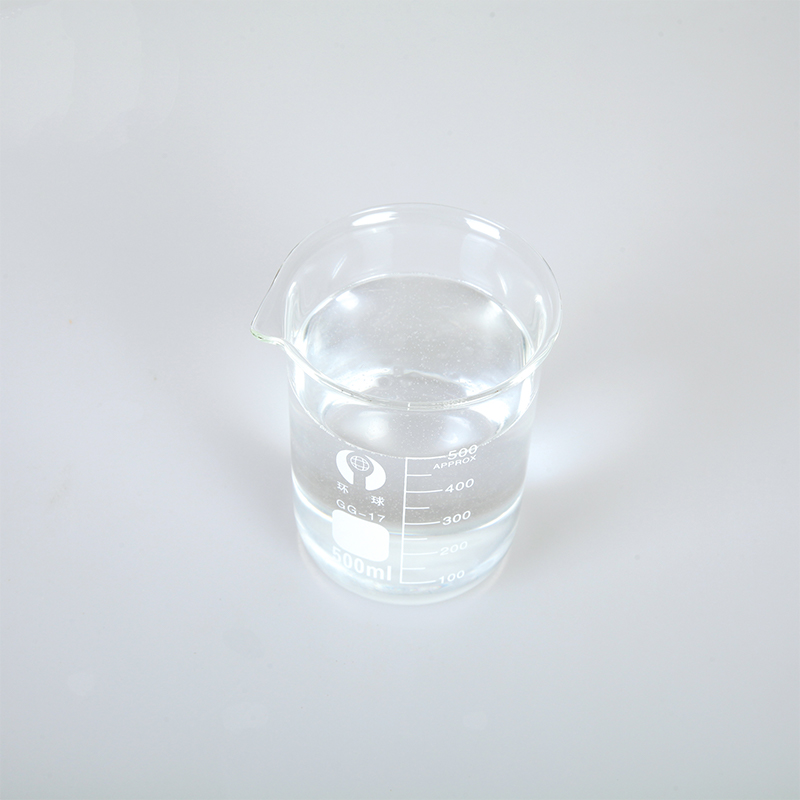 Raw Material 201 Methyl Silicone Oil A stable, low surface energy base fluid used across silicone-based release systems, offered in custom viscosity grades for formulators building barrier-type products. View Product Details
Release Agent vs. Mold Release for Rubber Molds
Formwork and production molds are related but not identical problems. Formwork is the temporary structure on a job site, usually wood, steel, or aluminum, that shapes concrete in place. Molds are reusable tooling used in a shop or precast plant to cast repeatable products: rubber mats, plastic liners, fiberglass shells, and texture stamping mats. Because molds are reused far more often than site formwork, the release strategy has to protect the tooling investment, not just the current pour.
Silicone rubber molds release well on their own, but repeated contact with abrasive, high-aggregate concrete mixes gradually wears the mold surface. Applying a water-based release agent before every pour adds a sacrificial layer that takes the abrasion instead of the mold itself, which extends usable mold life considerably over a production run. In stamped concrete work, the same principle applies to texture mats: a liquid bond breaker keeps the pattern from tearing on release and, in many formulations, imparts a subtle color variation that becomes part of the finished look.
Practical note: plastic and rubber tooling generally responds best to release agents formulated specifically for those substrates rather than general-purpose formwork products, since compatibility with the mold's own surface chemistry affects both release quality and mold longevity.
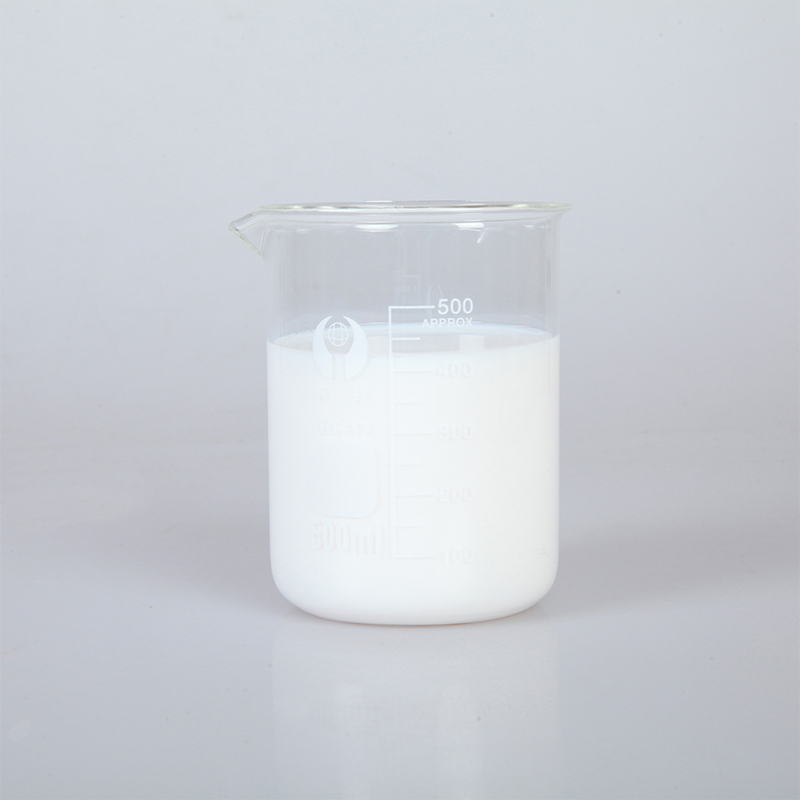 Finished Product Anionic Plastic & Rubber Mold Release Agent Formulated for plastic and rubber mold substrates, this anionic-type release agent supports repeated cycles while protecting fine surface detail on texture mats and liners. View Product Details
How to Choose the Right Release Agent
Six factors decide most release agent purchases, and working through them in order usually narrows the choice to one product family before price even enters the conversation.
01
Form or Mold Material
Wood absorbs liquid and benefits from a heavier film; steel and aluminum need corrosion protection built into the formula; rubber and plastic require a product chemically compatible with the tooling surface.
02
Concrete Mix Design
High-aggregate mixes are more abrasive and harder to release cleanly; high-sand mixes tend to be stickier and may need a slightly heavier application.
03
Surface Finish Requirements
Architectural or exposed concrete calls for a chemically active or premium water-based product; back-of-house or covered structural elements can use a more economical barrier product.
04
Local VOC Rules
Confirm the applicable limit for your region before ordering, and default to a water-based product for any enclosed or strictly regulated site.
05
Job-Site Temperature
In extreme heat, film-forming oils can thin and migrate; in cold weather, most products thicken and need adjusted application technique.
06
Post-Strip Work
If the concrete will be painted, tiled, or bonded to another material afterward, choose a low-residue water-based or chemically active agent to avoid adhesion problems later.
Silicone chemistry gives formulators room to fine-tune this decision further. Polyether-modified silicone oil for customized release performance is one of the more common building blocks used to adjust emulsion stability, spreading behavior, and compatibility with other additives in a modified release system, which is why raw material sourcing matters even to buyers who only ever purchase finished release agents.
 Raw Material Polyether-Modified Silicone Oil A modified silicone base used to fine-tune emulsion stability and spreading behavior in customized release systems, suited to formulators adjusting performance for specific substrates. View Product Details
Application Tips for Best Results
Good release performance is mostly a matter of preparation and consistency rather than product cost. The sequence below applies regardless of which product family is being used.
| Step | Action | Why It Matters |
| 1 | Clean the form or mold surface before every application | Old concrete residue, grease, and rust trap air and weaken the new release film |
| 2 | Apply a thin, even coat | Over-application causes discoloration, surface defects, and product waste |
| 3 | Respect the recommended flash-off time | Pouring too early can wash the release film away before it sets |
| 4 | Adjust technique for temperature | Hot conditions dry or migrate the film; cold conditions raise viscosity and slow spreading |
Quality Control and Manufacturing Behind a Reliable Release Agent
A release agent that performs consistently on the job site starts with consistency in the plant that makes it. Batch-to-batch variation in viscosity, emulsion stability, or active content is what causes a product that worked well on one pour to underperform on the next, so it is worth asking a supplier directly about how each batch is checked before it ships. A manufacturer working with its own raw material base, rather than reselling a blended product sourced from multiple third parties, generally has more control over that consistency because the same silicone oils and additives feed every batch.
For contractors and precast operators sourcing at scale, a few practical questions are worth putting to any prospective supplier before the first order: can the formulation be adjusted for a specific form substrate or climate, is a certificate of analysis available for each shipment, and can the supplier provide sample quantities for a trial pour before committing to a full production run. Suppliers who manufacture the underlying silicone raw materials in-house, such as the base oils used in barrier and modified release systems, are typically better positioned to answer all three with confidence, since they are not dependent on an outside vendor's batch schedule.
For buyers sourcing raw materials rather than finished goods: a dedicated range of silicone-based raw materials for release formulations is available for teams building or adjusting their own product line, covering base fluids, modified oils, and specialty additives used across barrier and water-based release systems.
Packaging, Storage, and Ordering Information
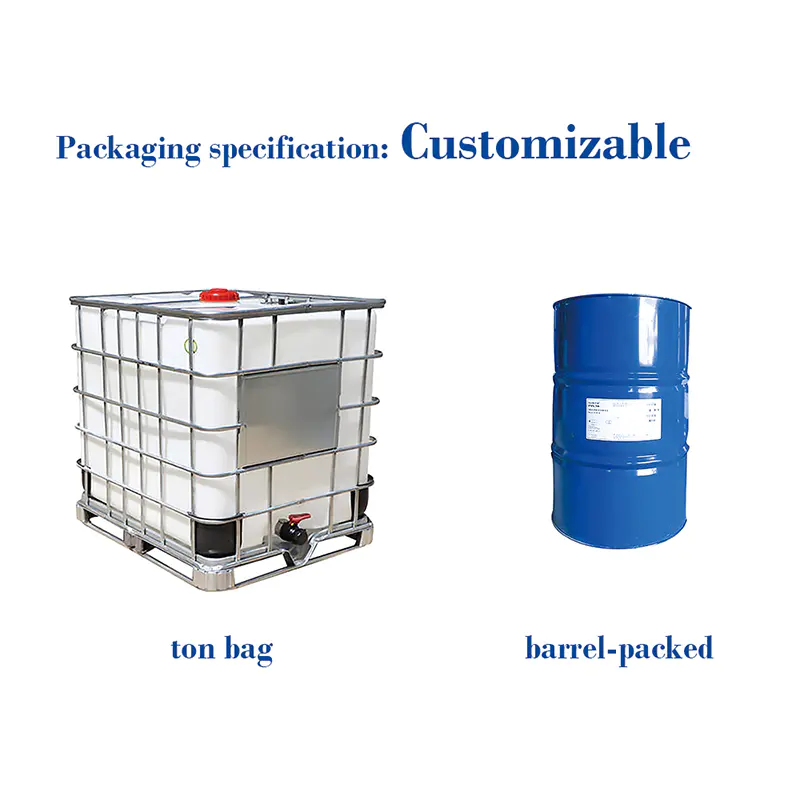
Release agents are sensitive to contamination and, in some cases, temperature during storage, so packaging and handling deserve the same attention as the formulation itself. Standard packaging typically ranges from small pails suited to sample testing and small crews up to drums and totes for precast yards running through large volumes on a regular cycle.
| Packaging | Typical Use Case | Storage Note |
| Small pails (5–20 L) | Trial pours, small crews, sample evaluation | Keep sealed and out of direct sun; check the label for a minimum storage temperature |
| Drums (200 L) | Standard job-site and mid-size precast use | Store upright, rotate stock, avoid freezing for water-based emulsions |
| Totes / bulk | High-cycle precast plants and continuous production lines | Confirm shelf life with the supplier before bulk ordering |
Before placing a first order, it is worth requesting the technical data sheet and, where available, a safety data sheet for the specific product, since these documents will list exact VOC content, recommended dilution or dosage, flash-off time, and shelf life — details that vary between suppliers even within the same product category.
Frequently Asked Questions
Can one release agent work on both wood formwork and rubber molds?
Some water-based formulas are labeled for multiple substrates, but performance and mold longevity are usually better with a product matched to the specific material, especially for reusable rubber or plastic tooling.
Does a lower VOC content mean weaker release performance?
Not necessarily. Modern water-based emulsions have closed much of the performance gap with solvent-based products, and premium water-based formulas are now standard on many architectural projects specifically because they combine low VOC content with clean release.
How often should a semi-permanent release agent be reapplied?
This depends on the formulation, the form material, and the abrasiveness of the mix, but many semi-permanent products are designed to last several pour cycles before renewal is needed — always confirm the interval on the technical data sheet.
What causes bugholes even when a release agent was applied?
Bugholes are usually a combination of entrapped air and an uneven or overly thick release film. Chemically active agents help because the soap layer they form assists air escape, but proper vibration during placement still matters.
Related Reading

Contact Information
Tel : +86-400-138-5268
Email : [email protected]
Phone : +86-15128434888 / +86-13511051998
Add : Xinqiao Environmental Protection Industrial Park, Wen'an County, Langfang City, Hebei Province, China
Contact Information
Copyright © Hebei Guituo New Material Co., Ltd. All Rights Reserved.
