Can Agricultural Organosilicone Adjuvants Improve the Durability and Persistence of Pesticides?
Introduction to Agricultural Organosilicone Adjuvants
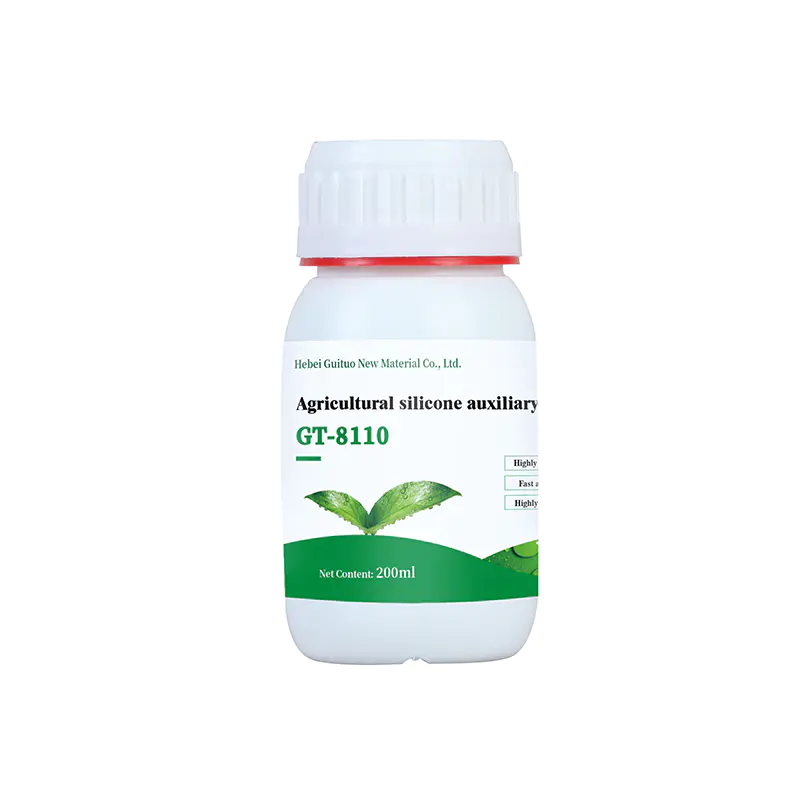
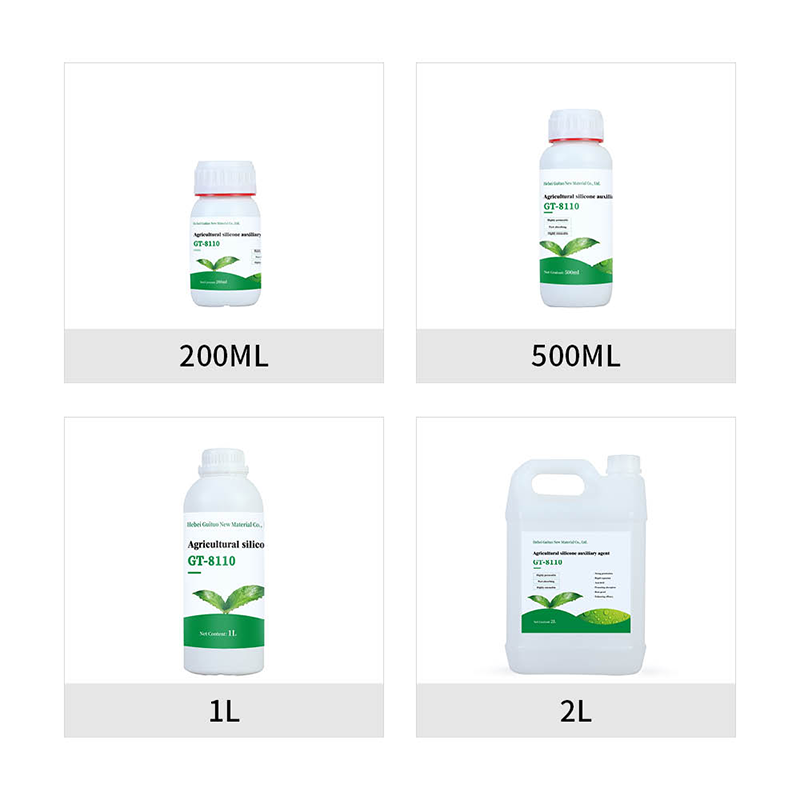
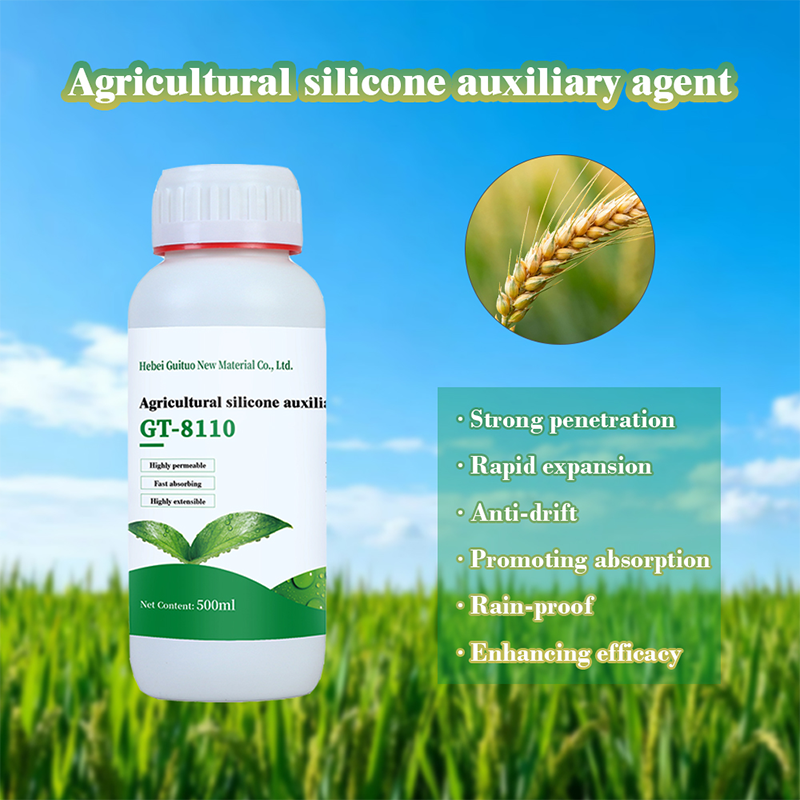
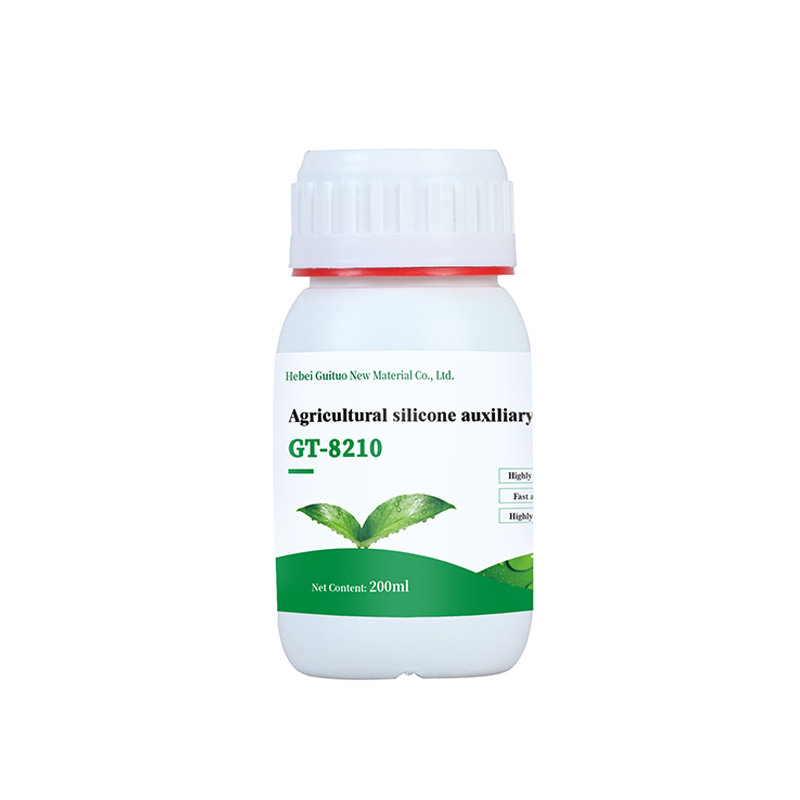
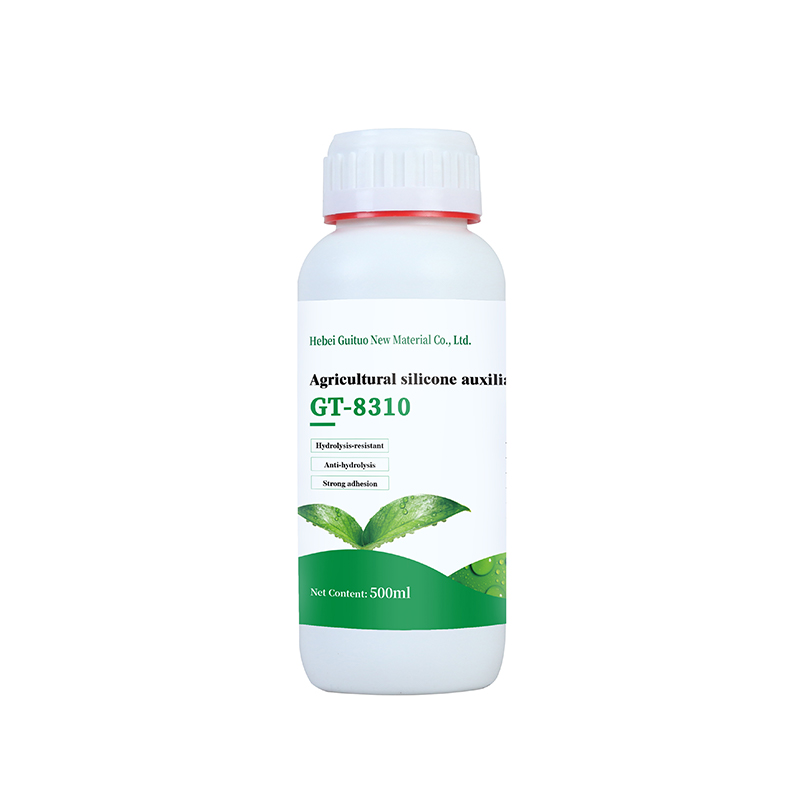
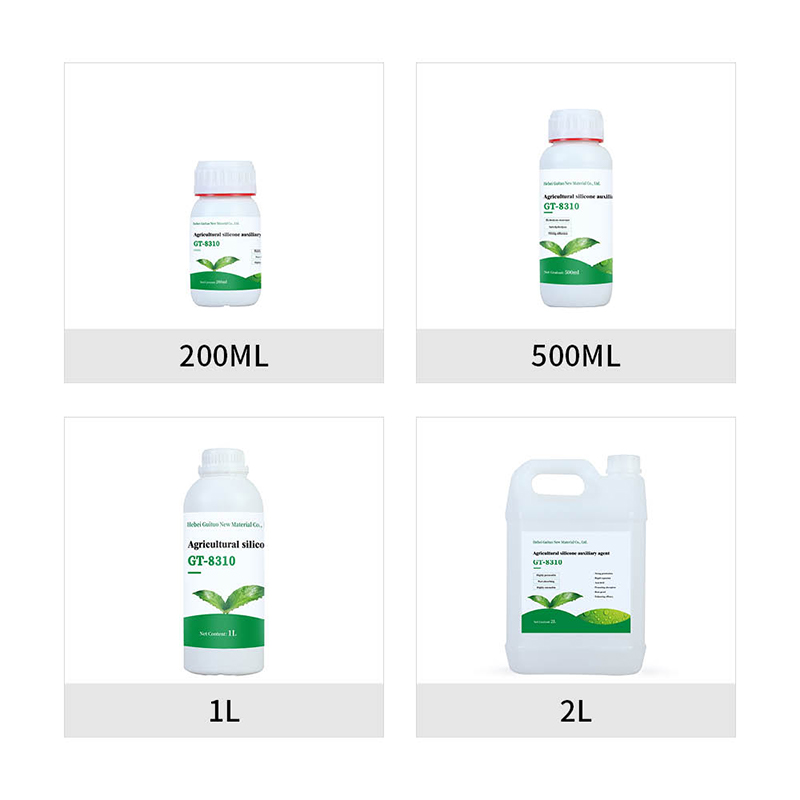
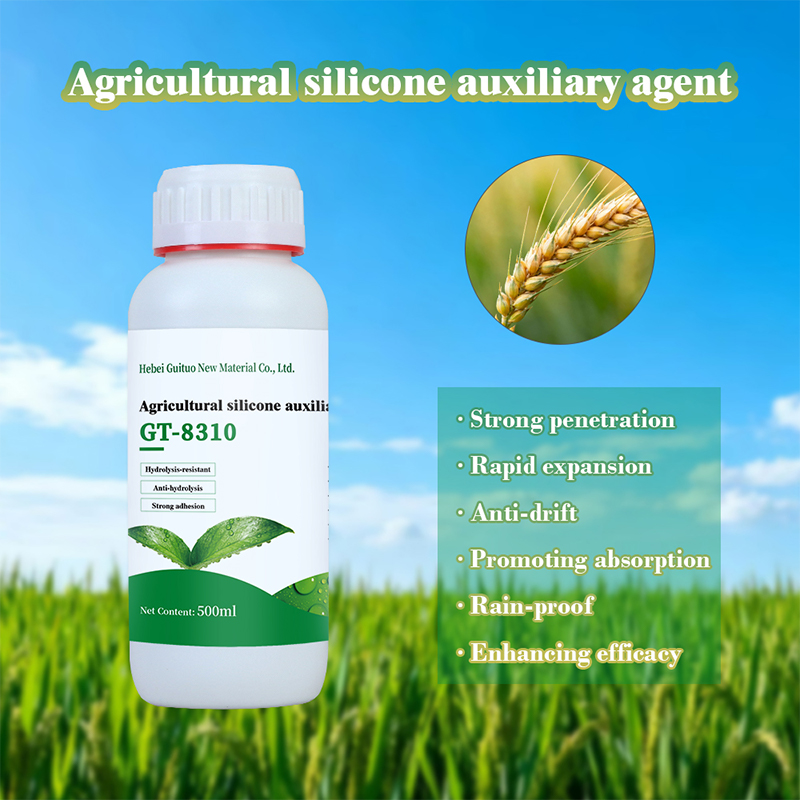
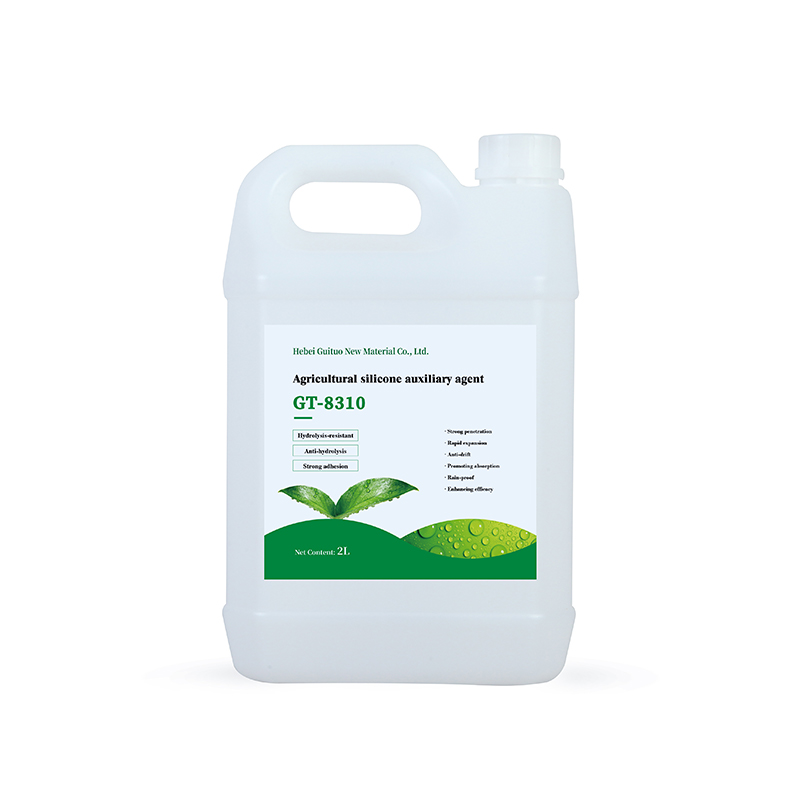
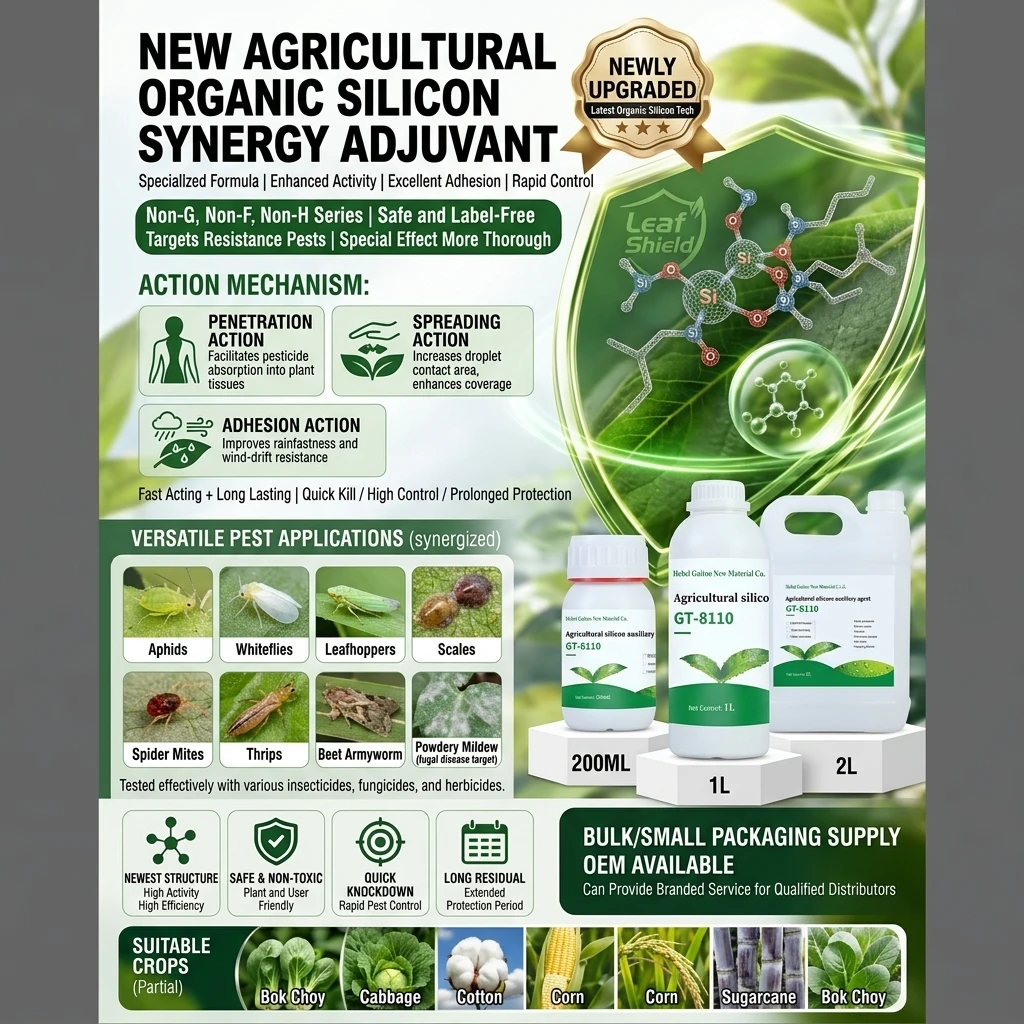
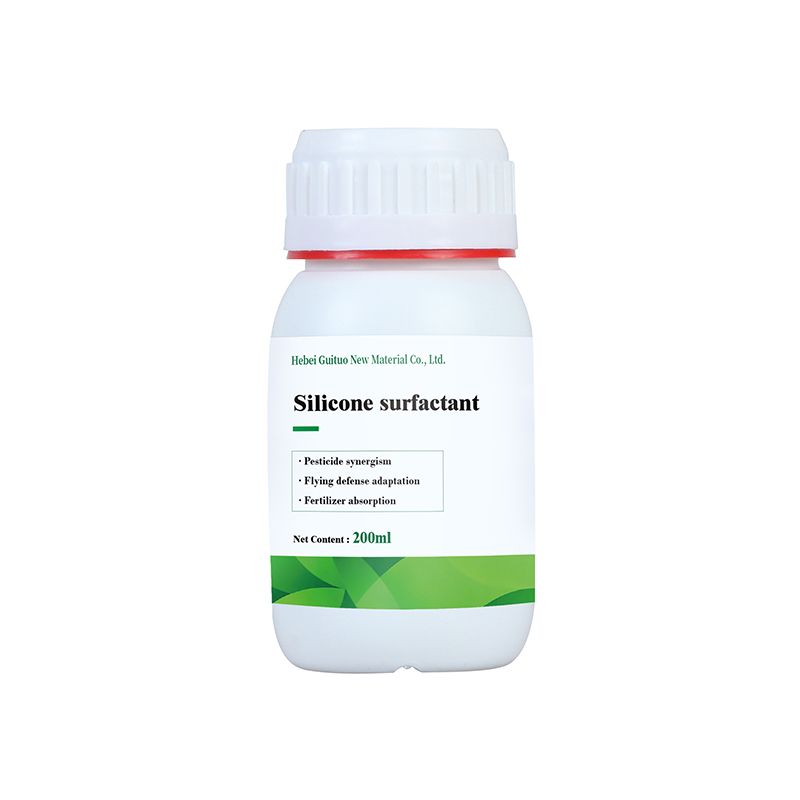
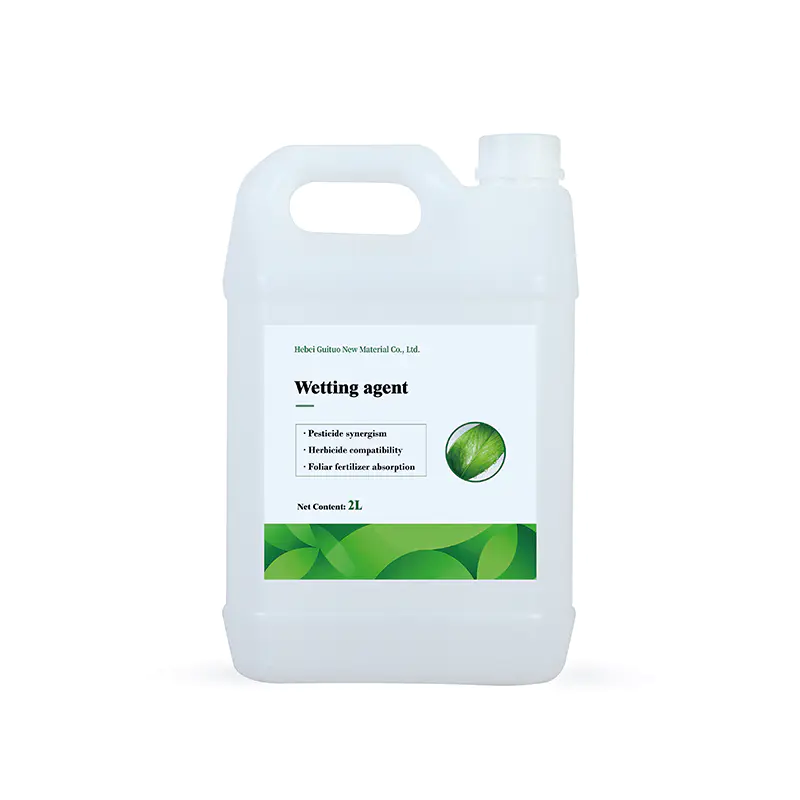
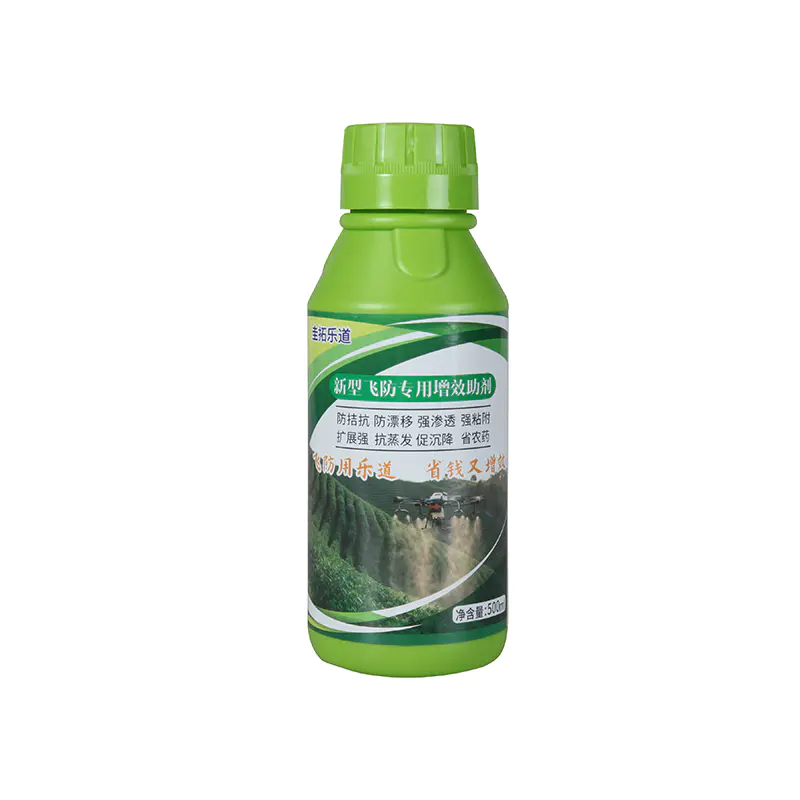
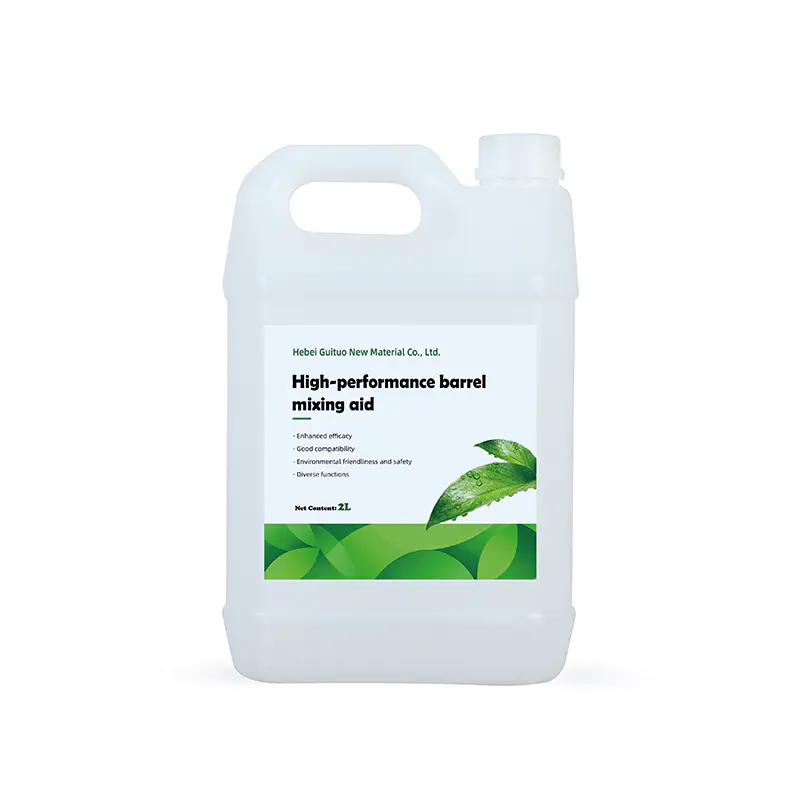
Agricultural organosilicone adjuvants are additives designed to enhance the performance of pesticides, herbicides, and other crop protection products. These adjuvants play a vital role in improving the effectiveness, durability, and persistence of pesticides on plant surfaces. Hebei Guituo New Material Co., Ltd. offers a variety of high-performance organosilicone adjuvants that contribute to the extended efficacy of pesticide applications, helping reduce the frequency of reapplications and ensuring that pesticides remain effective for longer periods.
How Organosilicone Adjuvants Enhance Pesticide Durability
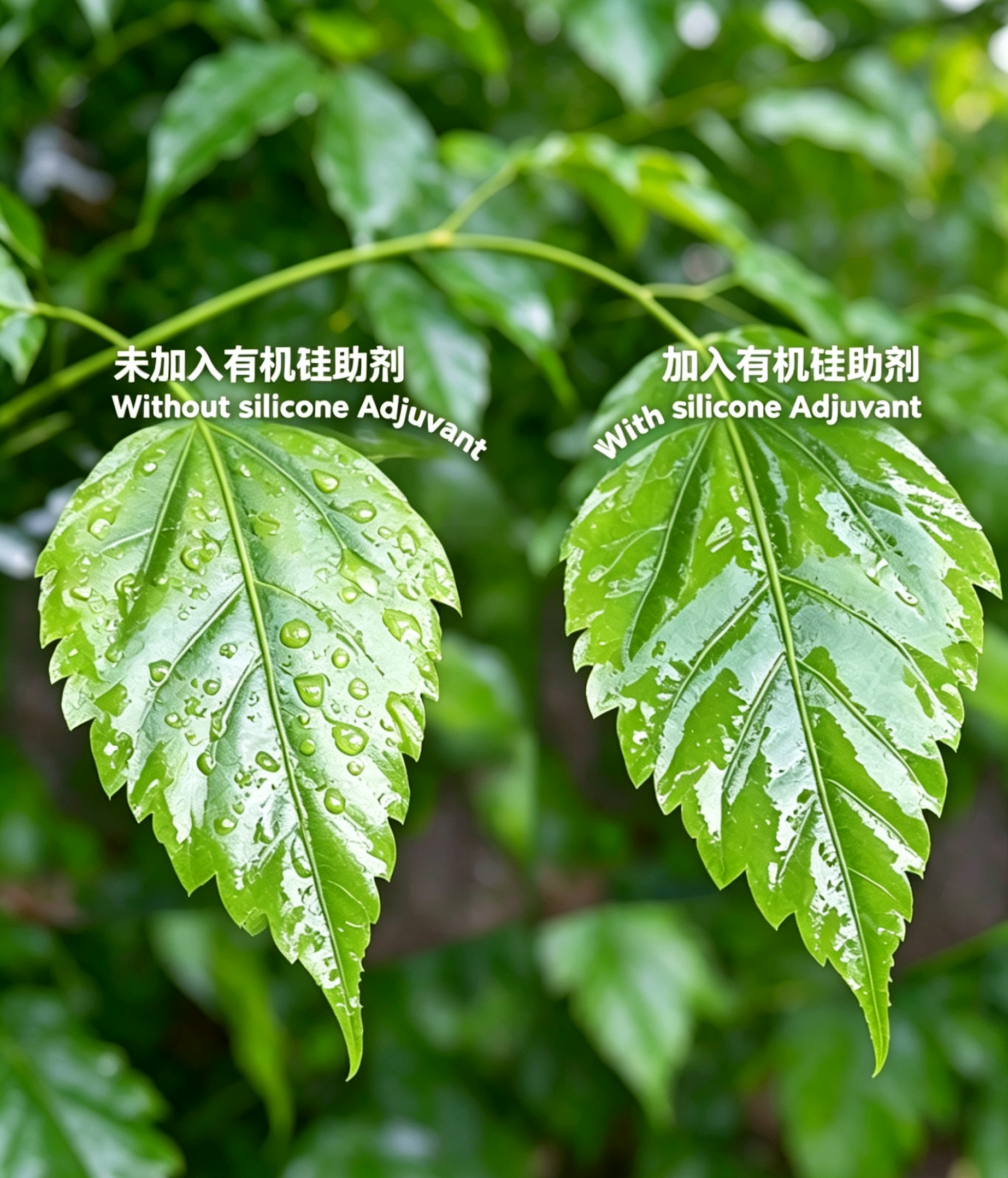
Durability in pesticide applications refers to how long the active ingredients in the pesticide remain effective after being applied to the plant. Organosilicone adjuvants contribute to pesticide durability by improving the adhesion of the pesticide to plant surfaces, even under challenging environmental conditions such as wind or rain. By reducing the tendency of pesticides to wash off or degrade, these adjuvants help the pesticide remain on the plant for a longer period, ensuring consistent performance over time. The strong bonding properties of organosilicone adjuvants also protect the pesticide from rapid evaporation, which is particularly important for volatile chemicals.
Improvement of Persistence Through Enhanced Spreading and Wetting
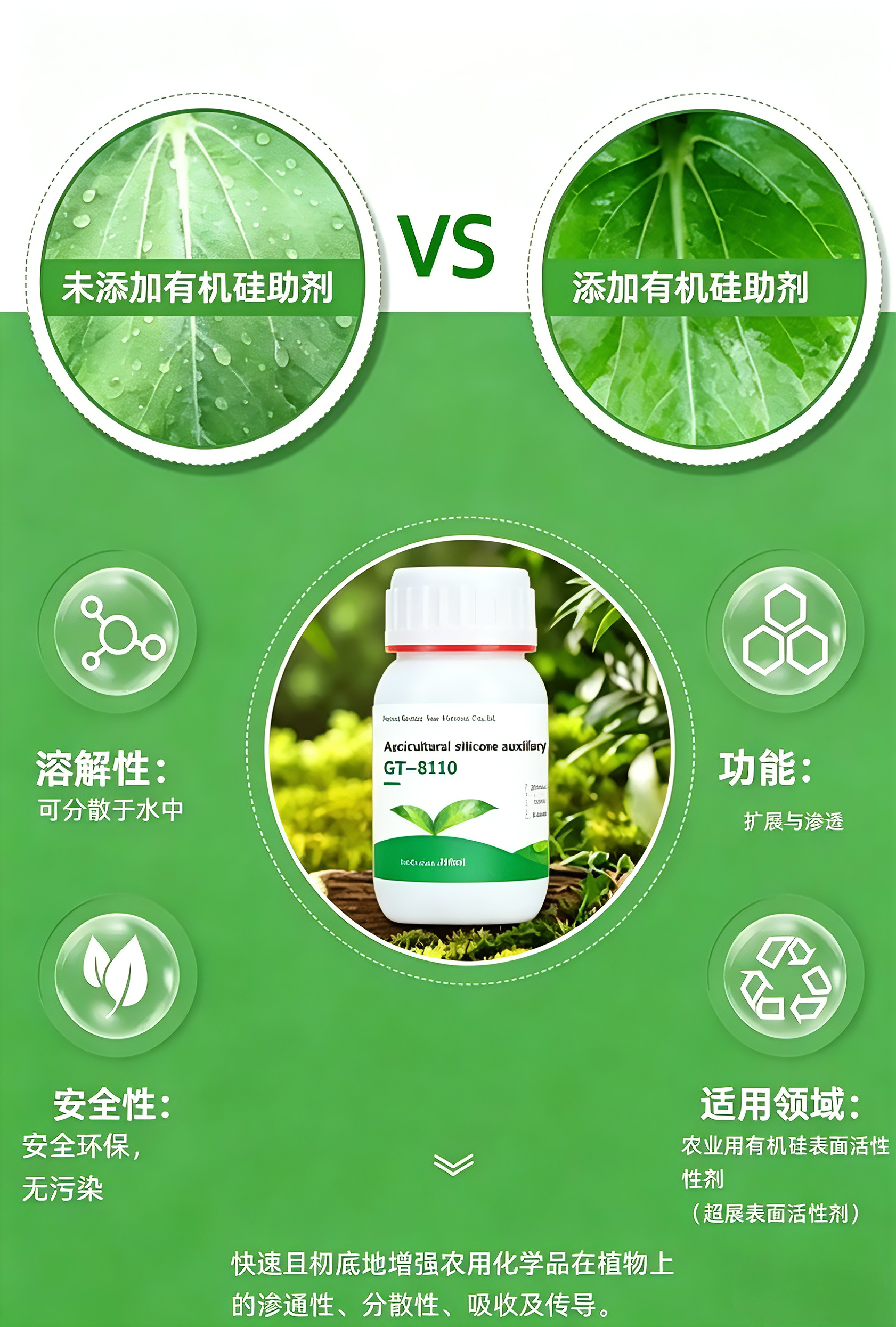
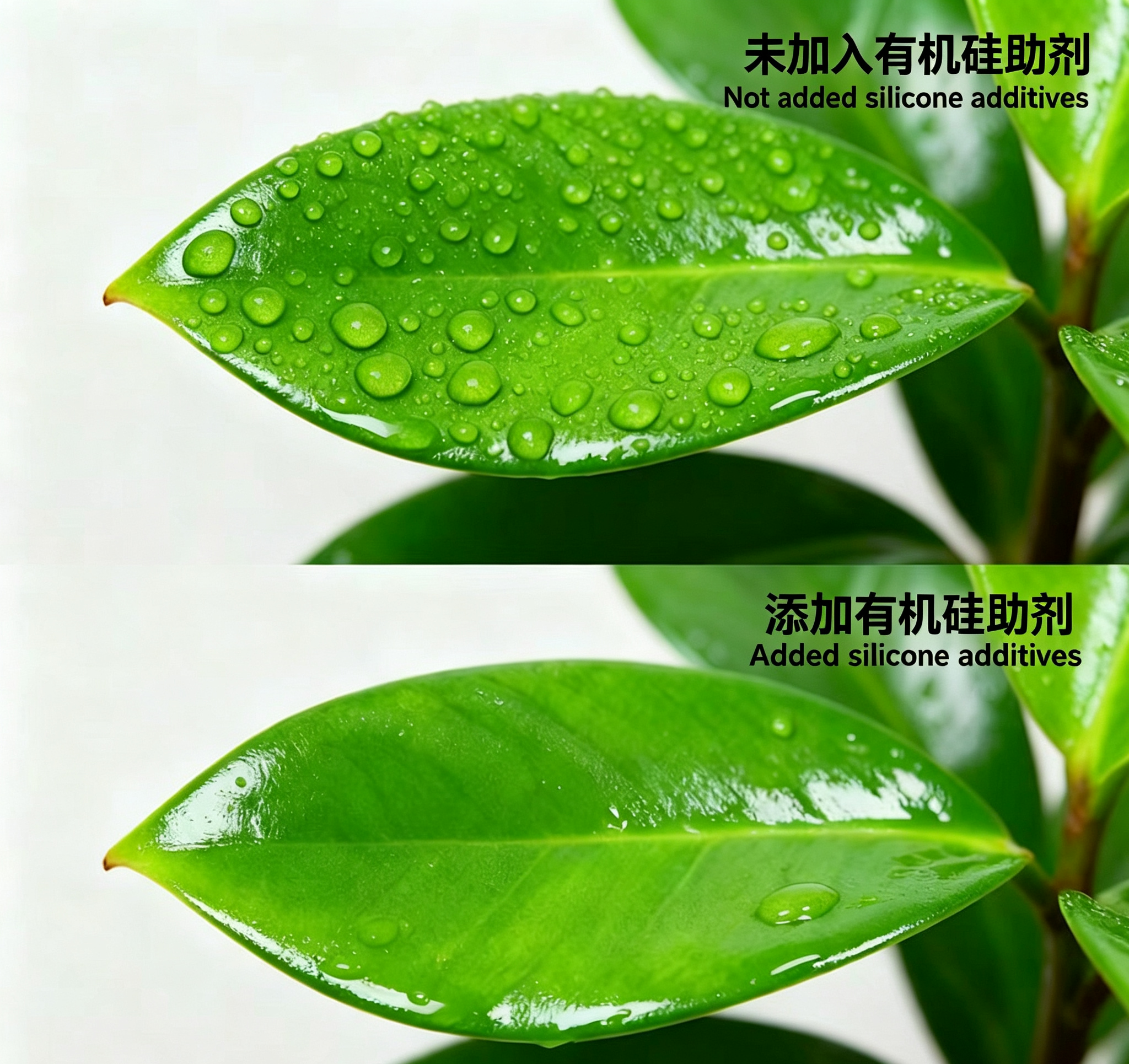
Persistence refers to the length of time that a pesticide remains effective after application. Organosilicone adjuvants improve persistence by enhancing the spreading and wetting characteristics of pesticide droplets on plant surfaces. When pesticides spread more evenly, they form a thin, consistent layer that is less likely to be disturbed by environmental factors such as rain or irrigation. By improving the uniformity of pesticide coverage, organosilicone adjuvants contribute to a more persistent effect that ensures pest control over a prolonged period. Additionally, these adjuvants can help the pesticide penetrate plant surfaces more efficiently, allowing the active ingredients to remain effective within plant tissues for longer durations.
Resistance to Environmental Factors
One of the key challenges in pesticide application is the effect of environmental conditions on pesticide performance. Factors such as rain, humidity, and temperature fluctuations can significantly reduce the effectiveness of pesticides. Organosilicone adjuvants improve the resistance of pesticides to these environmental conditions. They create a more robust bond between the pesticide and the plant, making it harder for external factors to remove or degrade the pesticide. This enhanced resistance allows the pesticide to maintain its efficacy for a longer period, reducing the need for frequent reapplications and improving the overall effectiveness of pest management strategies.
Benefits of Organosilicone Adjuvants in Pesticide Durability and Persistence
| Benefit |
Impact |
| Enhanced adhesion |
Improves the bond between pesticide and plant surfaces, reducing wash-off due to rain or irrigation. |
| Increased spreading |
Ensures even coverage of the pesticide, leading to more consistent effectiveness and prolonged pest control. |
| Improved persistence |
Reduces the rate at which pesticides degrade or evaporate, ensuring longer-lasting pest control. |
| Enhanced resistance to environmental factors |
Protects pesticides from environmental challenges, such as temperature fluctuations and rainfall, ensuring prolonged effectiveness. |
Effect of Organosilicone Adjuvants on Pesticide Application Frequency
One of the key advantages of using organosilicone adjuvants is their ability to reduce the frequency of pesticide applications. By improving the durability and persistence of the pesticide, these adjuvants help ensure that a single application remains effective for a longer period. This not only reduces the number of applications needed but also contributes to a more sustainable approach to pest management. Fewer applications translate to reduced pesticide use, which can lower costs and minimize environmental impact. Additionally, the prolonged effectiveness of pesticides allows farmers to better plan their crop protection strategies, leading to more efficient resource management.
FAQ
Q: How do agricultural organosilicone adjuvants enhance pesticide effectiveness?
A: Agricultural organosilicone adjuvants improve the effectiveness of pesticides by enhancing their spreading, wetting, and adhesion properties. This allows for more uniform coverage on plant surfaces, ensuring that the pesticide remains in place longer and is better absorbed, leading to more effective pest control.
Q: What benefits do organosilicone adjuvants offer in challenging weather conditions?
A: Organosilicone adjuvants help improve pesticide performance in challenging weather conditions, such as rain or high humidity, by enhancing the adhesion of pesticides to plant surfaces. This reduces wash-off and ensures that the pesticide remains active longer, providing more consistent pest control even in adverse conditions.
Q: Can agricultural organosilicone adjuvants reduce the need for frequent pesticide applications?
A: Yes, by improving the persistence and durability of pesticides, agricultural organosilicone adjuvants help extend the period during which the pesticide remains effective. This reduces the need for frequent reapplications, leading to cost savings and more sustainable pesticide use.
Q: How do organosilicone adjuvants improve pesticide absorption into plant tissues?
A: Organosilicone adjuvants facilitate better penetration of pesticides into plant tissues by reducing surface tension and improving the spreading of pesticide droplets. This allows the active ingredients in pesticides to be absorbed more effectively, enhancing their impact on pests.
Q: Are there any environmental benefits associated with using agricultural organosilicone adjuvants?
A: Yes, agricultural organosilicone adjuvants contribute to environmental sustainability by reducing pesticide usage. By increasing the effectiveness and persistence of pesticides, these adjuvants minimize the need for multiple applications, helping to reduce chemical runoff and the overall environmental impact.
Q: Do organosilicone adjuvants work with all types of pesticides?
A: Organosilicone adjuvants are highly versatile and can improve the performance of a wide range of pesticides, including herbicides, fungicides, and insecticides. However, it is always advisable to check compatibility with specific formulations to ensure optimal performance.
Q: Can organosilicone adjuvants be used in both conventional and organic farming?
A: While organosilicone adjuvants are commonly used in conventional farming, their use in organic farming is subject to certification and regulatory guidelines. It is important to verify the product's compliance with organic standards before use in organic systems.
Q: What role do organosilicone adjuvants play in improving pesticide rainfastness?
A: Organosilicone adjuvants improve rainfastness by enhancing the adhesion of pesticides to plant surfaces. This prevents the pesticide from being washed off by rain shortly after application, ensuring that the pesticide remains effective for a longer period, even in wet conditions.


 English
  Français
  Português