

 English
 Français
 Português

 Home / News / Industry News / Agricultural Adjuvants in Pesticide Sprays: What They Are and Why Add Them
Agricultural Adjuvants in Pesticide Sprays: What They Are and Why Add Them
2026-10-28
An agricultural adjuvant is a substance added to a pesticide spray tank to change the physical or chemical behavior of the spray solution. It is not a pesticide itself, but it is often the difference between a spray that beads up and rolls off the leaf and one that spreads evenly, dries slowly, and delivers the active ingredient to the target. In short, adjuvants are added to solve a specific spray problem: poor wetting, poor penetration, rapid evaporation, drift, or incompatibility in the tank.
The practical consequence is simple: with the right adjuvant, a grower can use less pesticide and still get more consistent control. That is why agricultural adjuvants have moved from an optional tank-mix extra to a standard tool in modern crop protection.
What Exactly Is an Agricultural Adjuvant?
An agricultural adjuvant is any product that is not a pesticide active ingredient but is added to the spray tank or included in the formulation to improve performance. The term covers a wide range of chemistries, from simple crop oils to sophisticated silicone-based surfactants. The common thread is that the adjuvant changes how the spray behaves rather than directly killing the target pest.
For practical purposes, adjuvants can be divided into two functional groups.
| Adjuvant group | Primary function | Typical examples | Why it is added |
|---|---|---|---|
| Activator adjuvants | Increase pesticide uptake or biological activity | Organosilicone surfactants, non-ionic surfactants, crop oil concentrates, penetrants | To lower surface tension, improve spreading, or help the active ingredient pass into the plant or pest |
| Utility adjuvants | Improve spray solution properties and application safety | pH buffers, defoamers, drift retardants, compatibilizers, deposition aids | To manage water quality, foam, drift, mixing problems, or droplet capture |
Silicone-based adjuvants are a special class of activator chemistry. They do much more than wet a leaf surface; they create super-spreading films that move into waxy grooves, petiole angles, and insect shelters. Because of this, they are among the most widely used agricultural adjuvants in row crops, orchards, and aerial spraying programs.
Why Is an Adjuvant Added to Pesticide Spray?
An adjuvant is added to solve a measurable problem. Spray water is not a neutral carrier. It contains salts, pH extremes, and temperatures that affect the pesticide. The leaf surface is often designed to repel water, with waxes, hairs, or the natural geometry of the crop. These barriers are why a simple water-pesticide mixture often performs below its potential.
Four main reasons to add an adjuvant
More even spreading
Waxy or hairy leaves cause water droplets to stay as balls. A silicone surfactant spreads the solution into a thin film, covering a larger area with less product.
Faster penetration
Systemic pesticides need to move through cuticles or insect membranes. Penetrating adjuvants help the active ingredient cross these barriers.
Better retention
Rain, wind, and leaf angle can remove spray deposits. Stickers and deposition agents keep more pesticide where it lands.
Less drift and evaporation
Small droplets can drift to nearby fields or dry out before they hit the crop. Drift retardants and aerial-specific adjuvants reduce these losses.
One adjuvant can address several of these problems at once. A modern silicone-based tank-mix adjuvant, for example, improves spreading, penetration, and deposition in a single product. But the results depend on the crop, water quality, and application method, so the choice should never be made by habit alone.
The Chemistry Behind the Addition: How Silicone-Based Adjuvants Work
The reason silicone adjuvants are so valuable starts with surface tension. Water has a surface tension around 72 mN/m. A typical non-ionic surfactant may reduce that to about 30 mN/m. A well-designed organosilicone surfactant can push it to roughly 21 mN/m. That change is not just a number; it changes the shape of the droplet and the way the liquid contacts the leaf.
Surface tension of spray solutions
Low surface tension leads to a low contact angle. On waxy leaves, plain water can form a droplet with a contact angle between 80 and 110 degrees. A conventional surfactant may bring it down to 40 to 60 degrees. A super-spreading silicone adjuvant can bring it close to zero, which means the liquid flows across the leaf instead of staying in drops. The practical effect is that the same volume of spray covers many times more leaf area.
Because of this high efficiency, organosilicone adjuvants are often used at very low rates: 0.02 to 0.1 percent volume/volume in the finished spray solution. They do not rely on high loadings to work. This is an important difference compared with crop oils or traditional non-ionic surfactants, which usually need much higher concentrations to achieve moderate wetting.
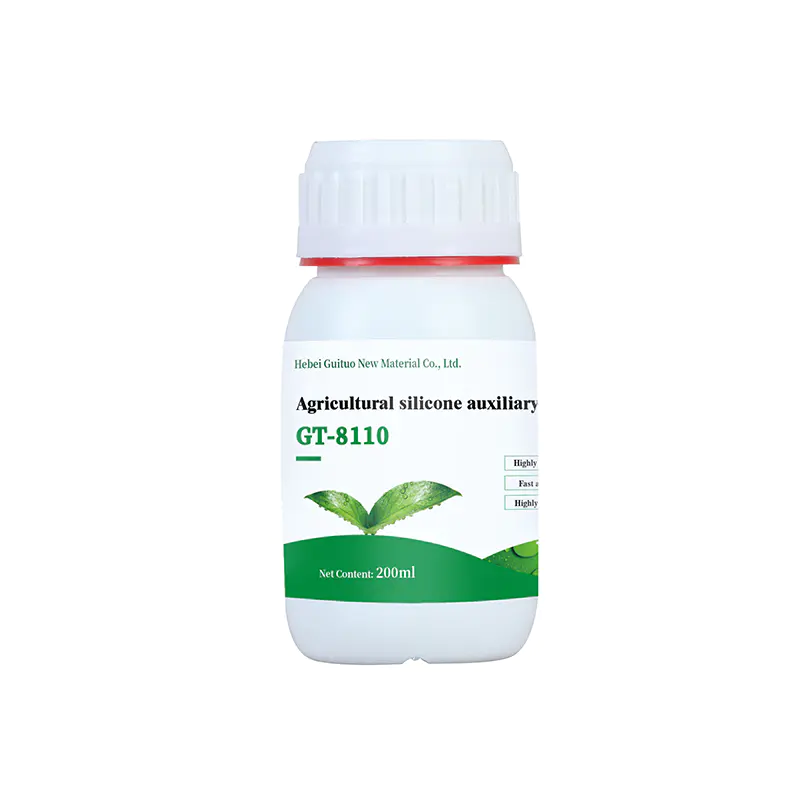
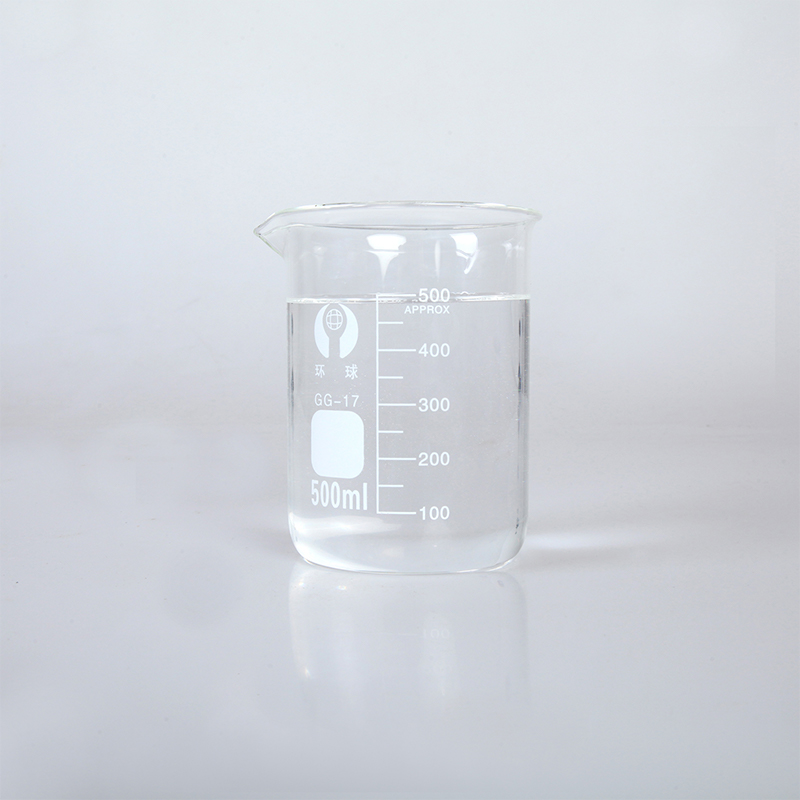 Organosilicone Surfactant for Efficient Pesticide SpreadingThis adjuvant works at very low concentrations to improve wetting and penetration, making it ideal for systemic pesticides when applied carefully to avoid heat stress.View Product →
The same chemistry also affects the active ingredient. When a droplet spreads into a thin film, the pesticide has more contact with the target and less is lost in runoff. Some organosilicone adjuvants also promote stomatal infiltration, allowing a portion of the droplet to move into the leaf through natural openings. This is valuable for systemic products, but it also means the user must respect the dose and avoid spraying under heat stress that could cause phytotoxicity.
Types of Agricultural Adjuvants and Their Functions at a Glance
Choosing an adjuvant is easier when the different roles are clear. Each type has a specific job in the tank, and many are designed to work together. The table below gives a practical overview of the main categories.
| Adjuvant type | Primary function | Typical use |
|---|---|---|
| Organosilicone surfactant | Lower surface tension, create ultra-spreading films | Waxy leaves, systemic products, low-volume sprays |
| Non-ionic surfactant | General wetting and spreading | Post-emergence herbicides, foliar sprays |
| Crop oil concentrate | Improve penetration of oily cuticles | Contact herbicides, insecticide sprays |
| Penetrant | Carry active ingredients through membranes | Systemic fungicides, insecticides |
| Sticker | Bind residues to the leaf surface | Rainy climates, high irrigation |
| Deposition aid | Improve droplet capture on the target | Aerial, drone, or high-speed ground spraying |
| Humectant | Slow down droplet drying | Hot, dry weather |
| pH buffer or acidifier | Maintain spray solution stability | Alkaline water, hydrolysis-prone products |
| Defoamer | Control foam in the tank | High-foam tank mixes, aerial loads |
| Drift retardant | Increase droplet size and reduce drift | Applications near sensitive areas |
| Compatibility agent | Keep multiple products in one stable solution | Complex tank mixes with fertilizers and pesticides |
Many commercial adjuvants combine several functions in one product. That is especially common in silicone-based agricultural adjuvants, which can act as a wetting agent, penetrant, and deposition aid at the same time. The key is to read the label and identify the main function you are paying for.
Key Factors to Consider Before Adding an Adjuvant to the Tank
An effective adjuvant program starts with the target and the environment, not with the adjuvant label. The first question is what limits performance: leaf wetting, droplet retention, penetration, drift, or water quality. Once the limiting factor is clear, the correct product becomes easier to choose.
- Leaf surface. Waxy leaves such as citrus, brassicas, or onion foliage usually need a strong spreading agent. Hairy leaves such as tomato or soybean may trap droplets but still need a surfactant to reach the surface.
- Target and pesticide type. Contact products benefit from even coverage; systemic products benefit from penetration. If the target pest is hidden in folds or under leaves, a super-spreading adjuvant helps the spray find it.
- Water quality. Hard water rich in calcium or magnesium ions can reduce the activity of some pesticides and herbicides. A water conditioner or chelating agent may be the most important addition.
- Application equipment. Low-volume aerial and drone spraying create different droplet spectra than high-volume ground rigs. Drift retardants and deposition aids are usually needed in aerial work.
- Tank mix complexity. When fertilizers, nutrients, and several pesticides are mixed, a compatibility agent keeps the solution stable. Adjuvants with strong ionic charge should be mixed carefully.
- Weather and timing. High temperature, low humidity, and wind speed affect evaporation and drift. A humectant or anti-evaporant can help in dry conditions.
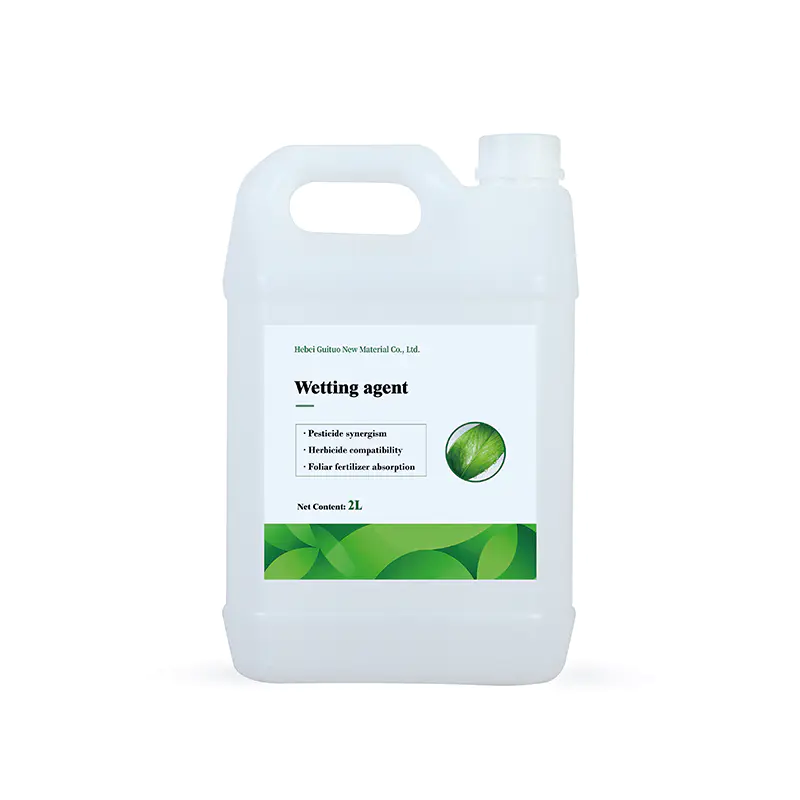
For a crop-by-crop guide to matching the adjuvant to the leaf surface and application method, see this crop-specific spray adjuvant selection guide. If the main challenge is a waxy or difficult-to-wet leaf, a super-spreading silicone wetting agent is often the fastest solution.
Dosing and Tank-Mix Compatibility: Practical Rules
The most common cause of adjuvant failure is incorrect dosing. Too little gives poor spreading; too much can cause runoff, phytotoxicity, or excessive foaming. For silicone-based adjuvants, the working range is typically 0.02 to 0.1 percent volume/volume, which equals roughly 20 to 100 milliliters per 100 liters of water. Some specialty products use different rates, so the specific label always takes priority.
| Adjuvant type | Typical rate | Approximate amount per 100 L water |
|---|---|---|
| Organosilicone surfactant | 0.02% to 0.1% v/v | 20 to 100 mL |
| Non-ionic surfactant | 0.1% to 0.5% v/v | 100 to 500 mL |
| Crop oil concentrate | 0.5% to 2% v/v | 0.5 to 2 L |
| Drift retardant | 0.25% to 1% v/v | 250 mL to 1 L |
| Defoamer | 0.05% to 0.2% v/v | 50 to 200 mL or as needed |
These rates are starting points. The optimum depends on the pesticide, crop stage, water quality, and weather. Always check the compatibility before mixing the full load.
Tank mixing order
The sequence can prevent or create problems. A general practice is:
- Fill the tank with clean water to half to two-thirds.
- Add water conditioners or pH adjusters if needed.
- Add dry formulations such as wettable powders and water-dispersible granules while agitating.
- Add liquid products, suspension concentrates, and fertilizers.
- Add the adjuvant near the end, after most products are dispersed.
- Top up the tank and keep agitation running until the spray job is complete.
This sequence reduces the chance of foaming, clumping, or separating. For complex tank mixes with high loading, a purpose-built product can make a significant difference.
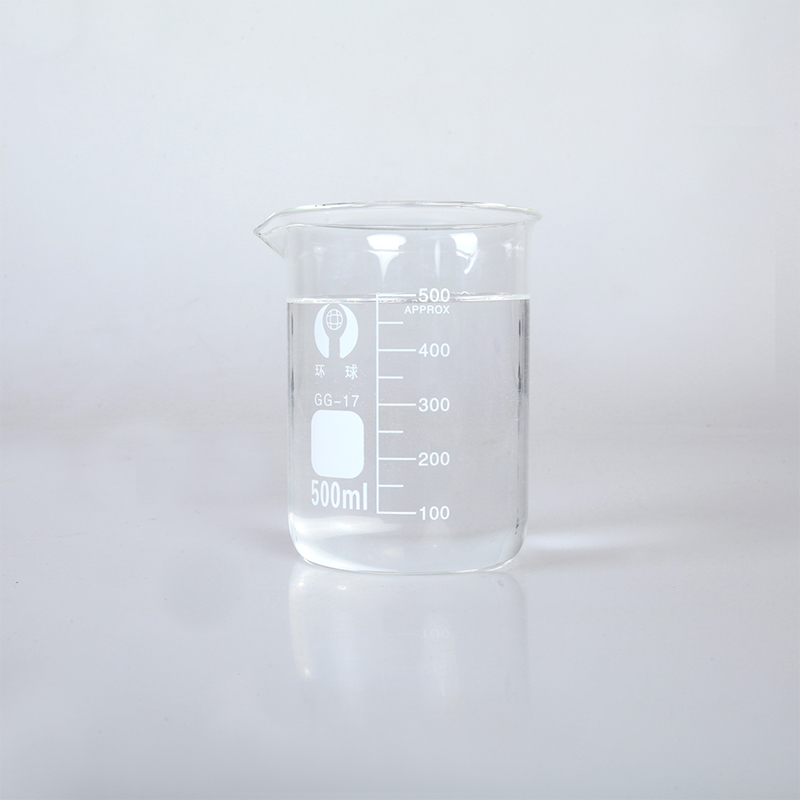 High-Performance Drum-Mix Adjuvant for Complex Tank MixesDesigned for demanding combinations of pesticides and fertilizers, this adjuvant maintains emulsion stability and prevents separation, ensuring reliable performance in high-loading scenarios.View Product →
If you frequently combine several pesticides and fertilizers in one tank, the mixing order and the adjuvant choice need to be planned together. A high-performance tank-mix adjuvant is designed to handle these demanding conditions without breaking down the emulsion.
Application-Specific Adjuvants: From Aerial Spraying to High-Load Formulations
Adjuvant needs change with the application method. A ground sprayer using 200 liters of water per hectare creates large droplets that have time to hit the canopy. A drone or helicopter using low water volumes creates smaller droplets that must cover the same area with less liquid. The risk of drift and evaporation is much higher, and the adjuvant needs to compensate.
Aerial-specific adjuvants usually combine several functions: they lower surface tension to keep the droplet small enough to stick to leaves, control droplet size to prevent drift, and slow evaporation so the active ingredient does not dry before the spray reaches the crop. Even a good pesticide formulation can fail without this protection.
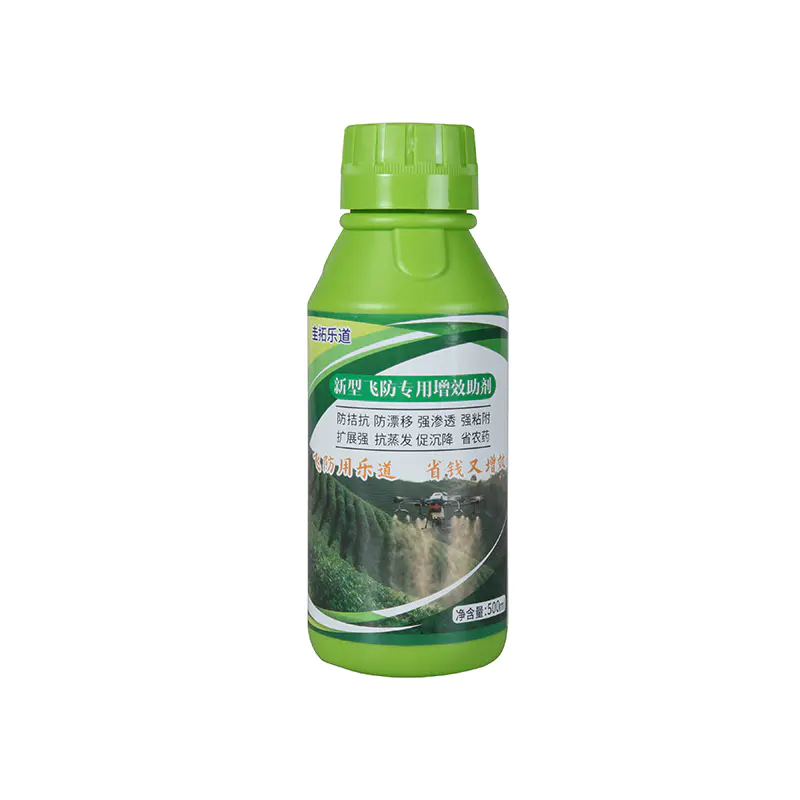
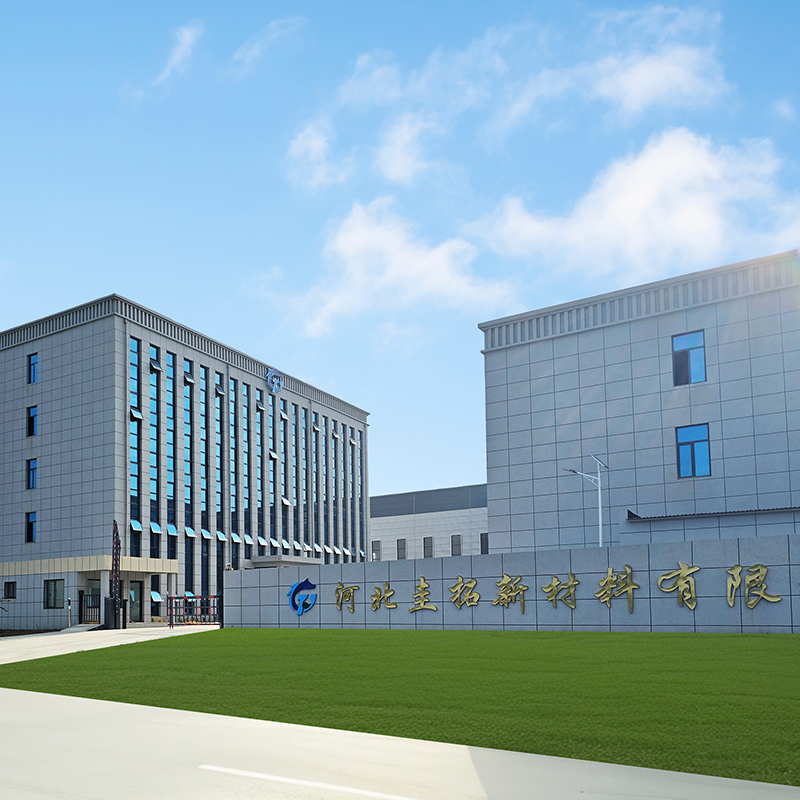 Aerial Spraying Adjuvant for Drift Control and Evaporation ReductionThis specialized additive enhances droplet adhesion, slows drying, and reduces drift, improving pesticide utilization by up to 50%—critical for hot, dry aerial application conditions.View Product →
New high-efficiency aerial spraying enhancing adjuvants are formulated with these conditions in mind. They are especially useful in hot, dry regions where spray droplets disappear quickly.
Miticide and insecticide programs
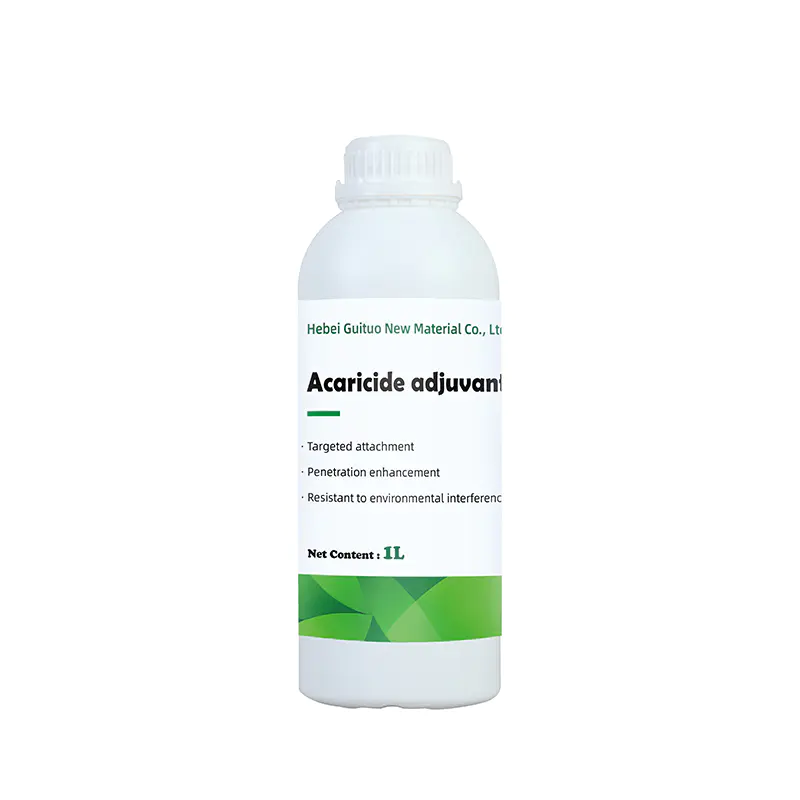
Mites and small insects are difficult to hit because they hide in sheltered parts of the plant. The spray needs to spread into lateral buds and under leaves. Some agrochemical programs use a dedicated miticide adjuvant to improve coverage and contact with the pest. This is different from a general wetting agent because it is designed to work with dense plant structures.
How Agricultural Adjuvants Affect Spray Quality and Biological Efficacy
Spray quality is the bridge between the adjuvant and the pest-control result. Two sprays can carry the same pesticide dose but produce very different results because of coverage, droplet size, and deposit quality. Adding a suitable adjuvant can change these parameters in a measurable way.
| Parameter | Water only | Water + conventional surfactant | Water + organosilicone adjuvant |
|---|---|---|---|
| Surface tension (mN/m) | About 72 | About 30 | About 21 |
| Contact angle on waxy leaf (degrees) | 80 to 110 | 40 to 60 | 0 to 10 |
| Spread diameter on a test leaf | Reference | 2 to 3 times reference | 8 to 12 times reference |
| Rainfastness after light rain | Poor | Moderate | Improved |
The numbers show why silicone adjuvants are attractive for difficult targets. When the spray covers a larger leaf fraction, the active ingredient has more opportunities to contact the pest. In practice, this can allow the applicator to reduce the pesticide rate or reduce the water volume while still maintaining the same biological response.
The same spreading power also creates a warning. Strong wetting can damage young or heat-stressed tissue more easily, especially when an adjuvant is used with a contact product. The label rate exists for a reason; increasing the concentration to improve control often produces the opposite result.
Frequently Asked Questions About Agricultural Adjuvants
Is an agricultural adjuvant a pesticide?
No. An adjuvant is not formulated to control a pest directly. It changes the physical or chemical behavior of the spray solution, for example by improving spreading, sticking, or penetration. It may still be regulated, and the label of the pesticide should be checked before any extra product is added.
Do I need an adjuvant with every pesticide?
Not always. Many pesticide formulations already contain built-in adjuvants. If the label states that no additional adjuvant is needed, adding one could change the spray characteristics and cause safety or performance problems. When in doubt, run a small jar test or check with your advisor.
Can I mix several adjuvants together?
It depends on the products. Some combinations, such as a wetting agent plus a drift retardant, are common in aerial work. Others may cause precipitation or strong foaming. A simple compatibility test with the actual water and products will show whether the mixture stays uniform.
Can too much adjuvant damage the crop?
Yes. Overdosing can cause excessive wetting, leaf burn, reduced droplet retention, and runoff. Low rates of silicone adjuvants are usually enough because they are so efficient at spreading. Always follow the product label and use the lowest effective rate for the situation.
What is the difference between a wetting agent and a penetrant?
A wetting agent reduces surface tension so the liquid spreads over the leaf. A penetrant helps the active ingredient move through the cuticle or membrane. Many silicone-based agricultural adjuvants combine both actions, which is why they are used with systemic products.
When should I add the adjuvant to the spray tank?
In most programs, the adjuvant is added after the main pesticide products are dispersed, while the tank is half to two-thirds full. This prevents excessive foaming and helps keep the adjuvant evenly distributed. The product label is the final reference.
What to Look for in a Silicone Agricultural Adjuvant Supplier
Adjuvant performance depends on consistent chemistry. A supplier without production control can deliver a product that looks the same but spreads differently from batch to batch. For a crop protection program, that inconsistency is expensive because it changes spraying results across the season.
- Consistent technical specifications: viscosity, active silicone content, cloud point, surface tension, and foam profile.
- Access to a testing laboratory and batch analysis data.
- Clear guidance on mixing order, dosage, and crop-specific limitations.
- The ability to adjust the formulation for different water hardness values or application methods.
- Experience with international quality requirements and export packaging.
- OEM and ODM support when you need to build the adjuvant into your own product line.
Companies that combine silicone production with agricultural formulation experience are better positioned to support these needs. Hebei Guituo New Material Co., Ltd., for example, operates in-house R&D and production facilities and supplies agricultural silicone synergists to both domestic and international markets. This setup allows faster feedback when an adjuvant behaves differently under local conditions.
If you are selecting an adjuvant for a commercial spray program, ask for a technical data sheet, a representative sample, and a documented batch test. Then run a small trial on the target crop before scaling up. That small step saves most of the problems that appear later in the season.

Contact Information
Tel : +86-400-138-5268
Email : [email protected]
Phone : +86-15128434888 / +86-13511051998
Add : Xinqiao Environmental Protection Industrial Park, Wen'an County, Langfang City, Hebei Province, China
Contact Information
Copyright © Hebei Guituo New Material Co., Ltd. All Rights Reserved.
