

 English
 Français
 Português

 Home / News / Industry News / Organosilicone vs Nonionic Surfactant: Key Differences for Spray Applications
Organosilicone vs Nonionic Surfactant: Key Differences for Spray Applications
2026-10-26
What Is the Difference Between Organosilicone and Nonionic Surfactant?
The fastest way to understand the difference is to measure surface tension. Clean water has a surface tension of about 72 mN/m. A standard nonionic surfactant lowers it to roughly 40 to 50 mN/m, which is enough to wet many leaf surfaces. An organosilicone surfactant, on the other hand, can lower it to 21 to 25 mN/m, which is close to the lowest value possible for a water-based spray.
That difference may sound small, but it changes the entire behavior of the spray droplet. A droplet with surface tension around 45 mN/m stays more rounded and spreads only slightly on a waxy leaf. A droplet with surface tension around 22 mN/m collapses quickly and spreads into a thin film. That is why organosilicone surfactants are often called super spreaders and why they are used at much lower rates than conventional nonionic surfactants.
In practical terms, many organosilicone products are also nonionic because they do not ionize in water. However, they are not the same as traditional nonionic surfactants. The silicone backbone creates a different molecular shape and a much stronger tendency to penetrate stomata and cuticular wax.
Nonionic Surfactant
No ionic charge; common agricultural adjuvant; good wetting and emulsifying; typical use rates from 0.25% to 1% v/v.
Organosilicone Surfactant
Trisiloxane-based; extremely low surface tension; fast spreading and stomatal penetration; typical use rates from 0.025% to 0.1% v/v.
Key Difference
Spreading power and penetration speed. Organosilicone spreads further and penetrates faster, but needs careful rate control.
| Property | Nonionic surfactant | Organosilicone surfactant |
|---|---|---|
| Surface tension range | 40 to 50 mN/m | 21 to 25 mN/m |
| Typical use rate | 0.25% to 1% v/v | 0.025% to 0.1% v/v |
| Leaf wetting | Moderate | Very high |
| Spreading area | 2 to 5 times larger than water | 10 to 20 times larger than water |
| Rainfastness | Moderate | Fast if the product penetrates quickly |
| Crop safety | Broad and forgiving | Risk of phytotoxicity under heat or high rates |
What Is a Nonionic Surfactant?
Nonionic surfactants are surface-active molecules that carry no positive or negative charge in solution. The typical molecule has a hydrophobic tail, usually a fatty alcohol or alkyl phenol, and a hydrophilic head made from ethylene oxide units. Because there is no electrical charge, these surfactants do not react strongly with calcium and magnesium ions in hard water.
In crop protection, nonionic surfactants are used to improve droplet wetting and spreading on leaves. They can also help emulsify tank mix ingredients, keep spray suspensions stable, and reduce the surface tension just enough for the product to remain on the leaf. They are among the most common adjuvants listed on pesticide labels, and they are compatible with a wide range of herbicides, fungicides, insecticides, and plant growth regulators.
Common Functions in the Spray Tank
- Lower surface tension to allow wetting of leaves.
- Improve the stability of emulsions and suspensions.
- Help spray droplets form a more even deposit.
- Reduce runoff on moderately waxy leaves.
- Provide a reliable, low-risk option for many different crops.
Limitations of Nonionic Surfactants
A conventional nonionic surfactant can only lower the surface tension to a limited level because the hydrophobic part of the molecule is a carbon chain. On highly waxy leaves, such as cereal or onion leaves, droplets may still bead up and roll off. The surfactant also has limited ability to carry the active ingredient through stomata.
What Is an Organosilicone Surfactant?
Organosilicone surfactants belong to a different chemistry family. Instead of a carbon-chain hydrophobic tail, they contain a silicone backbone, often a trisiloxane group, with polyether chains attached to make the molecule water-soluble. This structure gives the surfactant an unusual ability to orient itself at the water surface and reduce surface tension far below what conventional nonionic surfactants can achieve.
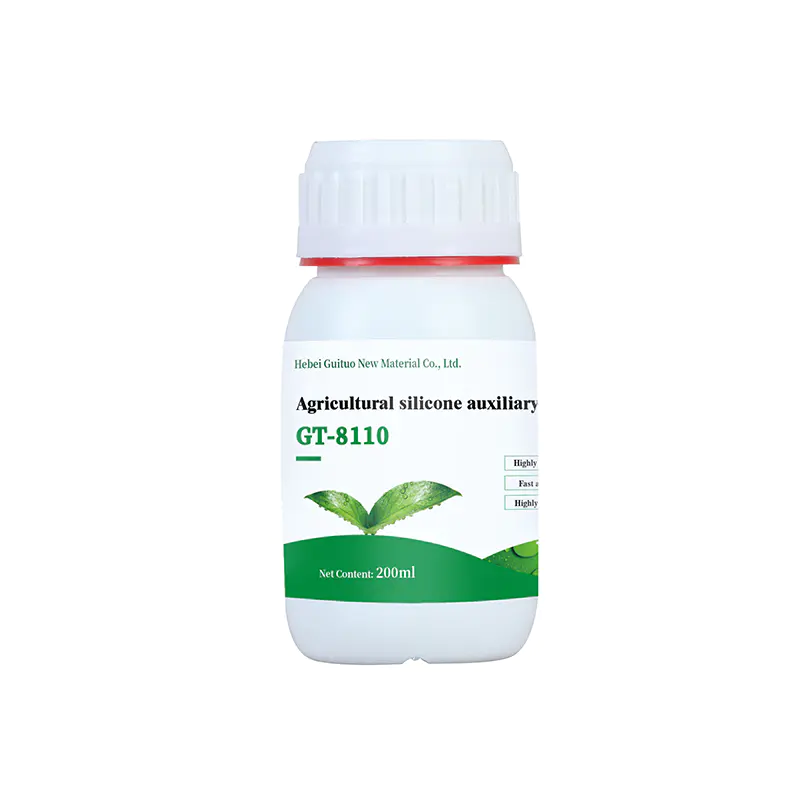
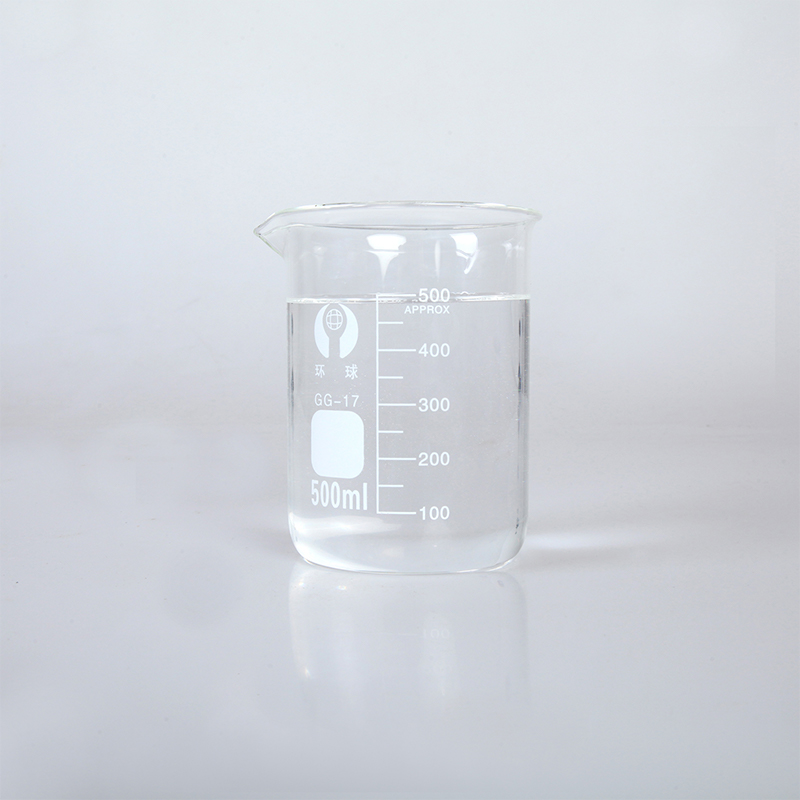 Organosilicone Surfactant for Superior Spreading and WettingThis surfactant reduces surface tension dramatically, enabling droplets to spread over waxy leaves several times wider, enhancing coverage for contact pesticides and foliar fertilizers.View Product →
Because of this molecular architecture, an organosilicone surfactant spreads faster and over a larger area than a standard nonionic surfactant. On a waxy leaf, a droplet containing an organosilicone surfactant can cover several times more surface area than the same droplet without it. This is important for contact pesticides, miticides, fungicides, and foliar fertilizers that need to reach difficult areas of the plant.
Forms and Product Variations
Not all organosilicone products are the same. Some are formulated as pure organosilicone surfactants, while others are blends with nonionic or other co-surfactants. Some are designed for tank-mix use, some for aerial spraying, and some as built-in adjuvants in suspension concentrate or emulsifiable concentrate products.
- Agricultural organosilicone wetting agents for manual spraying.
- High-performance drum mix adjuvants for broadacre applications.
- Specialized adjuvants for drone and aerial spraying.
- Modified silicone fluids for foliar fertilizer programs.
The choice depends on spray volume, target leaf, and the product being applied. You can also review our organosilicone surfactant for pesticide spray to see how the active matter is controlled in a formulation.
How They Work: Surface Tension, Contact Angle, and Spreading
Surface tension and contact angle are the two numbers that separate organosilicone from nonionic surfactant in the field. Surface tension controls how much energy is required to stretch the liquid surface, and contact angle controls how a droplet sits on the leaf.
Water
72 mN/m
Nonionic
40 to 50 mN/m
Organosilicone
21 to 25 mN/m
The chart above is a simple illustration of the surface tension difference. A lower number means the liquid spreads more easily over waxy surfaces.
Contact Angle
Contact angle is the angle between the droplet surface and the leaf surface at the point of contact. A high contact angle means the droplet is spherical and likely to roll off. A low contact angle means the droplet is flat and spreads well. On a paraffin film or waxy leaf, a nonionic surfactant often gives a contact angle around 60 to 70 degrees, while a good organosilicone surfactant can produce a contact angle close to zero.
Spreading Area
Spread tests are one of the clearest ways to compare the two chemistries. In a typical laboratory test, a 1 microliter droplet is placed on a waxy surface and measured after a fixed time. A nonionic surfactant may spread to an area of about 10 to 20 square millimeters. An organosilicone surfactant can spread to 100 to 200 square millimeters or more under the same conditions. That is why organosilicone products are often called super spreaders.
Tank Mix Behavior, Compatibility, and Dose Rates
The difference in dose rate is one of the most practical points for a grower. Nonionic surfactants are typically used at 0.25% to 1% of the spray volume, or about 1 to 4 quarts per 100 gallons. Organosilicone surfactants are usually used at 0.025% to 0.1%, or about 0.1 to 0.5 pint per 100 gallons. Applying an organosilicone product at nonionic rates can produce excessive runoff and crop injury.
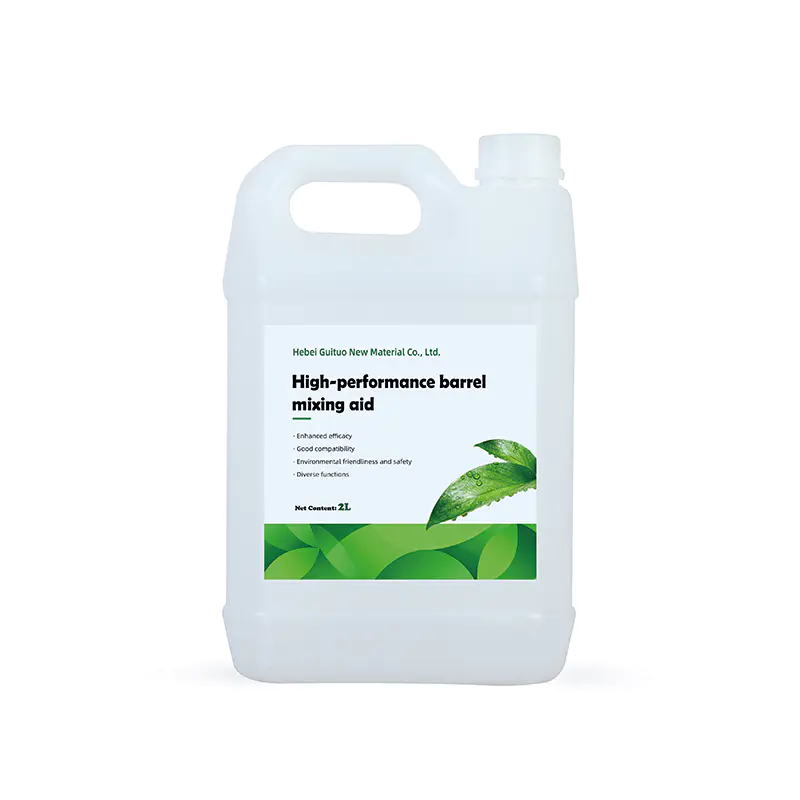
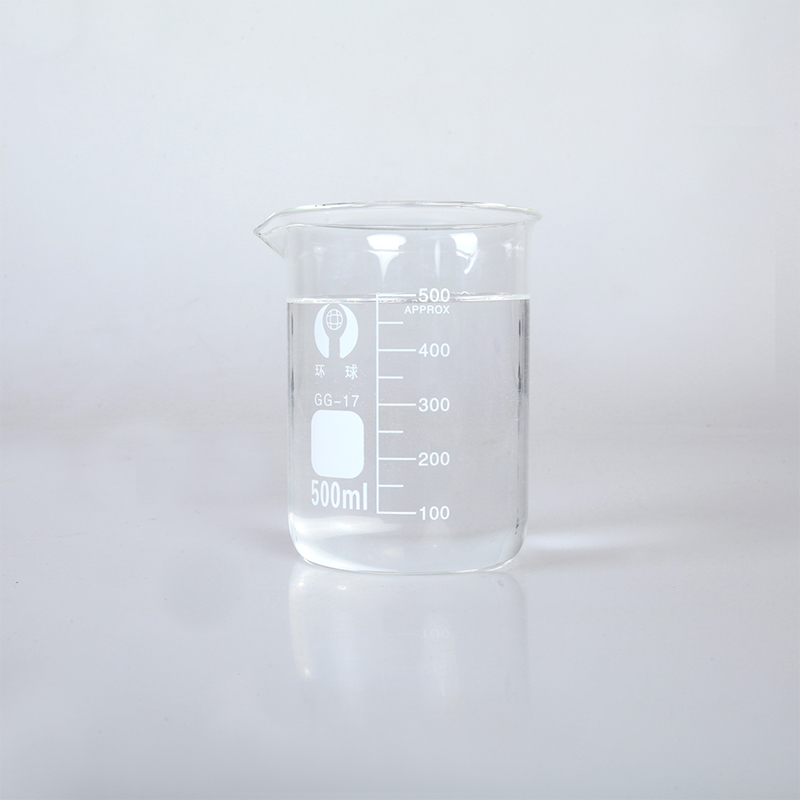 High-Performance Drum-Mix Adjuvant for Tank-Mix UseDesigned for direct tank mixing with pesticides, this adjuvant improves adhesion and penetration while offering broad compatibility, though lower dose rates than nonionics are advised.View Product →
Compatibility also differs. Nonionic surfactants are generally considered tolerant of hard water and work well with most pesticide formulations. Organosilicone surfactants are generally compatible as well, but they are more sensitive to very high rates, certain fertilizer salts, and some EC formulations. A jar test is recommended before a full tank is mixed.
Recommended Tank Mix Sequence
- Fill the tank halfway with clean water.
- Add the crop protection product first and mix well.
- Add any fertilizer or pH modifier if needed.
- Add the surfactant last.
- Stir for at least 5 to 10 minutes before filling the rest of the tank.
Always follow the pesticide label and the surfactant manufacturer's instruction when combining products.
Rainfastness, Stomatal Penetration, and Crop Safety
One of the main reasons growers choose organosilicone surfactants is faster uptake. The very low surface tension allows the droplet to enter stomata, the small pores on the leaf surface. Once the active ingredient gets inside the leaf tissue, it is less likely to be washed off by rain. This can shorten the rainfastness period from hours to minutes for some systemic products.
A nonionic surfactant will also improve leaf wetting and deposit, but it does not push the product through stomata in the same way. The result is usually slower absorption and a longer rainfastness interval. For a preventive fungicide that needs to remain on the leaf surface, this may be acceptable or even preferred.
When Stomatal Penetration Is a Risk
Fast stomatal entry is not always desirable. During hot, humid conditions, stomata are open and the leaf may absorb product very quickly. This can cause leaf edge burn, curled leaves, or reduced yields if the product is applied at a high rate. Nonionic surfactants are often safer for sensitive crops, and many labels recommend a nonionic or a blend when there is any doubt.
Field practice: start with the lowest labeled rate when switching from a nonionic to an organosilicone surfactant, especially during hot weather or on high-value crops.
Choosing the Right Surfactant for Your Spray Program
The right choice depends on the target, the crop, the product, and the weather. There is no single surfactant that is best for every spray, but a simple decision process can reduce the risk.
| Spray scenario | Recommended choice | Reason |
|---|---|---|
| Waxy or difficult-to-wet leaves | Organosilicone surfactant | Very low surface tension provides larger coverage. |
| Sensitive crops or hot conditions | Nonionic surfactant | Slower uptake and lower risk of phytotoxicity. |
| Systemic products needing fast uptake | Organosilicone surfactant | Improved stomatal penetration and rainfastness. |
| Contact products with limited movement | Nonionic or low-rate organosilicone | Need uniform leaf coverage without excessive runoff. |
| Drone or aerial application | Low-rate organosilicone adjuvant | High spread compensates for smaller droplet size and lower water volume. |
Waxy or Hairy Leaves
Plants such as onion, cabbage, rice, and many grass weeds have thick wax layers that repel water. A standard nonionic surfactant may not give enough coverage. An organosilicone surfactant is often more effective because it can spread over the wax and into the microscopic surface structure. On hairy leaves, however, the surfactant needs to reduce surface tension just enough to avoid runoff between the hairs; sometimes a blend is better than a pure organosilicone.
Systemic vs Contact Products
Systemic products can move into the plant and should benefit from faster penetration. Contact products need to stay on the surface to work. For contact products, an organosilicone surfactant at the correct rate can improve coverage without pulling the product into the leaf too quickly, but a nonionic surfactant is sometimes safer when the target is a pest that stays on the surface.
Aerial and Drone Application
Drone and aerial spraying usually use low water volumes and small droplets. An organosilicone adjuvant can increase the spread of each small droplet, making the most of the limited water. This is why we offer a dedicated aerial-spraying adjuvant for agricultural drones and fixed-wing aircraft.
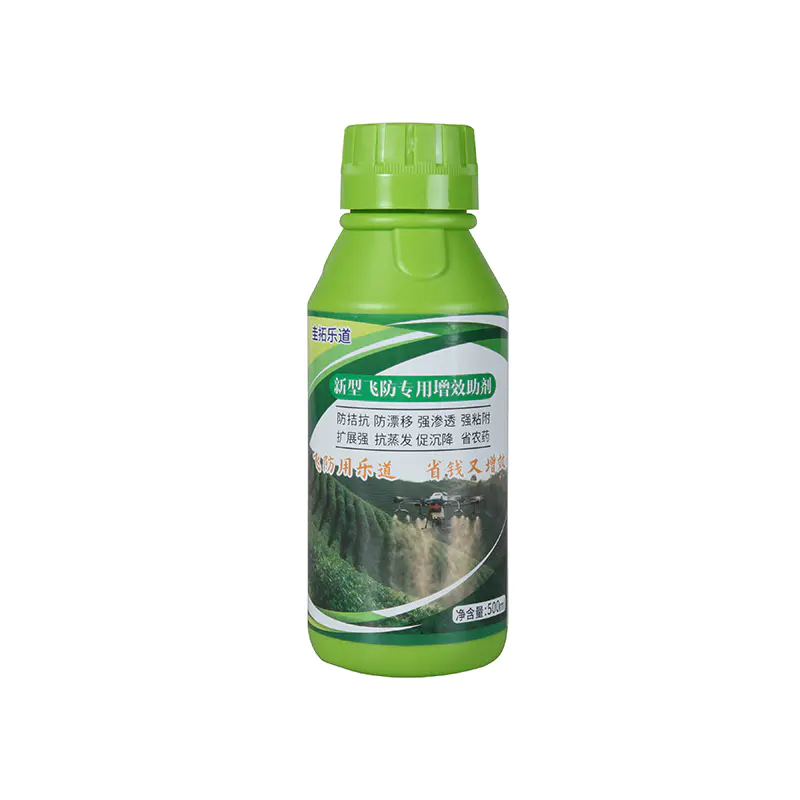
 Dedicated Aerial Spraying Adjuvant for Drones and AircraftFormulated for low-volume aerial applications, this adjuvant boosts droplet spread, reduces drift and evaporation, and can raise spray utilization by 30–50%.View Product →
For more background on how growers use these products, read our article on why growers choose organosilicone surfactants.
Cost per Acre: What Changes When You Switch
Although organosilicone surfactants often have a higher price per liter, the price per 100 gallons of spray solution is not always higher because the use rate is much lower. A nonionic surfactant dosed at 0.5% uses approximately 0.5 gallon of surfactant per 100 gallons. An organosilicone product dosed at 0.05% uses 0.05 gallon per 100 gallons. If the organosilicone price per gallon is 5 to 8 times higher than the NIS, the cost per tank can be similar or lower.
What Is Included in the Cost Comparison
- Surfactant purchase price.
- Use rate in the tank.
- Need for additional wetting agents.
- Crop injury risk and replacement cost.
- Re-spray cost after rain wash-off.
High spreading power does not always mean high total cost. The missing piece is always the recommended rate, not the price per liter.
Foam, Evaporation, and Spray Coverage
Foam formation is a practical concern in the spray tank. Nonionic surfactants can produce a layer of foam, especially when the water is cold or the tank is agitated strongly. Some organosilicone products generate less foam, but they can create a different problem: the spray solution may spread so well that droplets become very thin and evaporate quickly.
In low-volume spraying, especially with drones, this evaporation can be significant. An organosilicone adjuvant specifically designed for aerial work can balance spreading with a controlled drying time so the active ingredient has time to form a residue.
Water Quality Effects
Hard water can reduce the performance of some anionic surfactants, but nonionic and organosilicone surfactants are less affected. High levels of calcium, magnesium, iron, or bicarbonate can still change the pH and cause a formulation to break down. If the water source changes, run a quick compatibility test with the chosen surfactant before spraying a full field.
How to Read a Surfactant Label
Surfactant labels are not always clear. Terms like "nonionic surfactant" and "organosilicone surfactant" can be used loosely. Look for the main ingredient and the recommended rate range.
- If the label lists only "nonionic surfactant" and does not mention silicone, assume it is a conventional NIS.
- If the label says "organosilicone" or "trisiloxane", check whether it is a pure product or a blend.
- If the label states rate in percent or fluid ounces per acre, use that rate, not the rate from a different product.
- If the label says "super spreader", it is likely based on organosilicone chemistry and should be treated with care.
What a Manufacturer Looks for When Producing Surfactants
As a manufacturer of silicone materials, we see the difference between organosilicone and nonionic surfactant from the production side. A conventional nonionic surfactant can be made by reacting fatty alcohol with ethylene oxide. An organosilicone surfactant requires a different route: a silicone backbone must be modified with polyether groups, and the degree of modification must be controlled within a narrow range.
The result is that a small change in the silicone-to-polyether ratio can produce a very different wetting profile. That is why consistent quality matters more than the simple active ingredient percentage on a label.
Quality Parameters That Predict Field Performance
- Surface tension at the recommended use rate.
- Contact angle on waxy film.
- Foaming tendency in hard water.
- Cloud point and cold storage stability.
- Spreading area under controlled conditions.
- pH and moisture content in the final product.
- Compatibility with common agricultural fertilizers.
These tests are part of a routine quality control process. They help ensure that a drum delivered this month behaves the same as a drum delivered last month.
Custom Formulations and OEM/ODM Work
Many distributors and formulators need a product that fits their own application method or label claim. A dedicated production line allows us to adjust the surfactant concentration, add a formula stabilizer, or blend organosilicone with a nonionic co-surfactant to reduce the risk of crop injury. This is common in both agricultural and industrial markets.
Blends and Co-Formulated Products
There is also a middle group: organosilicone/nonionic blends. These combine the spreading power of a silicone surfactant with the safety and emulsifying properties of a conventional nonionic. Many commercial adjuvants are blends rather than pure molecules.
Blends are useful when a grower wants better coverage on waxy leaves but does not need maximum stomatal penetration. They also reduce the risk of crop injury on sensitive plants. Agricultural adjuvants are available in different ratios, from pure organosilicone to 50/50 blends with nonionic wetting agents.
Why a Blend Can Be Easier to Use
A blend provides a wider operating window. It still spreads well on difficult leaves, but the nonionic component slows down the absorption rate slightly. That creates a more forgiving product for hot weather or tank mix combinations that already contain another surfactant.
Storage and Handling Notes
Because organosilicone surfactants are based on silicone chemistry, they can be sensitive to extreme temperatures. Water-based formulations may need protection from freezing. Some products have a cloud point above which the solution turns milky; if this happens during spraying, the spreading performance can change.
Nonionic surfactants are often more stable over a wider temperature range, but they can also separate if stored cold. Always store drums indoors and rotate stock. If a surfactant is cloudy or layered after storage, shake or recirculate it before use and check whether it returns to a clear solution.
When to Avoid Organosilicone Surfactants
There are situations where a nonionic surfactant is the better choice even though an organosilicone spreads more widely. High temperatures, sensitive crops, very low spray volumes, and formulations that already contain silicone-based materials all mean cautious selection.
- Ornamentals and leafy vegetables under heat stress.
- Products with severe label restrictions against silicone-based adjuvants.
- Spray applications where runoff must be avoided.
- Cold weather or humid weather that keeps stomata open for a long time.
Testing Spray Coverage in Your Own Operation
Water-sensitive paper is a practical way to compare surfactants on your own farm. Place a few cards at different positions in the canopy, spray with your normal volume, and look at the coverage pattern. A nonionic surfactant will show droplets, while an organosilicone will often show larger round stains or a continuous film if the rate is high.
Another test is the leaf droplet test. Place a small droplet of spray solution on a waxy leaf that is common on your farm and watch how it behaves. If the droplet stays in a bead, increasing the surfactant rate may help. If the droplet spreads instantly, the current rate may already be at the upper limit.
Common Mistakes When Comparing Surfactants
Even experienced agronomists can confuse these two types if they only look at the active ingredient percentage. Here are the mistakes to avoid.
- Assuming all organosilicone products are the same. There are pure products, blends, and modified versions with different wetting speeds.
- Using organosilicone at a nonionic surfactant dose. The correct rate can be 5 to 10 times lower.
- Judging quality only by whether the product looks clear or cloudy. Appearance does not tell you the surface tension or the spreading area.
- Testing on glass slides instead of a waxy surface. Glass gives misleading contact angle results.
- Ignoring water hardness. Some organosilicone blends can be affected by high calcium or magnesium levels.
- Forgetting that temperature affects wetting. Cloud point matters when the tank water is warm.
Frequently Asked Questions
Is organosilicone the same as nonionic surfactant?
No. Many organosilicone surfactants are nonionic in charge, but their chemical backbone is silicone, not a carbon chain. That gives them much stronger spreading and stomatal penetration.
Can I mix organosilicone and nonionic surfactant together?
Sometimes. Some commercial organosilicone products are already blends. Mixing a pure organosilicone with a nonionic can be useful for sensitive crops, but rates must be checked before use.
Which surfactant is better for waxy leaves?
Organosilicone surfactant is normally better because it reduces surface tension below the threshold needed to wet a waxy layer. Nonionic surfactant may be enough for easier leaves or as a safety option.
How much organosilicone surfactant should I add per gallon?
Typical use rates are 0.025% to 0.1% of the spray volume. At 0.05%, that is about 0.13 fluid ounce per gallon. Always follow the product label because formulations vary.
Are organosilicone surfactants safe for all crops?
No. Crops under heat or moisture stress can be injured by fast stomatal uptake. The label and the crop safety instructions should be followed carefully.

Contact Information
Tel : +86-400-138-5268
Email : [email protected]
Phone : +86-15128434888 / +86-13511051998
Add : Xinqiao Environmental Protection Industrial Park, Wen'an County, Langfang City, Hebei Province, China
Contact Information
Copyright © Hebei Guituo New Material Co., Ltd. All Rights Reserved.
