

 English
  Français
  Português
 Home / News / Industry News / Why Is Agricultural Silicone Synergist Becoming the Ultimate Secret to Boosting Pesticide Efficiency
 Why Is Agricultural Silicone Synergist Becoming the Ultimate Secret to Boosting Pesticide Efficiency
2026-05-11
In modern agricultural management, improving the utilization rate of pesticides and fertilizers while reducing costs and environmental impact is a core focus for growers. Traditional spraying methods are often limited by the waxy layers, hairs of plant surfaces, and the surface tension of the liquid itself. This causes droplets to bounce or roll off, significantly reducing efficacy. The Agricultural Silicone Synergist has fundamentally transformed this process.
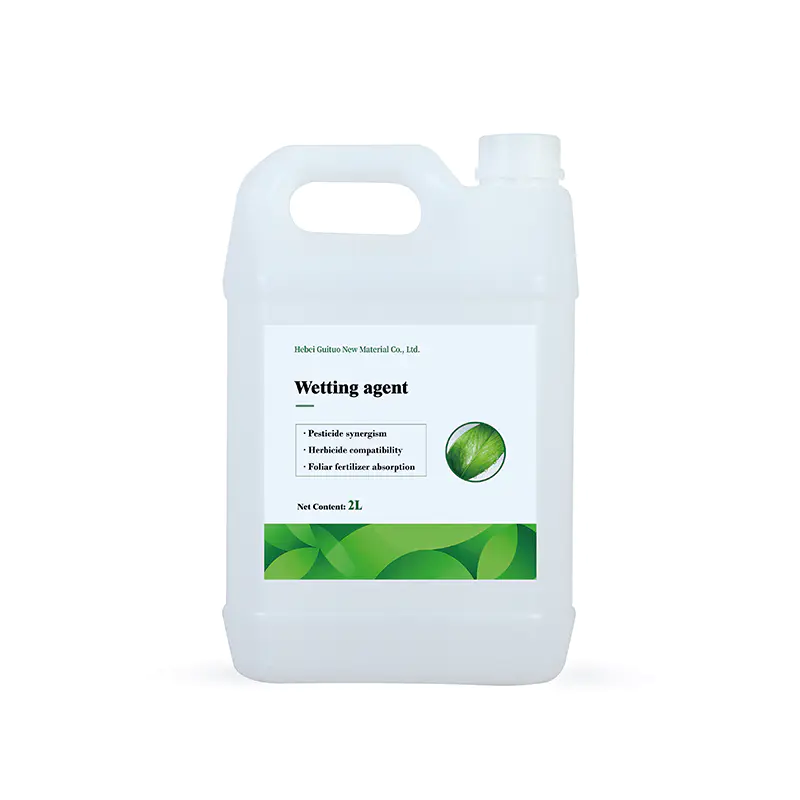
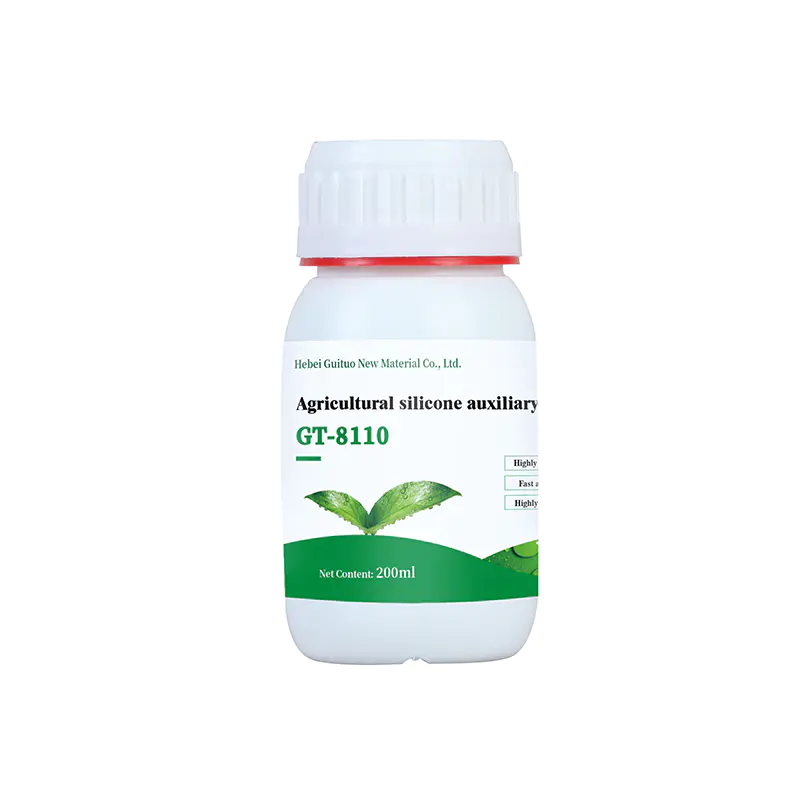
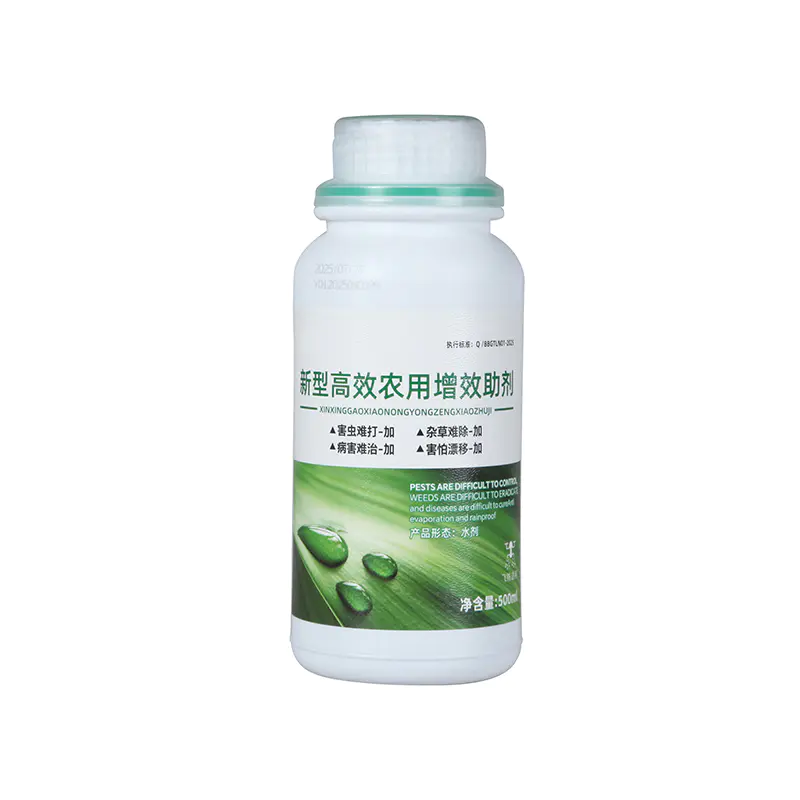
As a high-performance agricultural additive, Agricultural Silicone Synergist plays an irreplaceable role in enhancing the activity of agrochemicals through its unique physicochemical properties. This technical guide explores its core functions, the problems it solves, and how specific parameters influence field performance.
Core Working Principles of Agricultural Silicone Synergist
The primary component of Agricultural Silicone Synergist is typically polyether-modified trisiloxane, a non-ionic surfactant with extreme wetting and spreading capabilities.
Ultra-low Surface Tension
Water has a surface tension of approximately 72 mN/m at room temperature. By adding a minute amount of Agricultural Silicone Synergist, the surface tension of the diluted solution can drop rapidly to 20-23 mN/m. This allows the liquid to break its own tension constraints and spread instantly across the leaf surface.
Stomatal Infiltration Effect
The underside of plant leaves contains numerous stomata for gas exchange. Normal spray liquids cannot enter these tiny pores due to high surface tension. However, liquids containing Agricultural Silicone Synergist can easily penetrate the stomata, allowing systemic pesticides to enter the plant body directly for rapid transport, greatly increasing the control speed of insecticides, fungicides, and herbicides.
Solving Three Critical Pain Points in Pesticide Spraying
The introduction of Agricultural Silicone Synergist specifically addresses several professional technical challenges faced during field operations.
Rainfastness and Wash-off Resistance
In rainy seasons or high-humidity regions, pesticides are easily washed away if it rains shortly after application, leading to repeated spraying and increased costs. Agricultural Silicone Synergist provides exceptional rainfastness. Due to its superior penetration, the chemical is absorbed by the leaf within minutes. Even heavy rain occurring 30 minutes after spraying will not compromise more than 80% of the efficacy.
Waxy and Hard-to-Wet Leaf Surfaces
Crops like cabbage, green onions, and lotus have thick waxy layers, while wheat and rice have dense hairs. Standard liquids form droplets and slide off these surfaces. Agricultural Silicone Synergist forcibly breaks through the wax barrier and spreads through the hair gaps, ensuring full contact between the liquid and the leaf surface.
Evaporation and Drift in Aerial Application
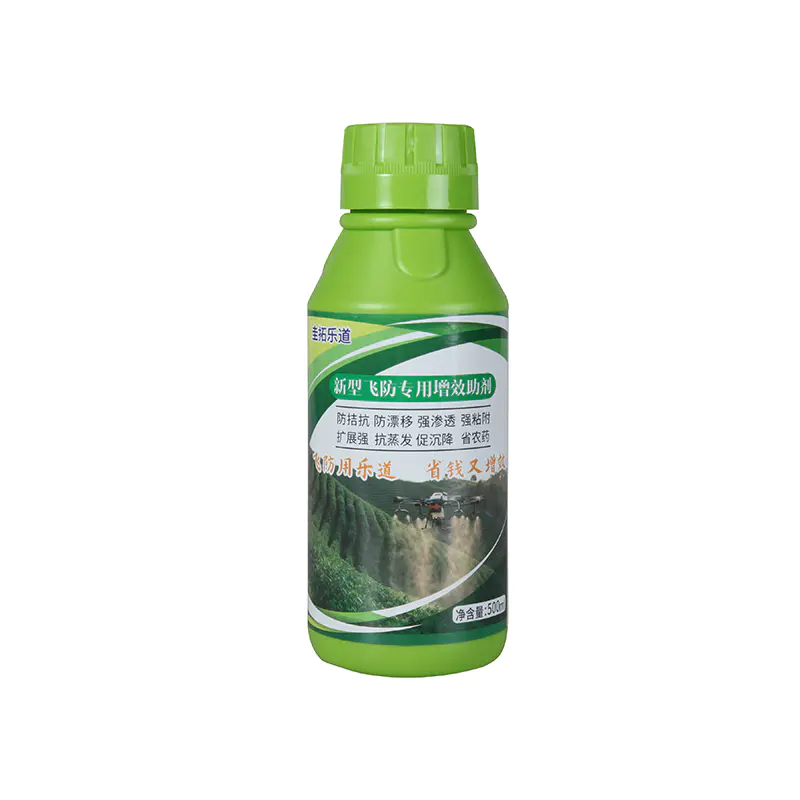
In drone-based low-volume spraying (UAV), fine droplets evaporate quickly in high temperatures or drift with the wind. Adding Agricultural Silicone Synergist stabilizes droplet size, reduces evaporation rates, and enhances the adhesion of droplets upon landing, making it an essential tank-mix adjuvant for aerial operations.
Technical Parameters and Performance Comparison
Selecting a high-quality Agricultural Silicone Synergist requires focusing on core physical and chemical indicators. Below is a comparison between high-purity trisiloxane-based synergists and conventional silicone additives.
| Physical/Chemical Indicators | High-Purity Agricultural Silicone Synergist | Conventional Silicone Additives |
| Active Ingredient Content | Greater than or equal to 99% | 50% - 80% (Often blended) |
| Surface Tension (0.1% aqueous) | 20.5 - 22.0 mN/m | 24.0 - 28.0 mN/m |
| Spreading Area (0.1% droplet) | 50 - 100 times original droplet size | 10 - 20 times original droplet size |
| Solubility and Appearance | Colorless to pale yellow clear liquid | Slightly turbid or easy to separate |
| Optimal pH Range | pH 6.0 - 8.0 (Best in neutral) | pH 5.0 - 9.0 |
| Rainfastness Time | Effective within 15 - 30 minutes | Effective within 1 - 2 hours |
Data shows that high-purity Agricultural Silicone Synergist exhibits extreme surface tension reduction and spreading power at very low dosages (typically 0.01% to 0.05% of the total spray volume).
Proper Tank-Mixing Methods and Precautions
To ensure the best synergistic effect and avoid phytotoxicity, technical personnel must follow professional standards when using Agricultural Silicone Synergist.
Strict Concentration Control
Because of its extreme penetration, excessively high concentrations of Agricultural Silicone Synergist may damage the plant's natural protective wax layer, increasing transpiration and causing leaf burn. The recommended ratio for conventional spraying is 1:3000 to 1:5000 (20-30g per 100kg of liquid). For drone spraying, the ratio can be increased to 0.1%.
pH Environment Awareness
The siloxane bond (Si-O-Si) in the organic silicone backbone can hydrolyze and break under strong acid or alkali conditions, losing its spreading activity. Therefore, Agricultural Silicone Synergist is best mixed with neutral to slightly acidic (pH 6.0 - 8.0) pesticides or fertilizers. It is recommended to use the mixture within 4 to 6 hours.
Weather and Timing
Using Agricultural Silicone Synergist increases light absorption due to wider droplet coverage. Avoid spraying during high-temperature and intense sunlight periods, such as midday in summer. Spraying before 10 AM or after 4 PM allows the synergist and active ingredients to achieve the most ideal control results.

Contact Information
Tel : +86-400-138-5268
Email : [email protected]
Phone : +86-15128434888 / +86-13511051998
Add : Xinqiao Environmental Protection Industrial Park, Wen'an County, Langfang City, Hebei Province, China
Contact Information
Copyright © Hebei Guituo New Material Co., Ltd. All Rights Reserved.
