

 English
 Français
 Português

 Home / News / Industry News / Agricultural Adjuvant Trends: Low-Volume Spraying and Precision Application Needs
Agricultural Adjuvant Trends: Low-Volume Spraying and Precision Application Needs
2026-11-26
Why Low-Volume Spraying Changes the Adjuvant Brief
The adjuvant package, not the sprayer alone, decides whether a low-volume program holds its deposition target. When a grower cuts carrier volume from 150–200 L/ha to 35–80 L/ha, the spray becomes a concentrated delivery system. Water stops acting as a buffer for poor wetting, unstable emulsions, hard-water salts, and uneven droplet retention. Each droplet carries a higher active-ingredient load, and each adjuvant decision has a larger effect on coverage, drift, and crop safety.
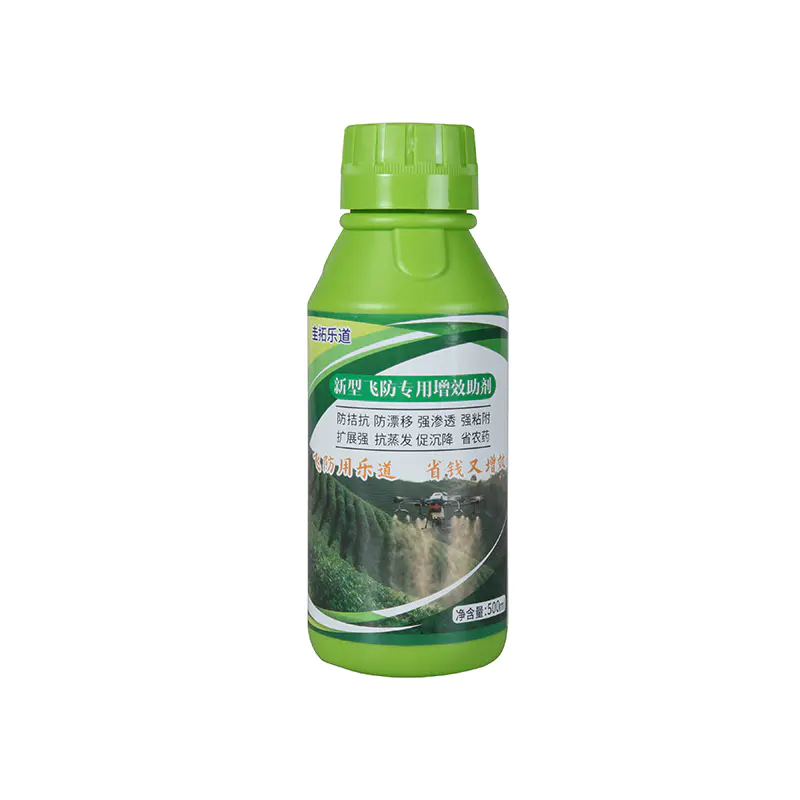
 High-Efficiency Adjuvant for Drone and Low-Volume SprayingFor low-volume aerial programs, this adjuvant supports adhesion, anti-evaporation, drift reduction and absorption; confirm label dose basis before tank mixing.View Product →
The first practical change is dose basis. An adjuvant labelled at 0.05–0.1% v/v behaves very differently at 50 L/ha than at 200 L/ha. At 50 L/ha, 0.1% v/v equals 50 mL per hectare; at 200 L/ha, the same percentage equals 200 mL per hectare. If the label instead gives a fixed dose per hectare, the total adjuvant load stays stable while the concentration in the tank rises fourfold. Purchasing teams and applicators need to confirm which basis the manufacturer intends, because a low-volume program can either under-dose the adjuvant or over-concentrate the tank mix if the label is read too quickly.
Carrier volume
35–80 L/ha
Low-volume field programs leave less water to dissolve salts, disperse powders, and carry droplets to the target.
Concentration effect
2–5×
A fourfold reduction in water volume can raise the tank concentration of active ingredients and adjuvants by the same order.
Decision window
One pass
With fewer litres per hectare, there is less opportunity to correct poor wetting, foaming, or phase separation after mixing.
Low-volume spraying also changes the physical fate of the droplet. Smaller droplets give more potential contact points per litre, but they evaporate faster, drift farther in crosswind, and bounce more easily from waxy or hairy leaf surfaces. A silicone adjuvant can improve spreading and retention, but it cannot compensate for a nozzle that produces too many driftable fines or a boom height that leaves the spray exposed to wind. The adjuvant is part of a system that includes nozzle choice, pressure, water quality, mixing order, and operator timing.
For manufacturers and formulators, the trend toward precision application has shifted adjuvant requirements from “add a wetter” to “document the performance envelope.” Buyers now ask for dynamic surface tension data, contact-angle behaviour on relevant leaf surfaces, dilution stability, compatibility with common active-ingredient groups, and batch-to-batch consistency. Those requests are reasonable because a low-volume pass leaves little room for a product that works only under narrow laboratory conditions.
| Program variable | Conventional carrier volume | Low-volume or precision program | Adjuvant implication |
|---|---|---|---|
| Typical water volume | 150–250 L/ha | 35–80 L/ha; aerial and unmanned systems can run lower | Confirm whether dose is per hectare or per 100 L; concentration rises quickly. |
| Droplet residence time | Longer, with more water available for evaporation | Shorter; fine droplets can lose mass before deposition | Use adjuvants that support retention without creating an unstable fine fraction. |
| Tank-mix complexity | More water dilutes minor incompatibilities | Less water exposes salts, solvents, and suspension stability | Run a jar test at field concentration, not at a convenient bench dilution. |
| Coverage target | Broad coverage through higher carrier volume | Precise placement on canopy, leaf underside, or pest habitat | Match wetting and spreading behaviour to the crop surface and target zone. |
| Procurement focus | Price per litre and general wetting | Performance per hectare, lot consistency, and compatibility data | Evaluate cost per treated hectare, not cost per drum alone. |
The commercial consequence is straightforward: a low-volume program can reduce water, fuel, and labour, but it can also increase the cost of a wrong adjuvant choice. A product that is inexpensive per litre but requires a higher use rate, causes foam in a small tank, or fails after hard-water dilution is not a low-cost option. The better purchasing question is how much usable coverage the adjuvant delivers per hectare under the actual water, crop, and nozzle conditions of the farm.
Droplet Size, Coverage, and Drift: The Trade-offs That Matter in Precision Programs
Precision application does not mean simply making droplets smaller. It means placing a defined droplet spectrum on the target with enough retention time for the active ingredient to act. In low-volume programs, the margin between good coverage and off-target movement is narrower. A nozzle that produces a high proportion of fines below 150 µm may improve contact on small targets, but it also raises drift potential, especially when wind speed, boom height, and humidity move outside the intended range.
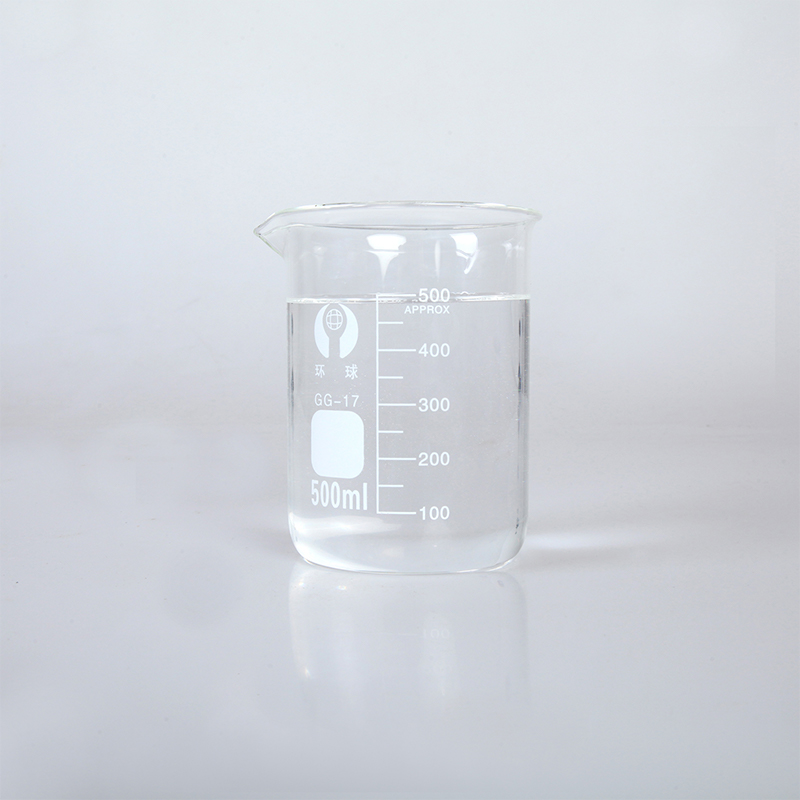 Organosilicone Surfactant for Agricultural Wetting and SpreadingIn precision low-volume spraying, this surfactant helps reduce surface tension and improve leaf wetting and coverage; check compatibility and recommended rates first.View Product →
Organosilicone surfactants are useful in this setting because they reduce dynamic surface tension quickly. Many agricultural silicone adjuvants can bring dynamic surface tension into the high-20s or low-30s mN/m at recommended use rates, which helps a droplet wet and spread on a leaf rather than sit as a bead. That behaviour matters on waxy cuticles, rice leaves, brassica surfaces, citrus foliage, and other targets where contact angle and retention determine whether the active ingredient reaches the pest or disease site.
There is a limit. Spreading is not the same as coverage, and coverage is not the same as biological efficacy. A highly spreading adjuvant can move a droplet into a thin film that dries quickly, leaving the active ingredient concentrated at the edge of the deposit. In some tank mixes, excessive spreading can reduce rainfastness or increase the risk of run-off on steep or waxy leaves. The practical answer is to select the surfactant chemistry and use rate for the target surface, not to assume that the lowest contact angle is always the best result.
Relative pressure points in low-volume programs
The chart shows relative operational pressure, not measured field data. Each factor becomes more sensitive as carrier volume falls and tank concentration rises.
Drift management is a shared responsibility between nozzle selection and adjuvant choice. Some adjuvants are marketed as drift-reducing agents because they increase droplet size or reduce the formation of fines. Others improve retention and spreading but do not control the droplet spectrum. A low-volume program should not use a spreading adjuvant as a substitute for a drift-reducing nozzle, a shielded boom, or a wind-speed threshold. The correct combination is a nozzle that produces the intended spectrum, a pressure that stays within the nozzle’s design range, and an adjuvant that supports deposition without destabilising the mix.
For high-value crops, the cost of drift is not only chemical waste. It includes damage to neighbouring crops, buffer-zone restrictions, regulatory exposure, and loss of customer confidence. That is why precision programs increasingly ask for droplet-size data and field-use guidance rather than a generic “improves coverage” claim. A supplier that can explain the difference between wetting, spreading, penetration, and drift control is more useful than one that offers a single product for every spray problem.
Water volume also affects the interpretation of coverage. A 50 L/ha application may produce fewer droplets per square centimetre than a 200 L/ha application, but each droplet may contain more active ingredient. The target pest or disease must be covered by a sufficient number of deposits at a sufficient dose. In practice, this means that low-volume programs often need a tighter nozzle-to-target distance, better boom stability, and a more careful match between droplet size and canopy architecture. Adjuvant selection supports those choices; it does not replace them.
Tank-Mix Compatibility: The Hidden Cost of “One More Product”
In low-volume programs, the most expensive tank-mix problem is the one that appears after the sprayer leaves the mixing area. Less water means less dilution of incompatible salts, solvents, and suspended particles. A combination that looks stable in a 200 L/ha tank can form a creamy layer, a gritty precipitate, or a fine foam in a 50 L/ha tank. The result may be a blocked nozzle, an uneven dose across the field, or a crop-safety issue that is difficult to trace back to the mix.
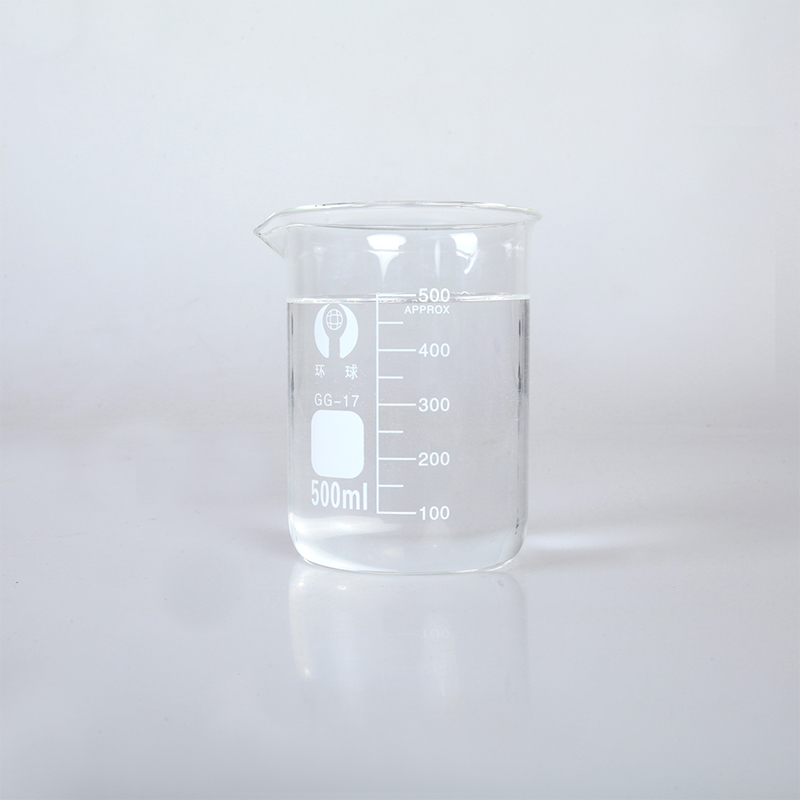 Drum-Mix Adjuvant for Tank Compatibility and Spray PerformanceFor low-volume tank mixes where incompatibility is costly, this adjuvant supports adhesion, penetration, anti-drift and deposition; use a jar test with field water.View Product →
Compatibility testing should be done at the concentration that will be used in the field, with the same water source and the same order of addition. A simple jar test can reveal phase separation, sedimentation, flocculation, or excessive foaming before the sprayer is filled. The test is not a guarantee of biological performance, but it is a low-cost way to avoid a costly failure. For more detail on common failure modes, see this practical guide to tank-mix compatibility checks.
Mixing order matters as much as the individual products. A typical sequence is to fill the tank with part of the water, add water conditioners or buffers if required, disperse dry formulations, add liquid formulations, and then add the adjuvant. The exact order should follow the label, because some products must be pre-dispersed or diluted before addition. Silicone adjuvants are usually added later in the sequence, but they should not be poured directly onto a dry powder or a concentrated emulsion. Pre-dilution and gentle agitation reduce the risk of local over-concentration and phase separation.
Watch point 1
Hard water
Calcium and magnesium can react with some formulation components and reduce stability. Test with the farm’s actual water, not distilled water.
Watch point 2
pH shift
Alkaline or acidic water can shorten the usable life of some active ingredients and change surfactant behaviour.
Watch point 3
Foam
Low-volume tanks have less headspace and less dilution. Foam can cause inaccurate metering and overflow.
Procurement teams should also ask whether the adjuvant has been tested with the active-ingredient groups that dominate the local program. A product that is compatible with one herbicide may not be suitable for a tank mix containing a copper-based fungicide, a soluble powder, or a high-load suspension concentrate. The relevant question is not “is the adjuvant compatible with pesticides?” but “which formulation types, at which concentrations, with which water hardness, and under which mixing order?”
Low-volume programs also make nozzle wear more visible. A worn nozzle that delivers an uneven pattern may have been tolerable at a higher carrier volume, but it becomes a serious source of variability when the total spray volume is low. The adjuvant cannot correct a nozzle that is dripping, streaking, or producing an off-centre pattern. Calibration, nozzle replacement, and pressure checks belong in the same operating procedure as adjuvant selection.
Product Selection Matrix for Low-Volume and Precision Spraying
Selection starts with the application system, not the product label. Aerial and unmanned spraying, high-clearance boom spraying, orchard air-blast spraying, and protected-cropping applications expose adjuvants to different shear, evaporation, and deposition conditions. The same silicone chemistry can be appropriate in one system and inconvenient in another if the use rate, foam profile, or mixing order is wrong.
| Application system | Primary need | Useful adjuvant behaviour | Practical watch-out |
|---|---|---|---|
| Aerial and unmanned spraying | Deposition with limited carrier volume and short application windows | Fast wetting, low foam, stable dilution, retention on upright leaves | Confirm droplet spectrum and avoid over-spreading on small targets |
| High-clearance boom | Consistent coverage across row crops and dense canopies | Dynamic surface tension reduction and compatibility with multiple actives | Boom height and nozzle wear can dominate the result |
| Orchard air-blast | Canopy penetration and leaf-surface retention | Spreading on waxy leaves and stable mixing with fungicides or insecticides | Excessive drift beyond the canopy and uneven upper/lower coverage |
| Protected cropping | Fine coverage in still air with limited ventilation | Low-foam wetting and good dilution stability at small tank volumes | Humidity, leaf wetness, and spray interval can affect crop safety |
| Hard-water mixing | Stable tank mix without precipitation or scum | Compatibility with water conditioners and suspension concentrates | Test at field concentration; do not rely on visual clarity alone |
A product matrix is useful for narrowing options, but it should not replace a field trial. A small replicated strip test can compare deposition, phytotoxicity, foam, and biological effect under local conditions. The trial does not need to be complicated: two or three adjuvant options, one standard nozzle, the same water source, and a consistent assessment method can reveal more than a laboratory datasheet alone. The aim is to find the lowest use rate that delivers reliable performance, not the highest rate that hides a formulation weakness.
Cost per hectare is the better commercial metric than cost per litre. A low-use-rate concentrate may appear expensive per drum, but it can be cheaper per treated hectare if it reduces waste, re-spraying, and tank-mix failures. Conversely, a cheap adjuvant that requires a high load, causes foam, or performs inconsistently can increase the total cost of the application. Buyers should compare products on the same basis: dose per hectare, number of passes, water volume, and the labour required to mix and clean the sprayer.
For silicone-based agricultural adjuvants, the supplier’s manufacturing discipline is part of the product. Batch-to-batch variation in viscosity, pH, surface tension, or solids content can change mixing behaviour and field performance. A manufacturer with in-house testing and full-process quality control can provide a certificate of analysis that matches the delivered lot. That documentation is especially valuable when a low-volume program depends on a narrow use rate or when the adjuvant is part of a customer-specific formulation.
Field Scenarios: Aerial, High-Boom, Orchard, and Protected Cropping
The same low-volume logic plays out differently across application systems. In aerial and unmanned spraying, the sprayer may cover the field quickly, but the droplet has less time and less water to reach the target. In high-boom spraying, the challenge is canopy penetration and consistent deposition along the boom. In orchards, the canopy is three-dimensional, and the adjuvant must help the spray reach both the outer and inner leaves. In protected cropping, the absence of wind can reduce drift but increase humidity-related risks and leaf wetness.
Aerial and unmanned application
Aerial and unmanned systems often operate at low carrier volumes, sometimes with application windows set by wind, temperature, and flight restrictions. The adjuvant should support fast wetting and retention without creating a foam problem in a small tank or a fine droplet fraction that moves off target. A dedicated aerial-spraying adjuvant is formulated with these constraints in mind: it should mix quickly, remain stable during the flight, and help the droplet stay on the leaf after deposition. The operator should still check nozzle type, spray height, speed, and wind speed, because the adjuvant cannot control the physical trajectory of the droplet.
High-clearance boom spraying
High-clearance booms are common in corn, cotton, rice, and other row crops where the spray must reach a defined canopy zone. At lower water volumes, the nozzle-to-canopy distance becomes more important. A boom that is too high exposes droplets to wind and evaporation; a boom that is too low may produce uneven coverage or damage the crop. The adjuvant should be matched to the nozzle’s intended droplet class. If the nozzle produces a coarse spray, a highly spreading surfactant may help redistribute the deposit; if the nozzle already produces a fine spray, the priority may be drift management and retention rather than additional spreading.
Orchard and perennial crop spraying
Orchard canopies are difficult because the target is not a flat field. Air-blast sprayers create a moving air stream that carries droplets into the canopy, but the outer leaves can intercept much of the spray before it reaches the inner fruiting zone. A suitable agricultural spray adjuvant wetting agent can reduce surface tension and help droplets spread on waxy leaves, but air volume, direction, and sprayer speed remain the main tools for canopy penetration. In low-volume orchard programs, the operator should check deposition on both the upper and lower leaf surfaces and adjust the air deflectors rather than simply increasing the adjuvant rate.
Protected cropping and nursery use
Greenhouse and nursery sprays often use small tank volumes and fine nozzles. The closed environment reduces wind drift, but it can also slow droplet drying and increase leaf wetness. A low-foam adjuvant that mixes cleanly in small volumes is more convenient than a product that requires high agitation or creates persistent foam. The applicator should also consider phytotoxicity, especially on young transplants, flowers, and sensitive ornamental species. A jar test and a small crop-safety trial are more useful than a generic claim of “safe on all crops.”
Across these scenarios, the common thread is that precision application rewards preparation. The operator who measures water hardness, checks pH, calibrates the sprayer, confirms the mixing order, and records the adjuvant lot is in a better position than the operator who changes products after a problem appears. Low-volume spraying is less forgiving, but it is also more controllable when the variables are documented.
Quality Control, Batch Consistency, and Procurement Risk
Batch consistency is a purchasing issue, not only a laboratory issue. In a low-volume program, a small shift in adjuvant viscosity, solids content, or surface activity can change the use rate and the mixing behaviour. A lot that foams more than the previous lot may require a different filling procedure. A lot that separates in hard water may cause nozzle blockage. These are not abstract quality concerns; they become visible in the sprayer, in the field, and in the cost of rework.
Documentation
CoA
Ask for a certificate of analysis that covers the delivered batch, not a generic product sheet.
Key parameters
5 checks
Surface tension, pH, viscosity, solids or active content, and dilution stability are practical starting points.
Supply risk
Lot trace
Retain the lot number and a sample so that any field issue can be traced back to the delivered batch.
A supplier with in-house testing can provide more than a certificate. It can explain how the product behaves in hard water, how it should be added to a tank mix, and which formulation types are likely to be incompatible. That technical support is especially valuable for custom formulation work, private-label programs, and OEM or ODM projects where the adjuvant must fit a customer-specific package rather than a generic catalogue.
Procurement risk also comes from changing suppliers mid-season. A new adjuvant may have the same chemical description but a different surfactant profile, solvent system, or dilution behaviour. If the change happens during a busy spraying window, there may be no time for a proper jar test or field strip trial. The safer approach is to qualify a second source before the season starts, compare it against the current product on the same water and tank mix, and keep a documented performance baseline.
Packaging and storage belong in the same risk review. A drum that is difficult to empty, a container that admits moisture, or a label that omits the recommended mixing order can create avoidable errors. Low-volume programs use small doses, so a thick residue in the drum or a product that settles in storage can change the actual dose. Suppliers should provide clear storage guidance, shelf-life information, and a recommended cleaning procedure for tanks and lines.
For agricultural silicone adjuvants, the manufacturer’s experience with silicone chemistry matters because the product is often part of a broader formulation. A supplier that also produces silicone surfactants, modified silicone fluids, defoamers, and related raw materials can troubleshoot interactions that a trading-only supplier may not see. That depth is useful when a customer needs a low-foam version, a different dilution profile, or a product that works with a specific active-ingredient group.
Metering, Water Quality, and Mixing Order in Low-Volume Systems
Low-volume systems amplify small errors in metering. A 10% error in a 50 L/ha tank is a larger proportional deviation than the same volume error in a 200 L/ha tank. Measuring cups, flow meters, and inductors should be calibrated for the small volumes actually used. Estimating by eye or using a container with an unclear scale is a poor practice when the adjuvant dose is critical to wetting, drift, or crop safety.
- Check the water source before mixing. Record hardness, pH, and any visible sediment. If the water changes between sources, repeat the jar test.
- Fill the tank with part of the water and start gentle agitation. Avoid high-shear mixing that can create foam or degrade sensitive formulations.
- Add water conditioners or buffers if the label requires them. Allow them to disperse before adding the next product.
- Add dry formulations through the inductor or pre-mix them separately. Do not dump dry powder directly into a concentrated adjuvant layer.
- Add liquid formulations in the order recommended by the label. Keep agitation running throughout the addition.
- Add the silicone adjuvant last unless the label states otherwise. Pre-dilute it if the product is viscous or if the tank volume is small.
- Complete the fill and maintain agitation during application. Check for foam, separation, or sediment before the sprayer leaves the mixing area.
Water hardness above roughly 300 mg/L as calcium carbonate is a practical warning level for many tank mixes, but the effect depends on the formulation. Some products tolerate hard water; others form scum or precipitate. pH is equally important. Alkaline water can accelerate the hydrolysis of some active ingredients, while acidic water can affect surfactant stability. The adjuvant supplier should be able to recommend a compatibility test or a water conditioner when the local source is outside the normal range.
Temperature also changes mixing behaviour. A concentrate stored in a cold shed may become viscous and difficult to pour. A tank mixed in the heat of the day may foam more or lose stability. Allowing the product to reach a workable temperature and adding it slowly to moving water reduces these problems. In low-volume programs, the operator should not assume that a product that mixed well yesterday will behave the same way in a different water source or at a different temperature.
Cleaning is part of the procedure. Residues left in the tank, pump, or nozzles can contaminate the next load, especially when the spray program switches between herbicide, fungicide, and insecticide groups. A triple-rinse procedure with attention to the boom ends and filters is more reliable than a quick flush. The adjuvant should not be used to mask a cleaning problem; a persistent foam or a cloudy rinse may indicate that the tank is not clean.
What to Ask a Supplier Before Scaling a Precision Program
A supplier questionnaire should produce answers that can be used in the mixing area, not just a polished brochure. The most useful questions are specific to the water, crop, nozzle, and tank-mix conditions that the farm actually uses. A supplier that answers with test methods and limitations is generally more reliable than one that promises a universal result.
- What is the recommended dose basis: per hectare, per 100 L, or a percentage of spray volume?
- Which water hardness and pH range has the product been tested in, and what happens outside that range?
- What is the dynamic surface tension at the recommended use rate, and on which leaf surfaces has spreading been evaluated?
- Does the product increase driftable fines, reduce them, or have no material effect on droplet size?
- Which formulation types are compatible, and which mixing orders should be avoided?
- What quality parameters are reported batch by batch, and what are the acceptance limits?
- Can the supplier provide a low-foam grade, a custom dilution, or an OEM/ODM formulation for a specific market?
- What is the recommended cleaning procedure, shelf life, and storage temperature range?
These questions also help compare suppliers on a like-for-like basis. A low price per kilogram is not useful if the product requires a higher dose, causes extra downtime, or fails in the local water. A slightly higher-priced product with consistent quality and clear technical support can be cheaper per treated hectare. The calculation should include adjuvant dose, water volume, labour, re-spray risk, and the cost of a failed tank mix.
For a manufacturer with agricultural silicone expertise, the strongest offer is not a single product but a selection framework. Different crops, nozzles, and tank mixes need different balances of wetting, spreading, foam control, and compatibility. A supplier that can explain those trade-offs helps the customer avoid over-buying a highly spreading product for a situation that mainly needs retention, or choosing a low-cost wetter that cannot tolerate the local water. That technical conversation is part of the value of the adjuvant, especially in precision programs where the application window is narrow and the cost of a mistake is high.
FAQ: Low-Volume Spraying and Precision Application
Does low-volume spraying always require an adjuvant?
No. Some formulations already contain sufficient surfactants, and some targets are easy to wet. The need depends on the active ingredient, leaf surface, water quality, nozzle, and drift risk. A low-volume program should test whether an adjuvant improves deposition or retention enough to justify the cost. If the spray already performs well and the tank mix is stable, adding another product may increase complexity without a clear benefit.
Should the adjuvant dose be based on water volume or field area?
Confirm the label basis before mixing. A dose expressed as a percentage of spray volume changes with carrier volume, while a dose per hectare stays constant. In low-volume programs, a percentage-based label can lead to a much lower total adjuvant load per hectare unless the rate is adjusted. The correct basis is the one supported by the manufacturer’s data and the local label.
Can an organosilicone adjuvant increase drift?
It can contribute to drift if the droplet spectrum is too fine or the use rate is excessive. Organosilicone surfactants reduce surface tension and can affect droplet formation, but nozzle choice, pressure, boom height, and wind speed are the primary drift controls. Use a nozzle that produces the intended droplet class and follow the adjuvant label. Do not use a spreading adjuvant as a substitute for a drift-reduction strategy.
How do I test tank-mix compatibility at low volume?
Use a clear jar with the same water source and the same concentration that will be used in the field. Add the products in the intended order, stir gently, and observe for separation, sediment, foam, or colour change over a realistic standing time. A jar test is a screening tool, not a full guarantee, but it catches many problems before the sprayer is filled.
Is hard water a serious issue for silicone adjuvants?
It can be. High calcium and magnesium levels may interact with formulation components and reduce stability. The risk depends on the specific product and the concentration. Test with the farm’s water, especially when changing to a lower carrier volume, because the same amount of hardness is present in less water.
What quality data should I request from a supplier?
Ask for a batch-specific certificate of analysis covering surface tension, pH, viscosity, solids or active content, and dilution stability where relevant. Also ask for the recommended storage conditions and shelf life. If the product is used in a critical low-volume program, retain a sample from each lot so that any field issue can be traced.
Can an adjuvant replace nozzle calibration?
No. An adjuvant can improve wetting, spreading, or retention, but it cannot correct a worn nozzle, an incorrect pressure, or an uneven boom pattern. Calibration should come first. The adjuvant is selected after the sprayer is known to deliver the intended volume and droplet spectrum.
How do I choose between a wetting agent and a super-spreading agent?
Start with the target surface and the application goal. A wetting agent is useful when the main problem is contact on a waxy or hairy leaf. A super-spreading agent may help redistribute a deposit over a larger area, but it can also increase run-off or reduce rainfastness in some mixes. Test both at the recommended rate on the relevant crop and compare deposition, phytotoxicity, and biological effect rather than relying on a single laboratory number.
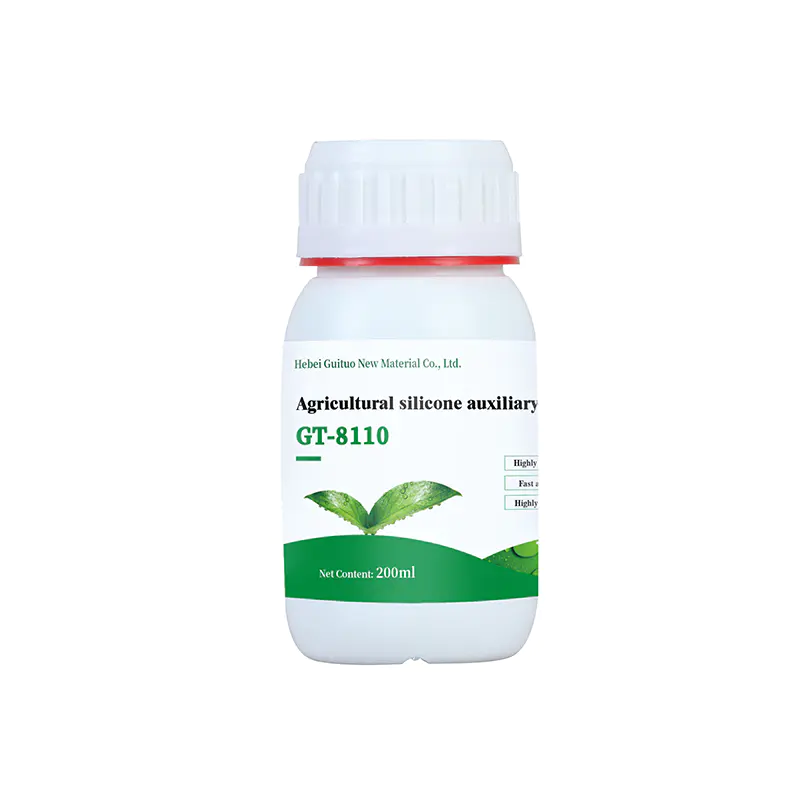
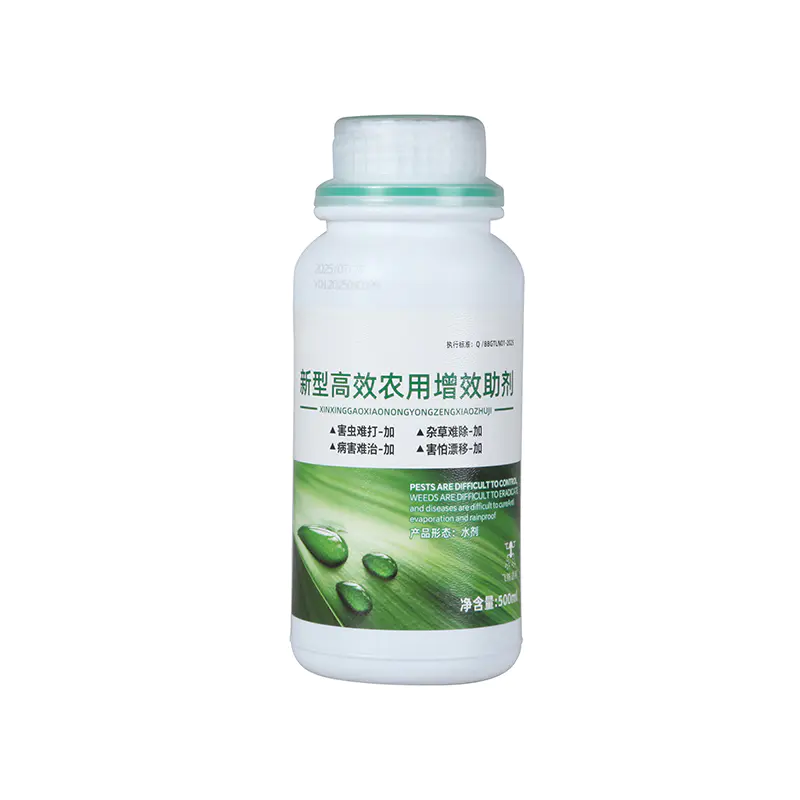

Contact Information
Tel : +86-400-138-5268
Email : [email protected]
Phone : +86-15128434888 / +86-13511051998
Add : Xinqiao Environmental Protection Industrial Park, Wen'an County, Langfang City, Hebei Province, China
Contact Information
Copyright © Hebei Guituo New Material Co., Ltd. All Rights Reserved.
