

 English
 Français
 Português

 Home / News / Industry News / Organosilicone Surfactants in Crop Protection: Benefits, Mixing Precautions, and Field Use
Organosilicone Surfactants in Crop Protection: Benefits, Mixing Precautions, and Field Use
2026-11-19
An organosilicone surfactant for crop protection is selected for one physical job before any agronomic claim is made: it lowers the surface tension of the spray droplet so the liquid can wet, spread, and stay on a leaf or insect surface. A typical organosilicone adjuvant combines a methylsiloxane backbone with polyether groups. The siloxane segment drives surface activity; the polyether segment adjusts water solubility and compatibility. That structure explains both the benefit and the mixing risk. The same property that helps a droplet flatten across a waxy leaf can also increase penetration, foam, or antagonism if the tank mix is built without a jar test. This article focuses on what the product does, where it earns its cost, and which precautions prevent crop protection failures in the field.
What Organosilicone Surfactants Change in a Spray Tank
Water alone has a high surface tension, roughly 72 mN/m at 20°C. Many leaf surfaces are waxy and repellant, so a pure water spray forms beads and rolls away. Conventional nonionic surfactants reduce surface tension, but organosilicone surfactants usually push it lower and act faster at the moving front of a spray droplet. That difference matters when the spray is moving, the leaf is tilted, and the droplet lifetime is short.
Performance is not only about a single static number. Dynamic surface tension describes how quickly the surfactant migrates to a new air-liquid interface. A product with excellent equilibrium surface tension can still wet slowly if its dynamic behavior is poor. For field use, ask for both static surface tension and dynamic surface tension at short times, such as 10 ms and 100 ms. Contact angle on a relevant leaf or artificial waxy surface is also more useful than a generic “super spreading” claim.
| Property | Water alone | Conventional nonionic | Organosilicone adjuvant | Practical effect |
|---|---|---|---|---|
| Surface tension | About 72 mN/m | About 30–35 mN/m | Often about 20–25 mN/m | Lower tension supports wetting and spreading. |
| Wetting speed | Very slow on waxy leaves | Moderate | Fast when correctly formulated | Less bounce and runoff during application. |
| Contact angle | High | Medium | Low on many leaf surfaces | More contact area between droplet and target. |
| Rainfastness support | Low | Moderate | Can improve retention after drying | Useful when rain risk follows spraying. |
| Mixing sensitivity | Low | Moderate | Higher with some tank mixes | Jar test and order of addition become critical. |
The practical lesson is simple: treat organosilicone as a high-activity tool, not as a generic “sticker” added at the end of every load. Its value comes from controlled surface activity. Its risk comes from uncontrolled surface activity.
Benefits That Matter in Crop Protection
Organosilicone surfactants in crop protection earn their place when spray coverage, droplet retention, or rainfastness is the limiting factor. They do not replace correct active ingredient choice, dose, timing, or nozzle selection. They change the physical behavior of the spray so the active ingredient has a better chance to reach and remain on the target.
Faster Leaf Wetting
Waxy leaves, hairy surfaces, and upright growth habits can cause droplets to bounce or sit as beads. A well-matched organosilicone reduces contact angle and helps the spray film spread into small depressions where pests and pathogens sit.
Better Coverage at Lower Volume
When water volume is reduced, each droplet must do more work. Faster spreading can improve coverage of leaf veins, stems, and sheltered surfaces, but the dose of adjuvant must be matched to the new spray volume.
Support for Rainfastness
Some organosilicone formulations help the deposit resist washoff after the spray has dried. This is not a guarantee against heavy rain immediately after application; it is a window-of-opportunity benefit that depends on formulation and drying conditions.
More Efficient Use of Water
Improved retention can reduce the volume that runs off the leaf. In practical terms, that may support fewer refills, less mixing labor, and more consistent application across a block.
For a closer look at how growers evaluate these effects in real spray programs, these field notes on organosilicone surfactant use are useful alongside product data. The key is to compare formulation activity, not only the presence of “silicone” on the label.
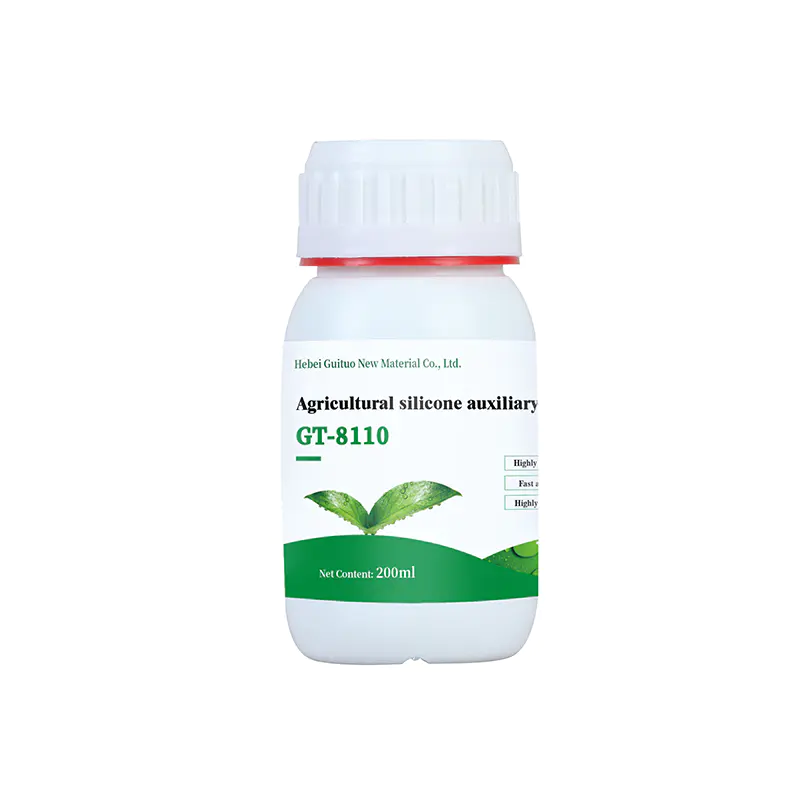
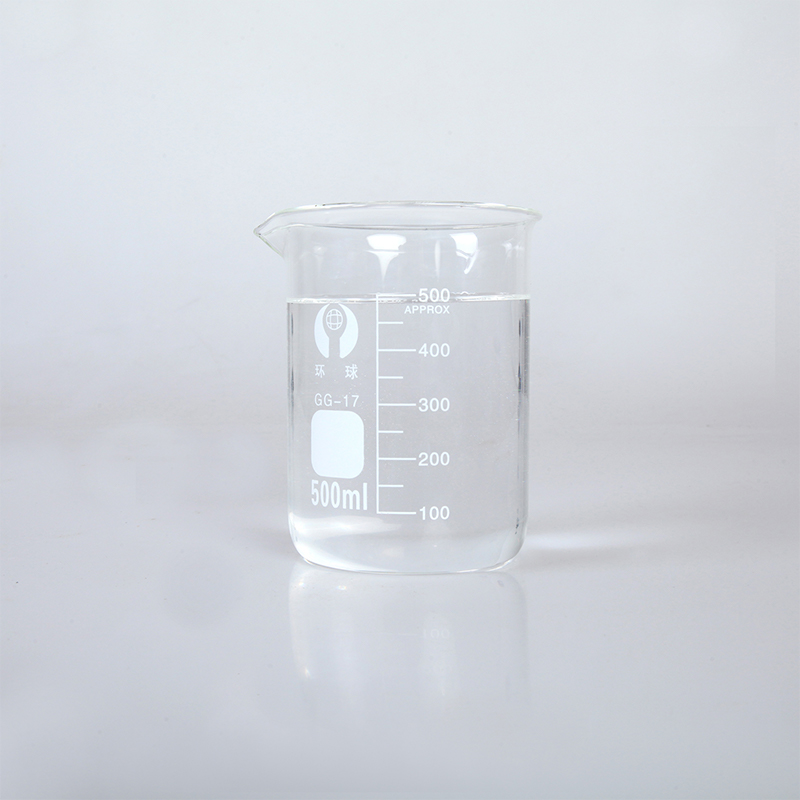 Organosilicone Surfactant for Agricultural Spray FormulationsReview this silicone-based adjuvant for wetting, spreading, and penetration claims, then compare formulation activity with measured spray outcomes.View Product →
Benefit claims should be tied to a measurable outcome: spread diameter on a test surface, retention on a leaf disc, runoff volume, or rainfastness after a controlled drying period. Without a measurement, “improved coverage” is only a description.
How to Read Key Performance Numbers Before You Buy
A low static surface tension alone does not prove fast wetting. A product can show 21 mN/m at equilibrium and still perform poorly in a short spray cycle if its dynamic behavior is slow or if it is incompatible with the tank mix. Purchasing decisions should compare the following values under the same test conditions.
| Check | Why It Matters | Practical Question |
|---|---|---|
| Static surface tension | Shows equilibrium wetting potential. | At what concentration and water hardness was it measured? |
| Dynamic surface tension | Predicts behavior during droplet impact and movement. | Is data available at 10 ms and 100 ms? |
| Contact angle | Links surface chemistry to a real leaf or waxy surface. | Was it measured on a relevant crop surface or only on glass? |
| Spread diameter | Gives a visual, repeatable wetting comparison. | What droplet size and concentration were used? |
| Rainfastness | Supports deposit retention after drying. | How long after spraying was the rain test applied? |
| Foam height | Foam slows loading and can cause measurement errors. | Does foam collapse quickly at the recommended dilution? |
| pH stability | Hydrolysis can reduce performance in storage or in the tank. | What is the stable pH range for the formulated product? |
Request a batch-specific certificate of analysis and a small sample for a jar test. A supplier who can explain why a number changes with water hardness, pH, or concentration is usually easier to work with than one who only offers a single “best” figure.
Mixing Precautions That Prevent Crop Protection Failures
Most organosilicone problems in the field are not caused by the product alone. They come from concentration, water quality, order of addition, or an antagonistic partner in the tank. Organosilicone surfactants are highly surface-active, so small changes in dose can produce large changes in spreading, penetration, and foam.
- Run a jar test with the exact water source, active ingredients, fertilizers, and adjuvant ratios planned for the field.
- Measure the adjuvant by volume or weight according to the label; do not estimate from the previous load.
- Add organosilicone late in the mixing sequence unless the label or supplier gives a different instruction.
- Check pH before adding the adjuvant; extremes can accelerate hydrolysis or reduce stability.
- Watch for phase separation, oiling out, heavy foam, or a thick gel after each addition.
- Do not tank-mix with strongly cationic products, high-load fertilizers, or unknown compatibility partners without a test.
- Use the mixed tank within the recommended window; do not let a diluted organosilicone mix stand for long periods.
Compatibility is more than “no visible curd.” A mix can look clean and still lose activity because the surfactant has been bound by another component or because the active ingredient has changed physical form. For a structured review of these interactions, see the discussion of agricultural spray adjuvant wetting agents and how their use differs by tank-mix partner.
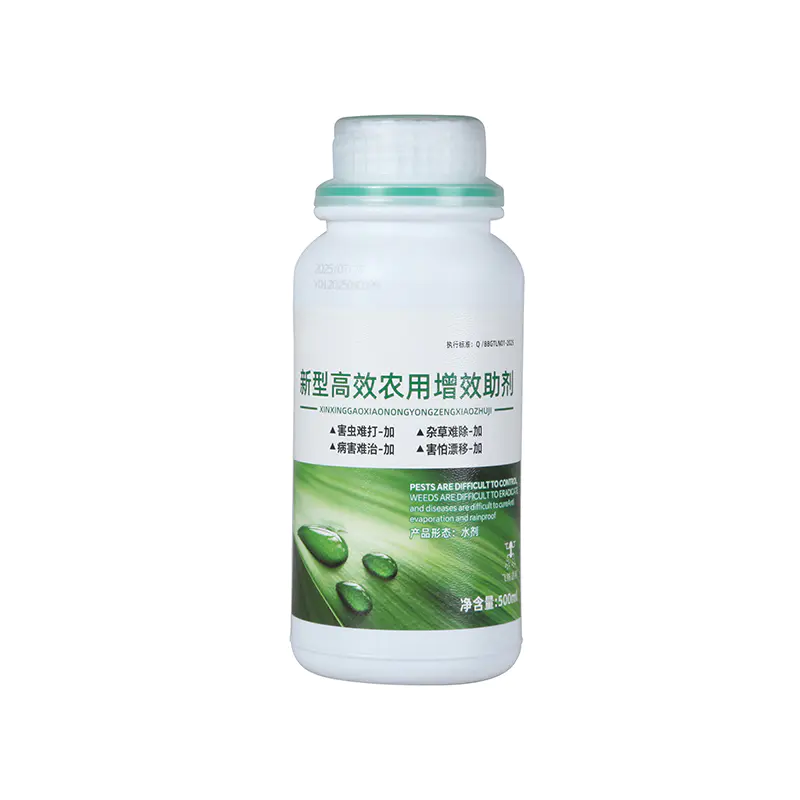
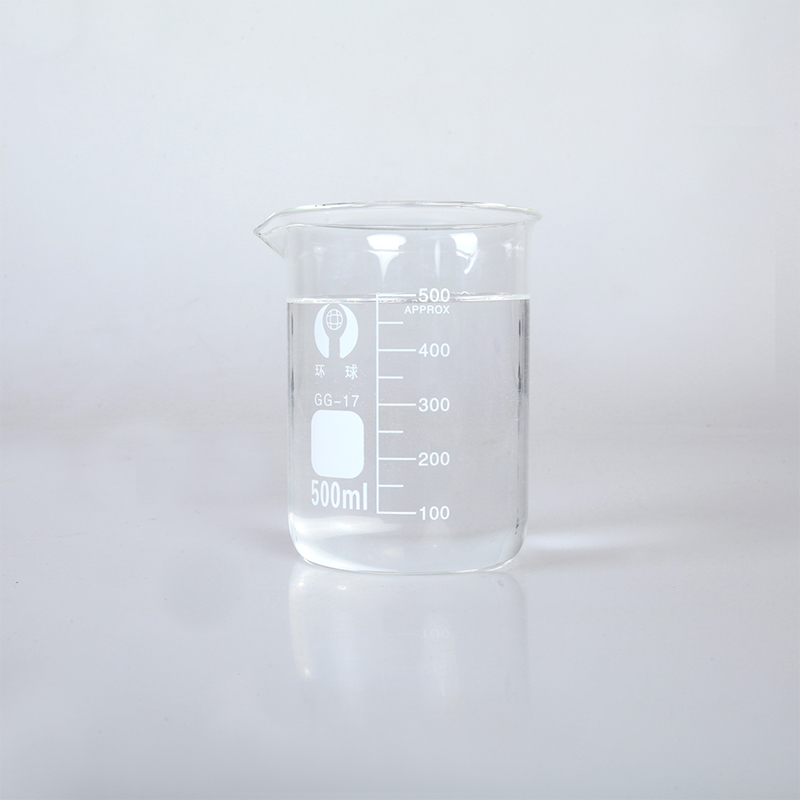 Tank-Mix Adjuvant for Pesticide Spray ProgramsCheck this drum-mix adjuvant’s compatibility and deposition functions when reviewing tank-mix interactions and avoiding overdosing in spray programs.View Product →
Overdosing is a common and expensive mistake. More adjuvant does not mean more control. Above the useful concentration, additional surfactant may increase runoff, foam, phytotoxicity risk, or antagonism without improving deposition. Use the lowest rate that gives a stable, visibly improved spray film in the jar test and on the target surface.
Mixing Order and Jar Test: A Practical Protocol
A repeatable mixing order reduces the chance of locking up one component before the others are dispersed. The exact sequence depends on formulation type, but the following order is a practical starting point for many field tanks. Always confirm against product labels and local recommendations.
| Step | Add | Reason | Check |
|---|---|---|---|
| 1 | Clean water to 50–70% of final volume | Provides a carrier and reduces localized concentration spikes. | Water source and hardness known. |
| 2 | Water-dispersible granules or powders | Allows particles to wet and disperse before surfactants change the surface tension. | No dry pockets or lumps. |
| 3 | Suspension concentrates | Disperse solids before adding emulsifiable concentrates. | Uniform slurry. |
| 4 | Emulsifiable concentrates | Oil phase is emulsified in a relatively clean aqueous phase. | No oily film or cream layer. |
| 5 | Water-soluble liquids and fertilizers | Dissolve fully before final dilution. | No heat, gelling, or separation. |
| 6 | Organosilicone adjuvant | Surface-active ingredient is added after the main components are dispersed. | Low foam; no phase change. |
| 7 | Water to final volume | Brings all components to the intended concentration. | Final jar sample remains uniform. |
Jar Test Ratios
Use a clean glass jar or a transparent bottle. Add water equal to the field water source, then scale each product down to a laboratory ratio, such as 1 part tank mix to 100 parts water. Add components in the planned order, stir gently between additions, and observe immediately, after 10 minutes, and after 30 minutes. Record foam height, phase separation, sediment, oil droplets, and color changes. If the mix fails, change one variable at a time; do not assume the organosilicone is the only cause.
Concentration, Water Volume, and Droplet Physics
Adjuvant concentration is often expressed as a percentage of spray volume. When a grower moves from high volume to low volume, keeping the same percentage can change the amount of surfactant delivered per hectare and the amount per droplet. The label rate is the starting point, but the spray system, crop canopy, and water volume determine whether that rate is conservative or excessive.
High-Volume Spraying
Droplets are numerous and runoff risk can be high. Use a rate that improves retention without creating a very mobile film that leaves the leaf quickly.
Low-Volume Spraying
Each droplet carries a higher share of the active ingredient. Fast spreading helps coverage, but overdosing can increase penetration and crop safety risk.
Air-Assisted and UAV Sprays
Fine droplets, high travel speed, and wind exposure make deposition less forgiving. Choose a formulation with controlled dynamic behavior and low foam.
Droplet size matters because the spray must reach the target before it dries. Very fine droplets increase drift potential; very coarse droplets may not penetrate the canopy. Organosilicone helps the droplet wet the surface once it lands, but it does not correct poor nozzle choice. Calibrate the sprayer, confirm the intended droplet spectrum, and then use the adjuvant to improve what reaches the leaf.
Crop and Target Scenarios: Where Organosilicone Earns Its Place
The same adjuvant can be valuable in one spray program and unnecessary in another. Use it where the target is hard to wet, the active ingredient benefits from improved retention, or the spray window is short. Avoid using it simply because a previous load included it.
| Scenario | Main Benefit | Mixing Caution |
|---|---|---|
| Herbicides on waxy leaves | Faster wetting and more uniform droplet spread. | Overdosing can increase penetration and crop injury risk. |
| Fungicides on dense canopies | Better coverage of sheltered leaf surfaces. | Jar test with high-load suspensions and fertilizers. |
| Miticides and insecticides | Improved contact with pests on uneven surfaces. | Watch foam and pH stability in concentrated mixes. |
| Foliar fertilizers | Spreading and retention on leaf surfaces. | Salt concentration can cause separation or leaf burn. |
| UAV and aerial application | Fast wetting at low water volume. | Use a dedicated low-foam adjuvant and confirm drift management. |
Aerial and UAV Application
Aerial spraying compresses the mixing, atomization, and deposition steps into a short window. The adjuvant must wet quickly without creating a stable foam that interferes with the tank or pump. It should also remain compatible with the active ingredients at the higher concentration used in low-volume spraying. A dedicated aerial spray adjuvant is easier to justify than a general-purpose product when the application method is the main source of variability.
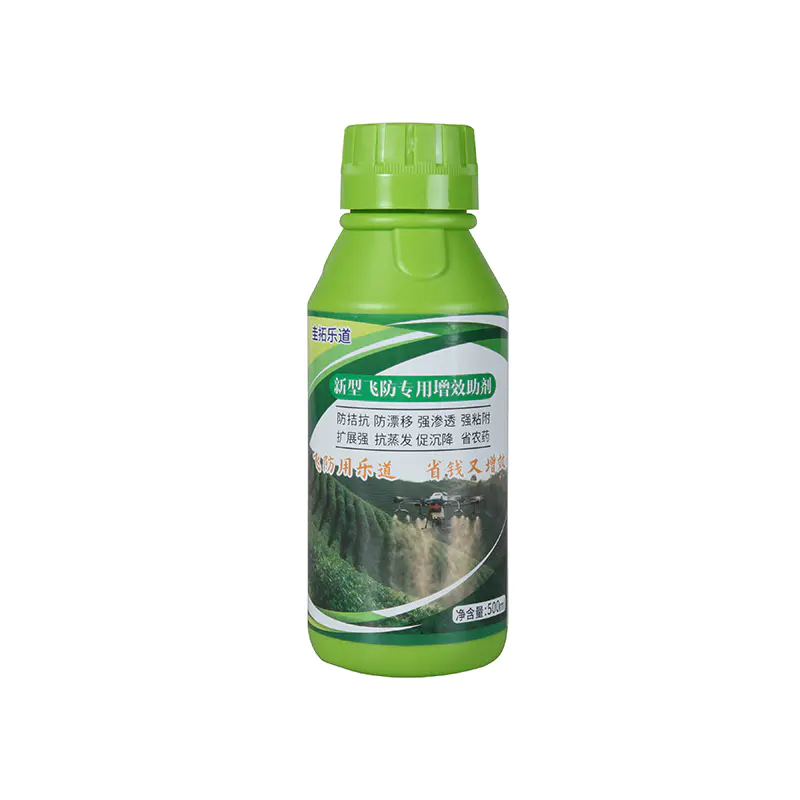
 Aerial Spraying Dedicated Adjuvant for Drone ApplicationsExamine this low-volume aerial adjuvant’s adhesion, anti-evaporation, drift reduction, and absorption features for drone spraying where drying and deposition vary.View Product →
Rainfastness and Weather Windows
Rainfastness is a time-dependent property, not a permanent shield. After application, the deposit must dry and reorganize before it can resist washoff. Humidity, temperature, wind, droplet size, and formulation all affect that drying time. A product that performs well in a cool, humid morning may behave differently under bright sun and low humidity.
0–30 minutes
Droplets are still mobile. Light rain can dilute or displace the deposit. Avoid spraying when rain is imminent unless the label supports a short rainfast window.
30–120 minutes
Drying and film formation progress. The deposit becomes more resistant, but heavy rain can still remove a significant share.
After drying
Retention is stronger, but repeated rain, dew, and leaf expansion can still reduce the deposit over time.
Use rainfastness data as a comparison tool between formulations, not as a promise that rain will have no effect. If the weather window is short, choose the application timing and adjuvant system that match the actual risk.
Foam, pH, and Hard Water: The Quiet Compatibility Killers
Foam is easy to see, but it is not the only compatibility problem. pH can change the hydrolysis rate of an organosilicone, especially in dilute tank mixes. Hard water can bind anionic components and reduce the effective surfactant concentration. High salt loads from fertilizers can cause phase separation or “salting out” of the adjuvant.
- Measure water hardness before choosing a rate; do not assume every water source behaves like the last one.
- Keep the tank mix within the pH range stated by the supplier; extremes shorten usable life.
- Use an anti-foam only if it is compatible with the active ingredients and does not remove the wetting benefit.
- Mix at the field, not hours in advance, when the formulation is sensitive to hydrolysis.
- Clean the sprayer thoroughly; residue from previous products can seed separation or foam.
A clean jar test with the actual water source is faster and cheaper than diagnosing a failed spray load in the field. Record the result so the next mix starts from evidence rather than memory.
Phytotoxicity and Crop Safety
Organosilicone can increase penetration of the active ingredient into the leaf. That is often the desired effect, but it also means crop safety depends on dose, crop stage, temperature, and tank-mix partner. Sensitive crops, young tissue, and high-temperature spraying deserve a more conservative approach.
Watch for these risk factors before increasing the adjuvant rate:
- Spraying during heat stress or at midday when the leaf surface is hot.
- Using a high adjuvant rate with an active ingredient that already has a strong solvent or penetrant.
- Mixing with fertilizers or other products that increase salt concentration.
- Repeated applications within a short interval on the same crop.
- Applying to young, tender leaves or to varieties with known sensitivity.
The safe approach is to test on a small area first and compare with an untreated strip. If the crop shows speckling, edge burn, or unusual curling after the test, reduce the adjuvant rate or remove the tank-mix partner before treating the whole block.
Storage, Handling, and Quality Checks
Organosilicone surfactants should be stored in closed containers, away from direct sunlight and extreme temperatures. Freezing can cause phase separation or a change in viscosity; high heat can accelerate hydrolysis. Before use, check the batch record and observe the product in the container. A clear, uniform liquid is expected for many formulations, but the supplier’s specification is the reference.
Incoming Inspection
Confirm batch number, production date, appearance, pH, and viscosity against the certificate of analysis. Keep a retained sample for traceability.
Dilution Water
Use clean water and check hardness. A water source that changed after heavy rain or seasonal turnover can alter compatibility.
Packaging Integrity
Check seals, closures, and drum liners. A damaged container can allow moisture ingress or contamination.
Traceability
Record the batch used in each spray block. If a performance issue appears, the batch record shortens the investigation.
Purchasing Checklist for Formulators and Spray Programs
When comparing organosilicone surfactants for crop protection, ask for data that can be checked against the intended use. A lower price per kilogram is not a saving if the product requires a higher dose, creates foam, or fails in hard water.
| Item | What to Request | Why It Matters |
|---|---|---|
| Active content | Declared percentage and test method | Allows a fair dose comparison between products. |
| pH | Typical value and stability range | Flags hydrolysis and compatibility risk. |
| Viscosity | Value at a stated temperature | Affects pumping, dilution, and handling. |
| Surface tension | Concentration and water hardness used | Prevents comparison of unrelated test conditions. |
| Dynamic data | Short-time surface tension or wetting time | Better predictor of spray performance. |
| Foam | Test method and result | Reduces loading and pump problems. |
| Compatibility | Jar-test notes with common partners | Shortens field troubleshooting. |
| Batch record | Certificate of analysis and retained sample | Supports traceability and repeatability. |
- Start with the lowest rate that passes the jar test and gives visible wetting improvement.
- Compare two products at equal active concentration, not equal product weight.
- Test with the local water source and the most sensitive tank-mix partner.
- Run a small field strip before changing the whole spray program.
- Record the result by block, crop stage, water volume, and weather.
Frequently Asked Questions About Organosilicone Surfactants in Crop Protection
What is the main benefit of an organosilicone surfactant in a spray tank?
Its main benefit is fast, strong reduction of surface tension, which helps the spray wet and spread on waxy or difficult leaf surfaces. That can improve coverage and retention when the active ingredient and application method are otherwise well matched.
Can I use organosilicone with every pesticide?
No. Compatibility depends on the active ingredient, formulation type, water quality, pH, and other tank-mix partners. A jar test with the exact field mix is the minimum check before broad use.
Is a higher adjuvant rate always better?
No. Above the useful rate, additional surfactant can increase runoff, foam, penetration, or crop safety risk. Use the lowest rate that gives stable wetting and good retention in a jar test and a small field strip.
How does organosilicone affect rainfastness?
Some formulations support rainfastness by helping the deposit form a more coherent film after drying. The effect is time-dependent and weather-dependent. It does not replace good application timing when heavy rain is expected soon after spraying.
Why does my organosilicone mix foam more than expected?
Foam can come from overmixing, high pump shear, water quality, an incompatible partner, or a formulation that is not optimized for low-foam application. Check the order of addition and use a dedicated low-foam product for aerial or low-volume spraying.
Does hard water reduce organosilicone performance?
It can. Hard water contains ions that may interact with surfactant components or other tank-mix partners. The effect varies by formulation, so compare products using the actual water source rather than distilled water alone.
What should I check on a supplier’s data sheet?
Look for active content, pH, viscosity, static and dynamic surface tension, foam behavior, recommended dilution range, storage conditions, and batch-specific certificates. Data without test conditions is difficult to compare.
Can organosilicone be used in aerial or UAV spraying?
Yes, when the product is designed for low-volume application and is compatible with the tank mix. Foam control, fast wetting, and stable dilution are more important in aerial work because the mixing and deposition window is short.

Contact Information
Tel : +86-400-138-5268
Email : [email protected]
Phone : +86-15128434888 / +86-13511051998
Add : Xinqiao Environmental Protection Industrial Park, Wen'an County, Langfang City, Hebei Province, China
Contact Information
Copyright © Hebei Guituo New Material Co., Ltd. All Rights Reserved.
