

 English
  Français
  Português

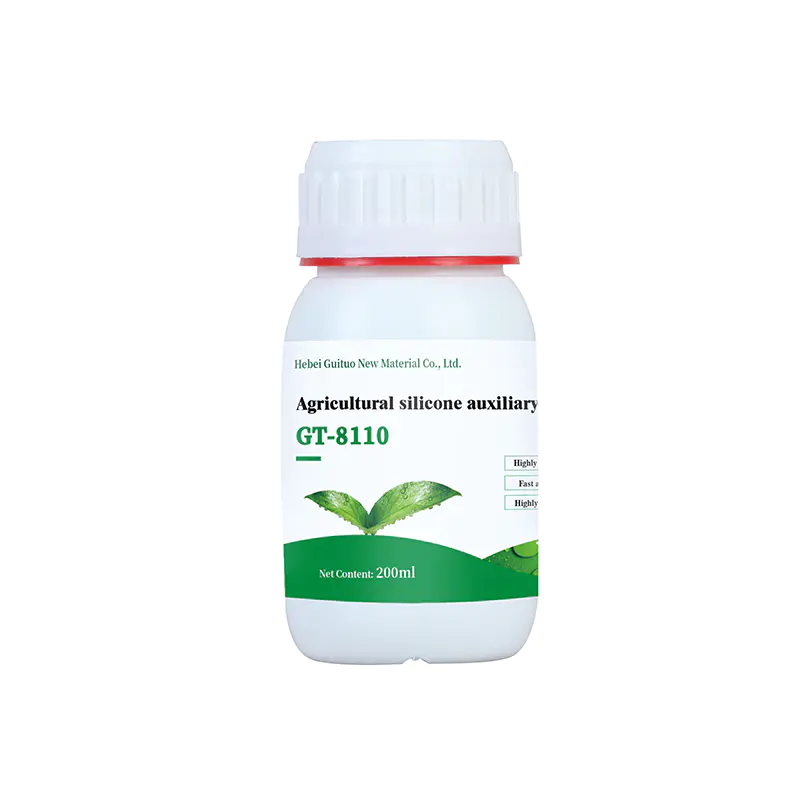
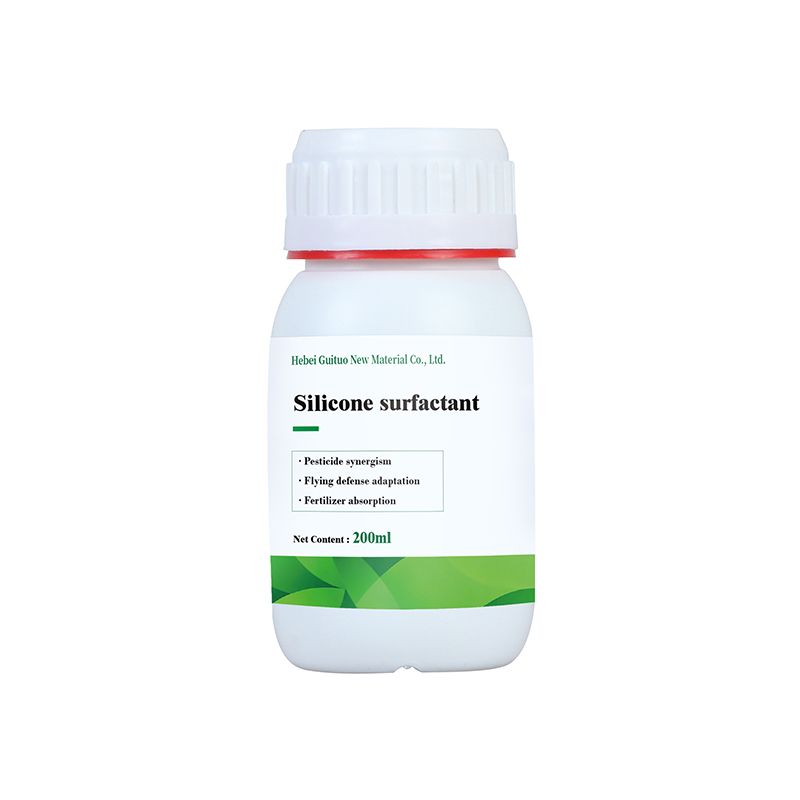
Hebei Guituo New Materials Co., Ltd. is a high-tech enterprise integrating R&D, production, and sales. As China Emulsified Silicone Oil Manufacturers and Emulsified Silicone Oil Suppliers, The company has always taken technology as the core driving force, focusing on the in-depth development and innovative application of high-end silicone materials in industrial and agricultural fields. It is a professional new materials enterprise with considerable influence in the industry. To ensure product quality and stable supply, the company has established a comprehensive guarantee system: it is equipped with internationally advanced production equipment and precise testing facilities, and has built a full-process quality monitoring mechanism from the production source to the delivery of finished products. It has assembled an experienced technical and production team with strong professional skills. With profound industry accumulation and precise technical control, it ensures that every product meets high standards.
In terms of product layout, the company has built a rich and diverse product matrix, covering silicone additives, wetting agents, modified silicone oil, dimethyl silicone oil, surfactants, defoamers, and other series, which are widely used in agriculture, daily chemicals, electronics, textiles, and other fields. Among them, the agricultural silicone products stand out for their outstanding quality, reaching an advanced domestic level. With excellent performance in multiple core indicators, they are favored by leading domestic agrochemical enterprises and have become their designated procurement products. At the same time, the company's products are exported to overseas markets such as Europe and Southeast Asia, winning wide recognition from overseas customers with stable performance and reliable quality, and achieving good market feedback through continuous repurchases. In addition, the company accepts OEM and ODM orders.

Chemical Raw Materials
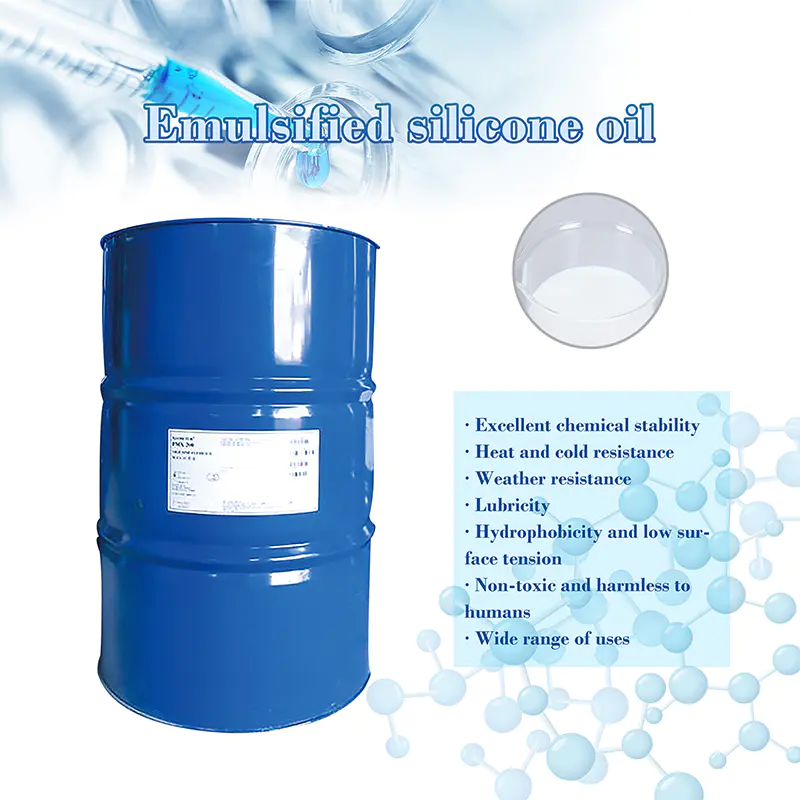
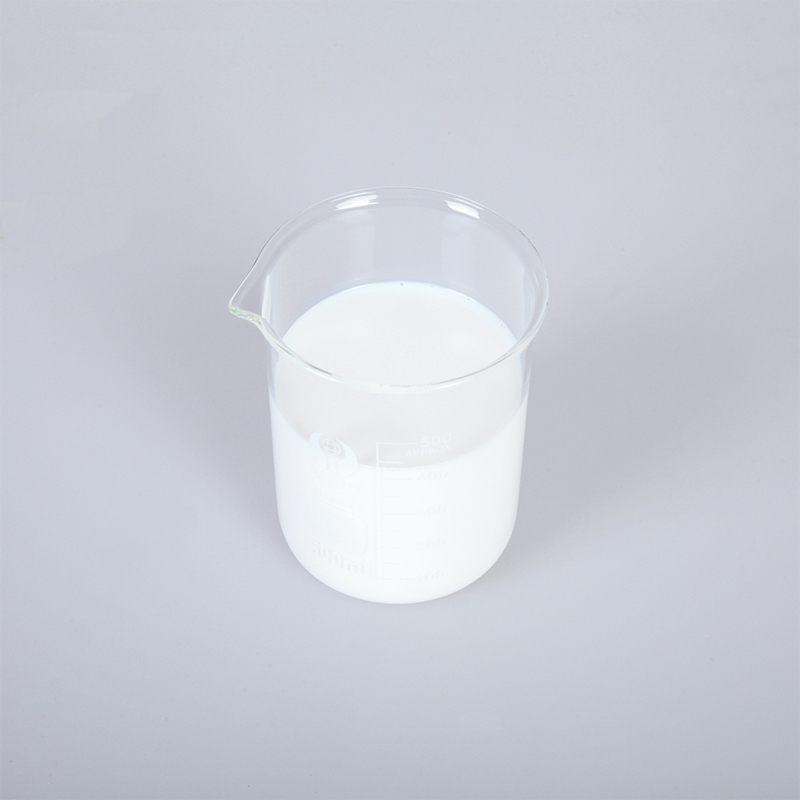
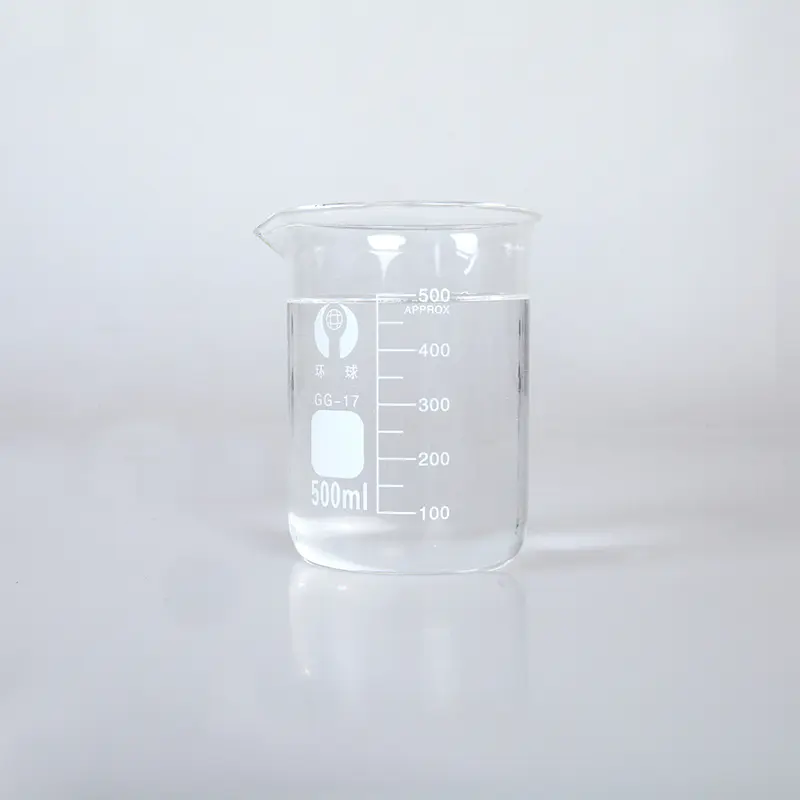
Emulsified Silicone Oil
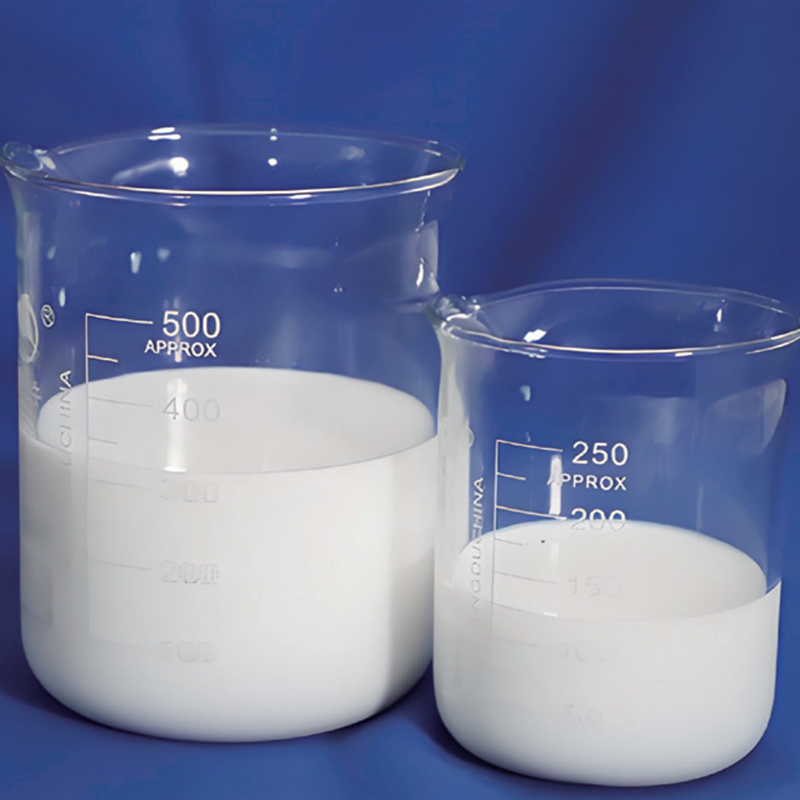
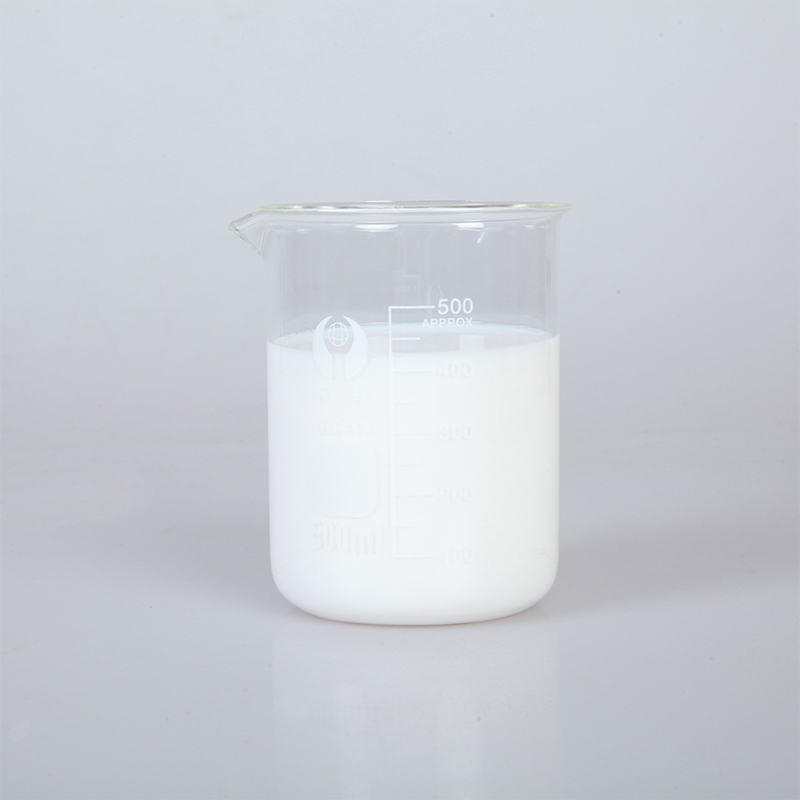
A white viscous liquid, insoluble in ethanol and methanol, soluble in aromatic hydrocarbons, aliphatic hydrocarbons, and chlorinated hydrocarbons (such as benzene, carbon tetrachloride). In addition, emulsified silicone oil has excellent chemical stability, heat and cold resistance, weather resistance, lubricity, water repellency, and low surface tension, and is non-toxic and harmless to humans, making it widely used in personal care, food production, fermentation industry, and so on.
It can be used in hair care products, leather polishes, automotive, furniture, flooring, metal processing, polyurethane, plastics, rubber, glass, ceramics, stone, textiles, paper, and wood industries for mold release, polishing, anti-stick function of plastic films, metal anti-rust, smoothing and combing additive in shampoos, cleaning and water repellency, and defoaming in water-based coatings.
Related Products
About Us

Hebei Guituo New Material Co., Ltd.
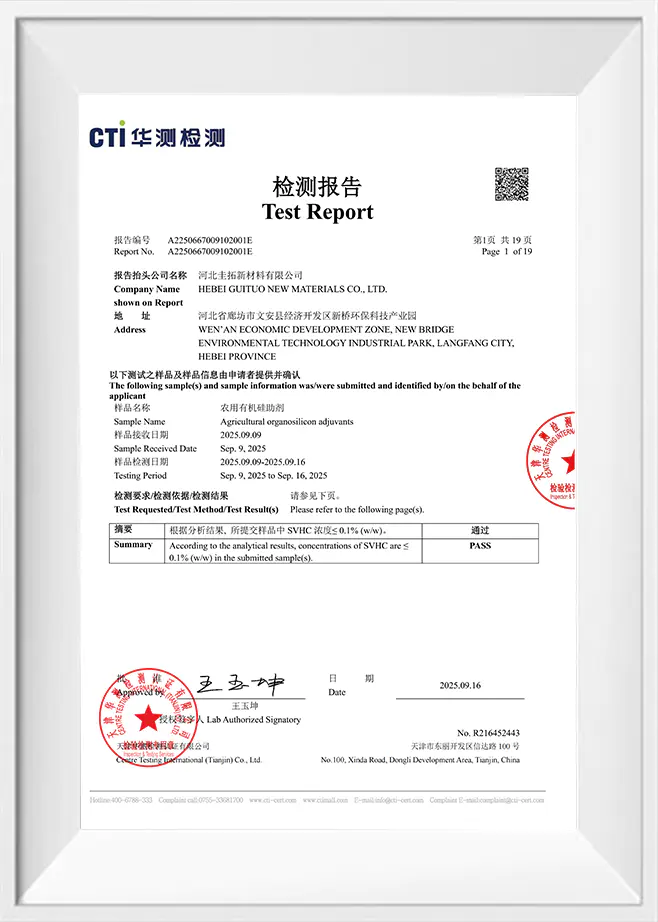
Certificate Of Honour
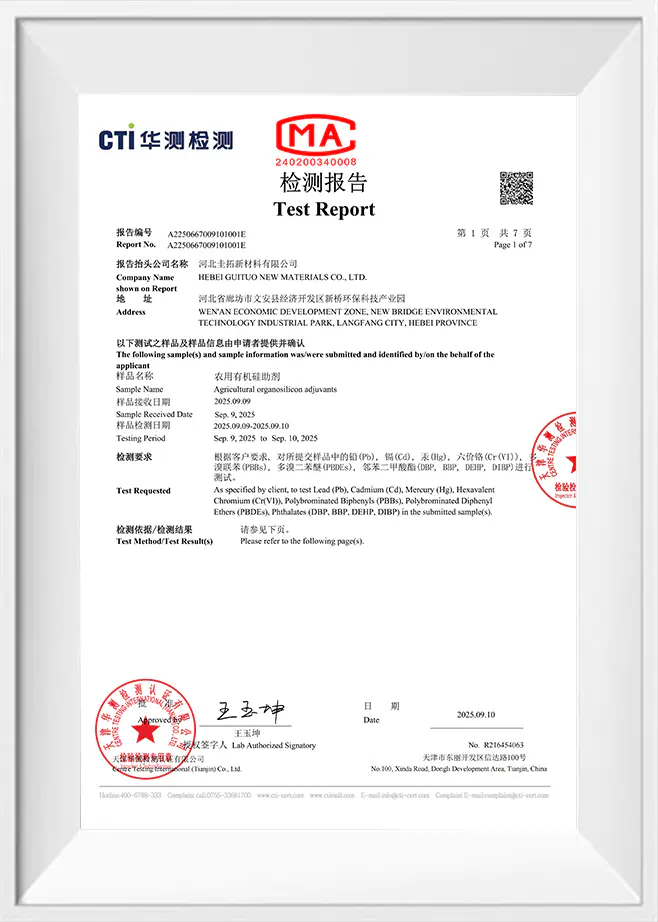
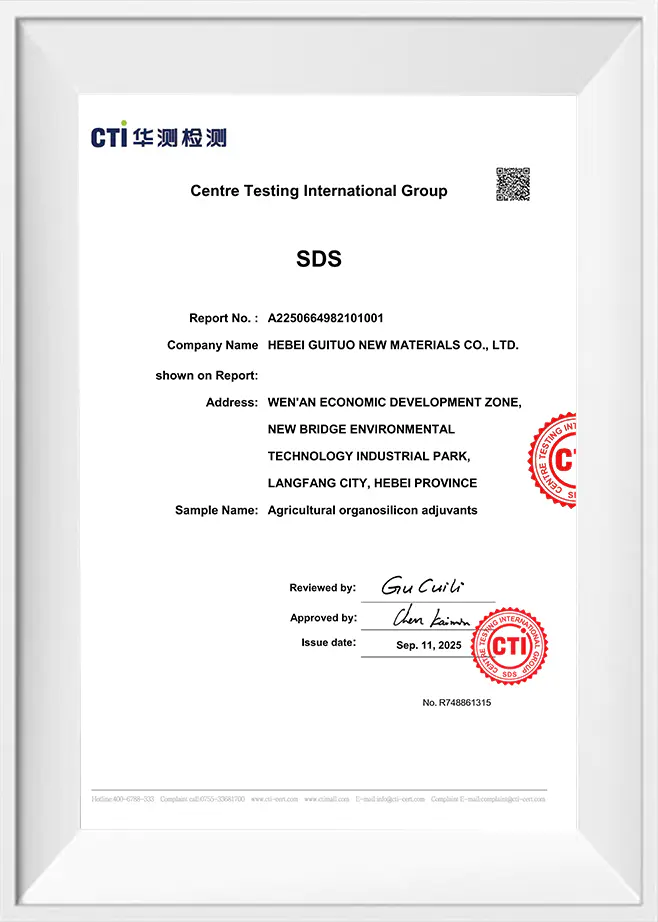
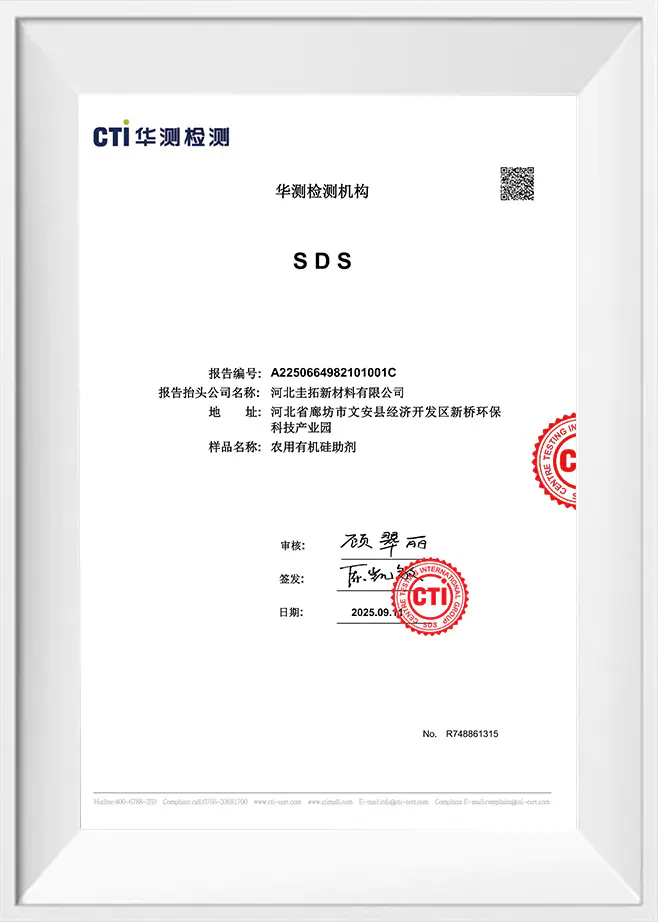
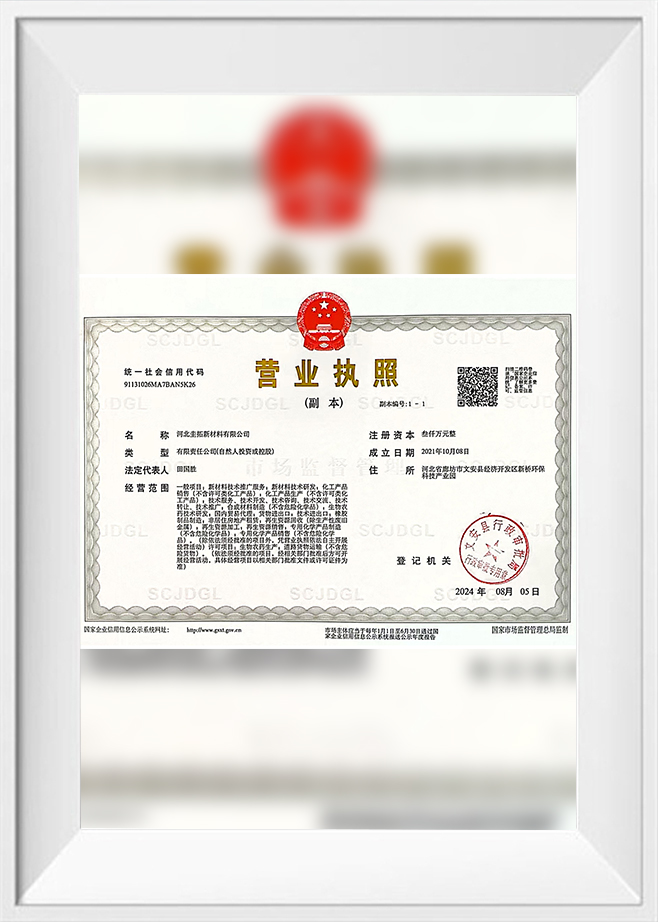
Message Feedback
Industry knowledge
Performance Considerations for Emulsified Silicone Oil in Different Application Areas
Overview of Emulsified Silicone Oil
Emulsified silicone oil is a dispersion of silicone oil in water or other polar solvents, stabilized by surfactants or emulsifying agents. Its performance depends on factors such as silicone oil viscosity, type of emulsifier, droplet size, and the overall stability of the emulsion. Hebei Guituo New Material Co., Ltd., with its comprehensive product matrix of modified silicone oil, dimethyl silicone oil, surfactants, and wetting agents, provides emulsified silicone oil formulations tailored for different industrial applications including agriculture, daily chemicals, electronics, and textiles.
Influence of Emulsion Stability on Application Performance
The stability of emulsified silicone oil is a critical performance consideration. Stable emulsions resist phase separation, sedimentation, and droplet coalescence during storage and processing. In agricultural formulations, stable emulsions ensure even spreading and uniform coating on plant surfaces. In daily chemical products such as shampoos or detergents, stability prevents visual defects and maintains consistent foam and wetting behavior. Hebei Guituo New Material Co., Ltd. emphasizes the selection of suitable surfactants and polymeric stabilizers to maintain long-term emulsion integrity.
Viscosity and Droplet Size Considerations
The viscosity of the base silicone oil affects the size of droplets in the emulsion and the overall flow behavior. Lower viscosity oils produce finer droplets that disperse more easily and provide rapid spreading. Higher viscosity oils create larger droplets that may enhance lubrication and surface coverage. The selection of droplet size is often application-specific. For instance, in electronics and textile processing, moderate droplet sizes balance spreading with surface protective effects. Hebei Guituo New Material Co., Ltd. tailors its emulsified silicone oil formulations to align viscosity and droplet characteristics with end-use requirements.
| Viscosity of Silicone Oil | Typical Droplet Behavior | Common Application Focus |
|---|---|---|
| Low viscosity | Fine droplets, rapid dispersion | Agricultural sprays, aqueous formulations |
| Medium viscosity | Balanced droplet size | Textile finishing, surface coating |
| High viscosity | Larger droplets, thicker coverage | Electronics lubrication, protective layers |
Compatibility with Formulation Components
Emulsified silicone oil must be compatible with other formulation ingredients such as surfactants, defoamers, active compounds, and solvents. In agriculture, compatibility ensures that the emulsion does not interfere with the efficacy of pesticides or fertilizers. In daily chemicals, compatibility prevents destabilization of foams and maintains uniform product texture. Hebei Guituo New Material Co., Ltd. designs emulsions that integrate effectively with other silicone additives, wetting agents, and functional excipients to ensure stable multi-component formulations.
Wetting and Spreading Performance
One of the key advantages of emulsified silicone oil is its ability to reduce surface tension and improve wetting on hydrophobic surfaces. In agriculture, this translates to improved coverage of plant leaves and enhanced deposition of active ingredients. In textile processing, emulsions help achieve uniform coating and fiber penetration. The balance between silicone oil viscosity, droplet size, and surfactant selection is crucial for achieving the desired wetting and spreading performance in each application area.
Temperature and Environmental Factors
Temperature variations and environmental conditions can influence the performance of emulsified silicone oil. High temperatures may reduce emulsion stability, leading to coalescence or separation, while low temperatures can increase viscosity and hinder flow. For outdoor agricultural use, emulsions need to maintain stability across a range of climatic conditions. Hebei Guituo New Material Co., Ltd. evaluates its emulsified silicone oils under different environmental conditions to ensure consistent performance in practical applications.
Foam Control and Defoaming Considerations
Emulsified silicone oil can also play a role in foam control when used in formulations that generate bubbles during mixing or application. The defoaming efficiency depends on droplet size, silicone oil viscosity, and emulsion stability. In daily chemical products and industrial processes, maintaining controlled foam levels is important to achieve consistent performance and prevent defects. Hebei Guituo New Material Co., Ltd. often combines emulsified silicone oil with compatible defoamers to achieve the desired balance between spreading, coating, and foam suppression.
| Application Area | Key Performance Considerations | Evaluation Metrics |
|---|---|---|
| Agriculture | Wetting, spreading, active ingredient compatibility | Leaf coverage, deposition uniformity |
| Daily chemicals | Emulsion stability, foam control, texture | Visual clarity, foam consistency |
| Textiles | Coating uniformity, fiber penetration | Surface coverage, fiber wettability |
| Electronics | Surface protection, lubrication | Layer thickness, spread efficiency |
Tailoring Emulsified Silicone Oil for Specific Applications
The performance of emulsified silicone oil can be optimized for each application by adjusting silicone oil viscosity, polyether modification, surfactant selection, and emulsion preparation method. Hebei Guituo New Material Co., Ltd. leverages its wide range of silicone additives, modified silicone oils, and surfactants to provide tailored emulsified silicone oil formulations that meet the unique requirements of agriculture, daily chemicals, electronics, and textile processing industries.
FAQ
Q: How does emulsified silicone oil perform in agricultural formulations?
A: In agriculture, emulsified silicone oil improves wetting and spreading on plant surfaces, enhancing the deposition of active ingredients. Hebei Guituo New Material Co., Ltd.’s agricultural silicone products are formulated to provide stable emulsions that maintain uniform coverage in water-based agrochemical applications.
Q: What role does droplet size play in the performance of emulsified silicone oil?
A: Droplet size influences dispersion, spreading, and surface coverage. Smaller droplets disperse quickly and provide rapid wetting, while larger droplets may contribute to thicker coatings and more controlled spreading. Adjusting droplet size helps align the performance of emulsified silicone oil with specific application requirements.
Q: Is emulsified silicone oil compatible with other formulation components?
A: Yes, emulsified silicone oil is generally compatible with surfactants, defoamers, and other additives. Proper formulation ensures that the emulsion remains stable without causing phase separation or interfering with other ingredients. Hebei Guituo New Material Co., Ltd. integrates surfactants and additives to optimize compatibility for different industrial systems.
Q: How does emulsified silicone oil help in foam control?
A: Emulsified silicone oil can reduce unwanted foam generated during mixing or application processes. Its surface-active properties disrupt foam formation, which is important in both daily chemical products and industrial applications. Combining emulsified silicone oil with defoamers can enhance foam suppression without compromising dispersion.
Q: In which industries is emulsified silicone oil commonly applied?
A: Emulsified silicone oil is widely used in agriculture, daily chemicals, electronics, and textiles. In each field, it provides benefits such as improved wetting, coating uniformity, lubrication, and formulation stability. Hebei Guituo New Material Co., Ltd. supplies emulsified silicone oil tailored for these diverse applications.
Q: What factors should be considered when selecting emulsified silicone oil for a specific application?
A: Key factors include silicone oil viscosity, emulsion stability, droplet size, surfactant type, and compatibility with other formulation components. By adjusting these parameters, emulsified silicone oil can be optimized for wetting, spreading, lubrication, and foam control in different industrial systems.

Contact Information
Tel : +86-400-138-5268
Email : [email protected]
Phone : +86-15128434888 / +86-13511051998
Add : Xinqiao Environmental Protection Industrial Park, Wen'an County, Langfang City, Hebei Province, China
Contact Information
Copyright © Hebei Guituo New Material Co., Ltd. All Rights Reserved.
