

 English
  Français
  Português
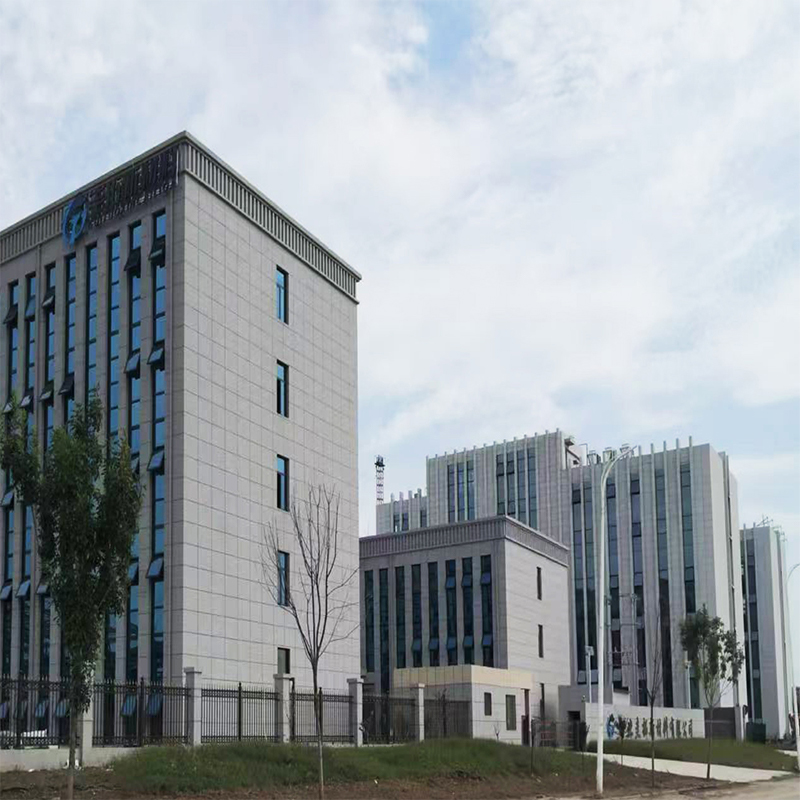
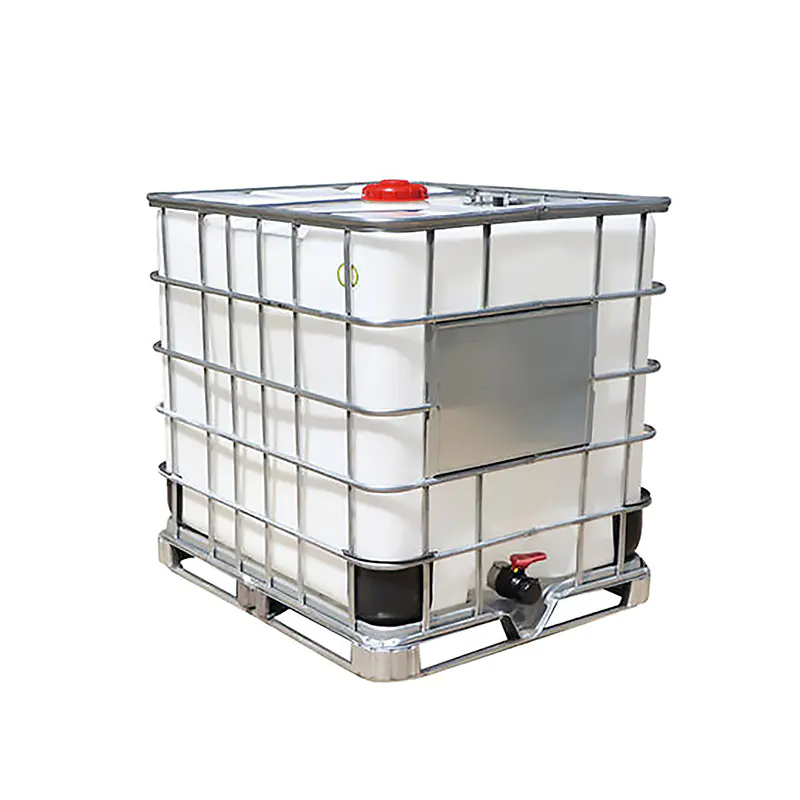
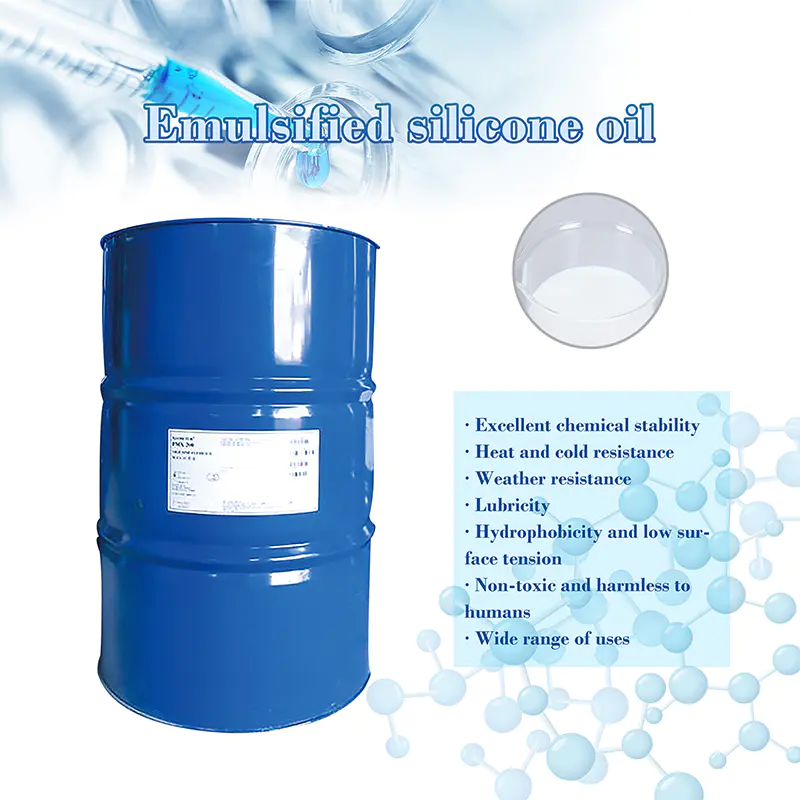
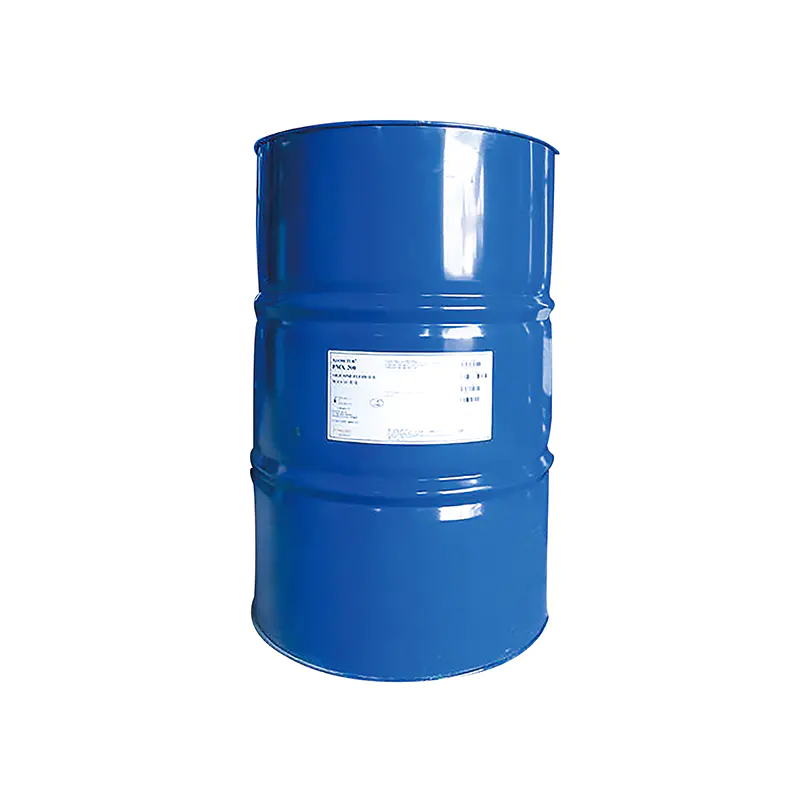
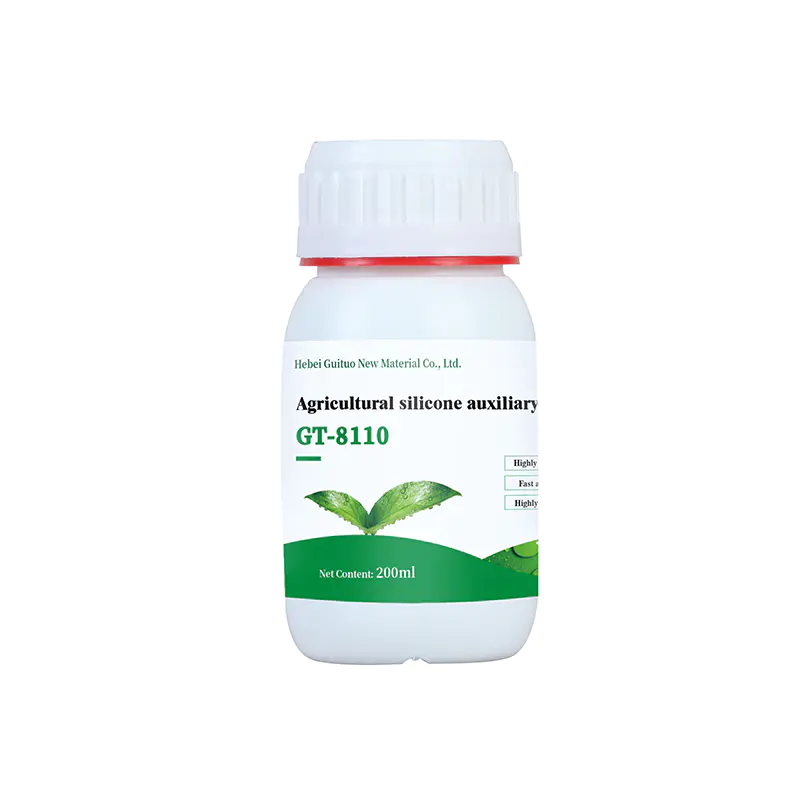
Hebei Guituo New Materials Co., Ltd. is a high-tech enterprise integrating R&D, production, and sales. As China 107 Silicone Rubber Manufacturers and 107 Silicone Rubber Suppliers, The company has always taken technology as the core driving force, focusing on the in-depth development and innovative application of high-end silicone materials in industrial and agricultural fields. It is a professional new materials enterprise with considerable influence in the industry. To ensure product quality and stable supply, the company has established a comprehensive guarantee system: it is equipped with internationally advanced production equipment and precise testing facilities, and has built a full-process quality monitoring mechanism from the production source to the delivery of finished products. It has assembled an experienced technical and production team with strong professional skills. With profound industry accumulation and precise technical control, it ensures that every product meets high standards.
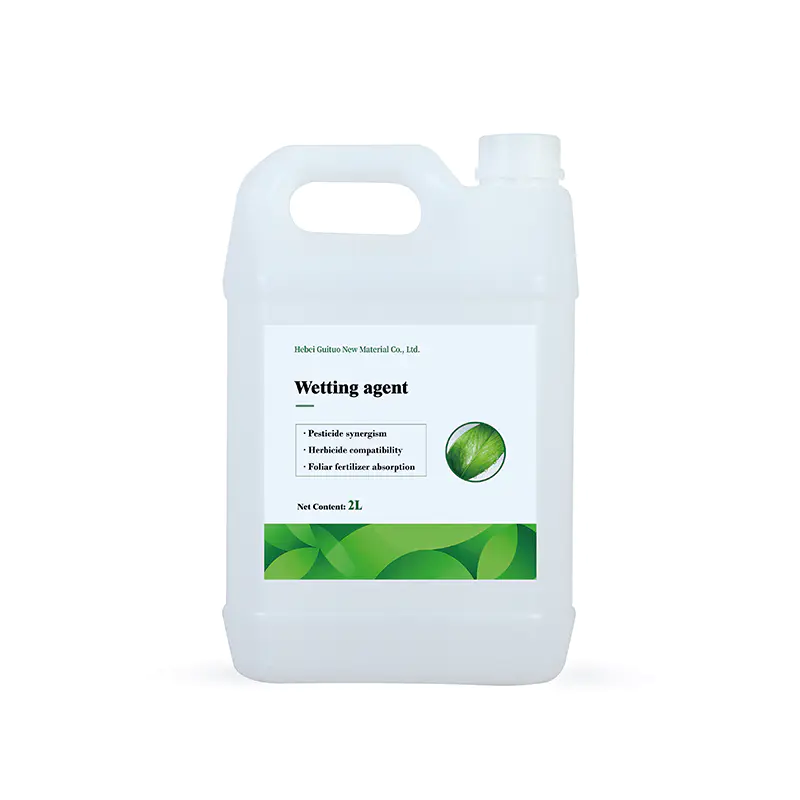
In terms of product layout, the company has built a rich and diverse product matrix, covering silicone additives, wetting agents, modified silicone oil, dimethyl silicone oil, surfactants, defoamers, and other series, which are widely used in agriculture, daily chemicals, electronics, textiles, and other fields. Among them, the agricultural silicone products stand out for their outstanding quality, reaching an advanced domestic level. With excellent performance in multiple core indicators, they are favored by leading domestic agrochemical enterprises and have become their designated procurement products. At the same time, the company's products are exported to overseas markets such as Europe and Southeast Asia, winning wide recognition from overseas customers with stable performance and reliable quality, and achieving good market feedback through continuous repurchases. In addition, the company accepts OEM and ODM orders.

Chemical Raw Materials
107 Silicone Rubber
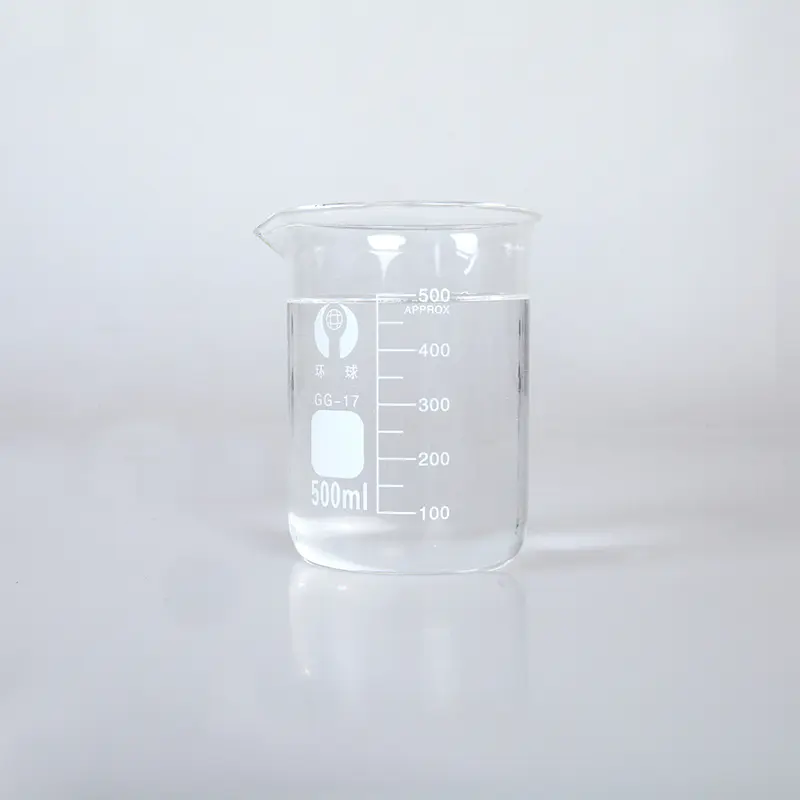
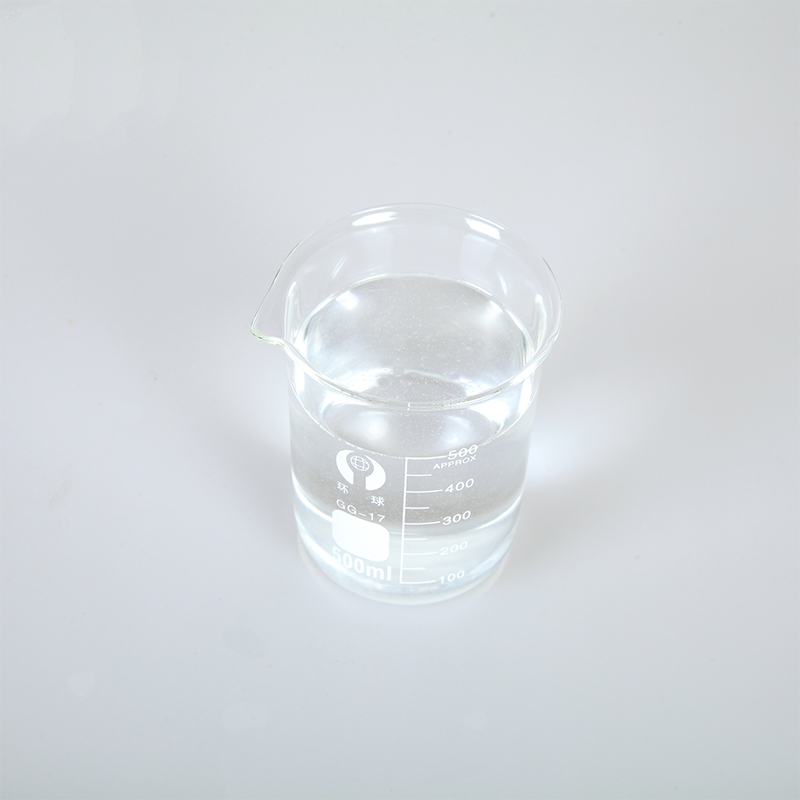
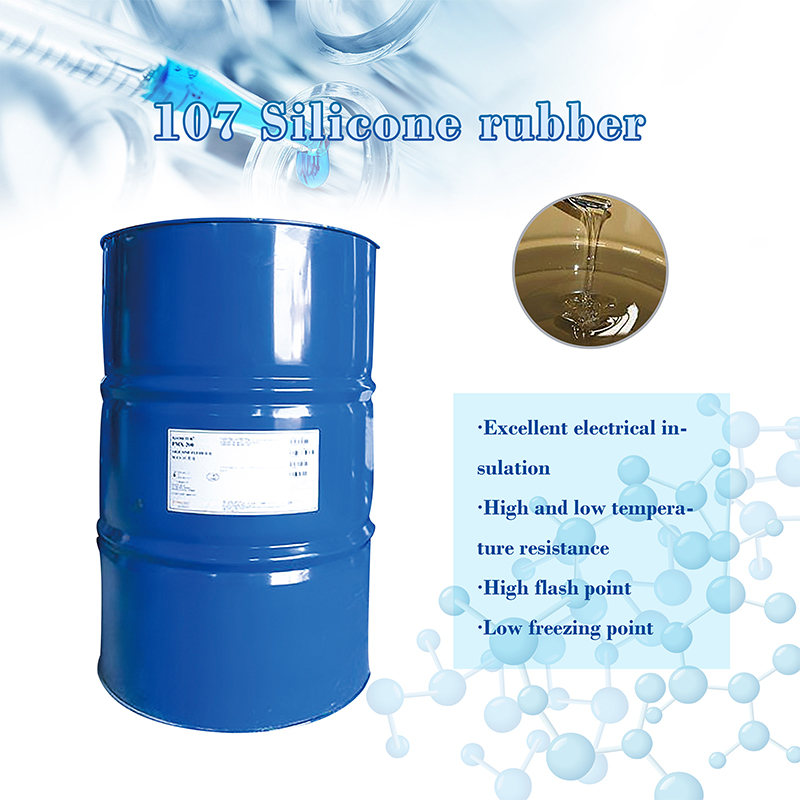
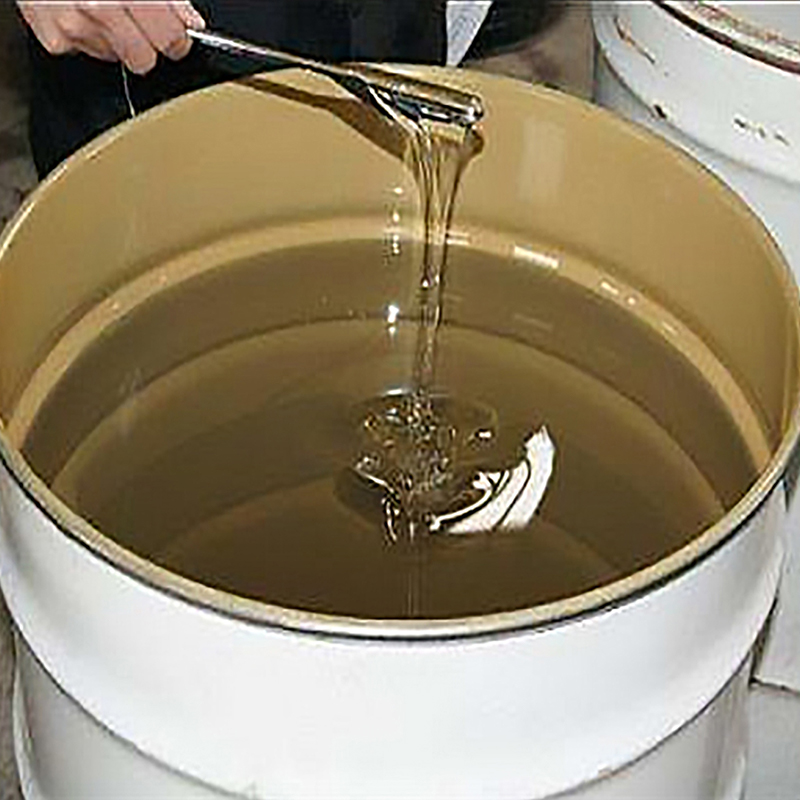
The chemical name of 107 silicone rubber is α,ω -dihydroxy polydimethylsiloxane. Conventionally, hydroxyl silicone oils with a viscosity above 2500 mPa·s are referred to as 107 silicone rubber. In addition to the general properties of methyl silicone oil, this product also possesses the reactive activity of hydroxyl groups, which can be used to produce some new materials or crosslink into elastomers (or films). 107 silicone rubber is a colorless and transparent liquid with excellent electrical insulation and high and low temperature resistance, a high flash point, and a low freezing point. It can be used long-term under conditions of -50 °C to +250 °C, with low temperature-viscosity coefficient, high compressibility, low surface tension, good water repellency and moisture resistance, chemical inertness, and physiological inertness.
Related Products
About Us
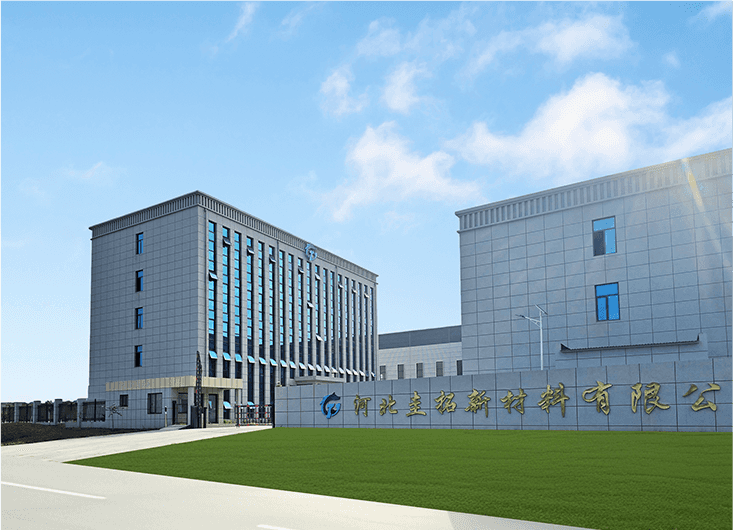
Hebei Guituo New Material Co., Ltd.
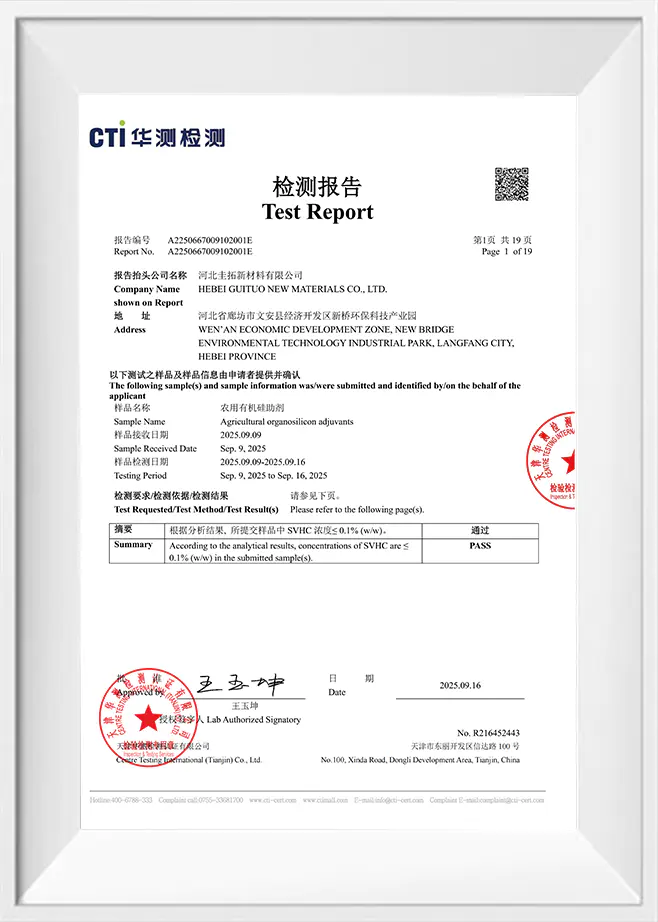
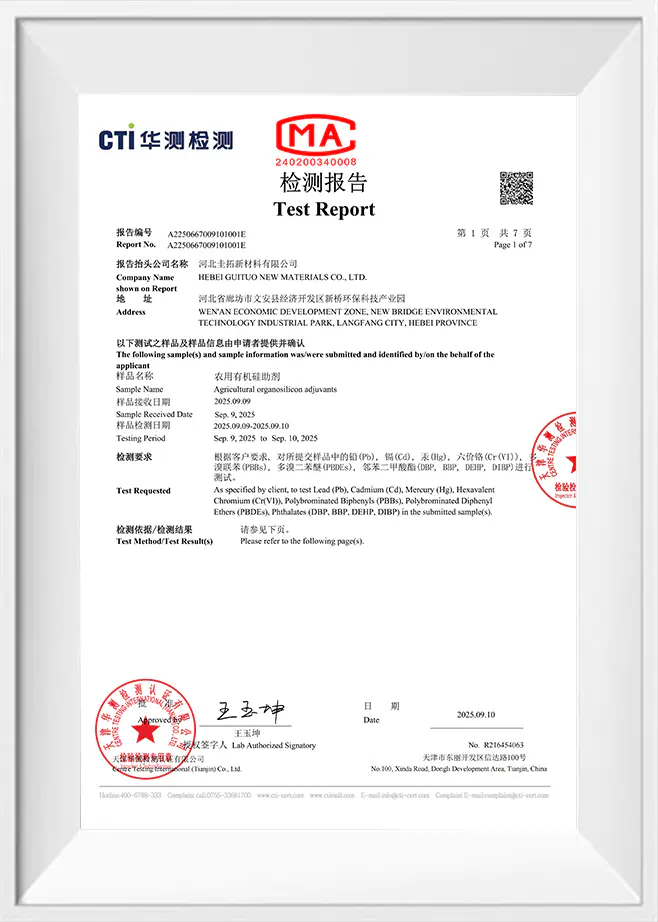
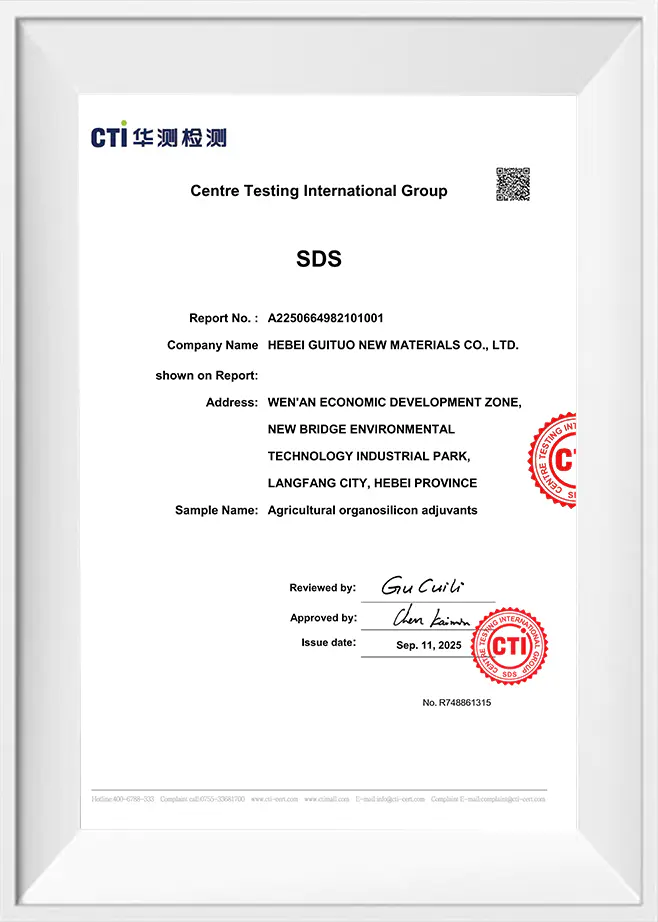
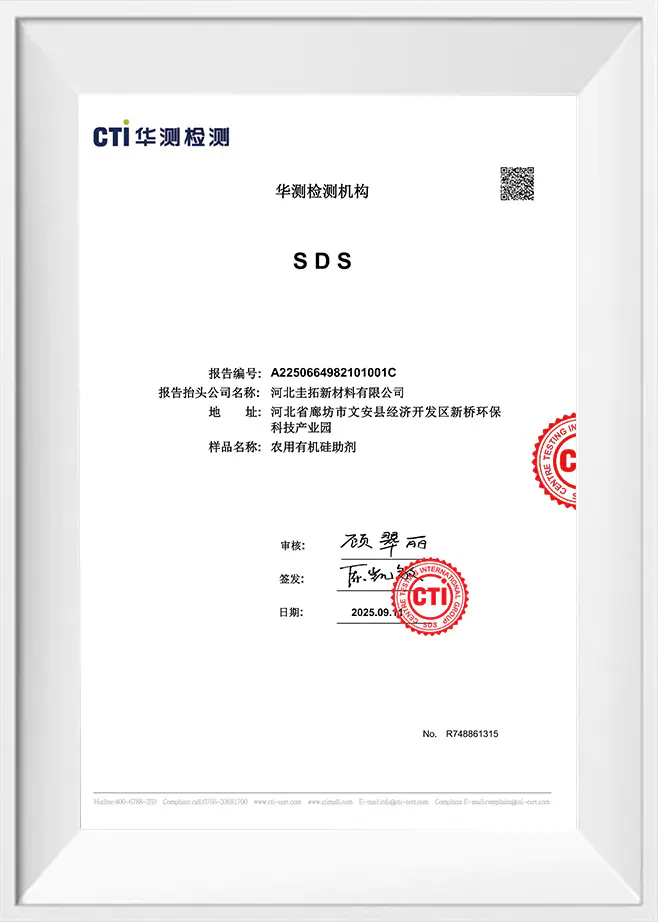
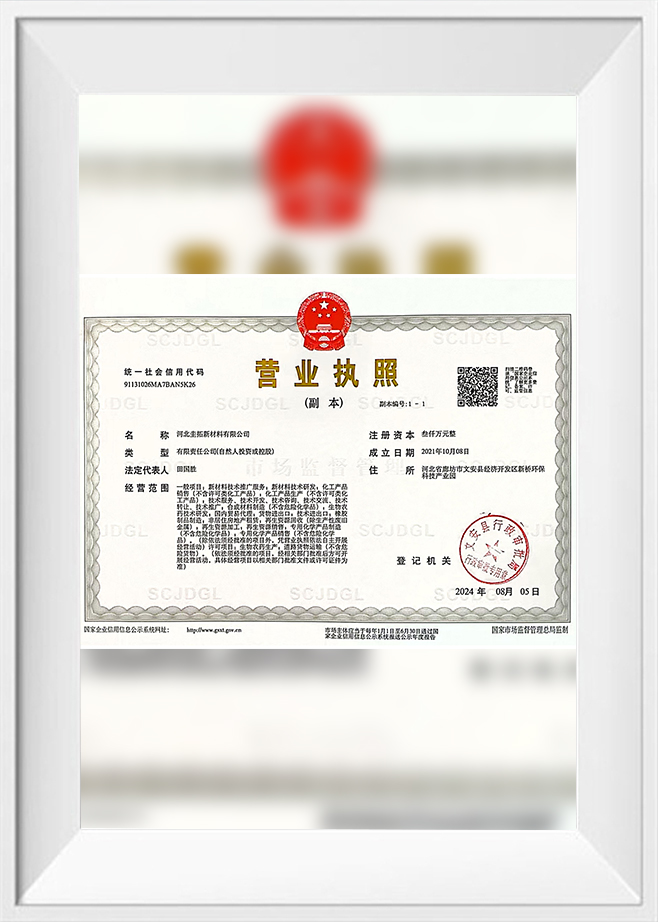
Certificate Of Honour
Message Feedback
Industry knowledge
How Does the Viscosity Range of 107 Silicone Rubber Affect Its Performance and Processing?
Basic Characteristics of 107 Silicone Rubber and Viscosity Definition
107 silicone rubber is a linear polysiloxane material that is widely used as a base polymer in silicone products. Its viscosity range is one of the most important physical parameters because it directly reflects the molecular weight and chain length of the polymer. In practical applications, viscosity determines the flow behavior, coating ability, and compatibility with additives. For manufacturers such as Hebei Guituo New Material Co., Ltd., which provides dimethyl silicone oil, modified silicone oil, and silicone additives, controlling the viscosity range of 107 silicone rubber is essential to ensure that downstream formulations meet specific processing and application requirements.
Relationship Between Viscosity and Molecular Structure
The viscosity of 107 silicone rubber increases with molecular weight and polymer chain entanglement. Low-viscosity grades typically have shorter molecular chains, resulting in better fluidity, while high-viscosity grades contain longer chains that create stronger intermolecular interactions. This structural difference influences not only processing behavior but also final material performance. In silicone systems that incorporate wetting agents and surfactants, viscosity matching is important to achieve stable dispersion and uniform performance across different industrial applications.
Impact of Low Viscosity on Processing Behavior
Low-viscosity 107 silicone rubber is easier to pump, mix, and meter during processing. This property is beneficial in automated production lines where precise dosing and smooth flow are required. In applications such as agricultural formulations and daily chemical processing, lower viscosity materials help reduce mixing energy and support efficient blending with functional additives. Hebei Guituo New Material Co., Ltd. considers these characteristics when supplying silicone raw materials for customers who require controlled flow behavior and consistent processing conditions.
Influence of High Viscosity on Mechanical and Film-Forming Properties
High-viscosity 107 silicone rubber tends to provide stronger film-forming capability and higher elasticity after curing or crosslinking. These properties are often required in applications where surface durability, elasticity, or long-term stability is needed. In electronics and textile processing, higher viscosity grades can contribute to more stable coatings and controlled surface properties. However, higher viscosity also increases processing resistance, which requires suitable equipment and formulation adjustments.
| Viscosity Range | Typical Processing Behavior | Common Application Direction |
|---|---|---|
| Low viscosity | Easy flow and mixing | Agricultural formulations, daily chemicals |
| Medium viscosity | Balanced flow and film formation | General industrial silicone systems |
| High viscosity | Higher resistance during processing | Electronics, textile finishing |
Effect of Viscosity on Compatibility with Additives
The viscosity range of 107 silicone rubber affects how well it interacts with additives such as defoamers, wetting agents, and modified silicone oils. Lower viscosity systems allow additives to disperse more easily, reducing the risk of phase separation. Higher viscosity systems may require more controlled mixing conditions to ensure uniform distribution. Hebei Guituo New Material Co., Ltd., with its diverse product matrix, often supports customers by providing compatible silicone additives that align with different viscosity grades.
Processing Temperature and Viscosity Control
Viscosity is temperature-dependent, meaning that processing conditions can significantly influence material behavior. As temperature increases, the viscosity of 107 silicone rubber decreases, improving flow and reducing processing resistance. This relationship is important for manufacturers aiming to optimize production efficiency without compromising material stability. In agricultural silicone products, where processing consistency is critical, temperature control combined with suitable viscosity selection helps maintain stable production performance.
Viscosity Influence on Coating and Surface Performance
In coating applications, viscosity directly affects layer thickness, leveling behavior, and surface uniformity. Low-viscosity silicone rubber tends to spread more easily, forming thinner and more uniform coatings. High-viscosity grades can create thicker layers but may require additional control to avoid surface irregularities. In textile and electronics industries, where surface properties are closely monitored, selecting an appropriate viscosity range is a key step in formulation design.
Role of Viscosity in Shelf Stability and Storage
The viscosity range of 107 silicone rubber also influences storage stability. Materials with suitable viscosity are less prone to separation or sedimentation when combined with other formulation components. Hebei Guituo New Material Co., Ltd. evaluates viscosity stability as part of its quality control process to ensure that silicone materials maintain consistent properties during transportation and storage across different environments.
| Viscosity Stability Factor | Evaluation Focus | Practical Significance |
|---|---|---|
| Temperature variation | Viscosity change trend | Processing adaptability |
| Long-term storage | Viscosity drift | Formulation consistency |
| Additive interaction | Uniformity over time | Product reliability |
Application-Specific Viscosity Selection Strategy
Different industries require different viscosity ranges to balance performance and processing efficiency. In agriculture, where silicone materials are often used to improve formulation behavior, moderate to low viscosity grades support easy blending and application. In electronics and textile finishing, higher viscosity grades may be selected to support stable coatings and controlled surface performance. Hebei Guituo New Material Co., Ltd. aligns its silicone rubber and related products with these varied requirements, ensuring that viscosity selection supports both processing feasibility and functional expectations.
Viscosity as a Key Indicator in Product Customization
Viscosity is often used as a primary parameter when customizing silicone materials for specific customers. By adjusting polymerization conditions and formulation ratios, manufacturers can supply 107 silicone rubber with controlled viscosity ranges. This flexibility supports the development of tailored solutions that integrate smoothly with wetting agents, surfactants, and defoamers. For companies serving multiple sectors, such as Hebei Guituo New Material Co., Ltd., viscosity control is an important factor in maintaining product adaptability across diverse industrial fields.
FAQ
Q: What is 107 silicone rubber and what are its basic characteristics?
A: 107 silicone rubber is a linear polysiloxane material commonly used as a base polymer in silicone formulations. It is known for its adjustable viscosity range, chemical stability, and compatibility with various silicone additives. This material is widely applied in agriculture, daily chemicals, electronics, and textile processing, aligning well with the product layout of Hebei Guituo New Material Co., Ltd.
Q: How is 107 silicone rubber related to dimethyl silicone oil?
A: 107 silicone rubber can be considered a higher molecular weight form of dimethyl silicone oil. As the molecular chain length increases, the material transitions from low-viscosity silicone oil to rubber-like behavior. Hebei Guituo New Material Co., Ltd. supplies both dimethyl silicone oil and modified silicone oil, which are often used together with 107 silicone rubber in formulation design.
Q: What role does viscosity play in the application of 107 silicone rubber?
A: Viscosity directly affects the flow, mixing, and processing behavior of 107 silicone rubber. Lower viscosity grades are easier to blend and pump, while higher viscosity grades support stronger film formation and elasticity. Selecting an appropriate viscosity range helps ensure stable processing and suitable performance in different industrial applications.
Q: In which industries is 107 silicone rubber commonly used?
A: 107 silicone rubber is commonly used in agriculture-related formulations, daily chemical products, electronic materials, and textile finishing. In agricultural silicone products, it supports formulation stability and functional performance, which is consistent with the application focus of Hebei Guituo New Material Co., Ltd.
Q: How does 107 silicone rubber interact with surfactants and wetting agents?
A: 107 silicone rubber relies on surfactants and wetting agents to improve dispersion and compatibility in complex formulations. These components help the silicone polymer spread evenly and integrate with other ingredients. Hebei Guituo New Material Co., Ltd.’s range of wetting agents and surfactants is often used to support such interactions.
Q: Can 107 silicone rubber be used together with defoamers?
A: Yes, defoamers are often incorporated into formulations containing 107 silicone rubber to control foam generation during mixing and application. Proper defoamer selection helps maintain uniformity and processing consistency, especially in large-scale industrial production.
Q: What factors should be considered when selecting 107 silicone rubber for agricultural applications?
A: When selecting 107 silicone rubber for agricultural applications, factors such as viscosity range, compatibility with agrochemical ingredients, processing conditions, and storage stability should be considered. Hebei Guituo New Material Co., Ltd. combines these factors with its experience in agricultural silicone products to support practical and reliable formulation development.

Contact Information
Tel : +86-400-138-5268
Email : [email protected]
Phone : +86-15128434888 / +86-13511051998
Add : Xinqiao Environmental Protection Industrial Park, Wen'an County, Langfang City, Hebei Province, China
Contact Information
Copyright © Hebei Guituo New Material Co., Ltd. All Rights Reserved.
