

 English
  Français
  Português

Low Surface Tension Silicone Surfactant
Technical-grade trisiloxane surfactant engineered around one specification — surface tension near the practical floor of the chemistry — for ULV aerial/drone application and formulation R&D reference use.
Explore our adjuvant range
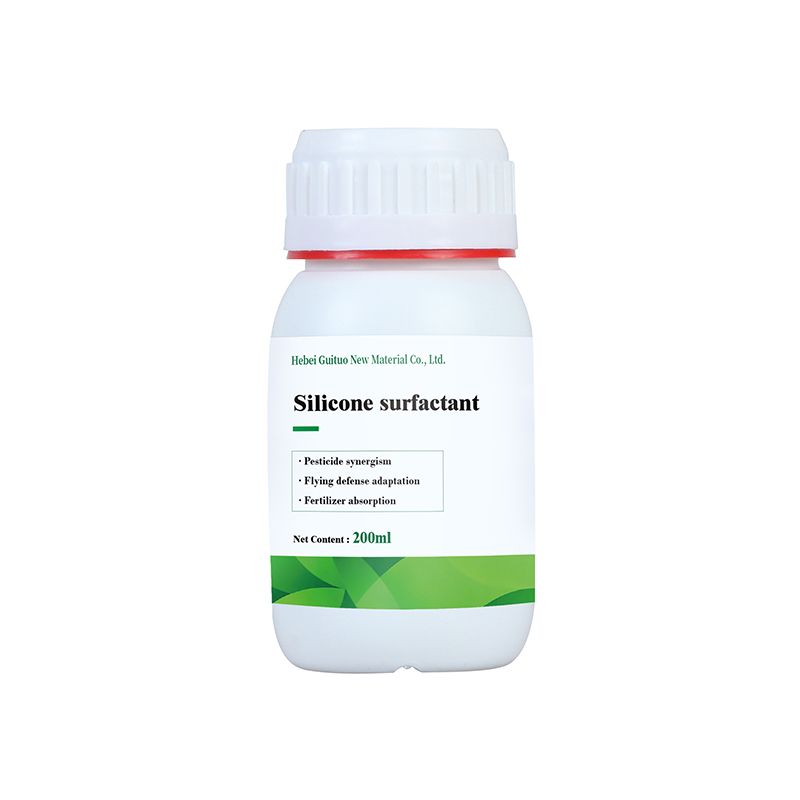
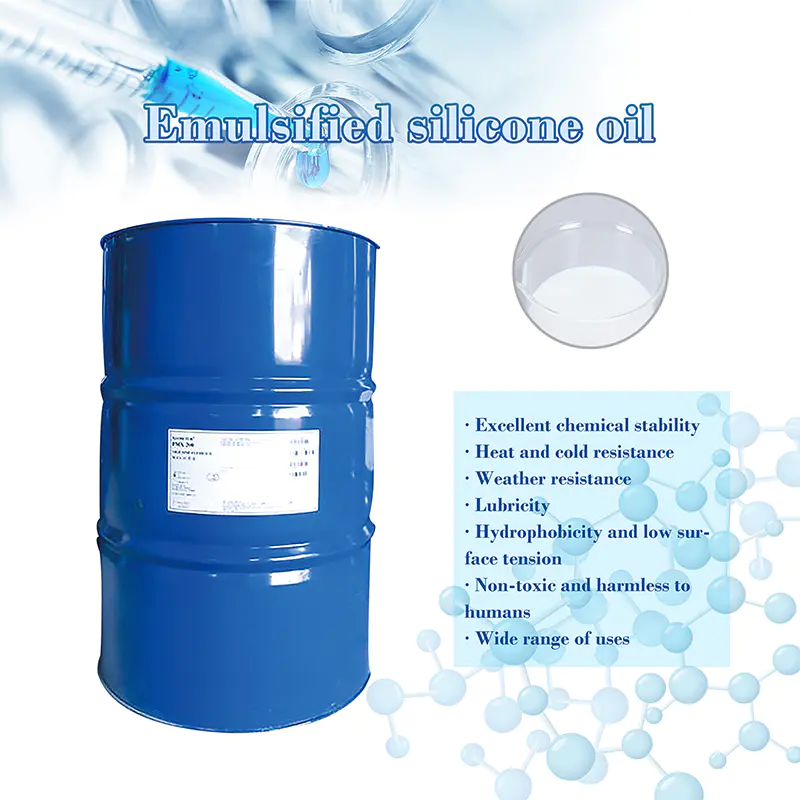
Technical-Grade Surfactant Engineered Around a Single Specification
Low Surface Tension Silicone Surfactant is a technical-grade trisiloxane surfactant developed and specified around one dominant performance requirement — achieving the lowest practically stable surface tension attainable with trisiloxane chemistry — for applications where that single specification, more than any secondary property, determines whether the application succeeds. The primary use case is ultra-low-volume (ULV) aerial and drone application, where spray volumes are deliberately minimized (often below 5 L/ha) and surface tension reduction becomes the dominant lever available for achieving adequate leaf coverage from a very small liquid volume.
At 0.1–0.2% v/v — a higher concentration than typical field-rate silicone adjuvants, reflecting the more concentrated formulations common in ULV programs — this surfactant achieves a surface tension of approximately 19.5–20 mN/m, at or near the practical stability floor for trisiloxane chemistry before formulation instability or excessive volatility become limiting factors. This is measurably lower than the 20.5–21 mN/m typical of standard super-spreading adjuvants formulated for conventional, higher-volume spray applications.
The formulation is also supplied as a technical reference-grade product for formulation science and adjuvant R&D applications — laboratories characterizing new tank-mix combinations, researchers benchmarking new adjuvant chemistries against an established low-surface-tension standard, and quality-control functions verifying that in-house surfactant production meets a defined surface-tension specification. For these uses, batch-to-batch surface tension consistency is documented and independently verifiable, supporting its use as a comparison standard rather than only as a field-application product.
Because minimizing surface tension is the product's singular design priority, secondary properties common to field-optimized adjuvants — foam control, rainfastness, penetration enhancement — are not engineered into this formulation; users needing those secondary functions should pair this surfactant with a purpose-built defoamer, film-former, or penetrant rather than expecting the low-surface-tension product to deliver them.
For ULV field use, the product's high concentration and correspondingly small volume-per-hectare requirement suit the logistics of aerial and drone application, where minimizing payload liquid volume is itself an operational priority independent of the surface-tension benefit.
Why This Single-Spec Product Exists
Mechanism of action
Low Surface Tension Silicone Surfactant is formulated at higher purity and concentration than field-rate adjuvants specifically to push surface tension reduction as close as possible to the practical stability floor of trisiloxane chemistry — the point below which further reduction would require formulation compromises that reduce shelf stability or increase volatility.
In ULV application, where spray volume is deliberately minimized to as little as a few liters per hectare, the limited liquid volume must cover the target leaf area primarily through surface tension-driven spreading rather than sheer volume — making this surfactant's near-floor surface tension the dominant factor determining whether ULV coverage is adequate.
As a technical reference product, the same near-floor, tightly-controlled surface tension value gives formulation scientists and QC labs a documented, reproducible benchmark against which new surfactant chemistries or production batches can be objectively compared.
Surface tension approaches its practical floor near 0.15–0.2%, the typical ULV concentration range.
Product specifications
| Parameter | Value |
|---|---|
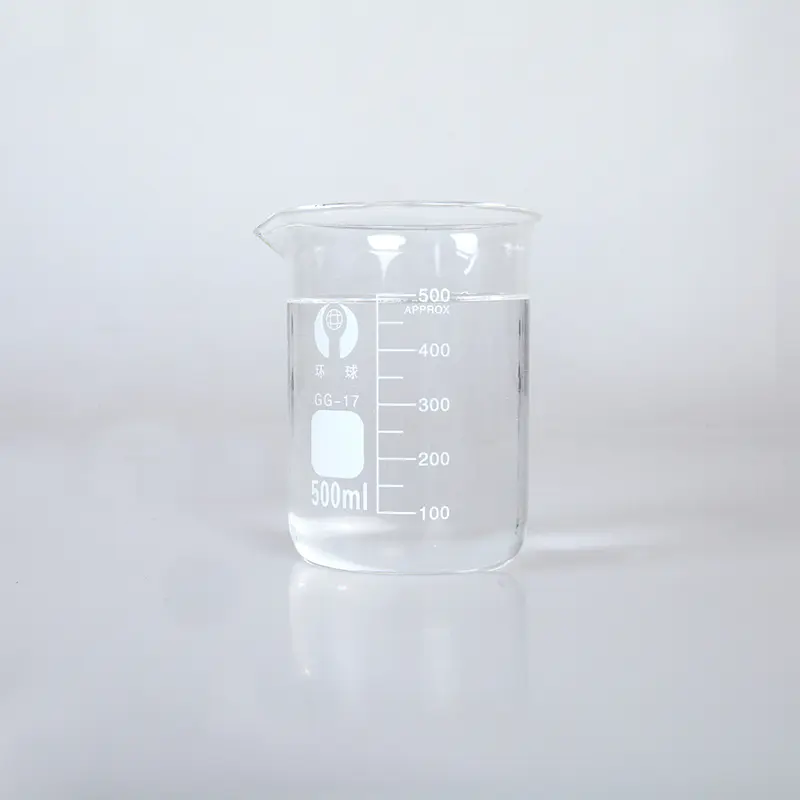
| Appearance | Clear, mobile liquid |
| Active content | ≥ 99.5% (technical-grade trisiloxane) |
| Viscosity (25°C) | 14 – 22 cSt |
| Density (25°C) | 0.98 – 1.01 g/cm³ |
| Cloud point (1% aq.) | > 30°C |
| Flash point | > 85°C |
| pH (1% aq.) | 5.0 – 7.0 |
| Storage stability | 24 months (cool, dry) |
Performance data
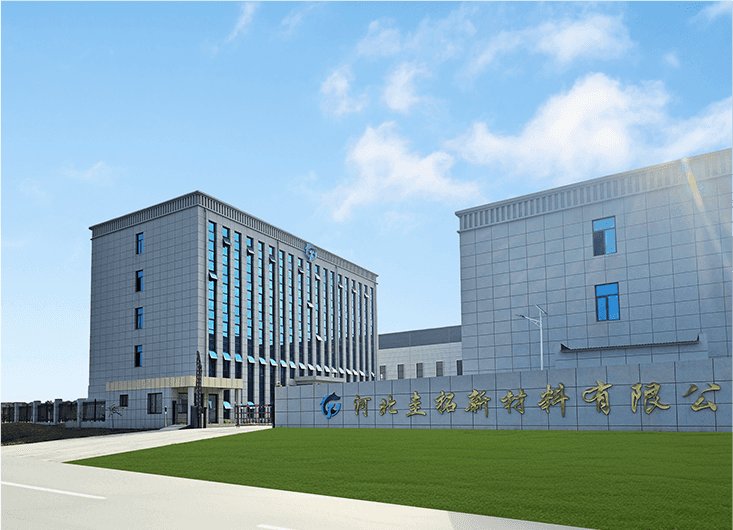

- 2021
Company Establishment
- 10000m²
Advanced Factory
- 50+
Exporting Country
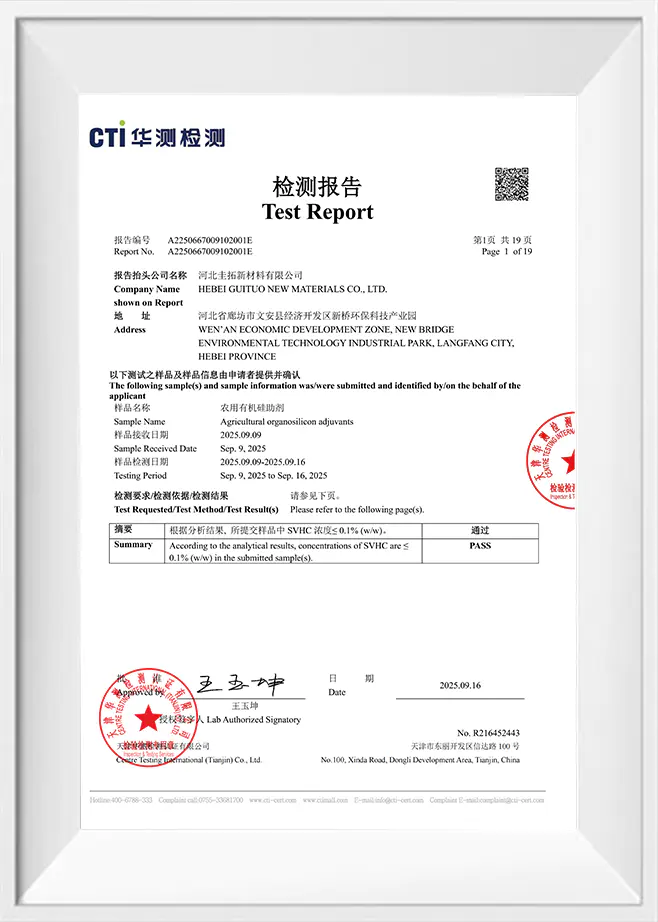
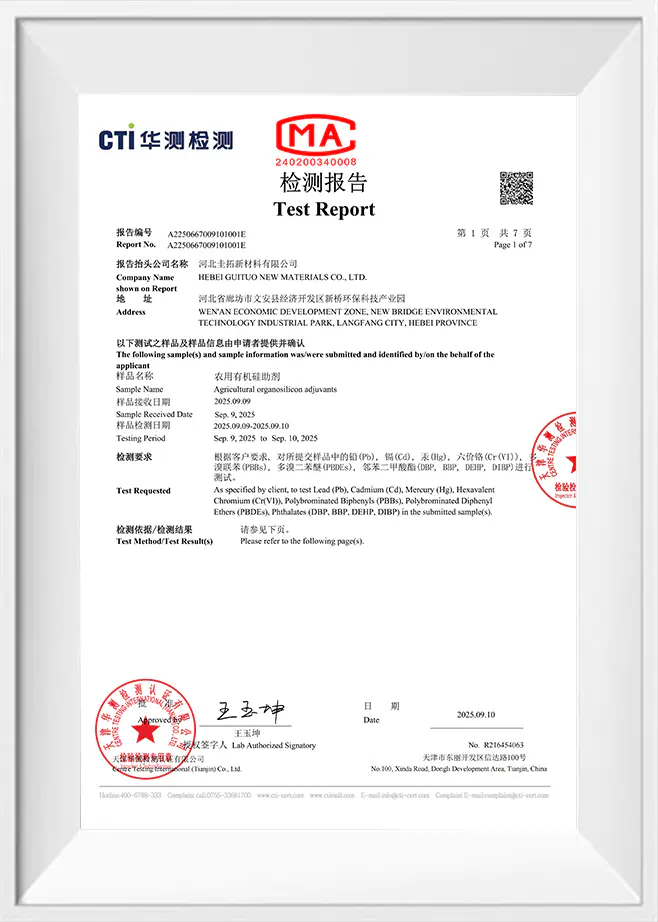
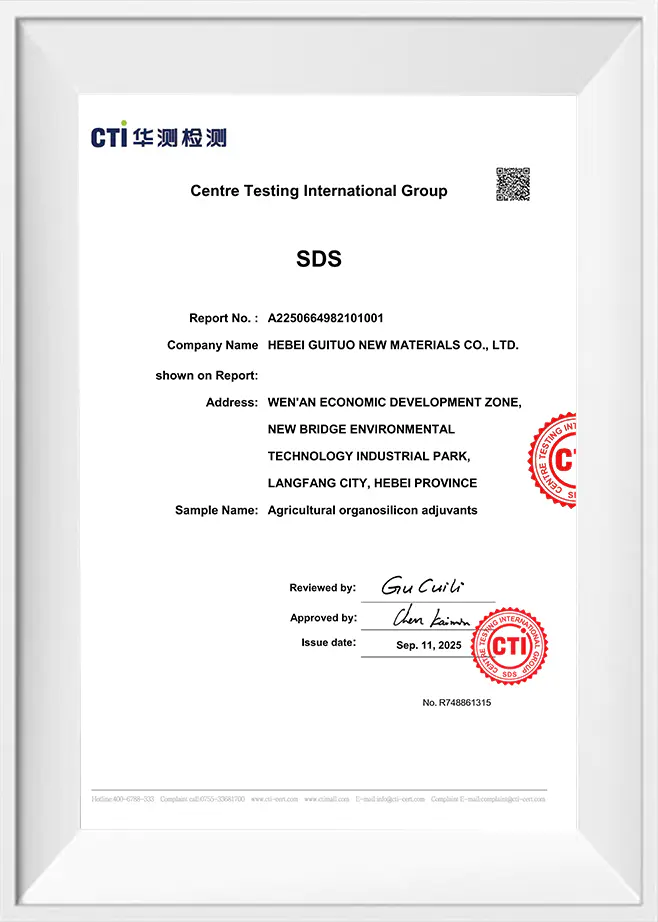
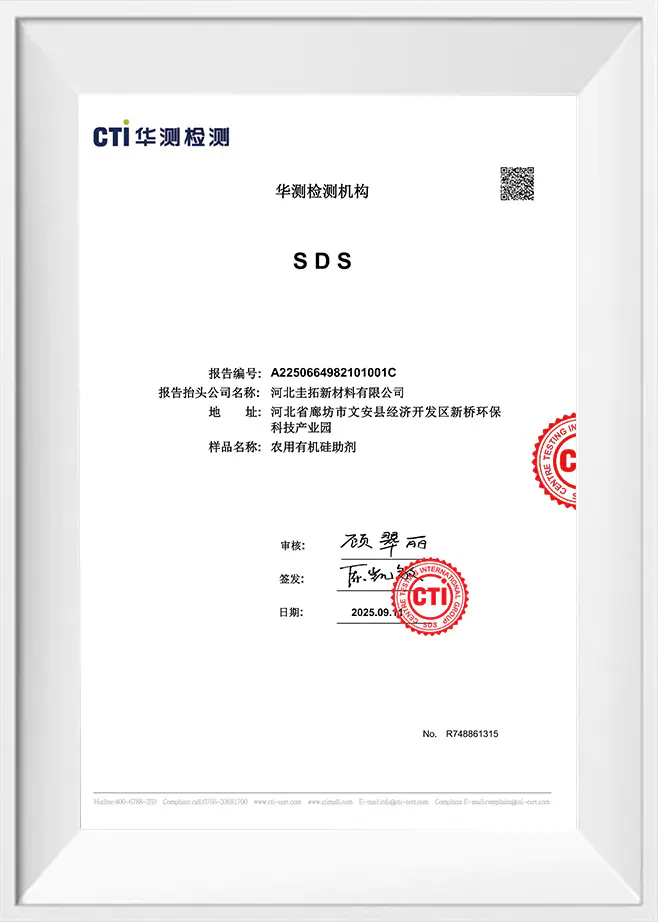
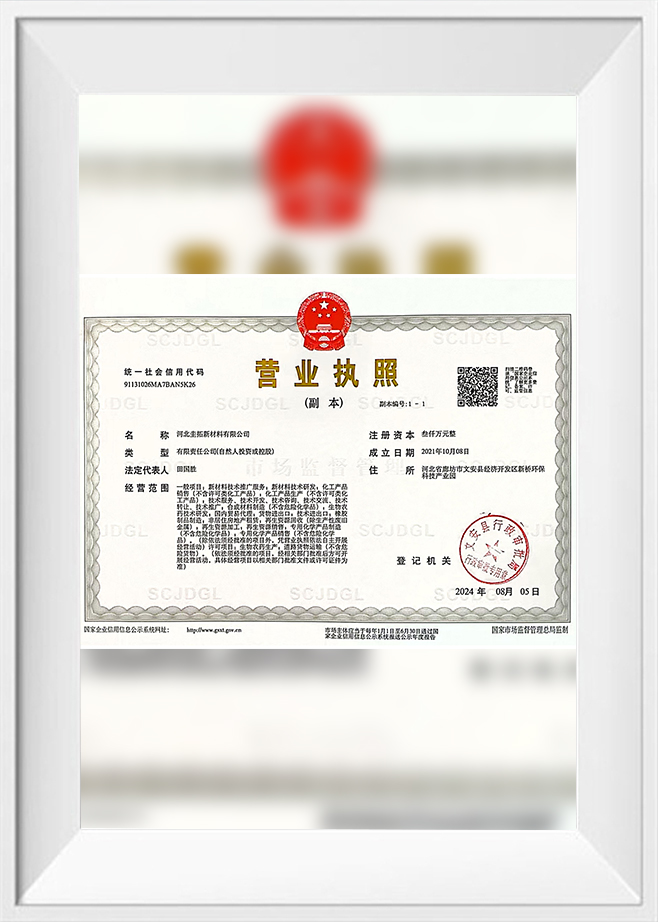
Our Certifications
And Partners
Professional scale factory production. We can customize finished products wholesale and export, OEM production, and distribution.
I just wanted to let you know that welcome to inquire and place orders.


Performance benchmark
| Property | This technical-grade surfactant | Standard super-spreading adjuvant | Conventional NIS |
|---|---|---|---|
| Surface tension (near-max concentration) | 19.5–20 mN/m | 20.5–21 mN/m | 32–36 mN/m |
| ULV (<5 L/ha) suitability | Purpose-built | Usable but not optimized | Not suitable |
| Batch documentation for R&D/QC use | Provided | Not typically provided | Not applicable |
| Secondary functions (foam/rainfastness) | None — single-spec product | Some, general-purpose | Some, general-purpose |
| Formulation concentration | Technical-grade, higher purity | Field-standard | Field-standard |
ULV application performance results
Source: ULV aerial application field trials and internal batch QC data, 2024–2025.
Tank-mix compatibility
Fully compatible Test before full mix
Dilution calculator
Enter your ULV formulation batch volume to estimate the recommended concentration (0.15% v/v typical midpoint).
How to apply
Safe use guidelines
- Personal protection — Wear gloves, goggles, and appropriate PPE for concentrated technical-grade material.
- First aid — Rinse skin/eyes with plenty of water; if ingested, seek medical advice.
- Storage — Keep sealed, cool, and dry, away from direct sunlight; higher purity grade requires careful handling.
- Environmental — Biodegradable; low aquatic toxicity at typical use concentrations.
- Disposal — Dispose of containers per local regulations; do not contaminate water sources.
- Shelf life — 24 months in unopened original container.
Crops & use cases
- Aerial ULV application services — fixed-wing and rotary-wing operators using minimal spray volume.
- Drone (UAV) spray operations — low-payload-volume precision application programs.
- Adjuvant R&D laboratories — benchmarking new surfactant chemistries against a documented standard.
- Agrochemical QC departments — verifying surfactant production meets surface-tension specifications.
Not typically recommended as a general-purpose field adjuvant for standard-volume boom spraying, where its technical-grade cost and single-function focus offer less practical benefit.
Why it outperforms
- Purpose-built for ULV — near-floor surface tension addresses the dominant limiting factor in low-volume spray.
- Documented consistency — batch-to-batch surface tension variance held within ± 0.3 mN/m.
- Serves both field and lab use — same product functions as ULV adjuvant and R&D reference standard.
- No wasted secondary chemistry — cost and formulation focused entirely on the specification that matters.
Application guidelines
- ULV rate matching: match concentration to your specific ULV equipment's output volume per hectare
- Pairing with other adjuvants: add a dedicated defoamer or film-former separately if those functions are needed
- R&D use: request current batch documentation when using as a comparative benchmark
- Standard field use: consider a general-purpose adjuvant instead for conventional boom-spray volumes
Packaging & shelf life
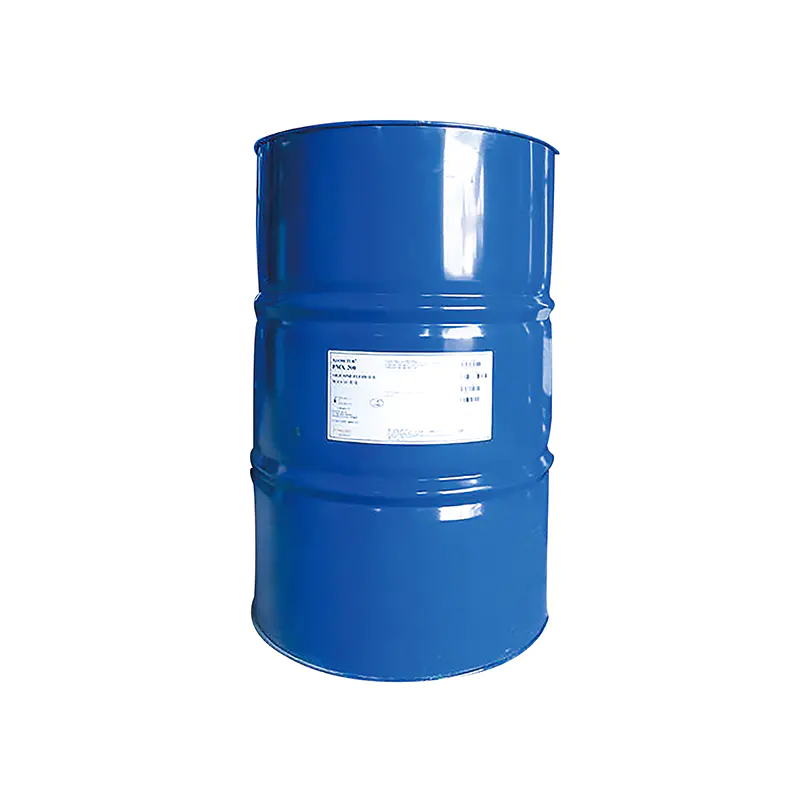
- Packaging: 1 L, 5 L, 20 L drums for field and laboratory use.
- Storage: cool, dry, away from direct sunlight; 5–40°C.
- Shelf life: 24 months in unopened original container.
Global quality benchmarks
| Test item | Standard requirement | Our performance |
|---|---|---|
| Surface tension (0.2%) | ≤ 21 mN/m | 19.5–20 mN/m |
| Active purity | ≥ 95% | ≥ 99.5% |
| Batch-to-batch variance | ± 1.5 mN/m | ± 0.3 mN/m |
| Documentation for R&D/QC use | Not typically provided | Full batch documentation available |
| Biodegradability | OECD 301 | Readily biodegradable |
Frequently asked questions
Latest articles & guides
Silicone Surfactant for Agricultural Chemicals
overview Multi-Functional Silicone Surfactant for Agrochemical Formulation Sili
Silicone Surfactant for Herbicide Application
overview Purpose-Built for Broadleaf and Grass Weed Herbicide Programs Silicone
Silicone Wetting Agent for Agrochemicals
overview Purpose-Built Wetting Agent for Chemigation Through Irrigation Systems
Silicone Wetting Agent
overview Fast, Uniform Wetting for Hard-to-Wet Agricultural Surfaces Silicone W
Polyether Modified Silicone Oil Surfactant
overview Copolymer Chemistry That Bridges Oil and Water Phases Polyether Modifi
Silicone Additive for Crop Protection
overview A Formulator's Multi-Function Toolbox Additive Silicone Additive for C
Silicone-Based Agricultural Tank Mix
overview A Ready-Blended, One-Bottle Tank-Mix Solution Silicone-Based Agricultu
Super Spreading Silicone Agricultural Surfactant
overview Super-Spreading Performance for Turf, Ornamentals, and Nursery Producti
Non-Ionic Polymeric Silicone Surfactant
overview High-Molecular-Weight Architecture for Extended Residual Performance N
When one number decides whether the application works
Free samples · ULV application support · Batch documentation for R&D/QC use
cnguituonewmaterial.com · Agricultural adjuvants & new materials

Tel : +86-400-138-5268
Email : [email protected]
Phone : +86-15128434888 / +86-13511051998
Add : Xinqiao Environmental Protection Industrial Park, Wen'an County, Langfang City, Hebei Province, China
Copyright © Hebei Guituo New Material Co., Ltd. All Rights Reserved.
