

 English
  Français
  Português

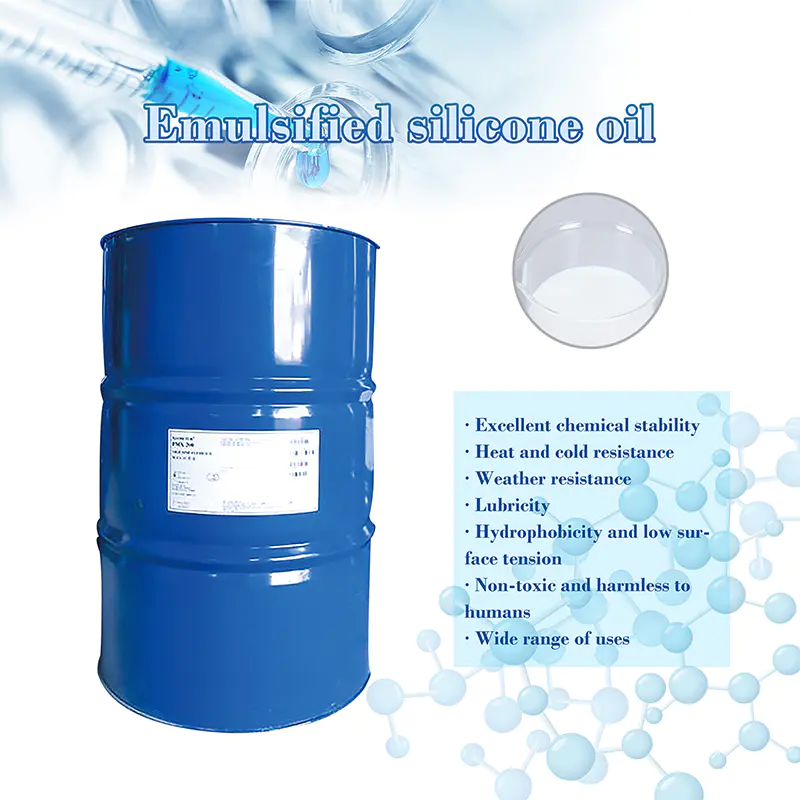
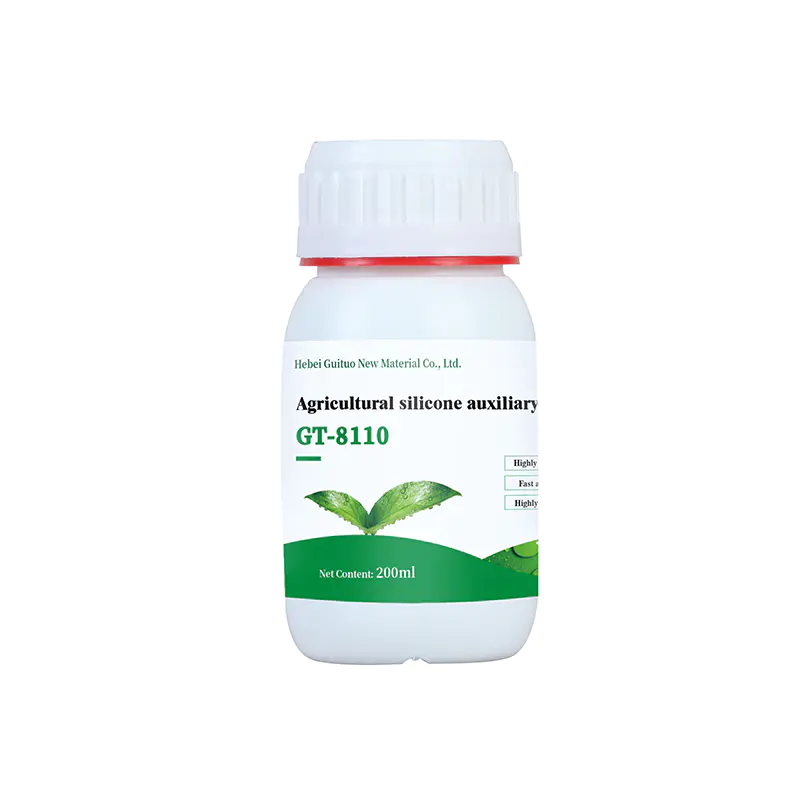
Silicone Surfactant for Herbicide Application
Trisiloxane herbicide adjuvant — improves systemic uptake of glyphosate, dicamba, 2,4-D, and ALS herbicides by 18–32%, validated for compatibility with drift-reduction-technology nozzle requirements.
Explore our adjuvant range
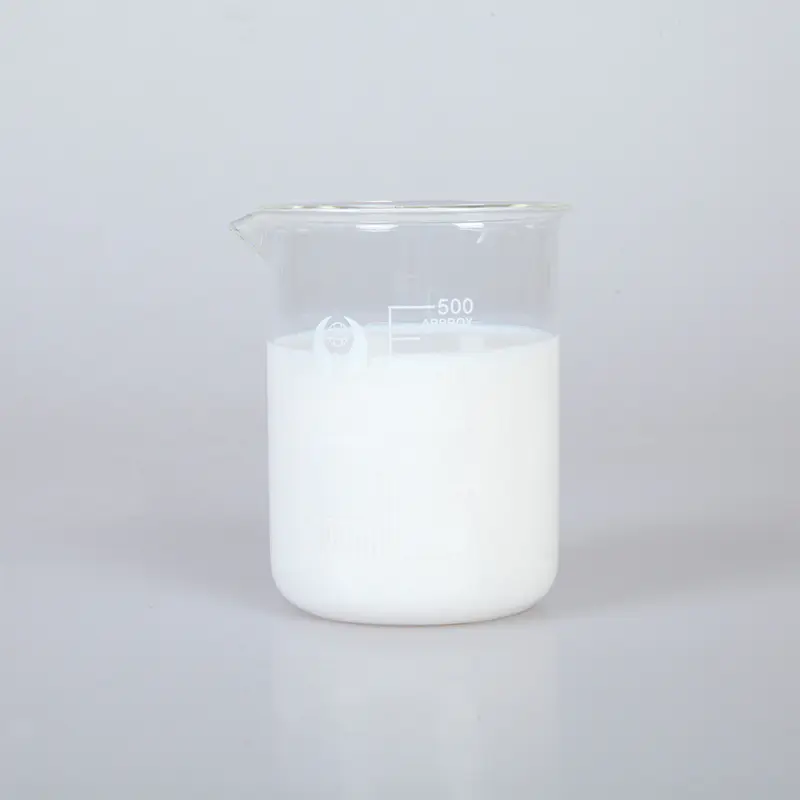
Purpose-Built for Broadleaf and Grass Weed Herbicide Programs
Silicone Surfactant for Herbicide Application is a trisiloxane adjuvant developed and field-validated specifically for herbicide spray programs — pre-plant burndown, post-emergent broadleaf and grass weed control, and pre-emergent residual herbicide activation — with a performance profile tuned around the specific mechanisms that drive herbicide efficacy: cuticular and stomatal uptake of systemic actives, complete coverage of variable weed leaf morphology, and drift-conscious application for products with buffer-zone or off-target movement restrictions.
At 0.025–0.05% v/v, the surfactant reduces surface tension to approximately 21 mN/m, promoting both rapid leaf-surface spreading and measurable stomatal infiltration that accelerates uptake of systemic herbicides including glyphosate, glufosinate, 2,4-D, dicamba, and ALS-inhibitor chemistries. Field trials across mixed broadleaf and grass weed populations show uptake-driven efficacy improvements of 18–32% compared to the same herbicide applied without a spreading adjuvant, with the largest gains observed on weed species with naturally waxy or pubescent (hairy) leaf surfaces that resist wetting by unmodified spray solutions.
Because many modern herbicide programs — particularly dicamba- and 2,4-D-based systems — operate under regulatory drift-reduction requirements, this surfactant is formulated to deliver its spreading and uptake benefits without excessively increasing the fine-droplet fraction that drives off-target movement; validated droplet-spectrum testing confirms compatibility with drift-reduction-technology (DRT) nozzle systems commonly required for these herbicide labels.
For pre-emergent residual herbicides applied to soil rather than foliage, the surfactant's wetting action also improves the initial soil-surface distribution of the spray solution, supporting more uniform incorporation of the residual active into the weed-seed germination zone — a secondary but agronomically meaningful benefit distinct from its primary foliar role in post-emergent applications.
The product remains low-foaming and compatible with the full range of herbicide formulation types (SL, EC, SC, WG) and adjuvant partners commonly used in herbicide tank mixes, including ammonium sulfate (AMS), crop oil concentrates, and drift-reduction polymer agents.
Why Herbicide Programs Choose This Surfactant
Mechanism of action
Silicone Surfactant for Herbicide Application reduces spray solution surface tension to approximately 21 mN/m, driving rapid spreading across weed leaf surfaces and promoting stomatal infiltration that speeds systemic herbicide movement into the plant's vascular system.
This mechanism is particularly valuable on weed species with naturally hydrophobic leaf surfaces — waxy cuticles on species like common lambsquarters or pubescent, hairy leaves on species like velvetleaf — where unmodified spray solutions bead and roll off rather than achieving the leaf contact needed for herbicide absorption.
For pre-emergent applications, the same reduced surface tension improves how evenly the spray solution distributes across the soil surface immediately after application, supporting more uniform movement of the residual active into the top layer of soil where weed seeds germinate.
Uptake improvement is largest on the waxiest and hairiest weed leaf surfaces, where wetting is otherwise most limited.
Product specifications
| Parameter | Value |
|---|---|
| Appearance | Clear, mobile liquid |
| Active content | ≥ 98% (trisiloxane surfactant) |
| Viscosity (25°C) | 18 – 32 cSt |
| Density (25°C) | 0.99 – 1.02 g/cm³ |
| Cloud point (1% aq.) | > 36°C |
| Flash point | > 95°C |
| pH (1% aq.) | 5.5 – 7.0 |
| Storage stability | 24 months (cool, dry) |
Performance data


- 2021
Company Establishment
- 10000m²
Advanced Factory
- 50+
Exporting Country
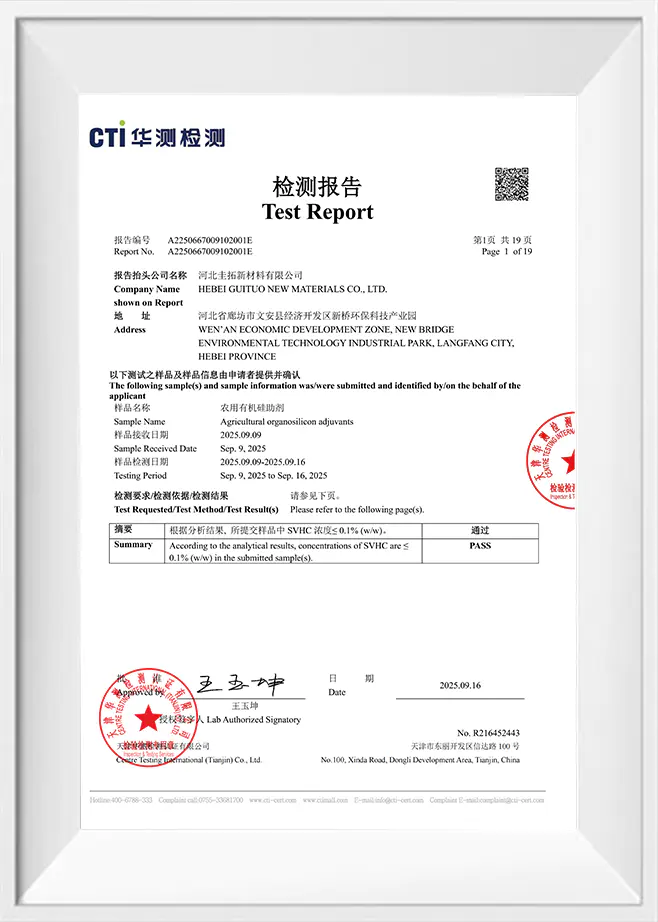
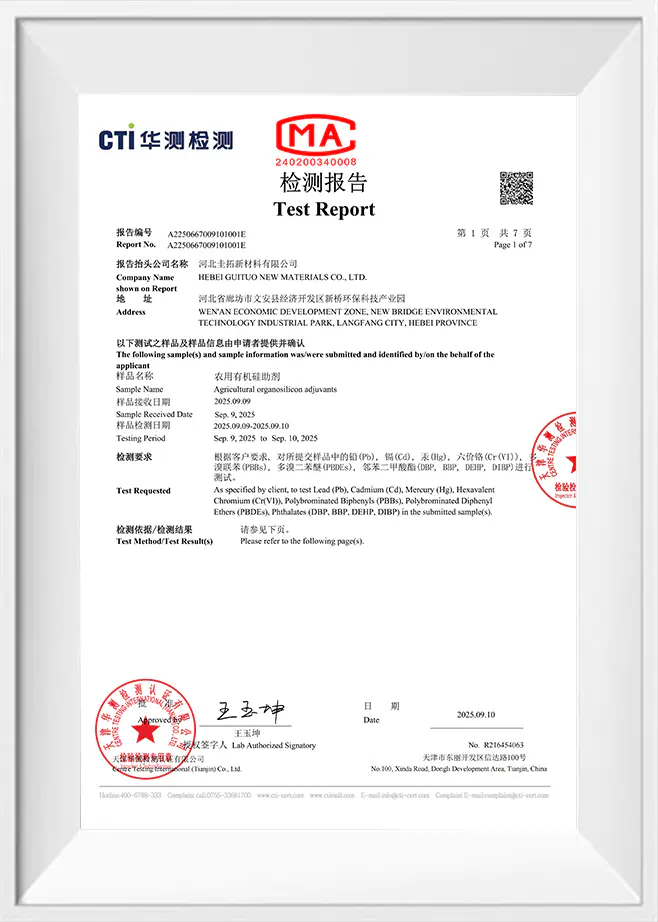
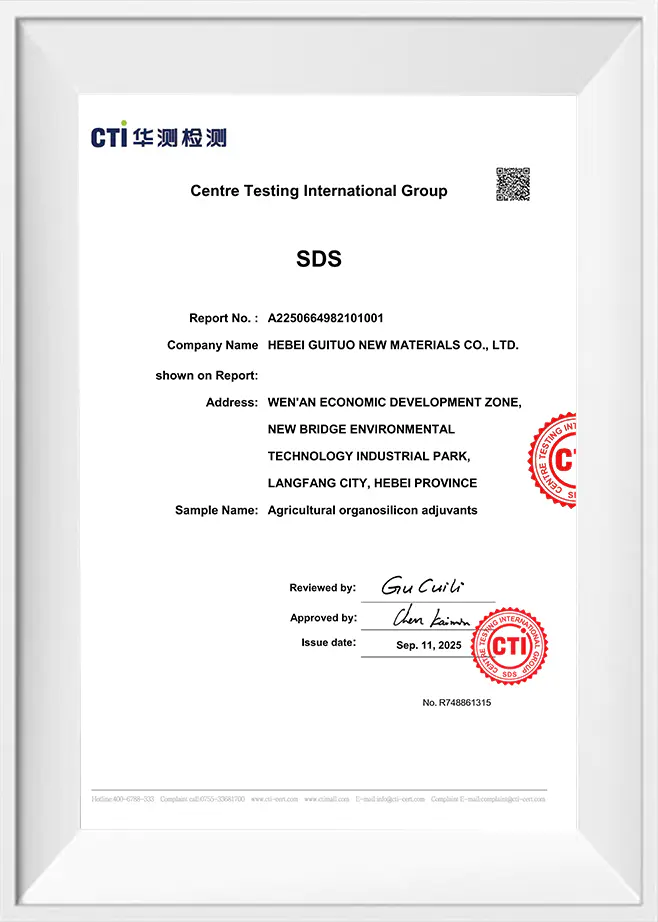
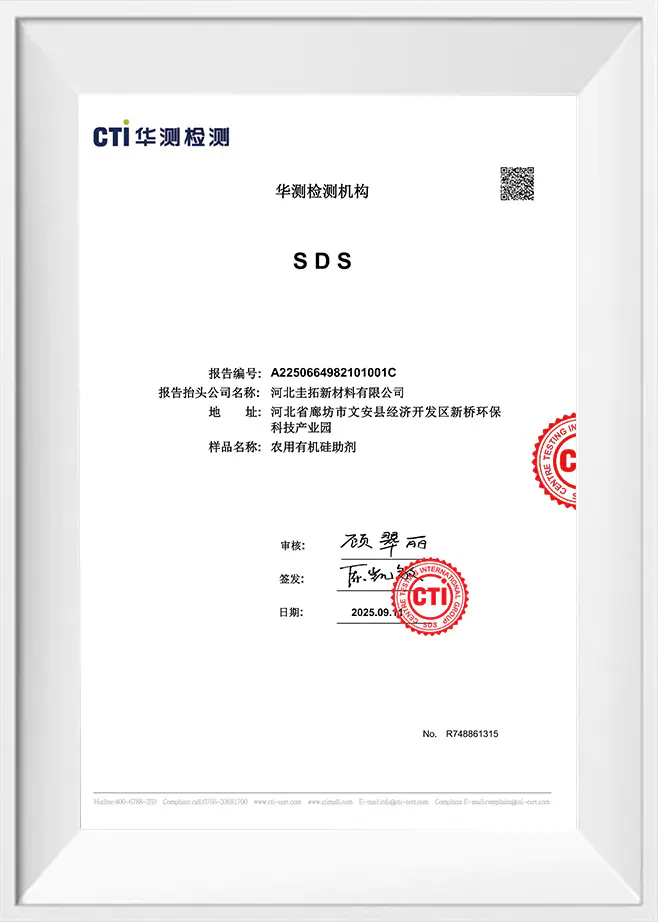
Our Certifications
And Partners
Professional scale factory production. We can customize finished products wholesale and export, OEM production, and distribution.
I just wanted to let you know that welcome to inquire and place orders.



Performance benchmark
| Property | This herbicide surfactant | Conventional NIS | Crop oil concentrate |
|---|---|---|---|
| Surface tension (0.1%) | 21 mN/m | 32–36 mN/m | 26–30 mN/m |
| Uptake improvement, waxy weeds | +29–32% | +8–12% | +15–18% |
| DRT nozzle validation | Confirmed compatible | Not typically tested | Variable |
| Pre-emergent soil distribution benefit | Yes | Minimal | Moderate |
| Herbicide chemistry compatibility | Very broad | Broad | Moderate |
Herbicide efficacy field trial results
Source: independent herbicide efficacy field trials, mixed weed populations, 2024–2025.
Tank-mix compatibility
Fully compatible Test before full mix
Dilution calculator
Enter your herbicide spray tank volume to estimate the recommended dose (0.035% v/v typical).
How to apply
Safe use guidelines
- Personal protection — Wear gloves, goggles, and long sleeves during mixing.
- First aid — Rinse skin/eyes with plenty of water; if ingested, seek medical advice.
- Storage — Keep in original container, tightly closed, cool and dry (5–40°C).
- Environmental — Biodegradable (OECD 301); low toxicity to fish (LC₅₀ > 200 mg/L).
- Disposal — Dispose of empty containers per local regulations; do not contaminate water sources.
- Drift compliance — Validated for compatibility with DRT nozzle systems; follow specific herbicide label requirements.
Crops & use cases
- Row crops (POST herbicide) — corn, soybean, cotton — broadleaf and grass weed control programs.
- Pre-plant burndown — no-till and reduced-till systems using systemic burndown herbicides.
- Pasture & rangeland — brush and weed control programs using 2,4-D and dicamba chemistries.
- Pre-emergent residual programs — improved soil-surface distribution for residual herbicide activation.
Also used in resistance-management herbicide rotation programs combining multiple modes of action.
Why it outperforms
- Largest gains on hard-to-wet weeds — 18–32% uptake improvement, strongest on waxy and hairy species.
- Drift-technology validated — confirmed compatible with DRT nozzle requirements on restricted labels.
- Broad herbicide chemistry support — glyphosate, dicamba, 2,4-D, ALS-inhibitors, and more.
- Dual foliar and soil benefit — supports both post-emergent uptake and pre-emergent soil distribution.
Application guidelines
- Tank mixing order: dissolve herbicide fully first, then add this surfactant as the last addition
- DRT compliance: confirm nozzle and pressure settings match label requirements for restricted herbicides
- Waxy weed targeting: use the higher end of the rate range for known waxy or pubescent weed populations
- Pre-emergent use: apply per standard residual herbicide timing; surfactant aids soil-surface distribution
Packaging & shelf life
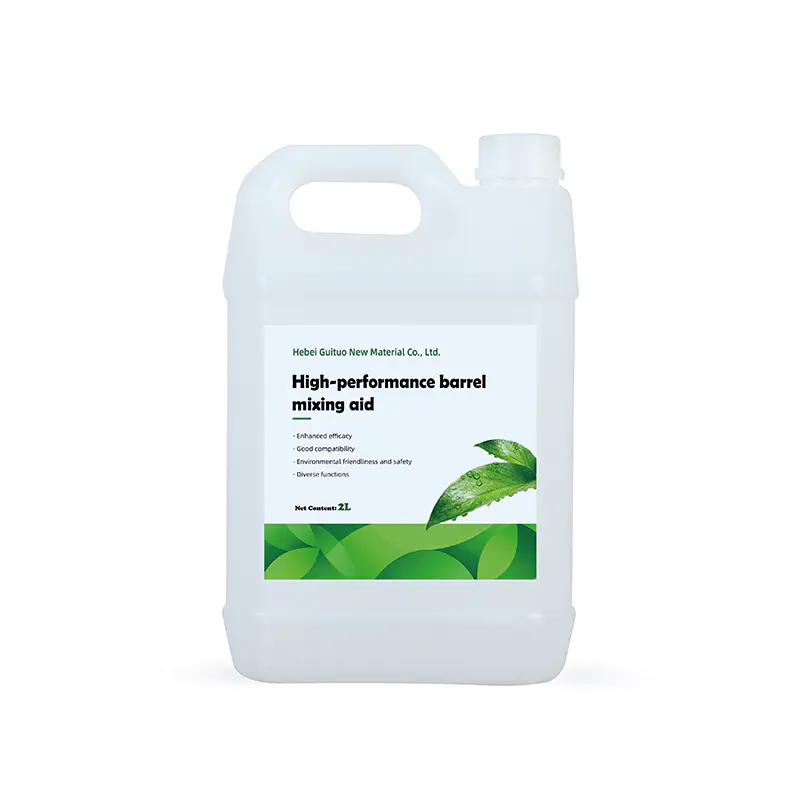
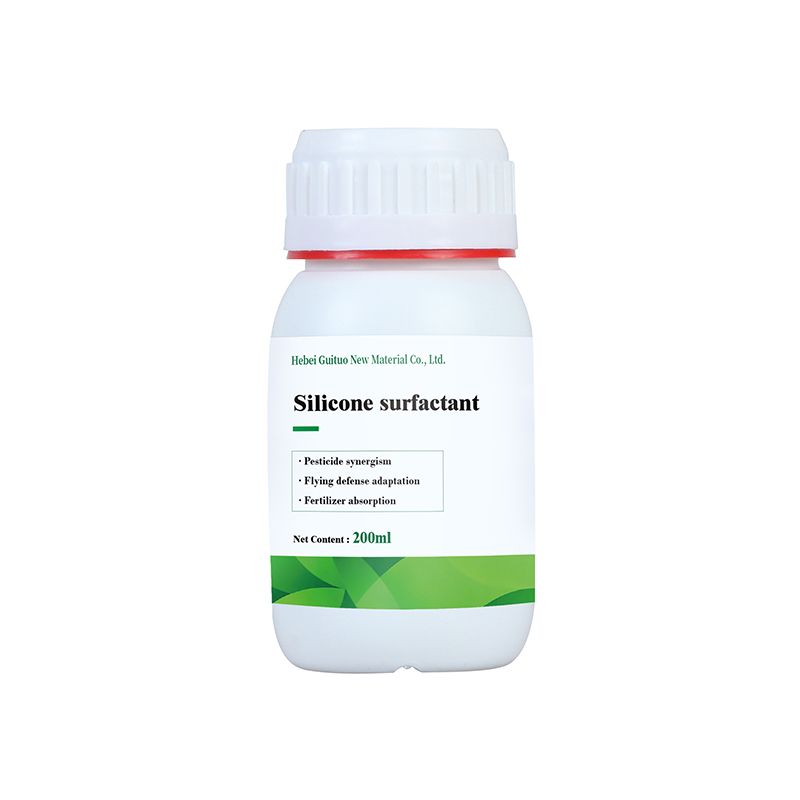
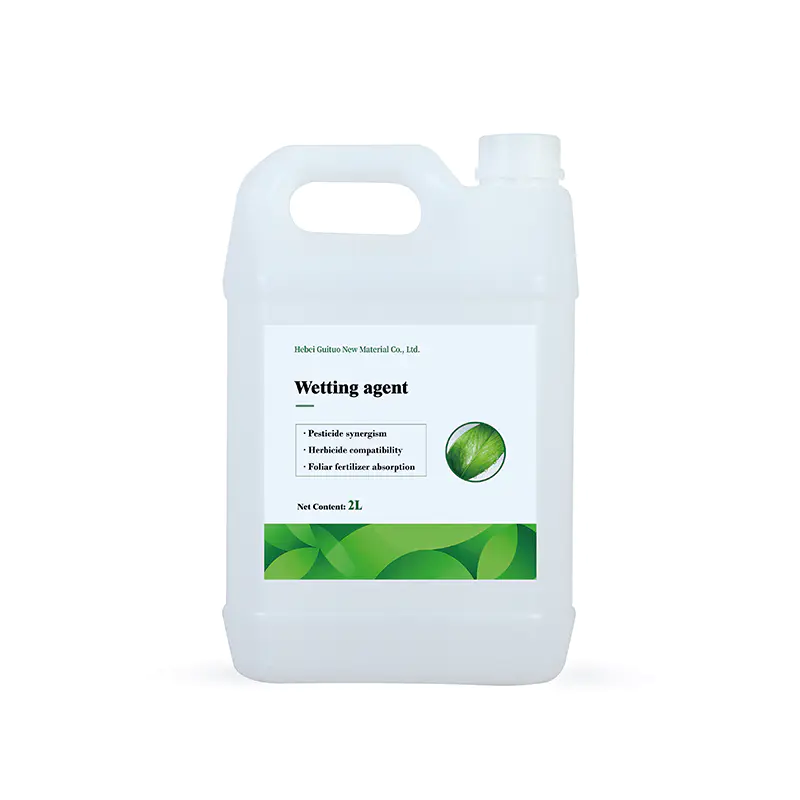
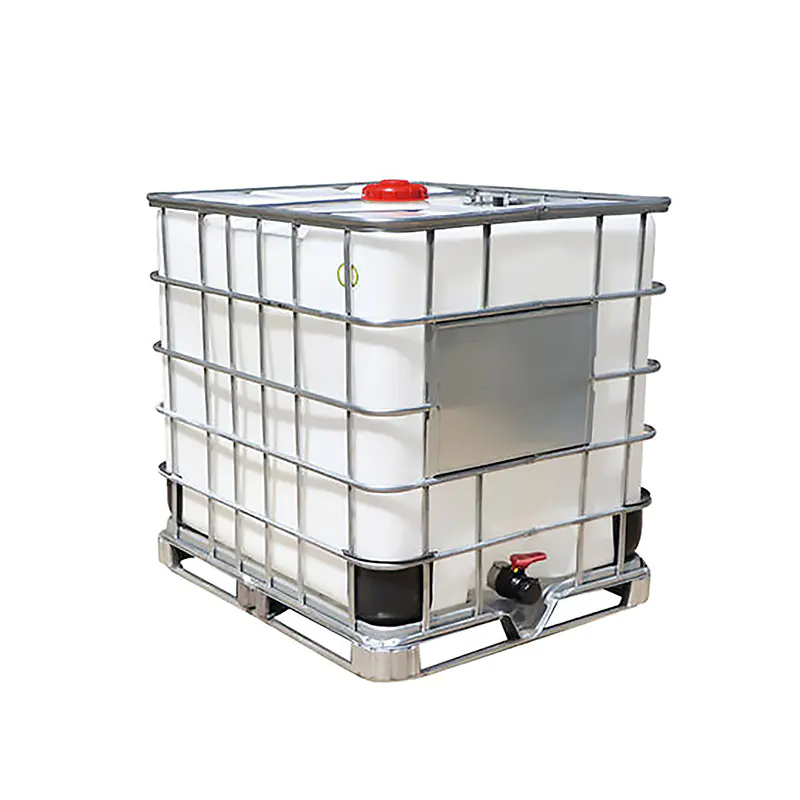
- Packaging: 1 L, 5 L, 20 L, 200 L drums / IBC totes.
- Storage: cool, dry, away from direct sunlight; 5–40°C.
- Shelf life: 24 months in unopened original container.
Global quality benchmarks
| Test item | Standard requirement | Our performance |
|---|---|---|
| Surface tension (0.1%) | ≤ 24 mN/m | 21 mN/m |
| Uptake improvement (waxy weeds) | ≥ 15% | 29–32% |
| DRT nozzle compatibility testing | Not routinely verified | Confirmed compatible |
| Aquatic toxicity (fish) | LC₅₀ > 100 mg/L | LC₅₀ > 200 mg/L |
| Biodegradability | OECD 301 | Readily biodegradable |
Frequently asked questions
Latest articles & guides
Silicone Surfactant for Agricultural Chemicals
overview Multi-Functional Silicone Surfactant for Agrochemical Formulation Sili
Silicone Wetting Agent for Agrochemicals
overview Purpose-Built Wetting Agent for Chemigation Through Irrigation Systems
Silicone Additive for Crop Protection
overview A Formulator's Multi-Function Toolbox Additive Silicone Additive for C
Silicone Spreader for Foliar Fertilizer
overview Purpose-Built Spreader for Foliar Nutrition Programs Silicone Spreader
Silicone Adjuvant for Fungicide Spray
overview Adjuvant Built Around the Disease-Control Weather Window Silicone Adju
Silicone-Based Antifoam for Agriculture
overview Foam Control for On-Farm Liquid Storage, Fertigation, and Slurry System
Organosilicone Surfactant for Pesticide Spray
overview Purpose-Built Adjuvant for Insecticide and Pesticide Spray Efficacy Or
Silicone-Based Agricultural Tank Mix
overview A Ready-Blended, One-Bottle Tank-Mix Solution Silicone-Based Agricultu
Polyether Modified Silicone Oil Surfactant
overview Copolymer Chemistry That Bridges Oil and Water Phases Polyether Modifi
Get more herbicide into the weeds that resist it most
Free samples · Herbicide program technical support · DRT compliance guidance
cnguituonewmaterial.com · Agricultural adjuvants & new materials

Tel : +86-400-138-5268
Email : [email protected]
Phone : +86-15128434888 / +86-13511051998
Add : Xinqiao Environmental Protection Industrial Park, Wen'an County, Langfang City, Hebei Province, China
Copyright © Hebei Guituo New Material Co., Ltd. All Rights Reserved.
