

 English
 Français
 Português


Non-Toxic Silicone Agricultural Wetting Agent
Trisiloxane-polyether wetting agent with oral and dermal toxicity above 2,000 mg/kg and no sensitization — free of solvents, amines, and isothiazolinone biocides, with greenhouse tomato coverage lifted from 38% to 83%.
Explore our adjuvant range
Low-Toxicity Wetting for People Who Work Close to the Spray: Greenhouse Crews, Gardeners, and Re-entry Workers
Non-Toxic Silicone Agricultural Wetting Agent is a trisiloxane-polyether wetting agent documented around the safety of the people who handle and work near it, rather than around its performance alone. In greenhouses, nurseries, vineyards, and hand-picked vegetable crops, workers re-enter treated areas within hours, and mixers handle the concentrate every day. Home gardeners and small-plot growers also buy wetting agents with no protective equipment at all. For these groups the question is not only how well an adjuvant spreads, but what it does to skin, eyes, and lungs, and how it behaves if a container is spilled or a child or pet reaches it.
The data package is organized to answer those questions. Acute oral toxicity in rats is above 2,000 mg/kg body weight and acute dermal toxicity above 2,000 mg/kg, both outside the hazardous classification ranges. Skin irritation testing on rabbits produced no more than slight, fully reversible erythema, and eye testing showed mild, reversible irritation that cleared within 48 hours. Skin sensitization testing in guinea pigs was negative. Inhalation exposure to the diluted spray at working concentration is not expected to be a concern because the product has negligible vapor pressure and a flash point above 95°C. The term used on this page is low toxicity, because no chemical is entirely without risk and the concentrate still calls for gloves and eye protection.
The formulation avoids ingredients that commonly drive hazard labelling in adjuvants. It contains no solvent carrier, no alkylphenol ethoxylates, no amines, and no preservative biocides such as isothiazolinones that can cause skin allergies in repeat-exposure workers. Skin-contact exposure tests among a small panel of volunteers using the diluted 0.05% solution twice a day for a week produced no reactions, although this is a screening result and not a substitute for a formal occupational assessment.
Efficacy is not sacrificed. At 0.03–0.05% v/v the surface tension is about 22 mN/m and leaf coverage on greenhouse tomato rises from 38% to 83%. The product is therefore a practical choice where the goal is to keep worker and bystander exposure to adjuvants as low as is reasonably possible without losing spray coverage. Re-entry intervals are set by the pesticide label, and the wetting agent does not change them; it simply adds no extra hazard of its own.
Honest limits apply. Low toxicity does not make a pesticide tank mix safe, and a wetting agent can increase the absorption of an active through skin and cuticle alike, so protective clothing remains necessary when the mix includes pesticides. The product is not a substitute for a pesticide label, it has not been tested for use on food-contact surfaces, and acceptance in organic or home-garden schemes should be confirmed with the relevant authority before use.
Why Safety-Conscious Programs Choose It
Mechanism of action
Non-Toxic Silicone Agricultural Wetting Agent works as a standard trisiloxane-polyether surfactant: its small, mobile molecules align at the air–water interface and cut surface tension from 72 mN/m to about 22 mN/m, so droplets flatten and merge into an even film.
The safety profile follows from the molecule and from what is left out. The siloxane core is chemically inert and poorly absorbed through skin, the polyether chain is a well-characterized, biodegradable segment, and the absence of solvents, amines, and biocides removes the usual sources of irritation and allergy in adjuvant products.
Because the product has no volatile carrier, workers are not exposed to solvent vapor at mixing, and the diluted spray contains only a very small amount of surfactant — typically 0.03–0.05% — on the leaf.
Both oral and dermal values for this product lie above the 2,000 mg/kg classification line.
Product specifications
| Parameter | Value |
|---|---|
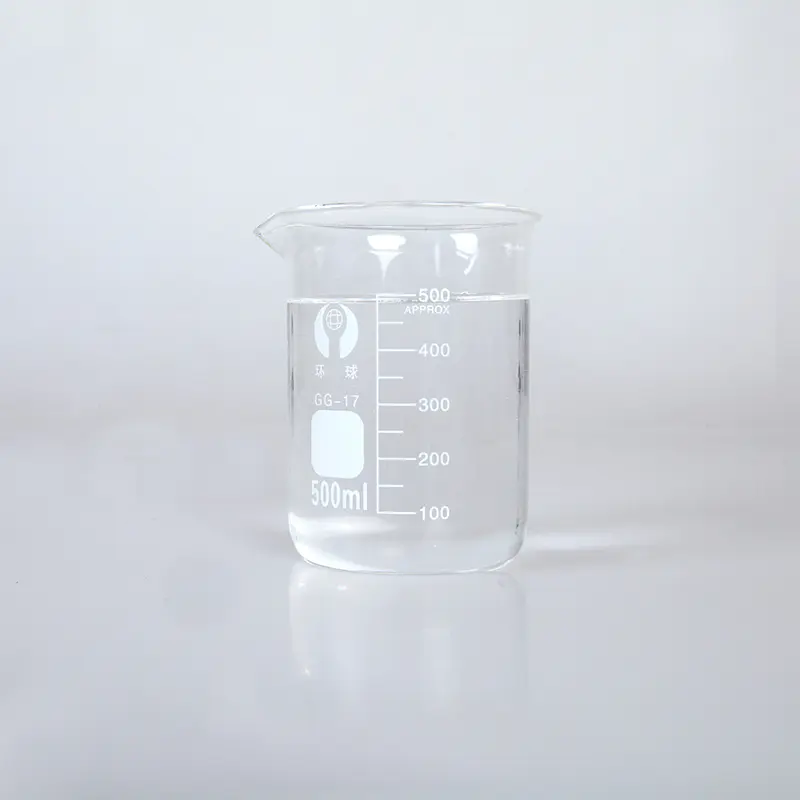
| Appearance | Clear, colorless to pale liquid |
| Active content | ≥ 98% (trisiloxane-polyether) |
| Solvent / amine / biocide content | None added |
| Viscosity (25°C) | 20 – 32 cSt |
| Flash point | > 95°C |
| Vapor pressure (20°C) | Negligible |
| Recommended tank pH | 6.0 – 8.0 |
| Storage stability | 24 months (cool, dry) |
Performance data


- 2021
Company Establishment
- 10000m²
Advanced Factory
- 50+
Exporting Country
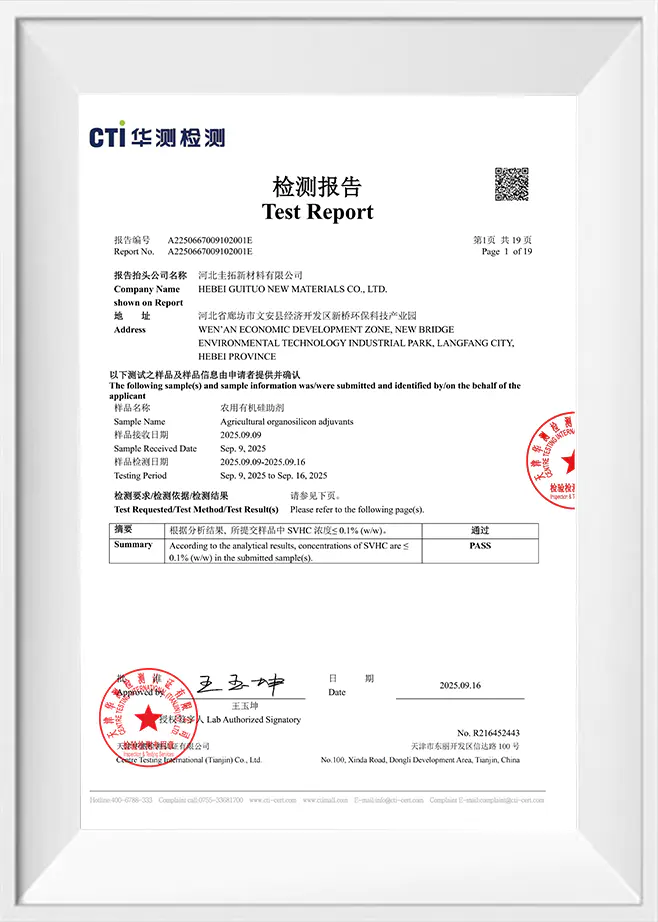
Our Certifications
And Partners
Professional scale factory production. We can customize finished products wholesale and export, OEM production, and distribution.
I just wanted to let you know that welcome to inquire and place orders.


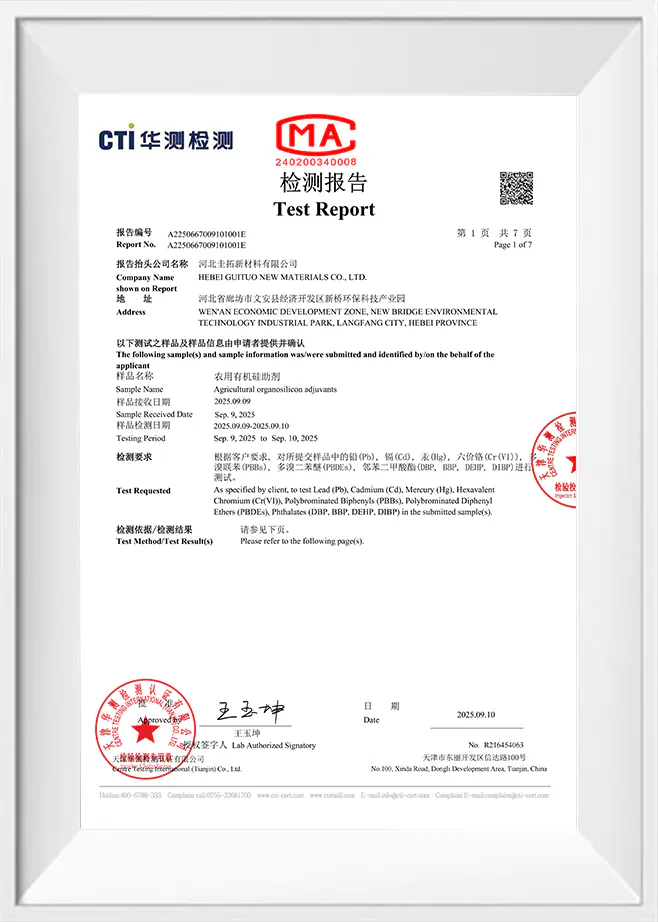
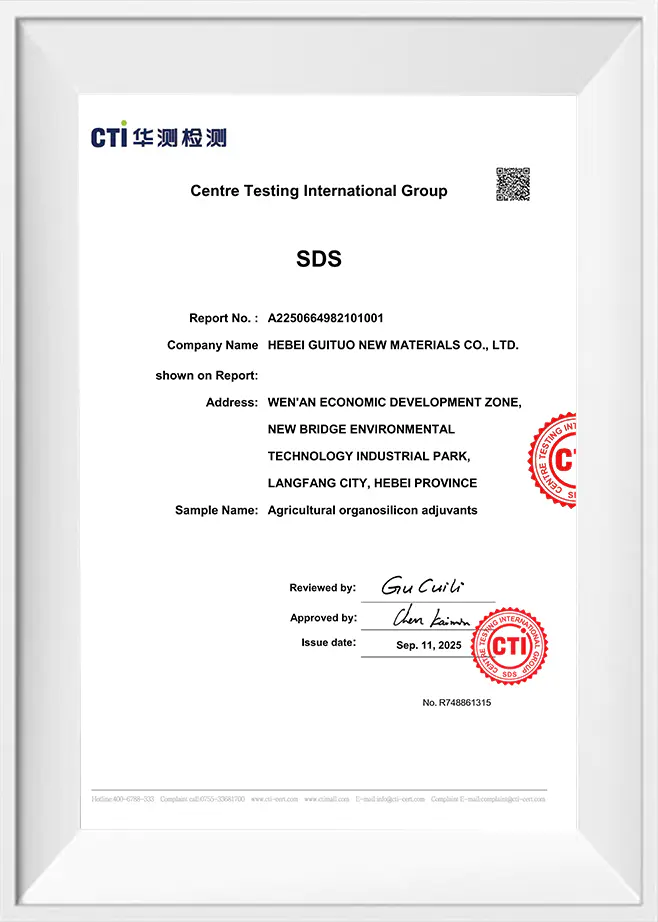
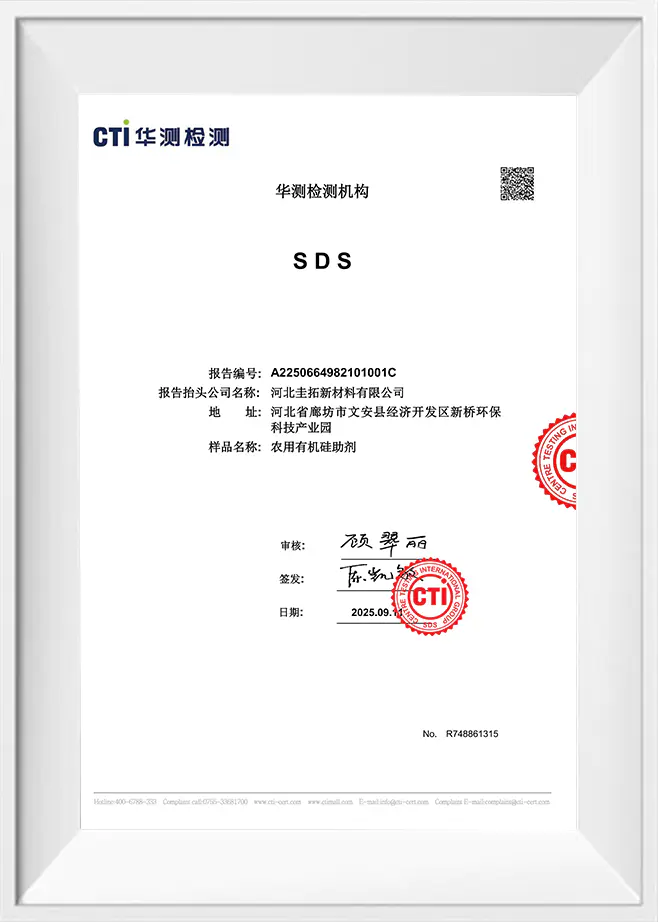
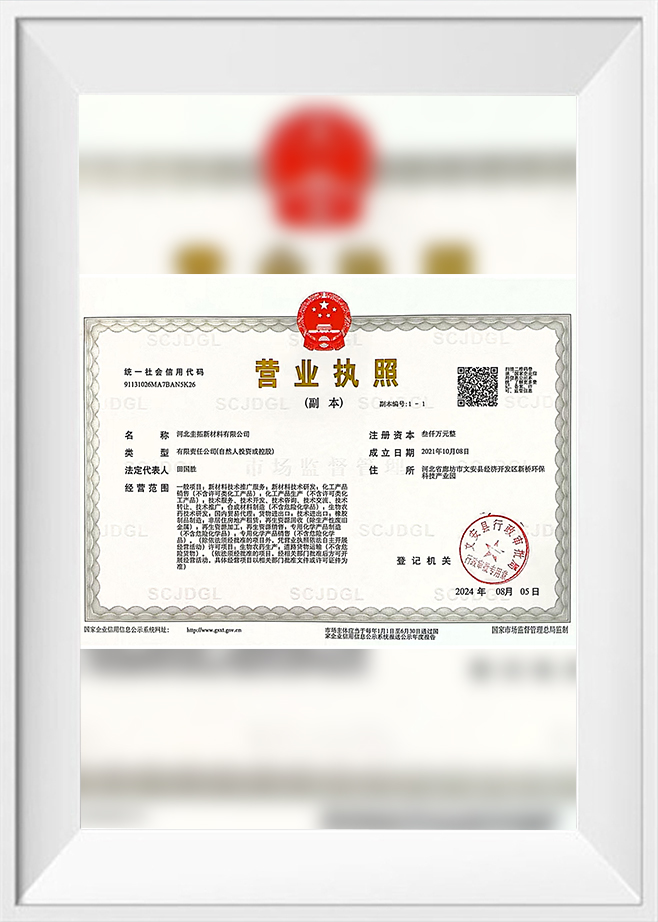
Performance benchmark
| Property | This low-toxicity wetting agent | Solvent-based silicone adjuvant | Amine-containing adjuvant |
|---|---|---|---|
| Acute oral LD₅₀ (rat) | > 2,000 mg/kg | ≈ 1,200 mg/kg | ≈ 900 mg/kg |
| Skin sensitization | Negative | Possible | Positive in some tests |
| Isothiazolinone biocide | None | Often present | Often present |
| Vapor exposure at mixing | Negligible | Solvent odor | Amine odor |
| Greenhouse tomato coverage | 83% | 81% | 66% |
Safety screening and coverage results
Source: greenhouse coverage trials and volunteer skin-exposure screening, 2024–2025; screening results are not a formal occupational assessment.
Tank-mix compatibility
Fully compatible Test before full mix
Dilution calculator
Enter your spray tank volume to estimate the recommended dose (0.04% v/v typical).
How to apply
Safe use guidelines
- Personal protection — Wear gloves and eye protection when handling the concentrate.
- First aid — Rinse skin and eyes with water for at least 15 minutes; if ingested, seek medical advice.
- Storage — Keep sealed, out of reach of children and pets, cool and dry.
- Environmental — Biodegradable; low aquatic toxicity at working concentration.
- Pesticide mixes — A wetting agent can raise absorption of the active; keep protective clothing on.
- Disposal — Triple-rinse containers and dispose per local regulations.
Crops & use cases
- Greenhouse tomato, cucumber, pepper — — enclosed spaces with frequent crew entry.
- Nurseries and garden centers — — staff and customers near treated beds.
- Table grapes and berries — — hand-picked crops with short re-entry windows.
- Home and community gardens — — low-hazard wetting for non-professional users.
Also chosen by retailers who want an adjuvant range with fewer hazard statements on the label.
Why it outperforms
- Clean hazard profile — — oral and dermal values above 2,000 mg/kg.
- No allergy-linked biocides — — free of isothiazolinones and amines.
- Low odor and vapor — — no solvent carrier.
- Full coverage performance — — 83% greenhouse tomato coverage at 0.03–0.05%.
Application guidelines
- Handling: use gloves and eye protection even for low-hazard products
- Mixing: add after pesticides and fertilizers; keep pH between 6 and 8
- Re-entry: set by the pesticide label; the wetting agent does not change it
- Home use: use a graduated cap or syringe to avoid overdosing
Packaging & shelf life
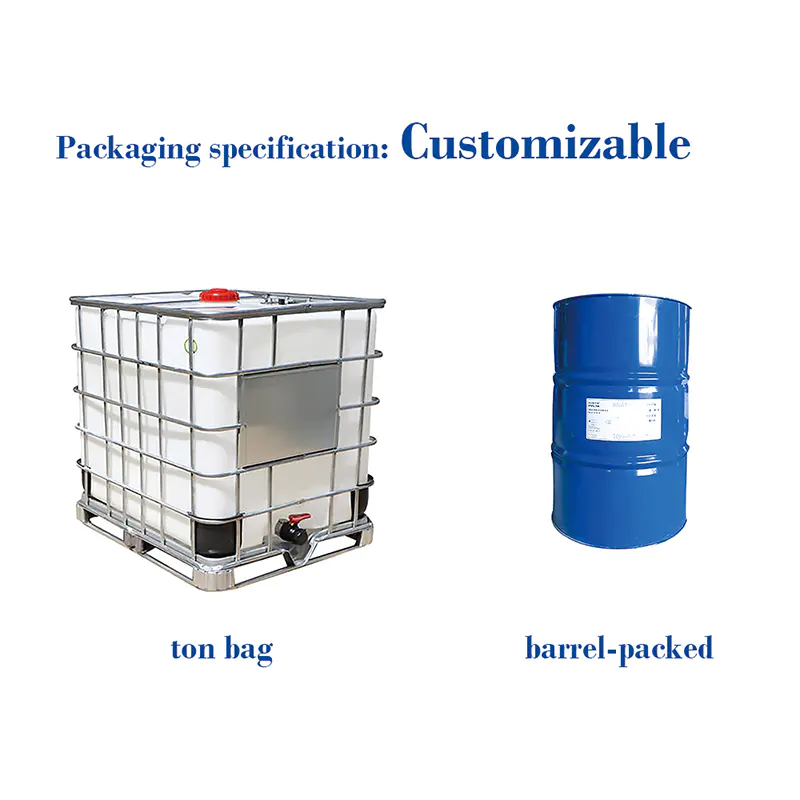
- Packaging: 250 mL, 1 L, 5 L, 20 L, 200 L drums / IBC totes.
- Storage: cool, dry, locked away from children and pets; 5–40°C.
- Shelf life: 24 months in unopened original container.
Global quality benchmarks
| Test item | Standard requirement | Our performance |
|---|---|---|
| Acute oral toxicity (rat) | > 2,000 mg/kg | > 2,000 mg/kg |
| Skin sensitization | Not sensitizing | Negative |
| Eye irritation | Reversible | Cleared in 48 h |
| Surface tension (0.1%) | ≤ 25 mN/m | 22 mN/m |
| Biodegradability | OECD 301 | Readily biodegradable |
Frequently asked questions
Latest articles & guides
Agricultural Grade Silicone Wetting Agent
overview Certified, Traceable Wetting Agent Built for Registration-Grade Consist
Agricultural Super Wetting Silicone Fluid
overview True Superspreading: Measured by Spreading Area, Contact Angle, and the
Agricultural Spray Adjuvant Wetting Agent
overview The General-Purpose Workhorse Adjuvant for Everyday Spray Programs Agr
Agricultural Pesticide Silicone Wetting Additive
overview A Wetting Additive Built Into the Powder, Not Added After Agricultural
Silicone Wetting Agent for Agrochemicals
overview Purpose-Built Wetting Agent for Chemigation Through Irrigation Systems
Agricultural Chemical Silicone Defoaming Agent
overview Industrial-Scale Antifoam for Agrochemical Manufacturing Processes Agr
Concentrated Agricultural Silicone Wetting Agent
overview A Super-Concentrate That Treats Thousands of Litres per Litre Concentr
Agricultural Silicone Super Spreading Agent
overview Extreme Leaf-Surface Coverage Through True Super-Spreading Agricultura
Silicone Wetting Agent
overview Fast, Uniform Wetting for Hard-to-Wet Agricultural Surfaces Silicone W
Wetting performance without adding to your hazard list
Safety data on request · Free samples
cnguituonewmaterial.com · Agricultural adjuvants & new materials

Tel : +86-400-138-5268
Email : [email protected]
Phone : +86-15128434888 / +86-13511051998
Add : Xinqiao Environmental Protection Industrial Park, Wen'an County, Langfang City, Hebei Province, China
Copyright © Hebei Guituo New Material Co., Ltd. All Rights Reserved.
