

 English
  Français
  Português

Silicone-Based Antifoam for Agriculture
Hydrophobic silicone antifoam for on-farm liquid handling — fertilizer storage tanks, fertigation reservoirs, and manure/digestate slurry and biogas systems, distinct from spray-tank or plant defoamers.
Explore our adjuvant range
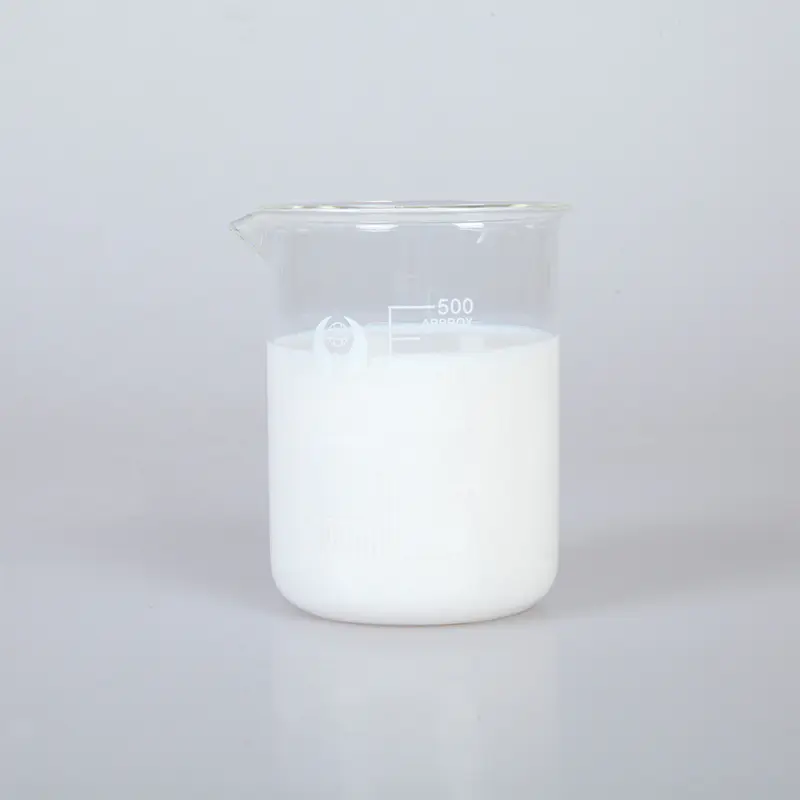
Foam Control for On-Farm Liquid Storage, Fertigation, and Slurry Systems
Silicone-Based Antifoam for Agriculture is a hydrophobic silicone antifoam formulated for on-farm liquid-handling systems outside the spray tank — liquid fertilizer storage and blending tanks, fertigation reservoirs, manure and digestate slurry storage, and biogas digester feedstock handling — environments with foam-generation mechanisms and duty cycles quite different from either spray-tank agitation or industrial manufacturing processes.
Liquid fertilizer storage and blending tanks generate foam primarily through pump-transfer turbulence and the surfactant-like behaviour of some liquid fertilizer formulations (particularly those containing surfactant-based micronutrient chelate carriers); this antifoam is dosed at 20–100 ppm during transfer and blending operations to prevent foam from interfering with tank-level sensors and accurate blending ratios — a practical concern for growers and custom blenders who rely on level sensors for inventory management and accurate N-P-K ratio mixing.
In manure and digestate slurry systems, foam is a more persistent and higher-volume problem, often driven by microbial gas production (methane, CO₂) rising through a viscous, organic-matter-rich liquid — a fundamentally different foam chemistry from surfactant-stabilized foam in spray tanks or fertilizer blends. This antifoam is formulated with a carrier system that remains dispersible in high-viscosity, high-solids slurry, where standard low-viscosity defoamers can settle out or fail to distribute evenly through the liquid mass.
For biogas digester operations, foam control is directly tied to operational safety and efficiency: excessive foam in a digester can block gas-collection piping, reduce effective digester volume, and in severe cases create pressure-relief and safety concerns. This antifoam's silicone-based mechanism is confirmed compatible with anaerobic digestion biology, not disrupting the methanogenic bacteria responsible for biogas production at treatment-relevant dosing levels — an important distinction from surfactant-stripping or biocidal antifoam chemistries that could harm digester performance.
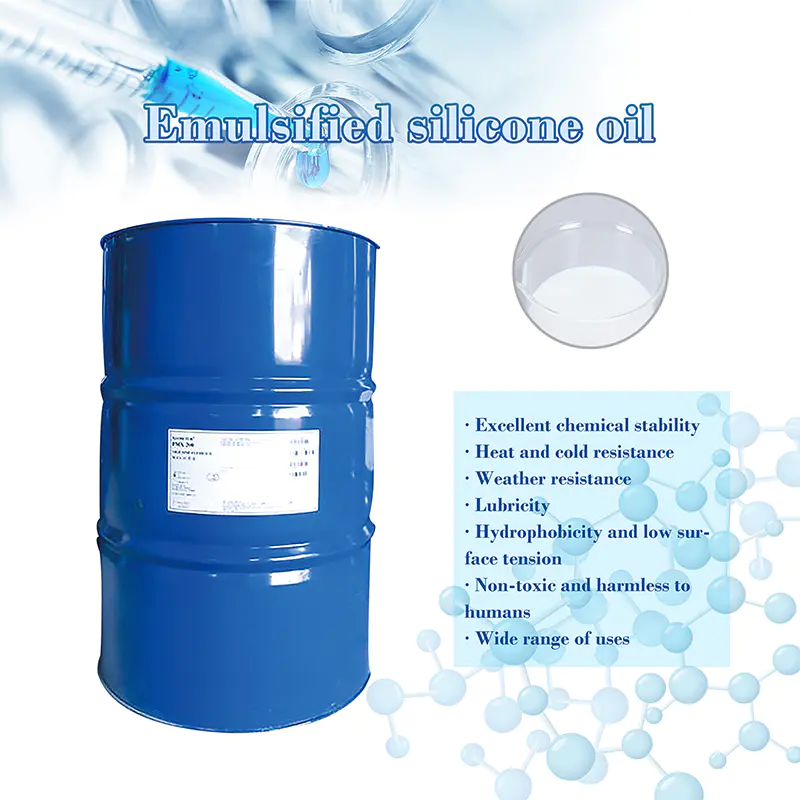
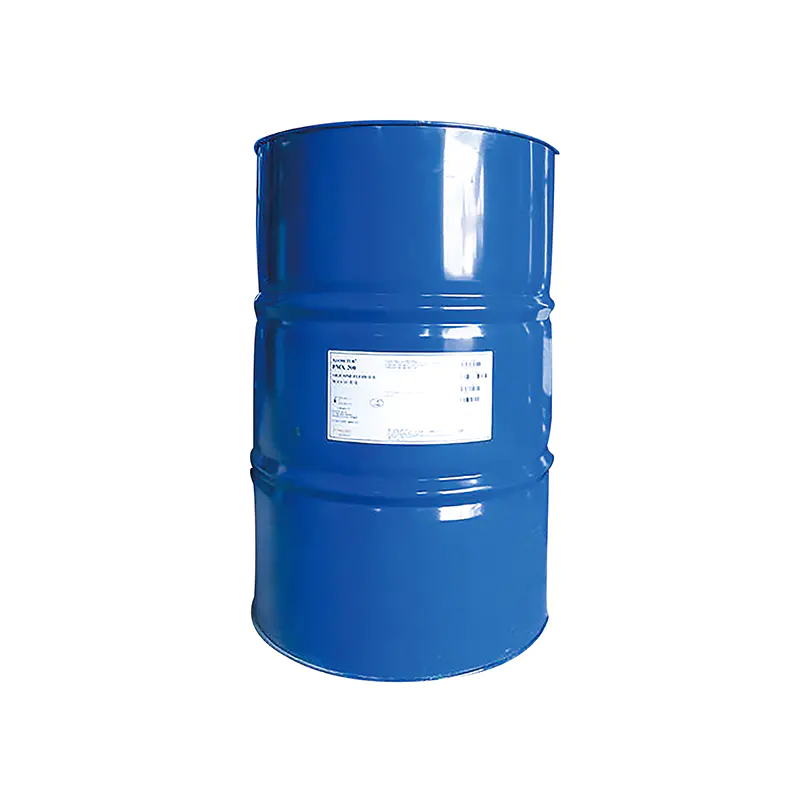
Packaged for farm-scale rather than field-application-scale use, the product is supplied in 20 L and 200 L containers suited to periodic dosing of storage tanks and digesters, with technical guidance available for slurry systems where foam behaviour varies significantly with feedstock composition and digester operating conditions.
Why On-Farm Systems Need a Dedicated Antifoam
Mechanism of action
Silicone-Based Antifoam for Agriculture uses the same fundamental hydrophobic silica-in-silicone-oil bubble-lamella-disruption mechanism common to silicone antifoams, but with a carrier system specifically engineered to remain dispersed through high-viscosity, high-solids liquids like manure slurry and digestate, where a standard low-viscosity defoamer can settle out before it reaches the point of foam formation.
In fertilizer storage tanks, the antifoam reaches foam bubbles generated by pump-transfer turbulence and destabilizes them at the point of formation, preventing the accumulated foam layer that would otherwise interfere with level-sensor readings.
In digester and slurry systems, the same mechanism intercepts foam driven by rising microbial gas bubbles moving through viscous organic matter — a slower, more persistent foam-generation process than pump turbulence, which is why the carrier system here is tuned for sustained dispersion rather than rapid one-time knockdown alone.
Foam control profile shifts from fast-knockdown (fertilizer/fertigation) to sustained dispersion (slurry/digester) by system type.
Product specifications
| Parameter | Value |
|---|---|
| Appearance | White to off-white dispersion |
| Active content | 15 – 35% hydrophobic silica in silicone carrier |
| Viscosity (25°C) | 100 – 300 cSt (carrier system) |
| Density (25°C) | 0.98 – 1.03 g/cm³ |
| High-solids dispersibility | Engineered for slurry/digestate viscosity range |
| pH stability range | 4 – 10 |
| Flash point | > 95°C |
| Storage stability | 18 months (cool, dry) |
Performance data


- 2021
Company Establishment
- 10000m²
Advanced Factory
- 50+
Exporting Country
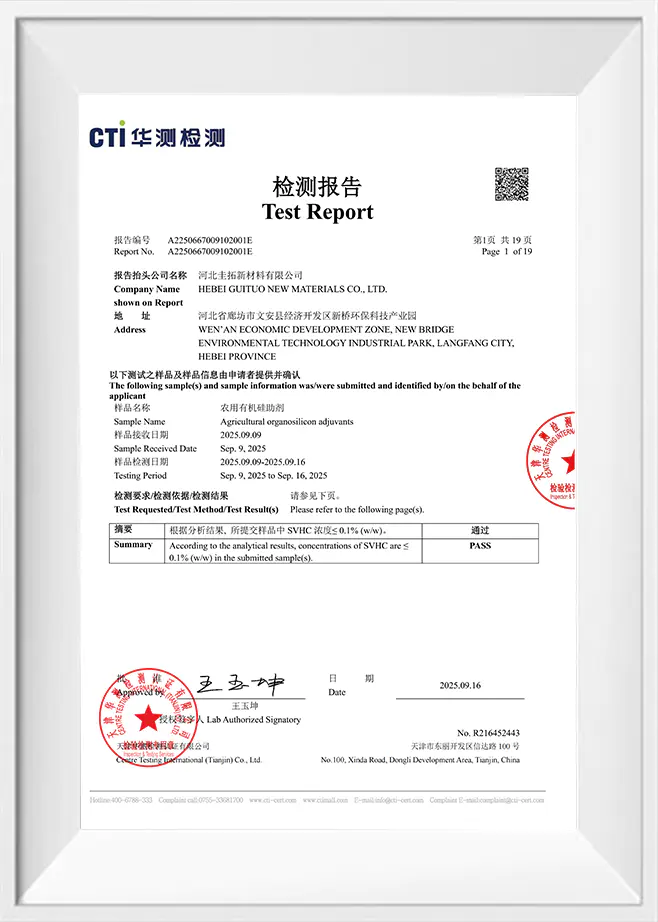
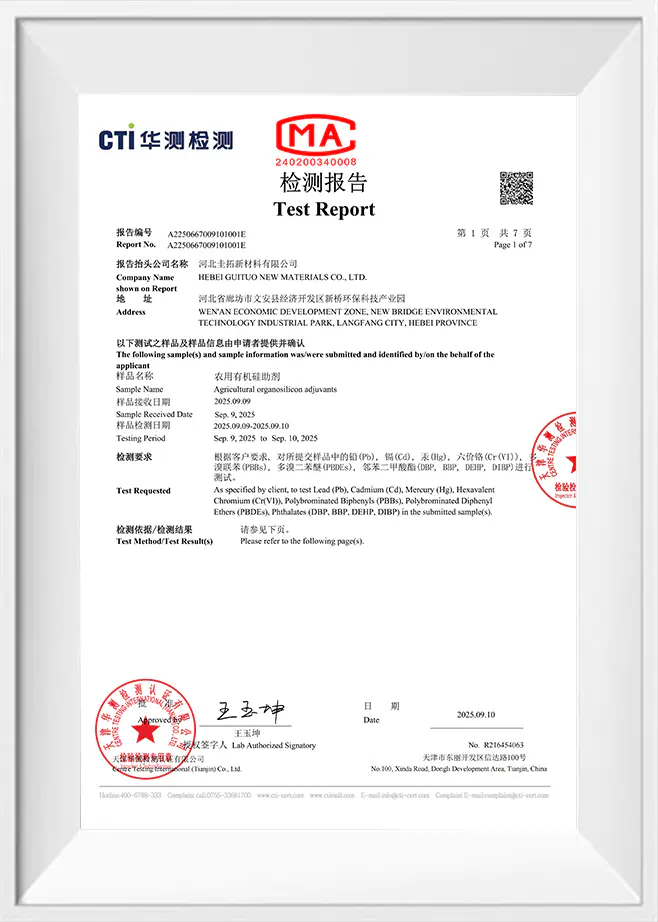
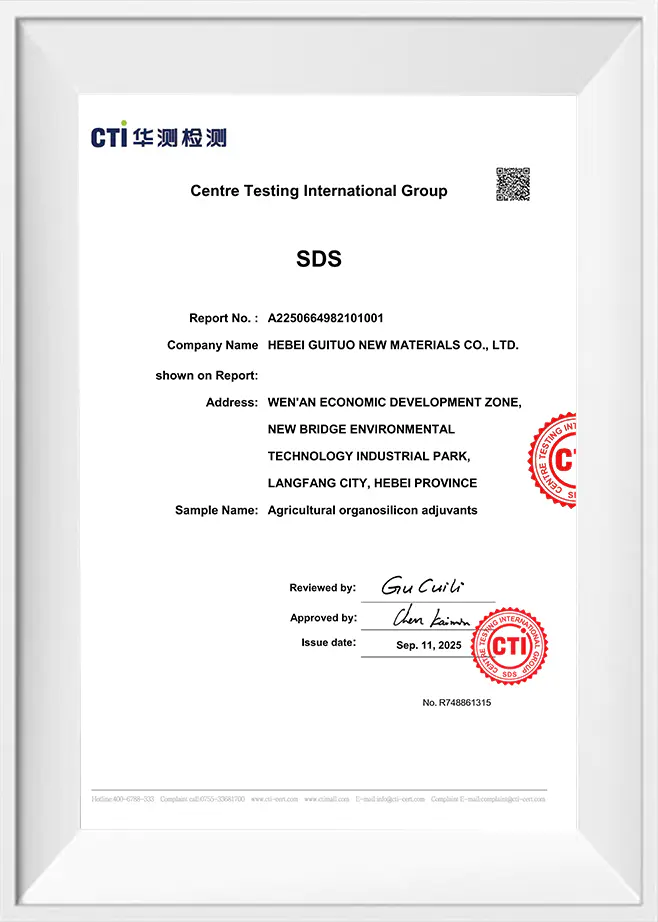
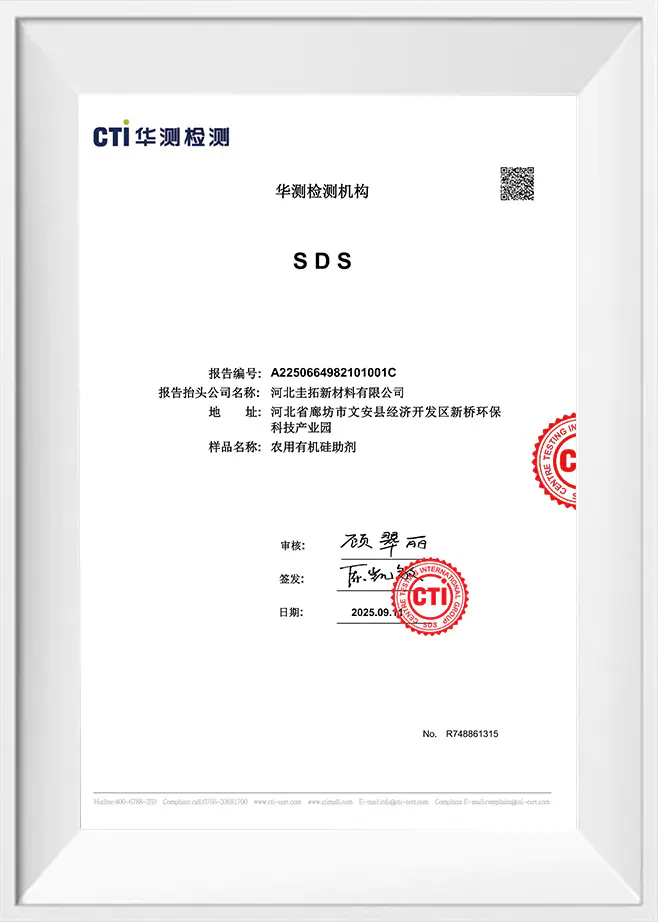
Our Certifications
And Partners
Professional scale factory production. We can customize finished products wholesale and export, OEM production, and distribution.
I just wanted to let you know that welcome to inquire and place orders.



Performance benchmark
| Property | This on-farm antifoam | Field spray-tank defoamer | General industrial antifoam |
|---|---|---|---|
| Carrier system | Slurry-dispersible | Low-viscosity only | Not applicable |
| Digester biological compatibility | Confirmed safe | Not tested | Often disruptive |
| High-solids/high-viscosity performance | Purpose-engineered | Poor | Poor |
| Foam control duration | Sustained, multi-day | Short-term only | Variable |
| Application domain | Storage/fertigation/slurry | Field spray tank | General industrial |
On-farm liquid system performance results
Source: on-farm liquid fertilizer and anaerobic digester field trials, 2024–2025.
Tank-mix compatibility
Fully compatible Test before full mix
Dilution calculator
Enter your storage tank or digester volume to estimate a starting dose (75 ppm typical midpoint).
How to apply
Safe use guidelines
- Personal protection — Wear gloves and eye protection during handling and dosing.
- First aid — Rinse skin/eyes with water; if ingested, seek medical advice.
- Storage — Keep sealed, cool, and dry; shake before use if settling occurs.
- Environmental — Low aquatic toxicity; confirmed compatible with anaerobic digestion biology.
- Disposal — Dispose of containers per local agricultural waste regulations.
- Shelf life — 18 months in unopened original container.
Crops & use cases
- Liquid fertilizer blenders & retailers — storage and blending tank foam control for accurate ratios.
- Livestock operations — manure slurry storage foam management.
- On-farm anaerobic digesters — biogas production systems needing foam control for safety and output.
- Fertigation-equipped greenhouses/farms — reservoir level-sensor accuracy protection.
Also used in custom fertilizer blending facilities handling surfactant-containing micronutrient carrier formulations.
Why it outperforms
- Solves storage-specific problems — protects level sensors and blending accuracy in fertilizer tanks.
- Built for slurry viscosity — carrier system stays dispersed through high-solids manure and digestate.
- Digester-safe — does not disrupt methanogenic bacteria or biogas production.
- Protects equipment — reduces foam-related gas-piping blockage risk in digesters.
Application guidelines
- Fertilizer tanks: dose during active transfer or blending for best foam prevention
- Slurry systems: start at lower dose and increase based on observed feedstock-specific foam behaviour
- Digester dosing: monitor gas production after introducing to confirm no biological disruption
- Shake before use: some settling is normal in the concentrate; agitate before dosing
Packaging & shelf life
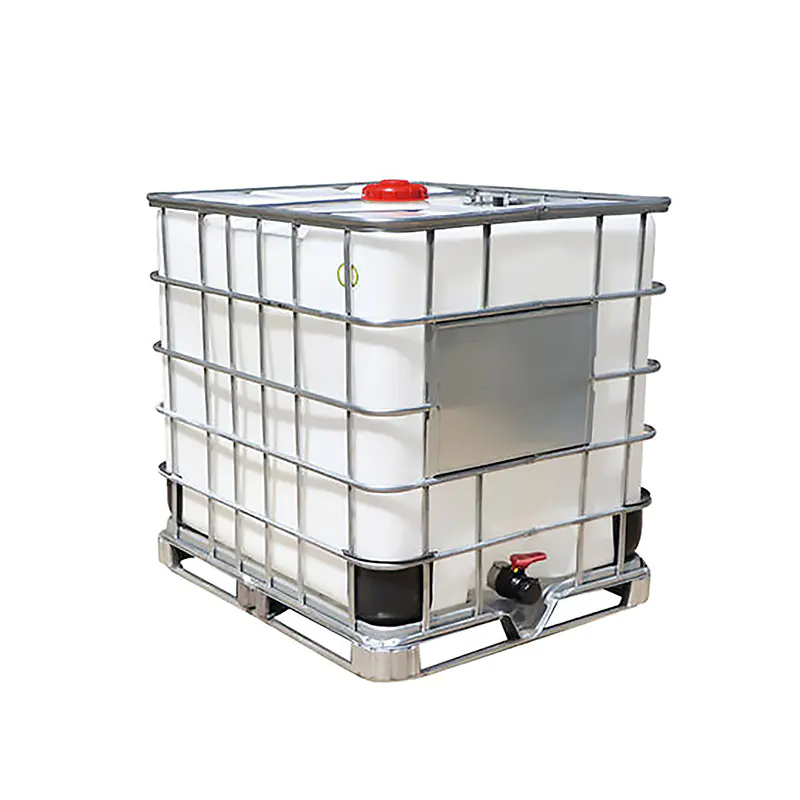
- Packaging: 20 L, 200 L drums, IBC totes for farm-scale use.
- Storage: cool, dry, sealed, away from direct sunlight; avoid freezing.
- Shelf life: 18 months in unopened original container.
Global quality benchmarks
| Test item | Standard requirement | Our performance |
|---|---|---|
| Active content | ≥ 10% | 15–35% |
| Slurry dispersibility | Not routinely tested | Purpose-engineered |
| Digester biological safety | Not verified | Confirmed compatible |
| Foam control persistence (slurry) | Hours | Multi-day |
| Level-sensor interference elimination | Partial | Confirmed at recommended dose |
Frequently asked questions
Latest articles & guides
Silicone Wetting Agent for Agrochemicals
overview Purpose-Built Wetting Agent for Chemigation Through Irrigation Systems
Silicone Surfactant for Herbicide Application
overview Purpose-Built for Broadleaf and Grass Weed Herbicide Programs Silicone
Silicone Additive for Crop Protection
overview A Formulator's Multi-Function Toolbox Additive Silicone Additive for C
Silicone-Based Agricultural Tank Mix
overview A Ready-Blended, One-Bottle Tank-Mix Solution Silicone-Based Agricultu
Silicone Adjuvant for Fungicide Spray
overview Adjuvant Built Around the Disease-Control Weather Window Silicone Adju
Silicone Spreader for Foliar Fertilizer
overview Purpose-Built Spreader for Foliar Nutrition Programs Silicone Spreader
Silicone Surfactant for Agricultural Chemicals
overview Multi-Functional Silicone Surfactant for Agrochemical Formulation Sili
Modified Silicone Fluid for Agriculture
overview Functional Silicone Fluid for Agricultural Films, Coatings, and Textile
Silicone Wetting Agent
overview Fast, Uniform Wetting for Hard-to-Wet Agricultural Surfaces Silicone W
Foam control for what happens before and after the spray
Farm-trial samples · Slurry and digester technical support
cnguituonewmaterial.com · Agricultural adjuvants & new materials

Tel : +86-400-138-5268
Email : [email protected]
Phone : +86-15128434888 / +86-13511051998
Add : Xinqiao Environmental Protection Industrial Park, Wen'an County, Langfang City, Hebei Province, China
Copyright © Hebei Guituo New Material Co., Ltd. All Rights Reserved.
