

 English
 Français
 Português


Agricultural Grade Polyether Modified Silicone
Comb-type silicone copolymer with Si–C bonded polyether chains — keeps over 95% of its activity after 7 days at pH 4–9 and survives acidic SL co-formulation, with tight impurity limits.
Explore our adjuvant range
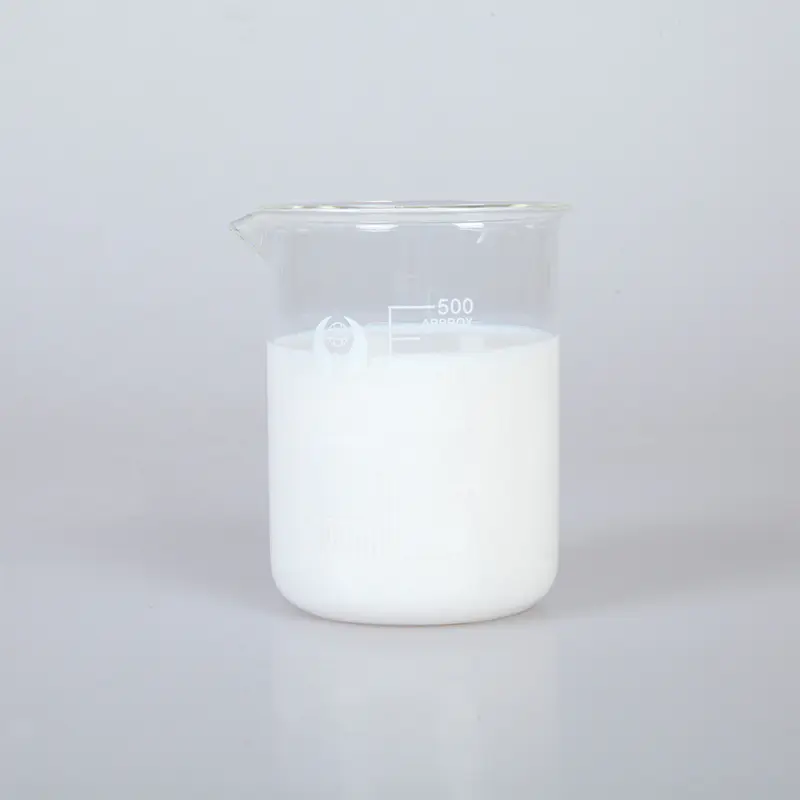
A Hydrolytically Stable Comb-Type Silicone for Acidic and Multi-Day Tank Mixes
Agricultural Grade Polyether Modified Silicone is a comb-type (graft) copolymer with a longer siloxane backbone — roughly 20 to 40 siloxane units — carrying several polyether side chains attached through stable silicon–carbon bonds. This architecture is quite different from the compact trisiloxane surfactants that dominate the adjuvant market. The trisiloxane family delivers very strong spreading, but its short Si–O–Si backbone is vulnerable to hydrolysis: in acidic or alkaline spray water, the molecule breaks down in hours and the super-spreading effect is lost. A comb-type backbone distributes the polyether groups along a longer chain and shields the siloxane bonds, giving much better stability across the pH range that real tank mixes encounter.
That stability is the point of this grade. Many useful crop-protection products are acidic: glyphosate salts, 2,4-D and MCPA amines, many fungicide and insecticide concentrates, and fertilizer solutions pull tank pH toward 4 or lower. In such a tank, a trisiloxane adjuvant may lose more than half of its surface activity within a day. In stability testing, this comb-type silicone retained more than 95% of its surface-tension reduction after seven days in tank water buffered at pH 4, 7, and 9, which allows applicators to prepare a tank, hold it through a weather delay, or use it across two spray days without re-dosing.
The stability also opens the door to co-formulation. Because the molecule survives in acidic concentrates, formulators can build the adjuvant directly into soluble liquid products such as glyphosate or 2,4-D SL concentrates, where a trisiloxane would not last through storage. In a model glyphosate SL at pH 4.5, the comb-type silicone retained over 92% of its activity after 24 months of simulated storage, supporting ready-to-use "adjuvant-included" products.
The trade-off is a more moderate performance profile. Surface tension at 0.1% settles around 24 mN/m rather than the 20–21 mN/m of a super-spreading trisiloxane, and spreading area is roughly 150–180 mm² rather than over 300 mm². For most crops and tank mixes this is more than enough to move from a beading spray to a spreading one, and it comes with a wider safety margin on tender foliage.
Quality control for the agricultural grade focuses on the ingredients that undermine stability and safety: residual unreacted allyl polyether is held below 0.5%, free polyether below 2%, and 1,4-dioxane below 10 ppm, with each batch released against these limits and a certificate of analysis.
Why Choose a Comb-Type Backbone
Mechanism of action
Agricultural Grade Polyether Modified Silicone has a siloxane backbone several times longer than a trisiloxane, with polyether groups attached at intervals through silicon–carbon bonds, which hydrolyze far more slowly than silicon–oxygen–carbon links. The polyether side chains also physically crowd the backbone, reducing the access of water and acid or alkali to the siloxane bonds.
In the spray tank, the molecule aligns at the air–water and leaf–water interfaces in the same way as other silicone surfactants, lowering surface tension to about 24 mN/m and encouraging spreading. The difference is what happens over the next hours and days: the activity persists instead of fading.
In an acidic concentrate, the same shielding allows the surfactant to sit in the product through storage, which is why it can be built into SL formulations that would destroy a trisiloxane.
A typical trisiloxane loses most of its activity within 24 hours at pH 4; this comb-type grade stays above 95%.
Product specifications
| Parameter | Value |
|---|---|
| Appearance | Clear to pale-yellow liquid |
| Active content | ≥ 97% (comb-type polyether-modified silicone) |
| Siloxane backbone length | ≈ 20 – 40 units |
| Linkage type | Si–C bonded polyether |
| Viscosity (25°C) | 60 – 150 cSt |
| Residual allyl polyether | < 0.5% |
| Free polyether | < 2% |
| 1,4-Dioxane | < 10 ppm |
Performance data
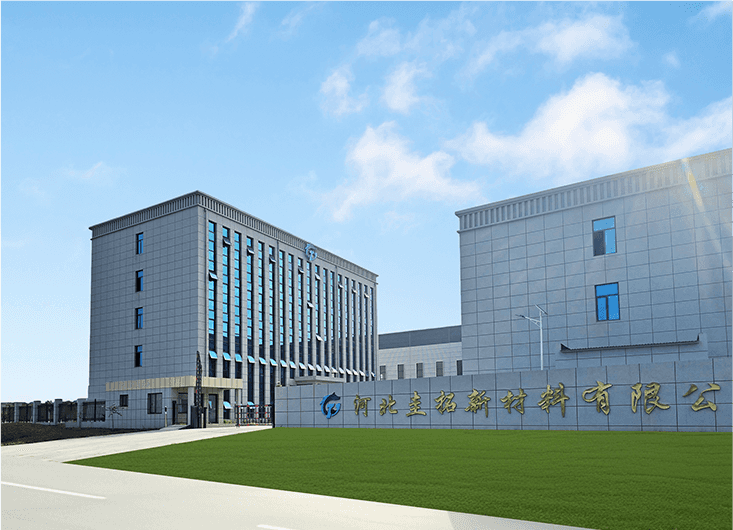

- 2021
Company Establishment
- 10000m²
Advanced Factory
- 50+
Exporting Country
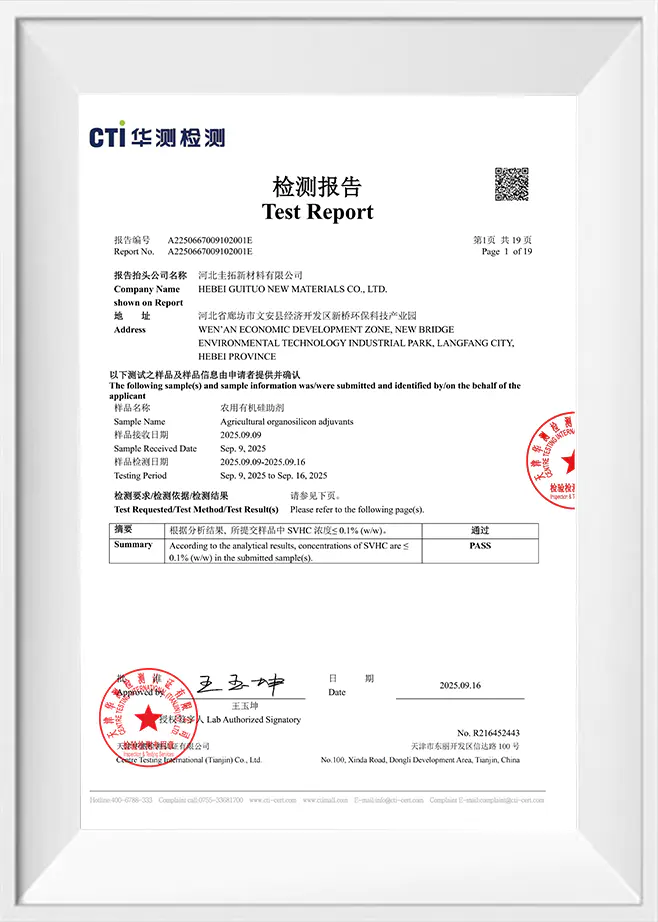
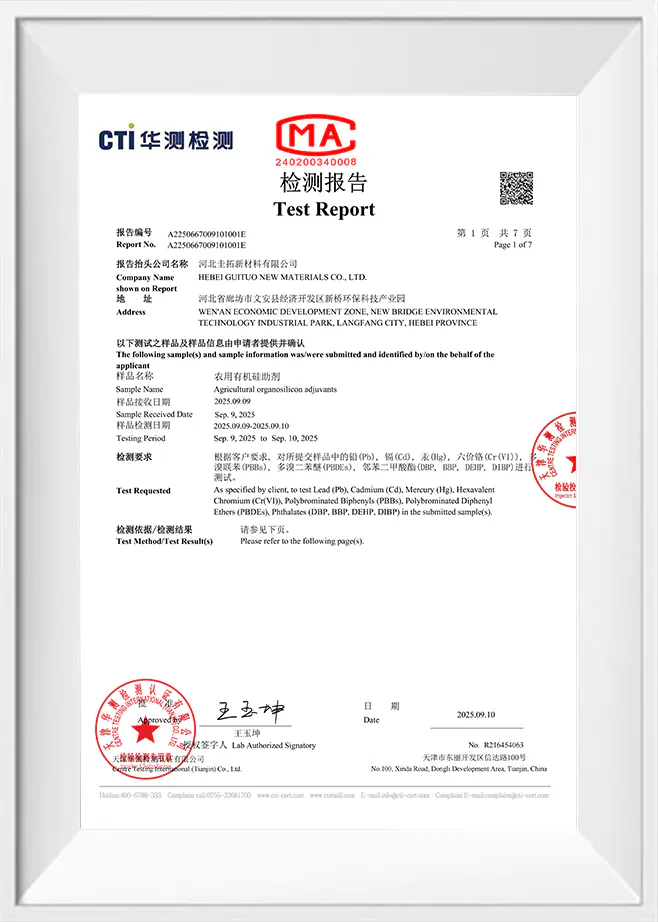
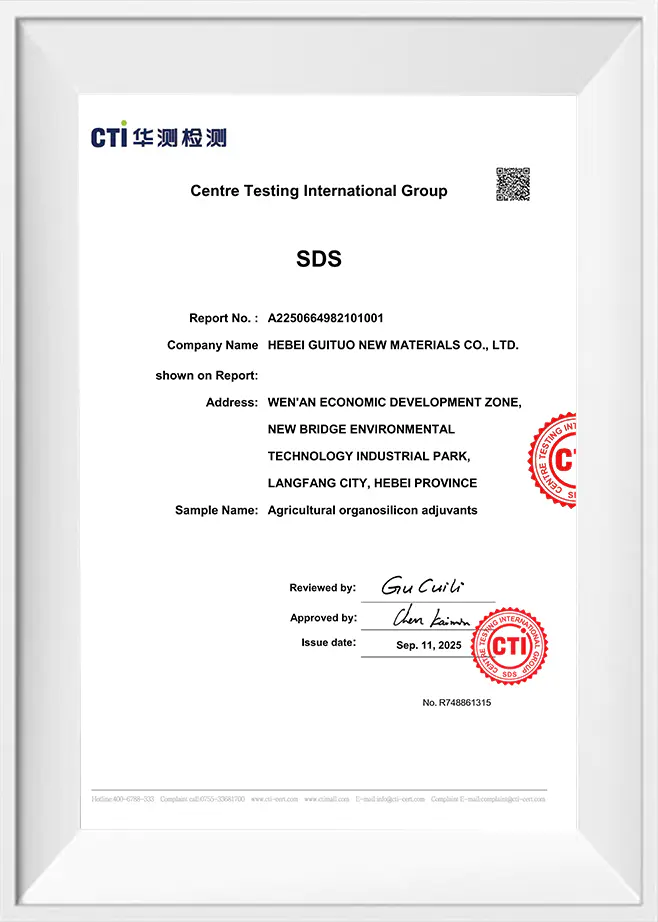
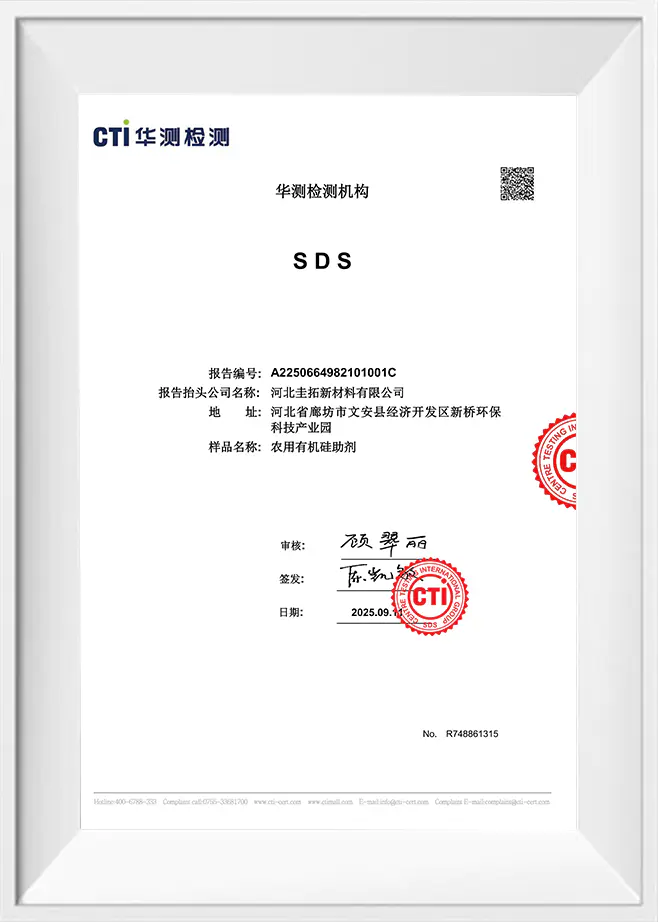
Our Certifications
And Partners
Professional scale factory production. We can customize finished products wholesale and export, OEM production, and distribution.
I just wanted to let you know that welcome to inquire and place orders.



Performance benchmark
| Property | This comb-type silicone | Trisiloxane super-spreader | Conventional NIS |
|---|---|---|---|
| Activity after 7 days at pH 4 | > 95% | < 20% | > 95% |
| Surface tension (0.1%) | 24 mN/m | 20.5–22 mN/m | 32–36 mN/m |
| Acidic SL co-formulation | Yes, 24 months | No | Yes |
| Tender-foliage safety margin | Wide | Narrower | Wide |
| Super-spreading capability | Moderate | Very strong | None |
Stability and co-formulation results
Source: laboratory hydrolysis and accelerated-storage studies, 2024–2025.
Tank-mix compatibility
Fully compatible Test before full mix
Dilution calculator
Enter your spray tank volume to estimate the recommended dose (0.07% v/v typical).
How to apply
Safe use guidelines
- Personal protection — Wear gloves and eye protection during mixing.
- First aid — Rinse skin/eyes with water; if ingested, seek medical advice.
- Storage — Keep sealed, cool, and dry, away from direct sunlight.
- Environmental — Biodegradable polyether fraction; low aquatic toxicity.
- Disposal — Dispose of containers per local regulations; do not contaminate water sources.
- Shelf life — 24 months in unopened original container.
Crops & use cases
- Glyphosate and phenoxy programs — acidic tank mixes where trisiloxanes fade.
- Multi-day spray operations — large farms and contractors holding tanks overnight.
- Adjuvant-included concentrates — SL products built with a stable surfactant.
- Tender crops and nurseries — programs favoring moderate spreading.
Also used by distributors who want one adjuvant that stays dependable across variable water sources.
Why it outperforms
- Reliable in real water — pH 4–9 stability instead of a narrow 6–8 window.
- Enables co-formulation — survives acidic SL storage.
- Cleaner specification — residual polyether and dioxane limits on every batch.
- Gentler on foliage — moderate spreading profile with a wide safety margin.
Application guidelines
- Acidic tanks: no need to buffer the tank solely to protect this adjuvant
- Holding time: use within 7 days of mixing; agitate before spraying
- Rate selection: start at 0.07% and adjust between 0.05% and 0.1%
- Co-formulation: run accelerated storage with the final formulation
Packaging & shelf life
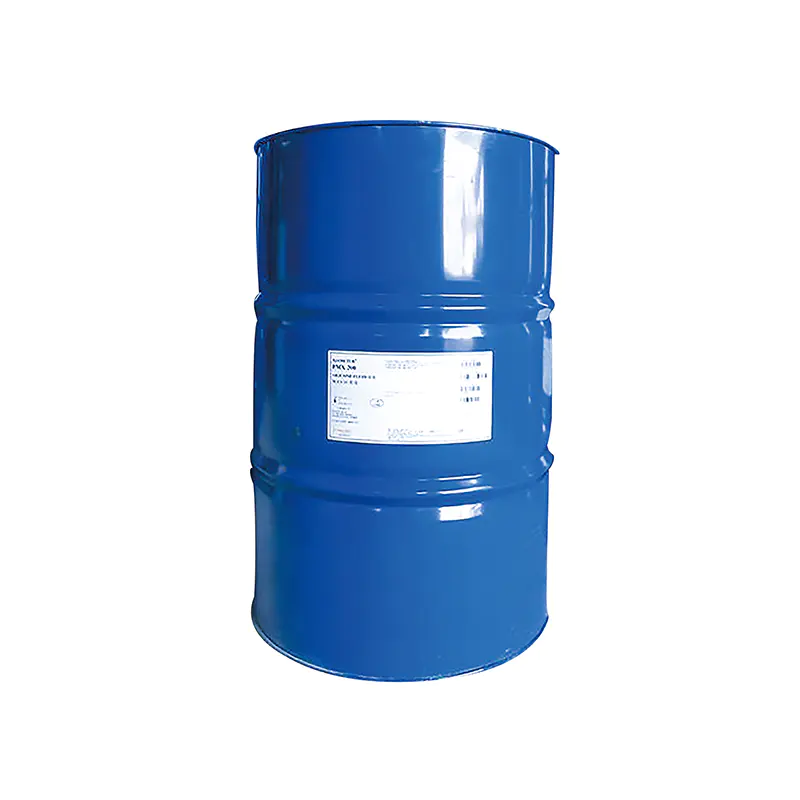
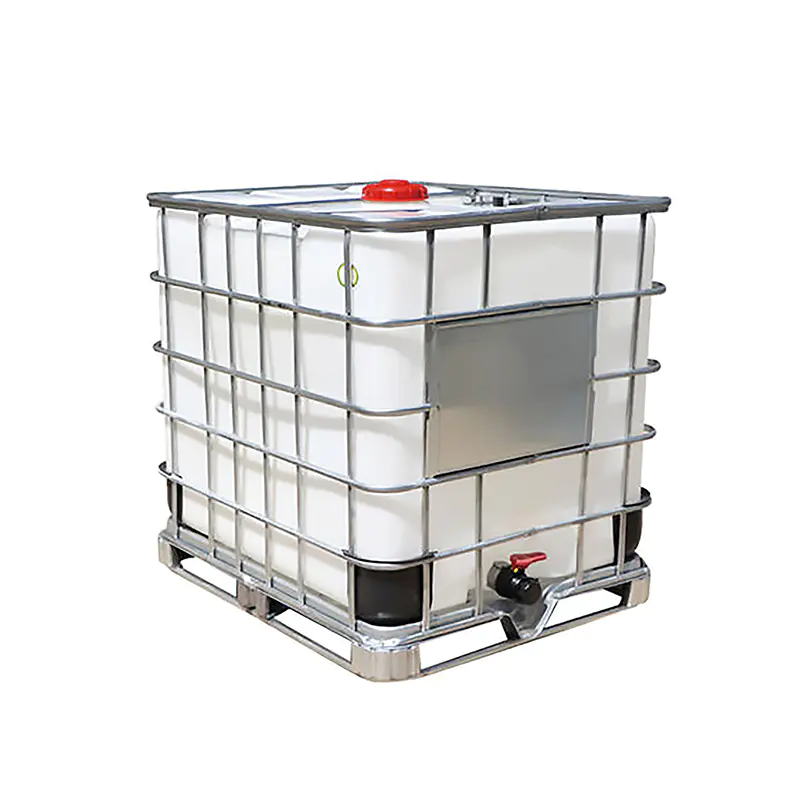
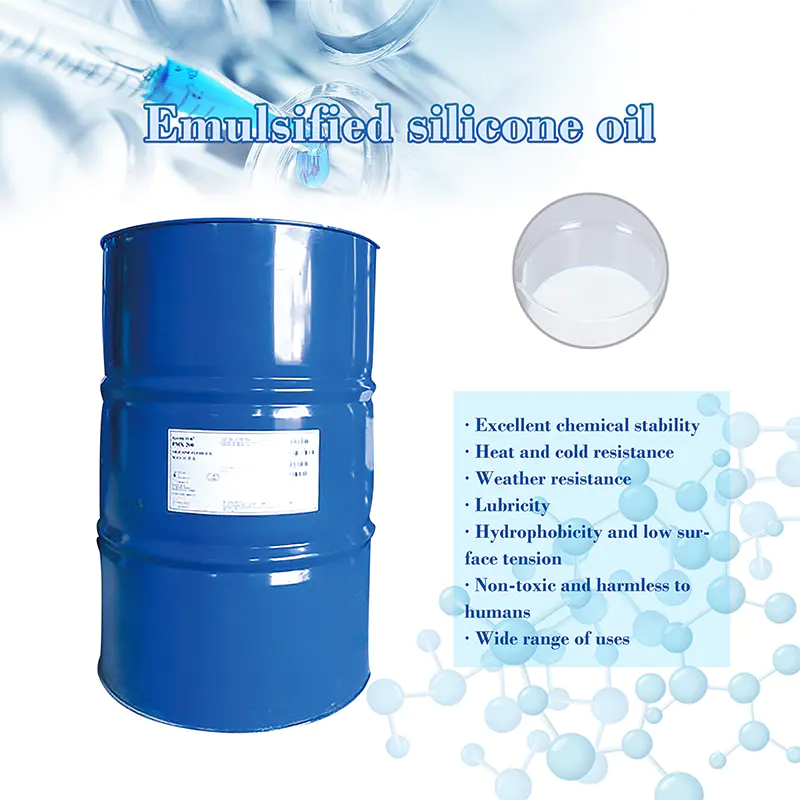
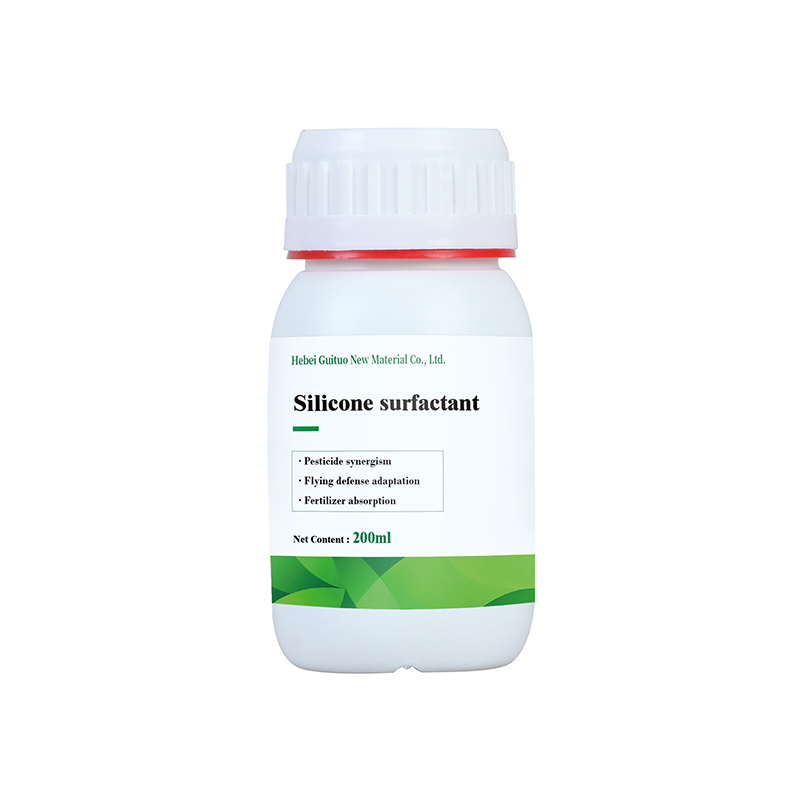
- Packaging: 1 L, 5 L, 20 L, 200 L drums / IBC totes.
- Storage: cool, dry, away from direct sunlight; 5–40°C.
- Shelf life: 24 months in unopened original container.
Global quality benchmarks
| Test item | Standard requirement | Our performance |
|---|---|---|
| Residual allyl polyether | < 2% | < 0.5% |
| Free polyether | < 5% | < 2% |
| 1,4-Dioxane | < 50 ppm | < 10 ppm |
| Activity after 7 days at pH 4 | Not specified | > 95% |
| Certificate of analysis | On request | Every batch |
Frequently asked questions
Latest articles & guides
Polyether Modified Heptamethyltrisiloxane Agricultural Surfactant
overview A Graded Product Line for Selectable Spreading Intensity Polyether Mod
Polyether Modified Silicone Oil Surfactant
overview Copolymer Chemistry That Bridges Oil and Water Phases Polyether Modifi
Agricultural Grade Silicone Wetting Agent
overview Certified, Traceable Wetting Agent Built for Registration-Grade Consist
Agricultural Super Wetting Silicone Fluid
overview True Superspreading: Measured by Spreading Area, Contact Angle, and the
Agricultural Chemical Silicone Defoaming Agent
overview Industrial-Scale Antifoam for Agrochemical Manufacturing Processes Agr
Agricultural Spray Droplet Modifier Silicone
overview Controlling What Happens in the Milliseconds After a Droplet Hits the L
Agricultural Pesticide Silicone Wetting Additive
overview A Wetting Additive Built Into the Powder, Not Added After Agricultural
Silicone Surfactant for Agricultural Chemicals
overview Multi-Functional Silicone Surfactant for Agrochemical Formulation Sili
Modified Silicone Fluid for Agriculture
overview Functional Silicone Fluid for Agricultural Films, Coatings, and Textile
A silicone adjuvant that stays active where others fade
Free samples · Stability data on request · Co-formulation support
cnguituonewmaterial.com · Agricultural adjuvants & new materials

Tel : +86-400-138-5268
Email : [email protected]
Phone : +86-15128434888 / +86-13511051998
Add : Xinqiao Environmental Protection Industrial Park, Wen'an County, Langfang City, Hebei Province, China
Copyright © Hebei Guituo New Material Co., Ltd. All Rights Reserved.
