

 English
 Français
 Português


Silicone Defoamer for Agrochemical Formulations
Silicone emulsion antifoam built to live inside SC, SL, EW, and OD products — stable through 54°C accelerated storage and compatible with xanthan and clay thickeners.
Explore our adjuvant range
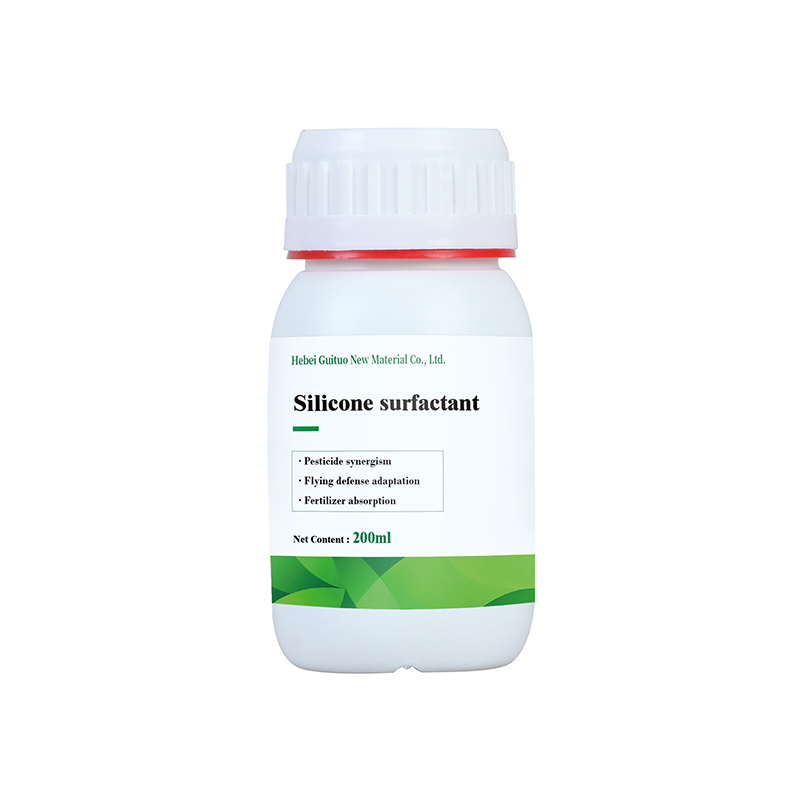
A Built-In Antifoam Designed to Live Inside the Finished Product
Silicone Defoamer for Agrochemical Formulations is a silicone emulsion antifoam developed to be formulated into the product itself — the suspension concentrate (SC), soluble liquid (SL), emulsion in water (EW), or oil dispersion (OD) that leaves the factory in a drum or jug. This is a different job from the field defoamers added to a spray tank or the process antifoams used in the reactor. A built-in antifoam must survive months of warehouse storage, heat cycling, and thickener chemistry, and it must still work when the farmer dilutes the product into a tank a year later. Many otherwise good silicone defoamers fail exactly there: they cream, coalesce, or lose their active silica after weeks in a hot store.
The product is a 25–30% active silicone emulsion stabilized with a non-ionic emulsifier system chosen to remain compatible with the xanthan gum and clay thickeners used in suspension concentrates, as well as with the high-electrolyte environment of SL products. It is added at 0.1–0.5% w/w after the main formulation is made, usually at low shear, and requires no heating. In accelerated storage testing of 14 days at 54°C, the defoamer showed no creaming or separation in the finished formulation and retained more than 90% of its foam-control performance in a standard persistent-foam test afterwards.
Formulators generally work to a persistent-foam specification, commonly no more than about 60 mL of foam remaining one minute after a standard dilution-and-inversion test. Surfactant-rich products — many SCs carry 5–10% surfactant load — frequently fail that specification without help. With this antifoam at 0.2% w/w, a representative high-surfactant SC reduced persistent foam from 140 mL to under 40 mL, well inside the specification, without a measurable change in suspensibility, particle size, or viscosity.
A common concern with built-in antifoams is that they might harm the product. Silicone antifoam droplets can in principle destabilize emulsions in EW products or disrupt spray-pattern quality if they coalesce into visible oil spots. This grade is designed with a controlled droplet size of 2–5 µm, which is small enough to remain stable in the can and large enough to act as an effective foam breaker on dilution. No oil spots were seen on a 200-mesh screen test at the recommended dosage.
The antifoam is compatible with common SC wetting and dispersing agents, preservatives, antifreeze glycols, and thickeners, and its use level is low enough that it adds a negligible amount of new inert material to the formulation.
Why Formulators Build It Into the Product
Mechanism of action
Silicone Defoamer for Agrochemical Formulations is an oil-in-water emulsion of silicone fluid and hydrophobic silica, stabilized so the droplets stay separate for the life of the product. In the can, the droplets sit dormant; they do no harm to the suspension because they are small and carefully stabilized.
When the product is diluted into a spray tank, the surfactants in the formulation begin to stabilize foam. The antifoam droplets, now released into a dilute solution, spread into the bubble walls, thin them, and rupture them, which is the standard silicone antifoam mechanism.
Storage stability is the real engineering problem: an emulsifier system that is compatible with thickeners, glycols, and high electrolyte keeps the droplets from coalescing, so the product still works after a year on a warehouse shelf.
More than 90% of foam-control performance is retained after 14 days at 54°C.
Product specifications
| Parameter | Value |
|---|---|
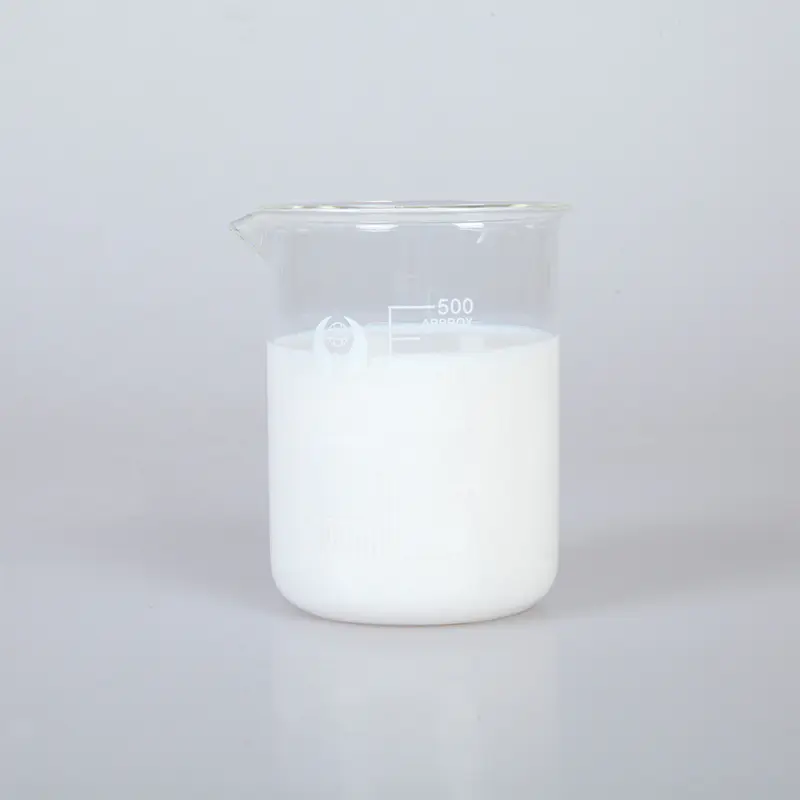
| Appearance | White to off-white emulsion |
| Active silicone content | 25 – 30% |
| Emulsion type | Oil-in-water, non-ionic stabilized |
| Droplet size (D50) | 2 – 5 µm |
| Viscosity (25°C) | 800 – 3,000 mPa·s |
| pH stability range | 3 – 10 |
| Dilution | Dispersible in water in all proportions |
| Storage stability | 18 months (5–35°C, do not freeze) |
Performance data


- 2021
Company Establishment
- 10000m²
Advanced Factory
- 50+
Exporting Country
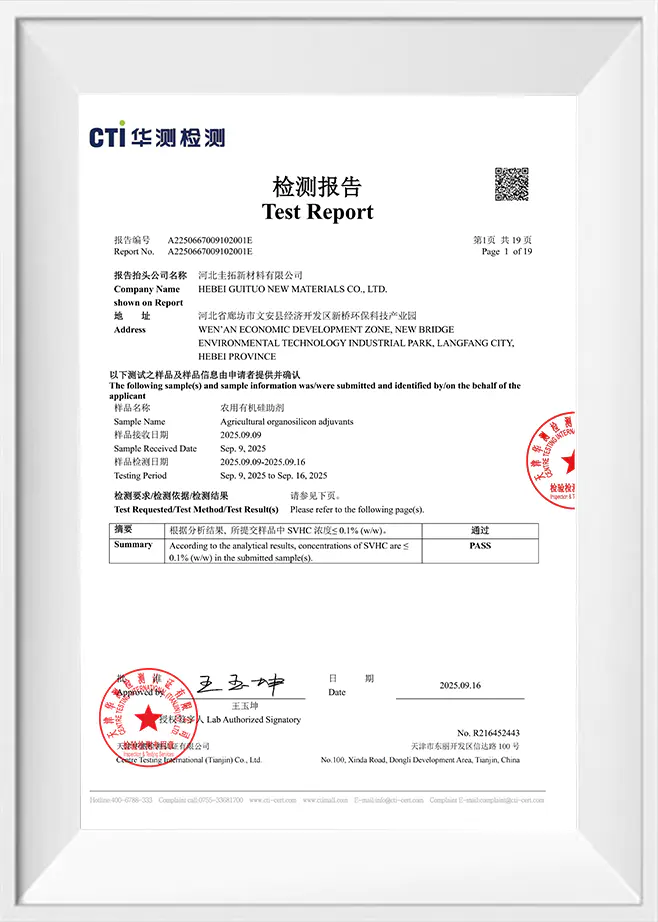
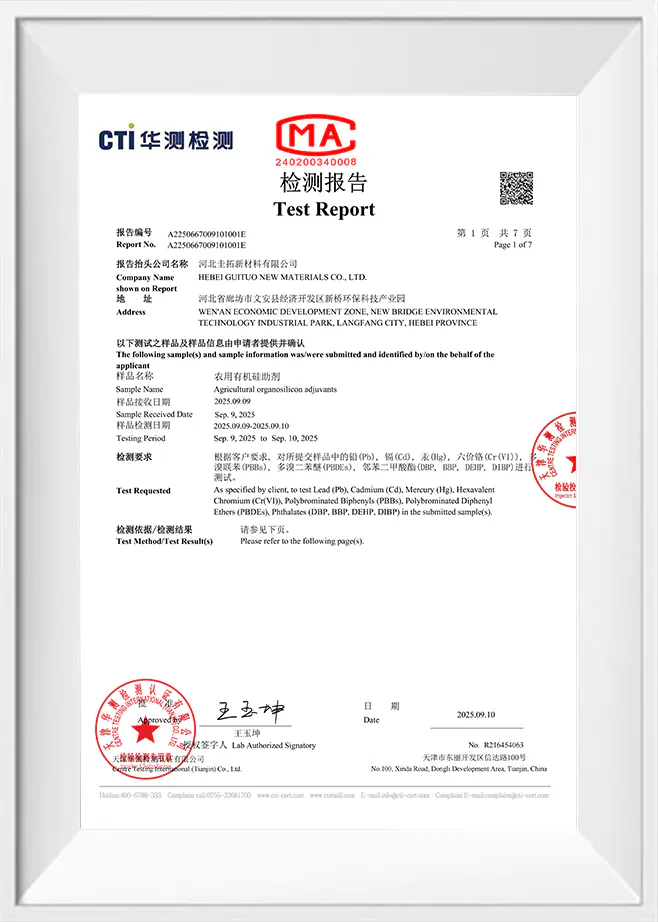
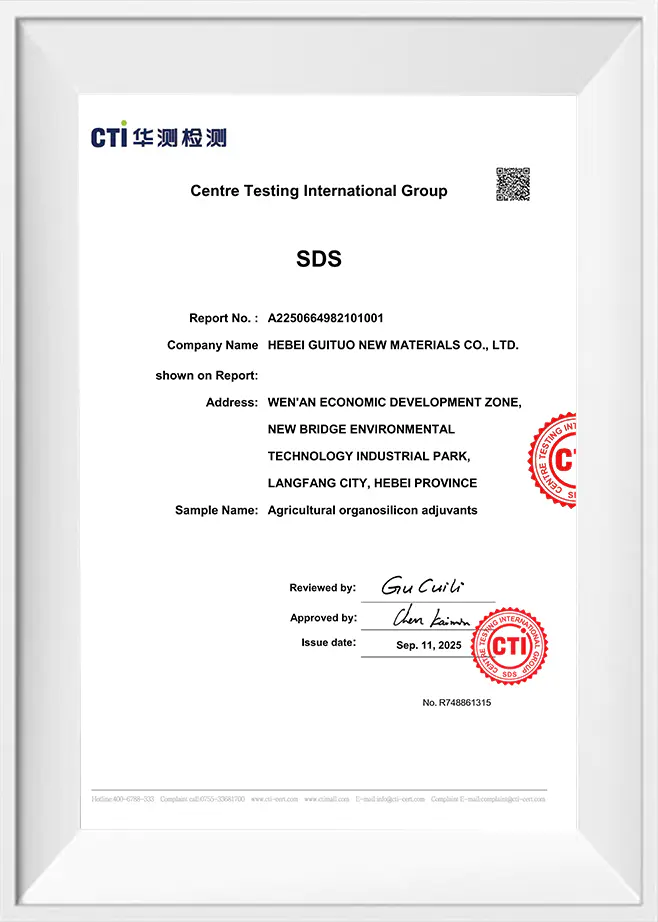
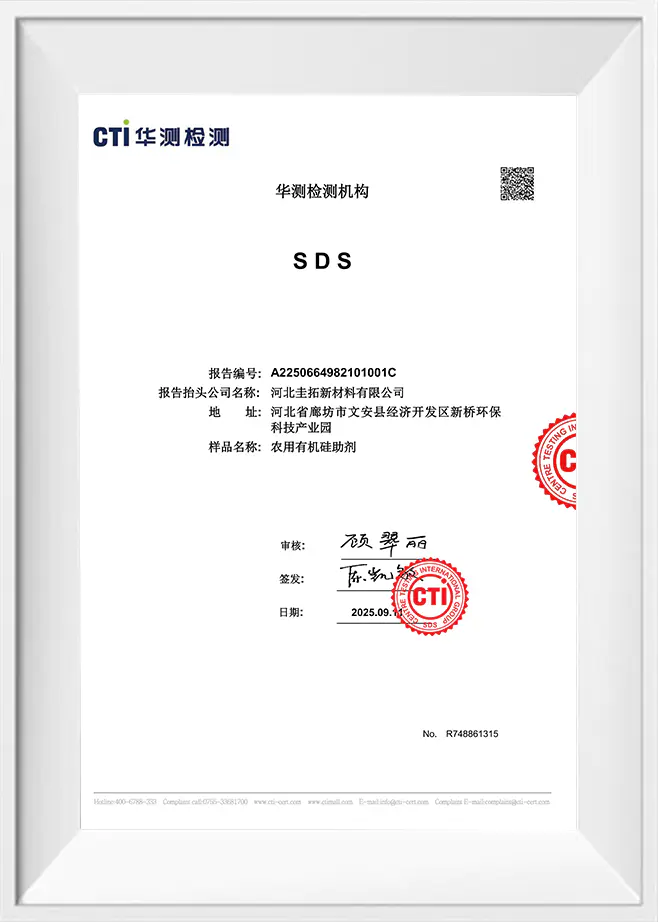
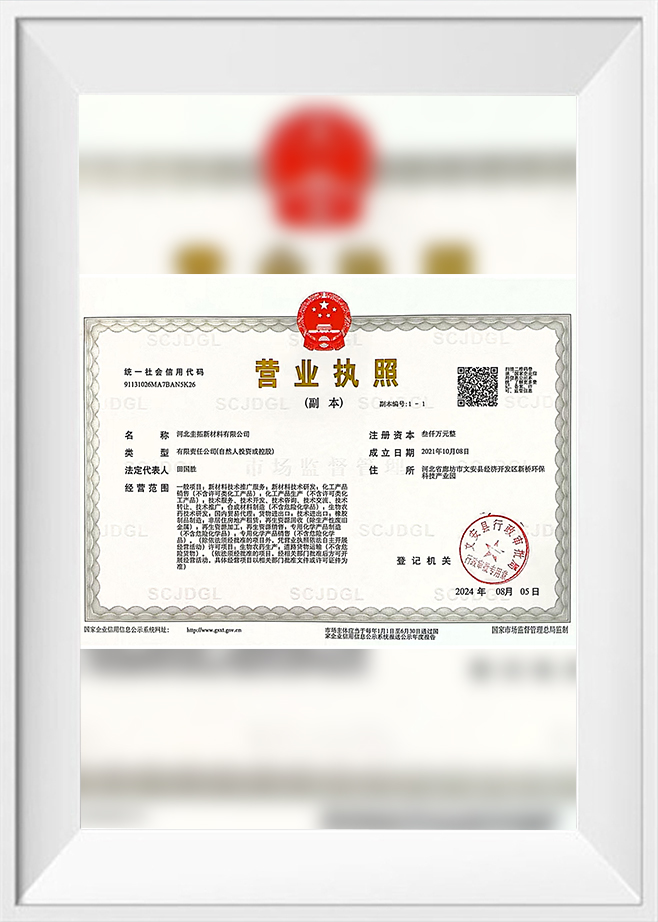
Our Certifications
And Partners
Professional scale factory production. We can customize finished products wholesale and export, OEM production, and distribution.
I just wanted to let you know that welcome to inquire and place orders.


Performance benchmark
| Property | This in-can antifoam | General silicone antifoam | Mineral-oil antifoam |
|---|---|---|---|
| In-can storage stability (54°C/14 d) | No separation | Creaming or separation | Oil separation |
| Thickener compatibility | Confirmed | Variable | Often incompatible |
| Persistent foam result | < 40 mL | 60–90 mL | 50–80 mL |
| Oil-spot risk | None at dosage | Possible | Likely |
| Addition method | Cold, low shear | Heated or high shear | Pre-dispersion needed |
Formulation stability and foam results
Source: SC formulation laboratory accelerated-storage trials, 2024–2025.
Tank-mix compatibility
Fully compatible Test before full mix
Dilution calculator
Enter the formulation batch weight (treat the volume field as kg) to estimate the antifoam quantity at the chosen percentage.
How to apply
Safe use guidelines
- Personal protection — Wear gloves and eye protection during handling and dosing.
- First aid — Rinse skin/eyes with water; if ingested, seek medical advice.
- Storage — Keep sealed at 5–35°C; do not freeze; stir gently before use.
- Environmental — Low aquatic toxicity at formulation dosage.
- Disposal — Dispose of containers per local industrial waste regulations.
- Shelf life — 18 months in unopened original container.
Crops & use cases
- SC manufacturers — high-surfactant suspension concentrates that fail persistent-foam specs.
- SL producers — soluble liquids in high-electrolyte systems.
- OD formulators — oil dispersions needing low-foam dilution.
- Contract formulators — multi-product plants that need one dependable antifoam.
Also useful for reworking registered products that show foam failures in stability testing.
Why it outperforms
- Designed for shelf life — stable through hot storage and thickener chemistry.
- Passes foam specifications — brings persistent foam well under common limits.
- Leaves the product unchanged — no measurable effect on suspensibility or viscosity.
- Easy to add — cold, low-shear addition at the end of the batch.
Application guidelines
- Addition point: add last, at low shear, after milling and thickener hydration
- Starting dosage: begin at 0.2% w/w and adjust in 0.1% steps
- Stability check: run 54°C/14 d accelerated storage with the final formulation
- EW products: confirm emulsion stability before moving to scale
Packaging & shelf life
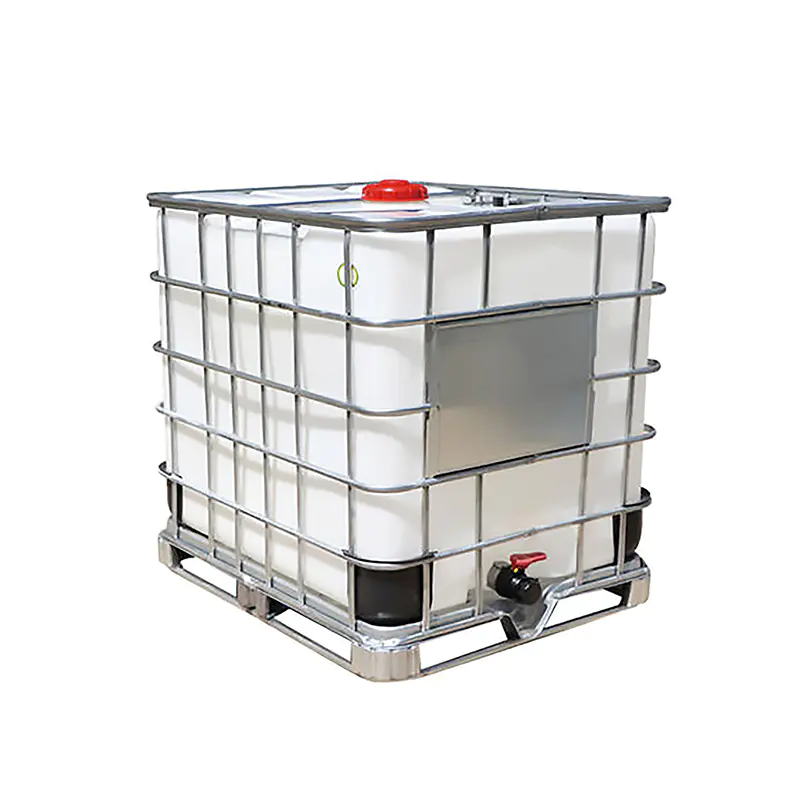
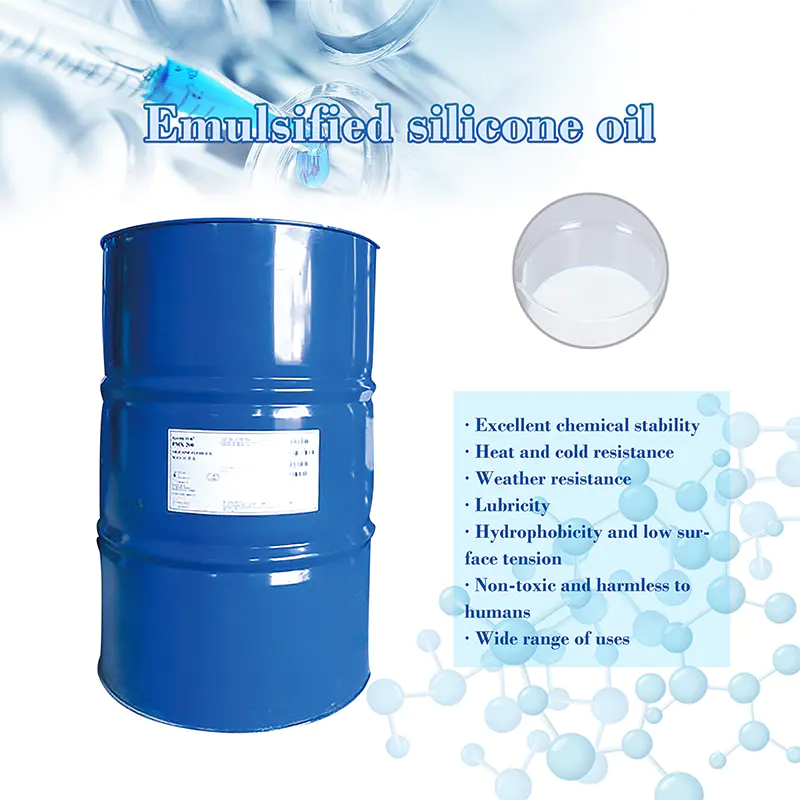
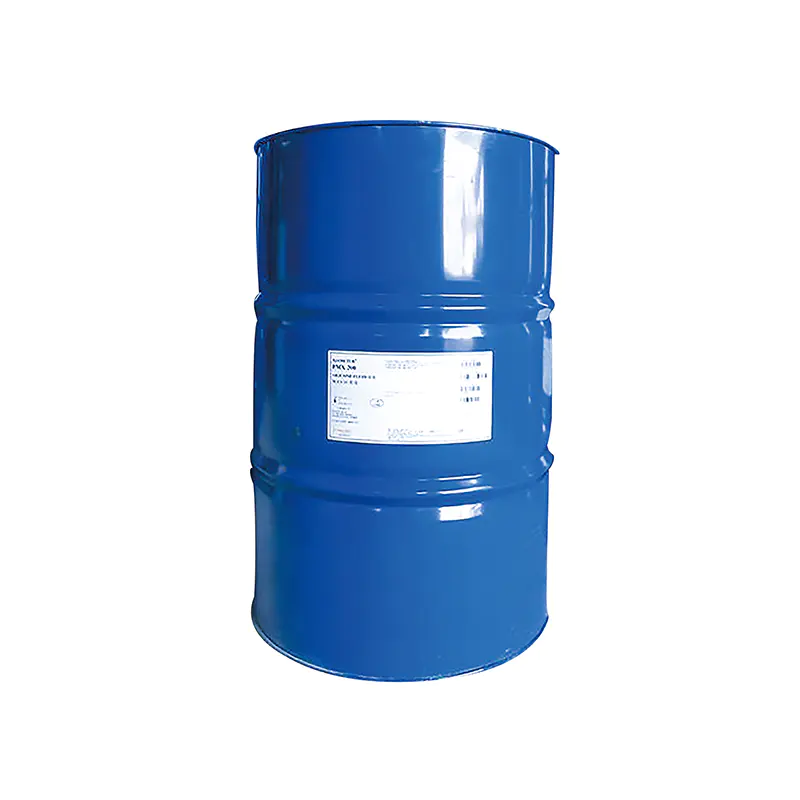
- Packaging: 20 kg pails, 200 kg drums, 1000 kg IBC totes.
- Storage: 5–35°C; do not freeze; keep sealed.
- Shelf life: 18 months in unopened original packaging.
Global quality benchmarks
| Test item | Standard requirement | Our performance |
|---|---|---|
| Active silicone content | ≥ 20% | 25–30% |
| Droplet size (D50) | < 8 µm | 2–5 µm |
| Accelerated storage (54°C/14 d) | No separation | No creaming; > 90% retained |
| Persistent foam after 1 min | ≤ 60 mL | < 40 mL |
| Oil spots on 200-mesh screen | None | None at recommended dosage |
Frequently asked questions
Latest articles & guides
Silicone Emulsion Defoamer for Pesticides
overview Foam Control Inside the Pesticide Plant: Milling, Emulsifying, Strippin
Silicone Wetting Agent for Agrochemicals
overview Purpose-Built Wetting Agent for Chemigation Through Irrigation Systems
Silicone Adjuvant for Fungicide Spray
overview Adjuvant Built Around the Disease-Control Weather Window Silicone Adju
Silicone Spray Adjuvant for Herbicides
overview Faster Burndown and Reliable Control When the Weather Isn't Ideal Sili
Silicone-Based Antifoam for Agriculture
overview Foam Control for On-Farm Liquid Storage, Fertigation, and Slurry System
Silicone Surfactant for Agricultural Chemicals
overview Multi-Functional Silicone Surfactant for Agrochemical Formulation Sili
Silicone-Based Penetration Enhancer for Agriculture
overview Moving Large, Water-Loving Molecules Across the Cuticle When Stomatal E
Silicone Additive for Crop Protection
overview A Formulator's Multi-Function Toolbox Additive Silicone Additive for C
Silicone Surfactant for Herbicide Application
overview Purpose-Built for Broadleaf and Grass Weed Herbicide Programs Silicone
An antifoam that is still working after a year on the shelf
Development samples · Formulation stability support
cnguituonewmaterial.com · Agricultural adjuvants & new materials

Tel : +86-400-138-5268
Email : [email protected]
Phone : +86-15128434888 / +86-13511051998
Add : Xinqiao Environmental Protection Industrial Park, Wen'an County, Langfang City, Hebei Province, China
Copyright © Hebei Guituo New Material Co., Ltd. All Rights Reserved.
