

 English
 Français
 Português


Silicone Spray Adjuvant for Herbicides
Trisiloxane herbicide adjuvant for marginal weather — lifts control at 10°C from 58% to 79%, brings symptoms about three days sooner, and holds 84% efficacy when rain follows within an hour.
Explore our adjuvant range
Faster Burndown and Reliable Control When the Weather Isn't Ideal
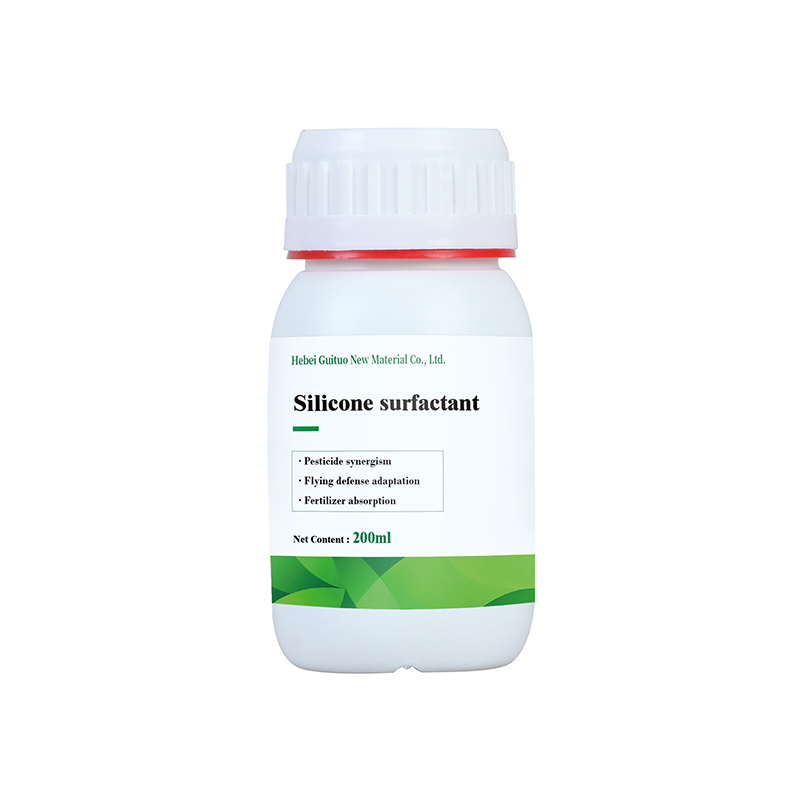
Silicone Spray Adjuvant for Herbicides is a trisiloxane adjuvant developed for the practical problem herbicide users complain about most: spray windows that do not line up with ideal weather. Cool mornings, low humidity, drought-stressed weeds with thick cuticles, and rain forecast for the same afternoon all reduce herbicide uptake, and the result is slow, incomplete, or patchy control. This adjuvant is designed to keep herbicide performance steady across those conditions and to shorten the time from application to visible weed death.
Herbicide uptake falls sharply in the cold. At leaf temperatures near 10°C, waxy cuticles become less permeable and the herbicide moves into the leaf more slowly, so a glyphosate treatment that gives 90% control at 22°C may reach only 55–60% at 10°C. In trials at 10°C, adding this adjuvant at 0.03% v/v lifted control from 58% to 79%, because the rapid spreading and stomatal entry that the adjuvant promotes depends less on cuticle permeability than diffusion through wax does.
Speed of symptom development is the second benefit. In burndown programs, farmers want visible control within days so that planting or the next operation is not delayed. Glyphosate and glufosinate treatments with the adjuvant showed first visible symptoms about three days earlier — four days rather than seven — on broadleaf weeds under cool conditions, and complete desiccation of annual weeds followed roughly a week sooner.
Rainfastness is critical when the forecast is uncertain. The adjuvant's film-forming action secures a significant share of the herbicide within about 30 minutes of application: in simulated rainfall one hour after spraying, glyphosate efficacy was 84% of the dry-weather result with the adjuvant, versus 52% without. For applicators trying to beat a weather front, that difference changes whether a spray window is usable at all.
Where the herbicide label allows a rate range, the improved reliability can also let growers work toward the lower end of the range in favorable conditions, though any change must stay within label directions and resistance-management guidance. The adjuvant is compatible with glyphosate, glufosinate, 2,4-D, dicamba, ALS and ACCase chemistries, and with AMS water conditioners.
Why Marginal-Weather Programs Use This Adjuvant
Mechanism of action
Silicone Spray Adjuvant for Herbicides lowers surface tension to about 21.5 mN/m, so the herbicide solution spreads across the weed leaf and finds the stomata. Entry through open stomata does not depend on the permeability of the leaf wax, which is why performance holds up better when leaves are cold and waxes are stiff.
A film-forming component in the adjuvant sets within roughly 30 minutes, binding a larger share of herbicide to the leaf before it can be washed off.
Faster entry and earlier translocation to growing points reduce the time to first symptoms, so the weeds begin to yellow and collapse sooner.
Each value shows control with the adjuvant / without it; the gap is widest in the cold.
Product specifications
| Parameter | Value |
|---|---|
| Appearance | Clear to slightly hazy liquid |
| Composition | Trisiloxane surfactant + film-forming component |
| Active content | ≥ 97% |
| Viscosity (25°C) | 22 – 38 cSt |
| Cloud point (1% aq.) | > 36°C |
| Flash point | > 95°C |
| Recommended tank pH | 6.0 – 8.0 |
| Storage stability | 24 months (cool, dry) |
Performance data
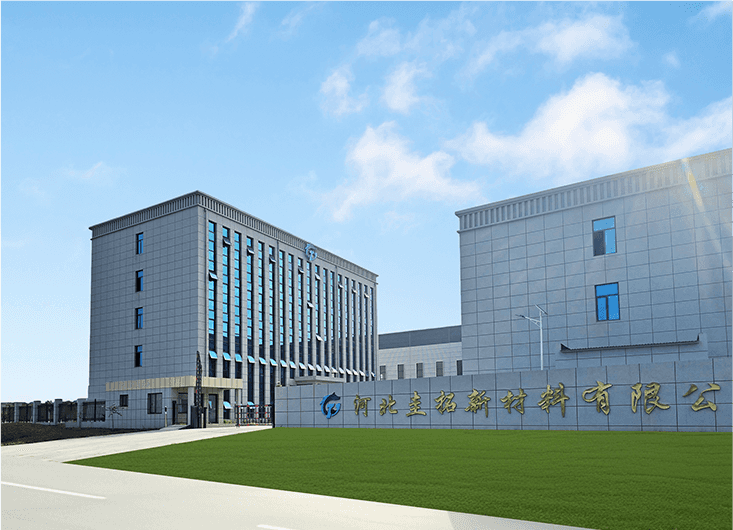

- 2021
Company Establishment
- 10000m²
Advanced Factory
- 50+
Exporting Country
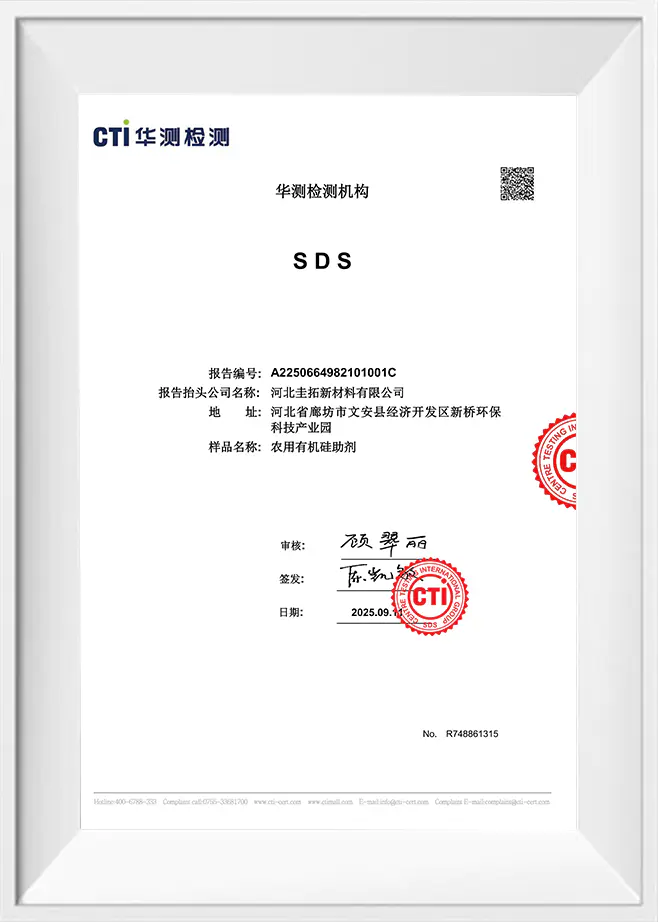
Our Certifications
And Partners
Professional scale factory production. We can customize finished products wholesale and export, OEM production, and distribution.
I just wanted to let you know that welcome to inquire and place orders.


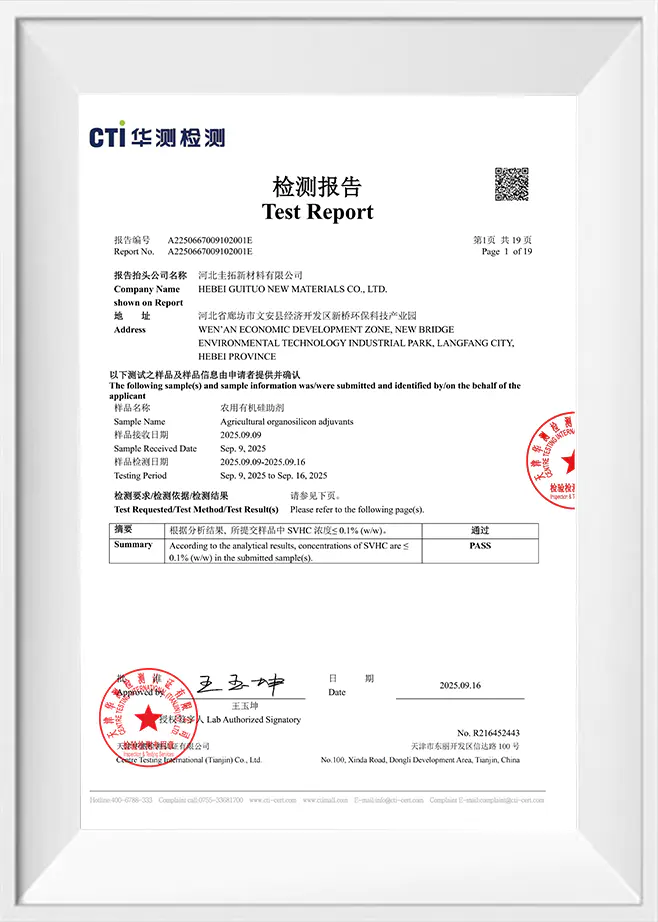
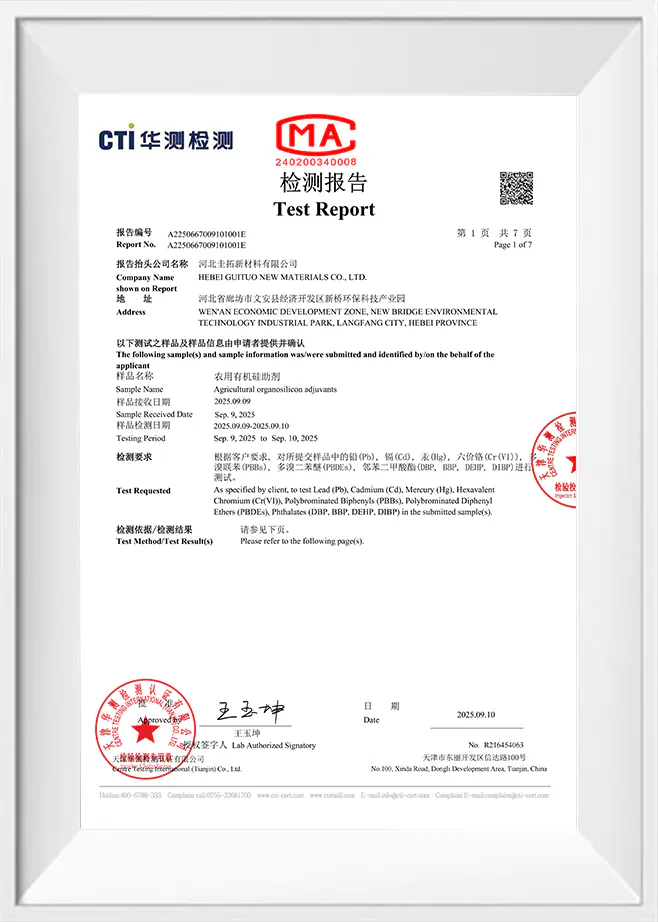
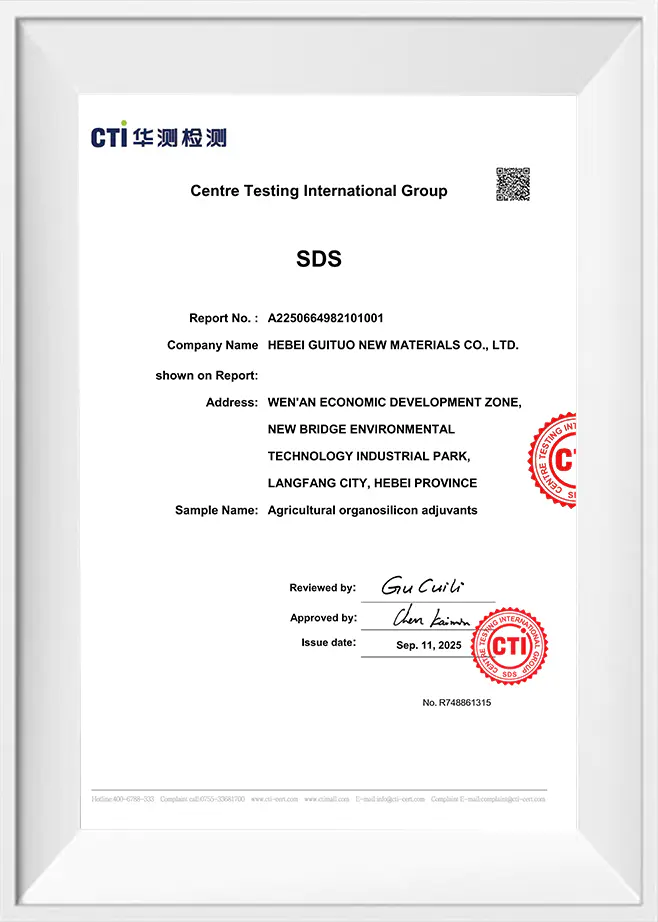

Performance benchmark
| Property | This herbicide adjuvant | Conventional NIS | No adjuvant |
|---|---|---|---|
| Control at 10°C (glyphosate) | 79% | 64% | 58% |
| Time to first symptoms | ≈ 4 days | ≈ 6 days | ≈ 7 days |
| Efficacy with rain at 1 h | 84% | 61% | 52% |
| Stressed-weed uptake | Strong | Moderate | Weak |
| Rainfastness onset | ≈ 30 min | 60–90 min | Not rainfast |
Marginal-weather herbicide trial results
Source: burndown field and rain-simulation trials, 2024–2025.
Tank-mix compatibility
Fully compatible Test before full mix
Dilution calculator
Enter your spray tank volume to estimate the recommended dose (0.04% v/v typical).
How to apply
Safe use guidelines
- Personal protection — Wear gloves, goggles, and long sleeves during mixing.
- First aid — Rinse skin/eyes with plenty of water; if ingested, seek medical advice.
- Storage — Keep in original container, tightly closed, cool and dry (5–40°C).
- Environmental — Biodegradable; low toxicity to fish. Avoid drift to sensitive crops.
- Disposal — Dispose of empty containers per local regulations.
- Label compliance — Always follow the herbicide label for rates, timing, and nozzle requirements.
Crops & use cases
- Pre-plant burndown — cool-season no-till programs.
- Post-emergent broadleaf control — corn, soybean, and cereals under variable weather.
- Perennial and stressed weeds — thick-cuticled species during dry spells.
- Non-crop vegetation management — rights-of-way and industrial sites.
Also useful where spray windows are short and a missed day means a delayed operation.
Why it outperforms
- Weather-resilient control — holds up in cold and dry conditions.
- Quicker visible results — about three days faster to symptoms.
- Rain insurance — 84% of efficacy retained after rain at one hour.
- Broad compatibility — major herbicide classes and AMS.
Application guidelines
- Timing: spray in the warmer part of the day when leaves are dry
- Rain: allow at least 30–60 minutes before rain
- Tank mix: add as the last component; keep tank pH between 6 and 8
- Label: follow all herbicide label requirements, including rates and drift controls
Packaging & shelf life
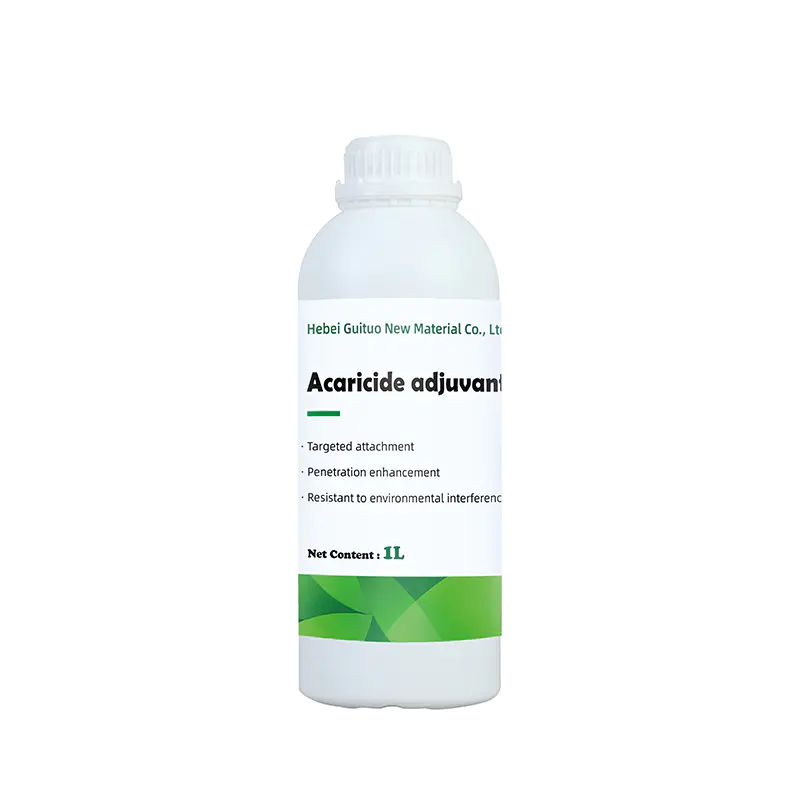
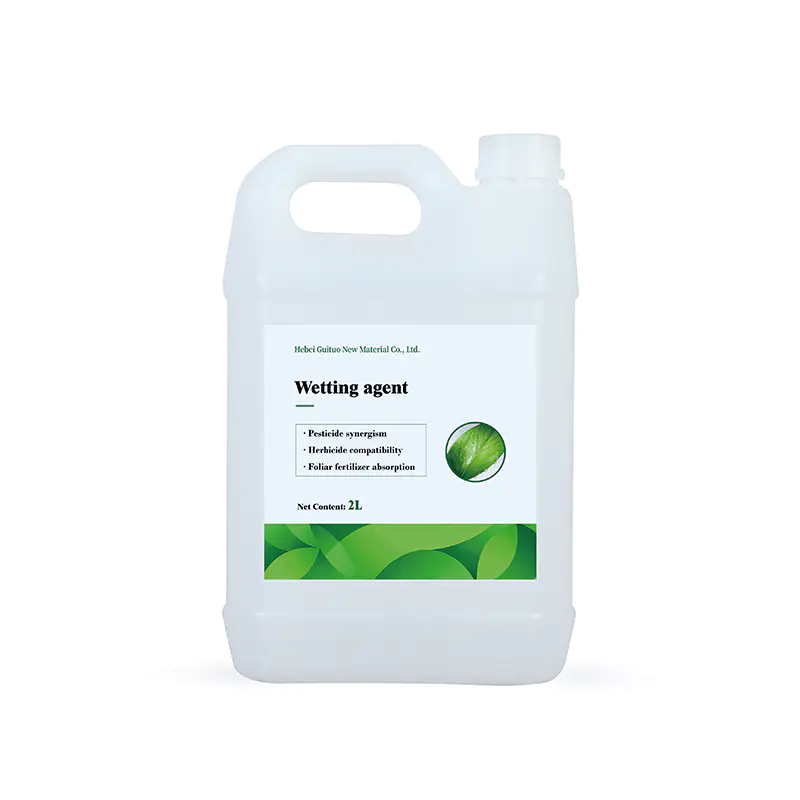
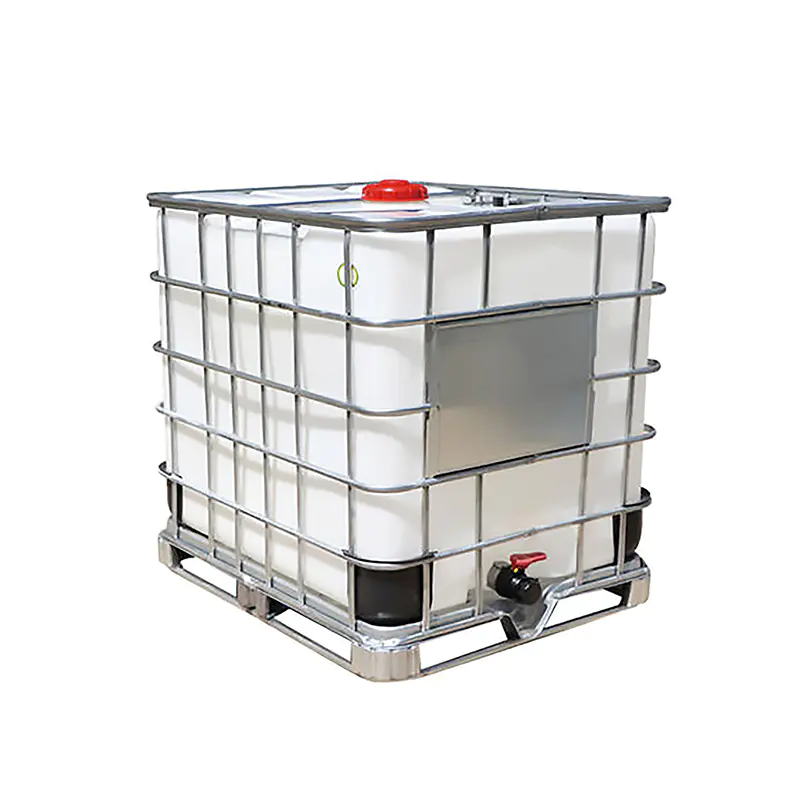
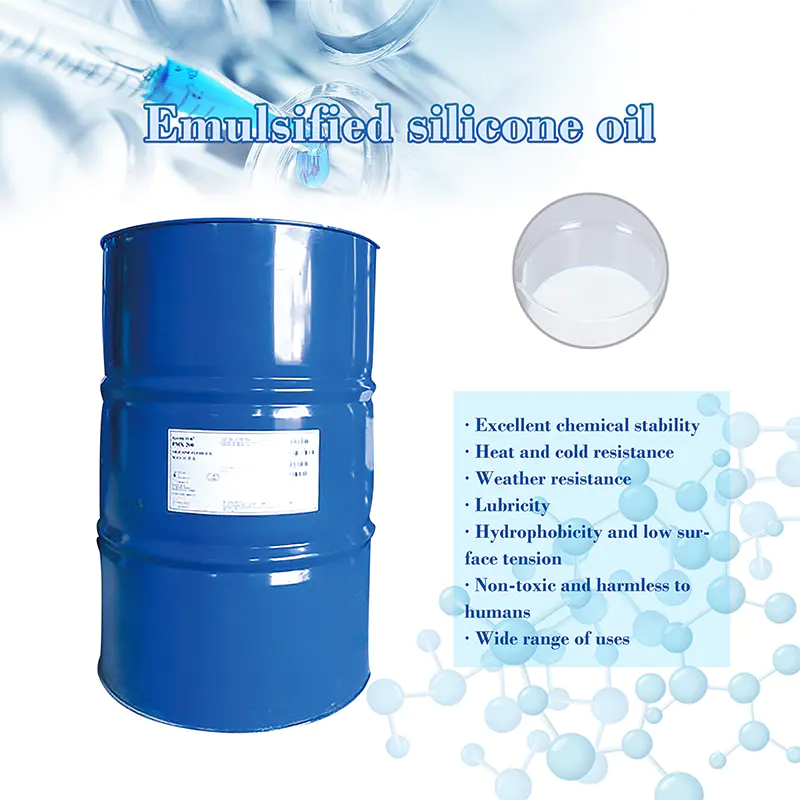
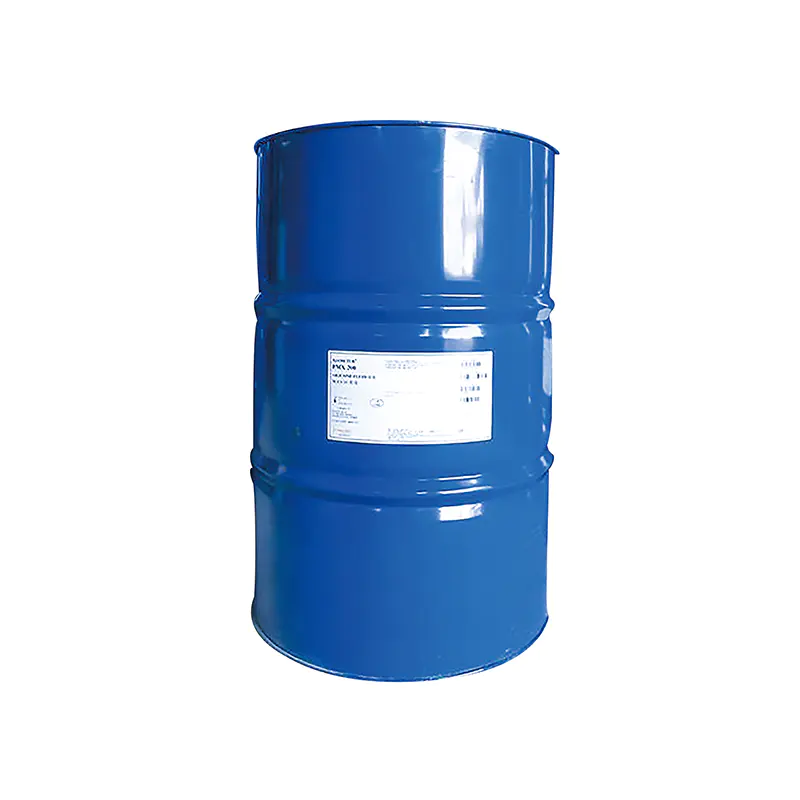
- Packaging: 1 L, 5 L, 20 L, 200 L drums / IBC totes.
- Storage: cool, dry, away from direct sunlight; 5–40°C.
- Shelf life: 24 months in unopened original container.
Global quality benchmarks
| Test item | Standard requirement | Our performance |
|---|---|---|
| Surface tension (0.1%) | ≤ 24 mN/m | 21.5 mN/m |
| Control gain at 10°C | ≥ 8 points | +21 points |
| Efficacy with 1 h rain | ≥ 65% | 84% |
| Foam height (1 min) | < 25 mL | < 20 mL |
| Biodegradability | OECD 301 | Readily biodegradable |
Frequently asked questions
Latest articles & guides
Silicone Adjuvant for Fungicide Spray
overview Adjuvant Built Around the Disease-Control Weather Window Silicone Adju
High Performance Silicone Agricultural Adjuvant
overview The Flagship Adjuvant for High-Value Crop Programs High Performance Si
Silicone Surfactant for Herbicide Application
overview Purpose-Built for Broadleaf and Grass Weed Herbicide Programs Silicone
Silicone Defoamer for Agrochemical Formulations
overview A Built-In Antifoam Designed to Live Inside the Finished Product Silic
Silicone Emulsion Defoamer for Pesticides
overview Foam Control Inside the Pesticide Plant: Milling, Emulsifying, Strippin
Organosilicone Adjuvant for Insecticide Spray
overview Coverage Built Around Chewing Pests, Larvae, and Egg Masses Organosili
Silicone-Based Penetration Enhancer for Agriculture
overview Moving Large, Water-Loving Molecules Across the Cuticle When Stomatal E
Silicone Additive for Crop Protection
overview A Formulator's Multi-Function Toolbox Additive Silicone Additive for C
Silicone Wetting Agent for Agrochemicals
overview Purpose-Built Wetting Agent for Chemigation Through Irrigation Systems
Make every spray window a usable one
Free samples · Herbicide program technical support
cnguituonewmaterial.com · Agricultural adjuvants & new materials

Tel : +86-400-138-5268
Email : [email protected]
Phone : +86-15128434888 / +86-13511051998
Add : Xinqiao Environmental Protection Industrial Park, Wen'an County, Langfang City, Hebei Province, China
Copyright © Hebei Guituo New Material Co., Ltd. All Rights Reserved.
