

 English
 Français
 Português


Silicone Emulsion Defoamer for Pesticides
20–25% silicone emulsion for pesticide manufacturing — foam held under 10% of tank volume through a 90-minute bead-mill cycle, shear-stable, and steady at 80–120°C.
Explore our adjuvant range
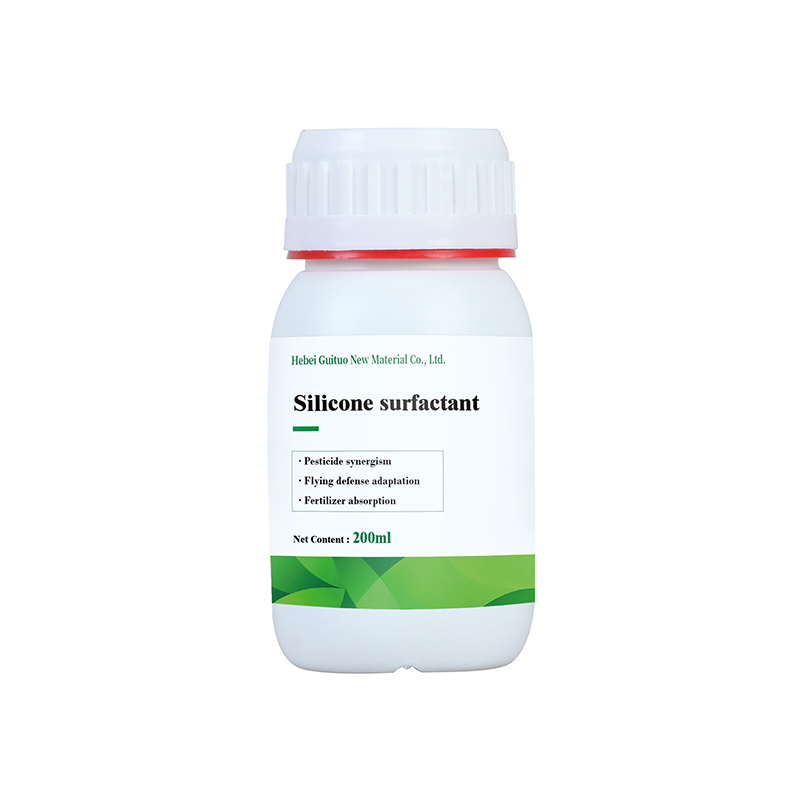
Foam Control Inside the Pesticide Plant: Milling, Emulsifying, Stripping, and Wastewater Treatment
Silicone Emulsion Defoamer for Pesticides is a process antifoam for manufacturers. It belongs in the reactor, the bead mill, the high-shear emulsifier, the vacuum stripper, and the wastewater tank — not in the farmer's spray tank and not in the finished product. A pesticide plant makes foam constantly. Wet-milling an SC in a bead mill, homogenizing an EW, washing and extracting a technical product, stripping solvent under vacuum, and treating surfactant-laden wastewater all generate stable foam that cuts effective batch volume, causes overflows and vacuum-line carry-over, slows filtration, and produces air-entrained product with inconsistent density and viscosity. Every minute spent waiting for foam to settle is lost throughput.
Process conditions are harsher than the tank-side case, and the defoamer is designed for them. In bead-milling, the product experiences shear rates that coalesce or break a conventional emulsion, so this grade uses a robust non-ionic emulsifier system and a 20–25% active silicone content with a droplet size of 2–4 µm that stays stable under repeated shear. In a bead-mill trial with a 40% azoxystrobin SC, adding 150 ppm at the start of the milling stage held foam height at under 10% of the tank volume throughout a 90-minute cycle, while the control without defoamer filled the available headspace within 25 minutes and required the mill to be slowed. After milling, D90 particle size was the same in both batches, at 4.2 µm.
In high-shear emulsification of EW products, the risk with a silicone defoamer is the opposite — breaking the emulsion. The product's emulsifier system is chosen to be compatible with the typical EW emulsifiers, and in a 25% lambda-cyhalothrin EW, 100 ppm cut foam at the homogenizer from 55% of volume to 6% with no change in the mean droplet size of 1.1 µm after 30 days at 40°C. For stripping and evaporation, where temperatures reach 80–120°C and pressure is reduced, the silicone phase is stable and the foam is controlled at 50–200 ppm, with no coking or deposit observed on a heated-surface test.
Wastewater is where foam is least visible but most costly. Pesticide wastewater is rich in surfactants and organics, and aeration tanks and stripping towers can foam severely. The defoamer is dosed at 20–100 ppm into the aeration basin or stripping tower feed, and in a pilot-scale test it reduced aerator foam height from 80 cm to under 10 cm. It does not interfere with biological treatment at that dose: oxygen uptake rate of activated sludge was within 4% of the control, and silicone is not considered toxic to the microbial community at these levels.
Dosing is simple but needs discipline. Process defoamers work best when added continuously or in small, frequent portions rather than as one large slug, and overdosing a batch can leave silicone residue that affects downstream filtration or the appearance of the final product. The recommendation is to start at 50–100 ppm, adjust by process step, and confirm with a pilot run before scaling up. Any change to a registered process also needs to be assessed against the product specification.
Why Pesticide Plants Use a Process-Grade Antifoam
Mechanism of action
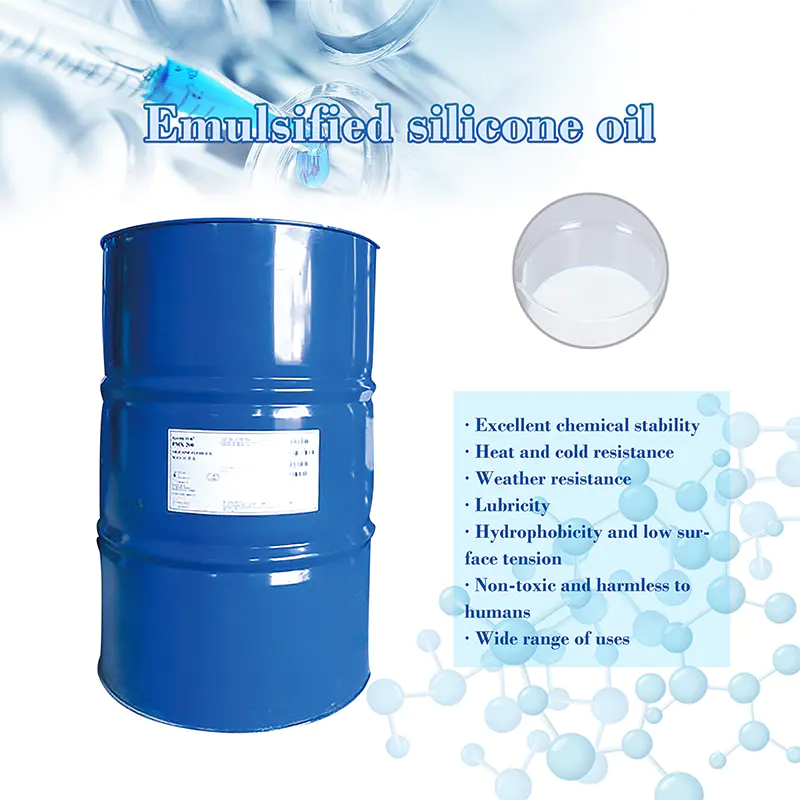
Silicone Emulsion Defoamer for Pesticides is an oil-in-water emulsion of silicone fluid and hydrophobic silica, stabilized with a robust non-ionic emulsifier system chosen to survive the shear, temperature, and electrolyte conditions found inside a pesticide plant.
In a foaming vessel, the droplets move into the thin liquid films that separate bubbles. The silica particles pierce the film and the silicone spreads across the surface, thinning the film until it ruptures; the droplets then re-enter the liquid and continue to act, which is why a continuous low dose is more effective than a single large addition.
The emulsifier system also keeps the droplets from coalescing in the presence of surfactants, salts, and solvents in the batch, so the silicone stays active during the whole process step rather than creaming to the surface and being lost.
With 150 ppm added at the start, foam stays under 10% throughout; the untreated control fills the headspace within 25 minutes.
Product specifications
| Parameter | Value |
|---|---|
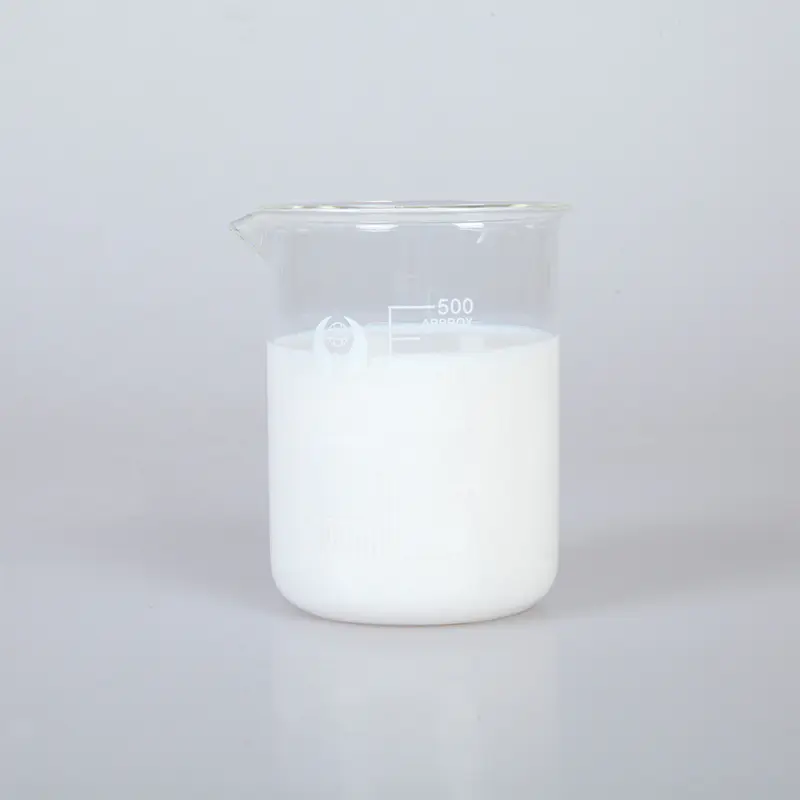
| Appearance | White to off-white emulsion |
| Active silicone content | 20 – 25% |
| Emulsion type | Oil-in-water, non-ionic stabilized |
| Droplet size (D50) | 2 – 4 µm |
| Viscosity (25°C) | 1,000 – 3,500 mPa·s |
| pH stability range | 3 – 11 |
| Temperature range in process | 5 – 120°C |
| Storage stability | 12 months (5–30°C, do not freeze) |
Performance data
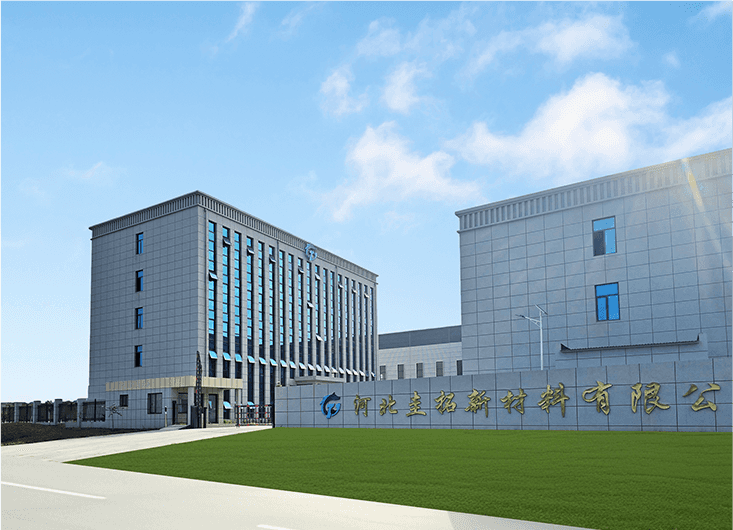

- 2021
Company Establishment
- 10000m²
Advanced Factory
- 50+
Exporting Country
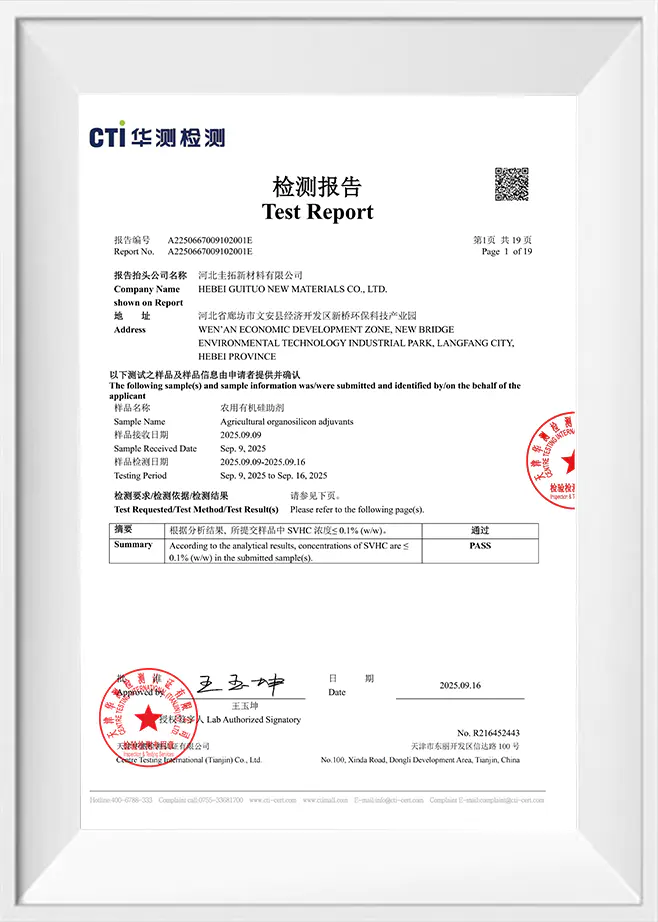
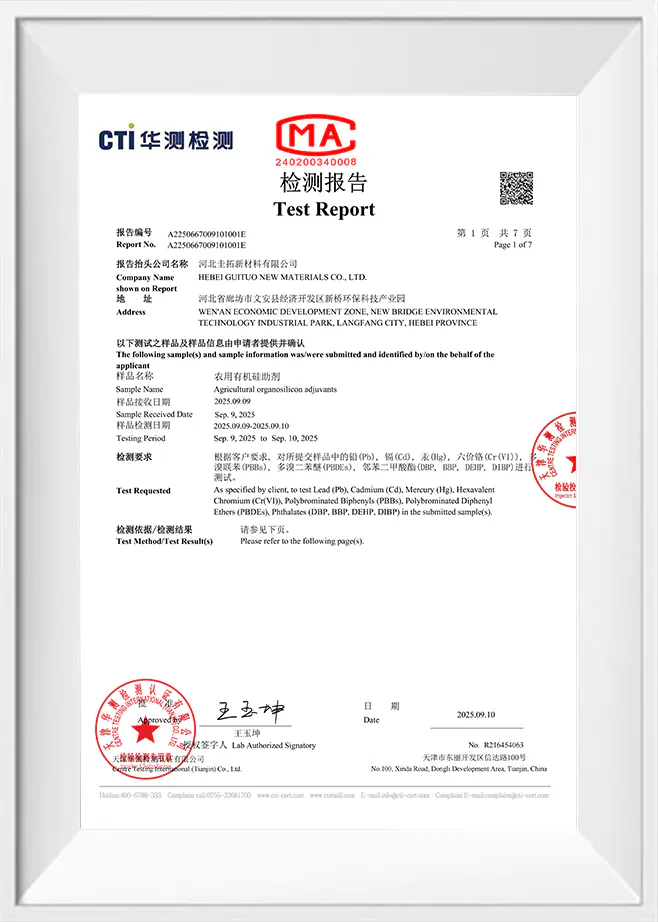
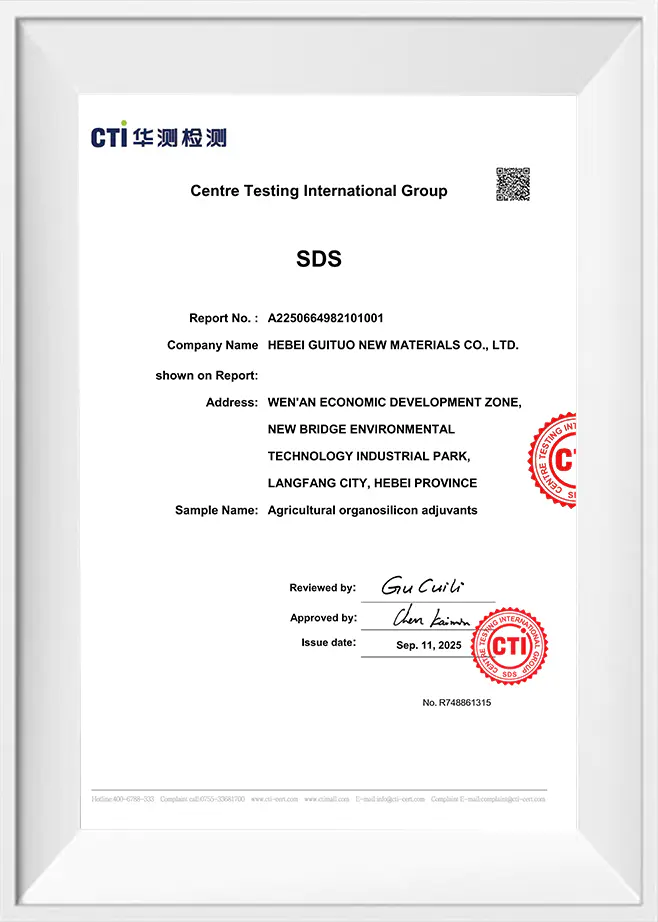
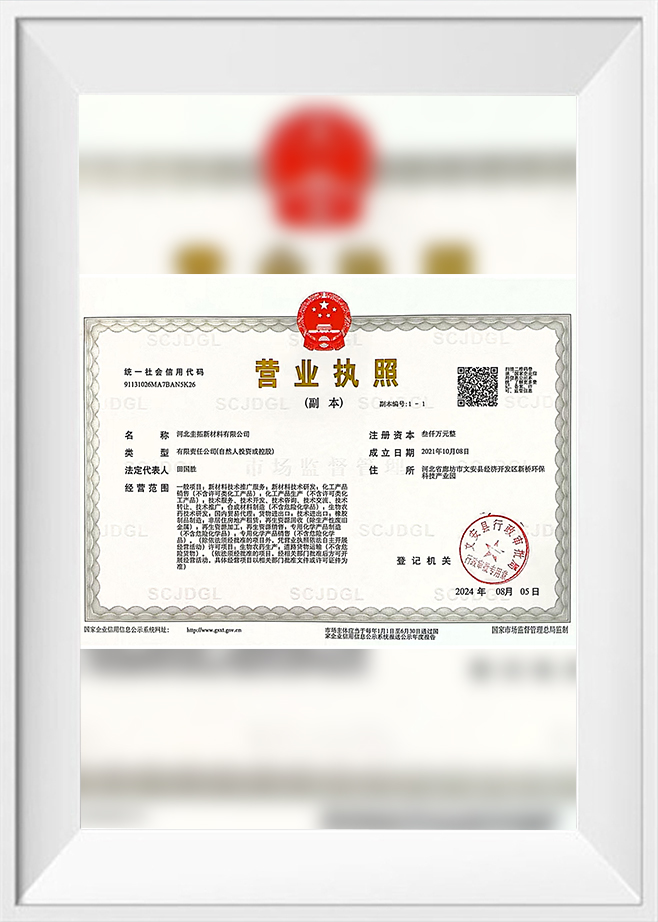
Our Certifications
And Partners
Professional scale factory production. We can customize finished products wholesale and export, OEM production, and distribution.
I just wanted to let you know that welcome to inquire and place orders.


Performance benchmark
| Property | This process defoamer | Tank-side field defoamer | Mineral-oil antifoam |
|---|---|---|---|
| Stability under bead-mill shear | Stable | Breaks within 30 min | Stable |
| Foam in 90-min SC mill | < 10% volume | 25–40% volume | 15–30% volume |
| Performance at 80–120°C | Stable | Loses activity | Degrades, fouls surfaces |
| Effect on EW droplet size | None | Slight coarsening | Coarsening |
| Wastewater biology impact | Minor (within 4%) | Minor | Inhibitory at dose |
Process-step foam control results
Source: pilot-scale bead-mill, homogenizer, heated-surface, and aeration-basin trials, 2024–2025.
Tank-mix compatibility
Fully compatible Test before full mix
Dilution calculator
Enter the process batch weight (treat the volume field as kg) to estimate the defoamer quantity at the chosen percentage (0.01% = 100 ppm).
How to apply
Safe use guidelines
- Personal protection — Wear gloves, goggles, and protective clothing during dosing.
- First aid — Rinse skin and eyes with water; if ingested, seek medical advice.
- Storage — Keep sealed at 5–30°C; do not freeze; stir gently before use.
- Process safety — Anti-slip precautions around spills; the emulsion makes floors very slippery.
- Environmental — Low aquatic toxicity at dose; confirm discharge limits with local authority.
- Disposal — Dispose per local industrial waste regulations.
Crops & use cases
- SC and OD manufacturers — — bead-mill and mixing-tank foam control.
- EW and ME producers — — homogenizer and emulsification foam.
- Technical and intermediate plants — — washing, extraction, and solvent-stripping steps.
- Wastewater treatment teams — — aeration and stripping tower foam.
Not for direct use in field spray tanks or as a finished-product additive; see the tank-side and in-can grades for those jobs.
Why it outperforms
- Built for shear and heat — — stable in mills, homogenizers, and strippers.
- No change in product — — particle and droplet size unchanged.
- Plant-friendly — — no deposit on heated surfaces.
- Biology-aware — — minor effect on activated-sludge activity.
Application guidelines
- Start dose: 50–100 ppm; adjust by process step based on pilot results
- Dosing method: continuous metering or small frequent portions, not a single slug
- Filtration: check for residue effects before scaling to filtered streams
- Wastewater: confirm discharge limits and sludge performance with a pilot
Packaging & shelf life
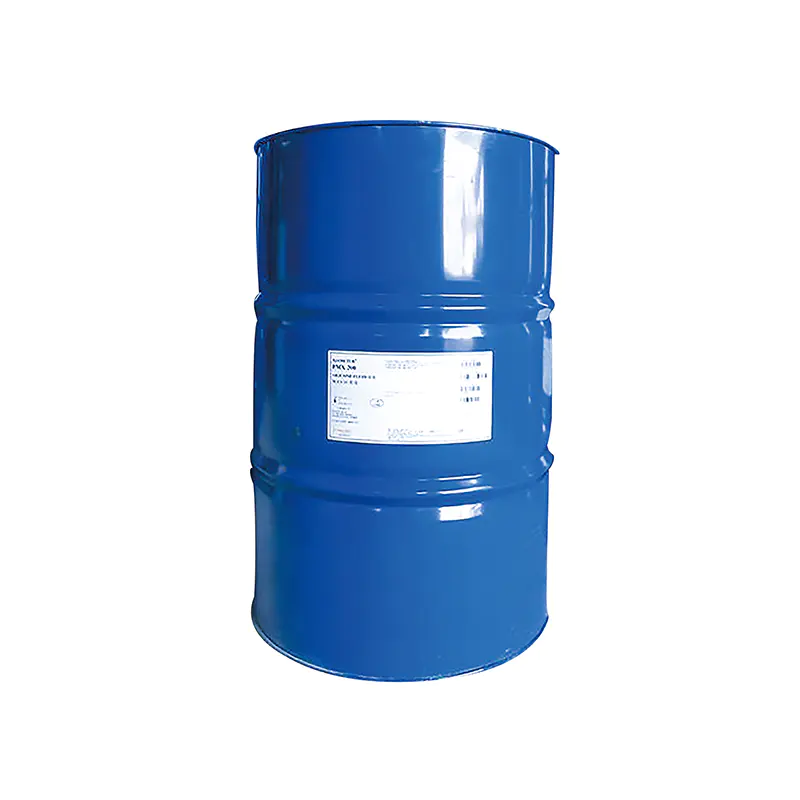
- Packaging: 20 kg pails, 200 kg drums, 1000 kg IBC totes.
- Storage: 5–30°C; do not freeze; keep sealed.
- Shelf life: 12 months in unopened original container.
Global quality benchmarks
| Test item | Standard requirement | Our performance |
|---|---|---|
| Active silicone content | ≥ 20% | 20–25% |
| Droplet size (D50) | ≤ 6 µm | 2–4 µm |
| Foam in SC mill, 90 min | ≤ 15% of volume | < 10% |
| Stability at 120°C | No deposit | No deposit |
| Sludge oxygen uptake vs. control | ± 10% | Within 4% |
Frequently asked questions
Latest articles & guides
Silicone Defoamer for Agrochemical Formulations
overview A Built-In Antifoam Designed to Live Inside the Finished Product Silic
Silicone Spray Adjuvant for Herbicides
overview Faster Burndown and Reliable Control When the Weather Isn't Ideal Sili
Silicone Wetting Agent for Agrochemicals
overview Purpose-Built Wetting Agent for Chemigation Through Irrigation Systems
Silicone Surfactant for Agricultural Chemicals
overview Multi-Functional Silicone Surfactant for Agrochemical Formulation Sili
Silicone-Based Penetration Enhancer for Agriculture
overview Moving Large, Water-Loving Molecules Across the Cuticle When Stomatal E
Silicone Surfactant for Plant Growth Regulators
overview Even, Acid-Stable Coverage for Growth Regulator Programs Silicone Surf
Silicone Additive for Crop Protection
overview A Formulator's Multi-Function Toolbox Additive Silicone Additive for C
Silicone Adjuvant for Fungicide Spray
overview Adjuvant Built Around the Disease-Control Weather Window Silicone Adju
Silicone-Based Antifoam for Agriculture
overview Foam Control for On-Farm Liquid Storage, Fertigation, and Slurry System
Keep every batch at full volume and every step on schedule
Pilot samples · Process foam trial support
cnguituonewmaterial.com · Agricultural adjuvants & new materials

Tel : +86-400-138-5268
Email : [email protected]
Phone : +86-15128434888 / +86-13511051998
Add : Xinqiao Environmental Protection Industrial Park, Wen'an County, Langfang City, Hebei Province, China
Copyright © Hebei Guituo New Material Co., Ltd. All Rights Reserved.
