

 English
 Français
 Português


Silicone-Based Penetration Enhancer for Agriculture
Polyether silicone plus humectant and cuticle-softening co-solvent — glyphosate uptake on velvetleaf up from 31% to 58%, zinc-EDTA uptake on citrus from 9% to 21%, and tripled peptide uptake.
Explore our adjuvant range
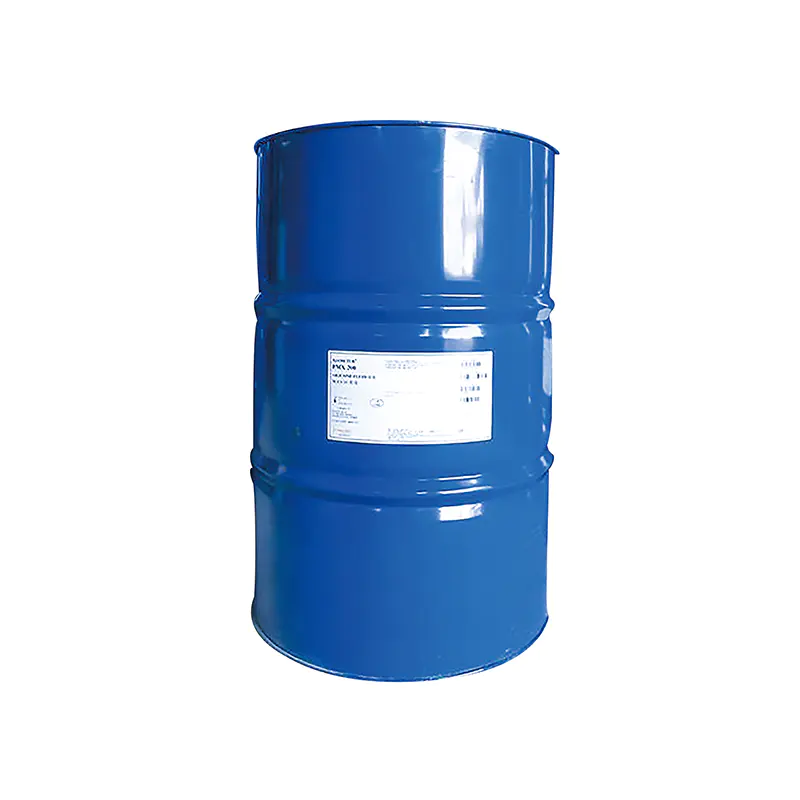
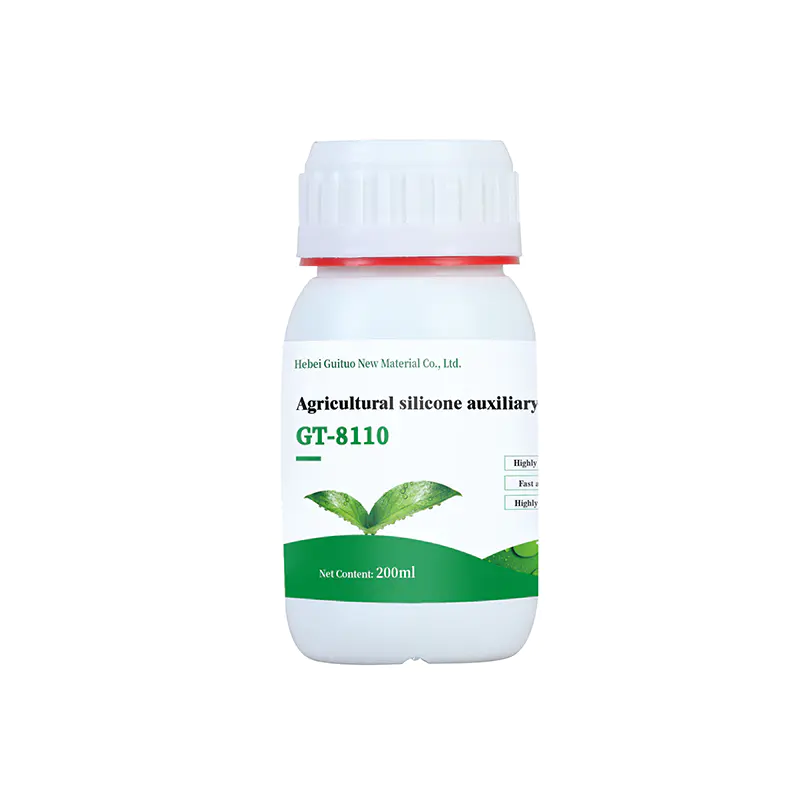
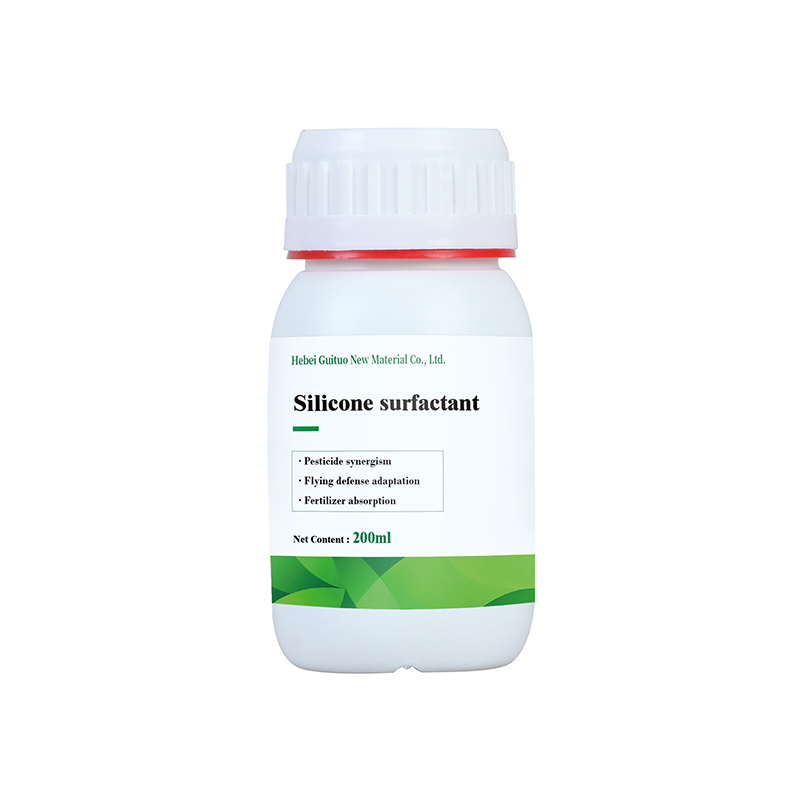
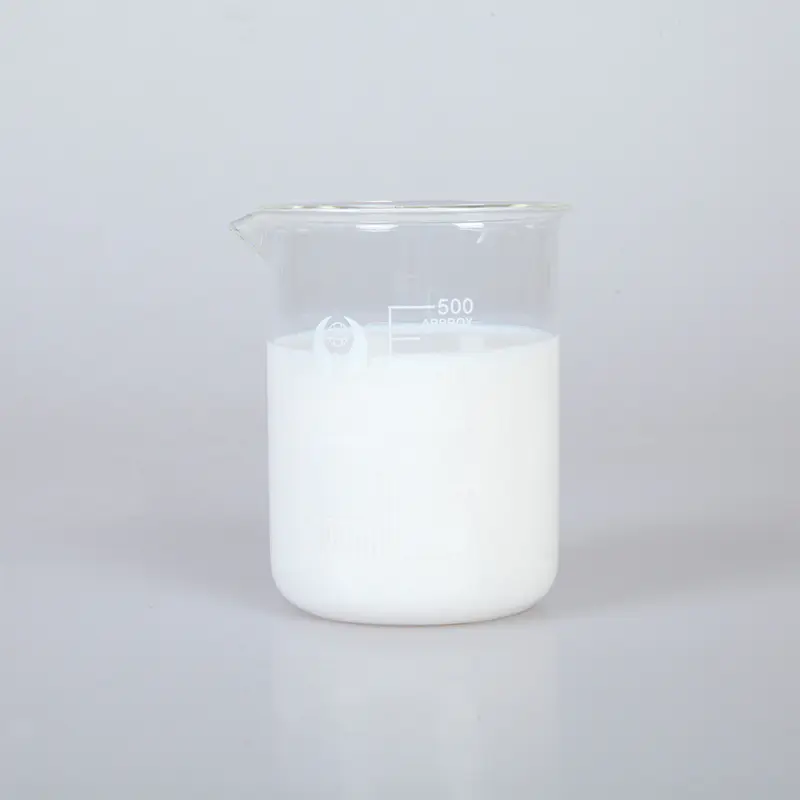
Moving Large, Water-Loving Molecules Across the Cuticle When Stomatal Entry Is Not an Option
Silicone-Based Penetration Enhancer for Agriculture is a blended silicone adjuvant for products that have to cross the plant's waxy cuticle rather than slip through its pores. The cuticle is a layered barrier of cutin and waxes that is hostile to water-loving and large molecules, which is exactly what many modern crop inputs are. Glyphosate and glufosinate salts, nutrient chelates such as zinc and iron EDTA, urea, amino acids, peptides, plant-growth regulators in ionic form, and emerging products such as RNA-based sprays all need to pass through that barrier to do their work. When they stay on the surface, they dry down, crystallize, and either wash off or never enter.
The enhancer combines a polyether-modified silicone surfactant with a humectant and a small amount of a cuticle-softening co-solvent. The surfactant spreads the spray and provides intimate contact with the cuticle. The humectant keeps the deposit moist for longer, so the active stays dissolved and mobile rather than crystallizing as the droplet dries. The co-solvent temporarily increases the fluidity of the epicuticular wax, opening diffusion paths for polar molecules. In a leaf-disk uptake test with glyphosate on thick-cuticle velvetleaf, 48-hour uptake was 31% of the applied dose without the adjuvant and 58% with 0.1% v/v of this product.
Drying time is the hidden variable in cuticular uptake. A droplet of a salt solution on a leaf dries in 10–30 minutes in typical conditions and, once dry, uptake slows to almost nothing. A droplet with humectant remains partly hydrated for several hours: in a controlled-humidity chamber at 60% relative humidity, the enhanced droplets remained at least 40% wet after 3 hours against under 5% for droplets without, and cumulative uptake of the model nutrient zinc-EDTA on citrus leaves rose from 9% to 21% of the applied dose in 24 hours.
Larger molecules show the biggest relative gains. For a model 10-kDa peptide applied to lettuce, leaf uptake after 24 hours increased threefold. In the field, glufosinate on Italian ryegrass at 60% of the labelled rate achieved 84% control with the enhancer, compared with 61% without, though rate reduction must always stay within what the herbicide label allows and resistance-management guidance applies.
The enhancer is not for every program. Because it opens the cuticle, it also raises uptake of any active, including those with narrow crop-safety margins, so test on sensitive crops and growth stages, avoid use before heat or drought stress, and follow the active ingredient's label.
Why Cuticle-Crossing Programs Use an Enhancer
Mechanism of action
Silicone-Based Penetration Enhancer for Agriculture acts through three linked effects. First, the silicone surfactant lowers surface tension to about 23 mN/m and spreads the droplet over a larger area of cuticle, increasing the contact area available for diffusion.
Second, the humectant slows evaporation. A hydrated droplet keeps the active in solution, which is essential because cuticular uptake of polar molecules happens through water-filled pores in the cuticle and needs a continuous aqueous path from droplet to leaf.
Third, the co-solvent fluidizes the epicuticular wax for a time after application, increasing the diffusion rate through the cuticle. Together these effects increase the amount and speed of uptake for polar, ionic, and large molecules.
Without humectant, the same droplet is under 5% wet after 3 hours and uptake effectively stops.
Product specifications
| Parameter | Value |
|---|---|
| Appearance | Clear to slightly hazy liquid |
| Composition | Polyether silicone + humectant + co-solvent |
| Active content | ≥ 90% |
| Viscosity (25°C) | 40 – 90 cSt |
| Density (25°C) | 1.03 – 1.08 g/cm³ |
| Recommended tank pH | 5.0 – 8.0 |
| Flash point | > 90°C |
| Storage stability | 24 months (cool, dry) |
Performance data


- 2021
Company Establishment
- 10000m²
Advanced Factory
- 50+
Exporting Country
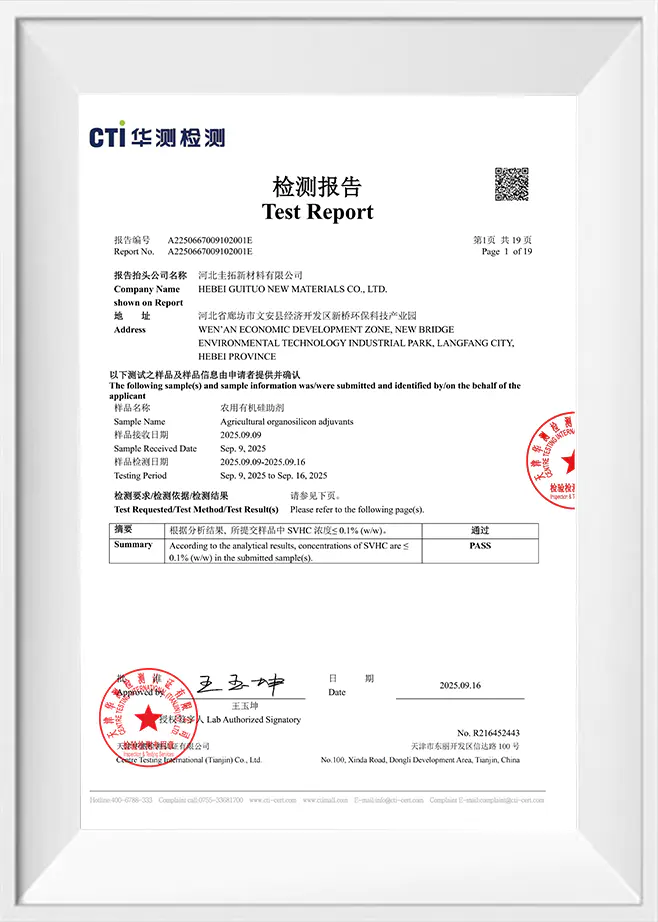
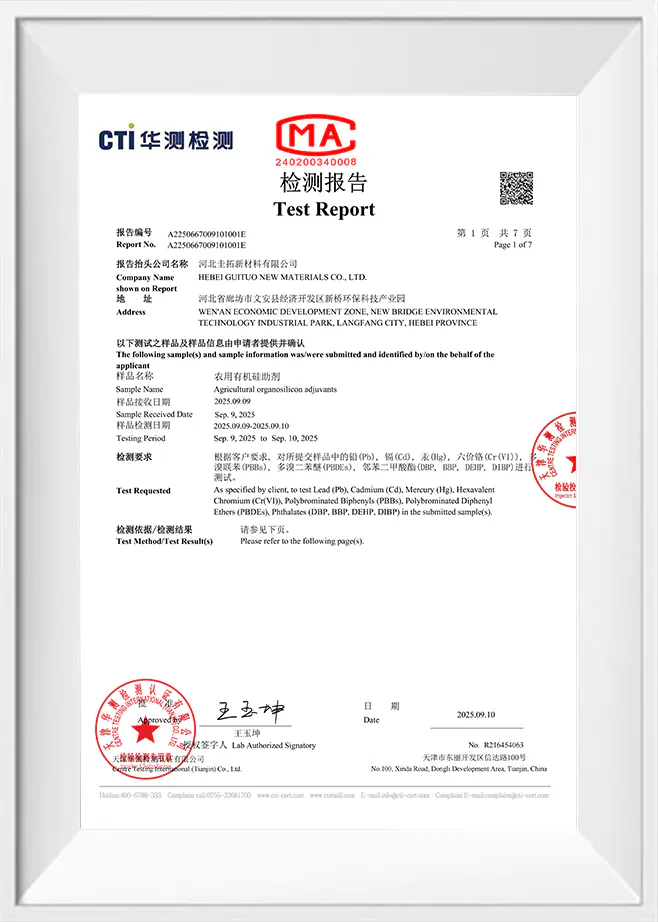
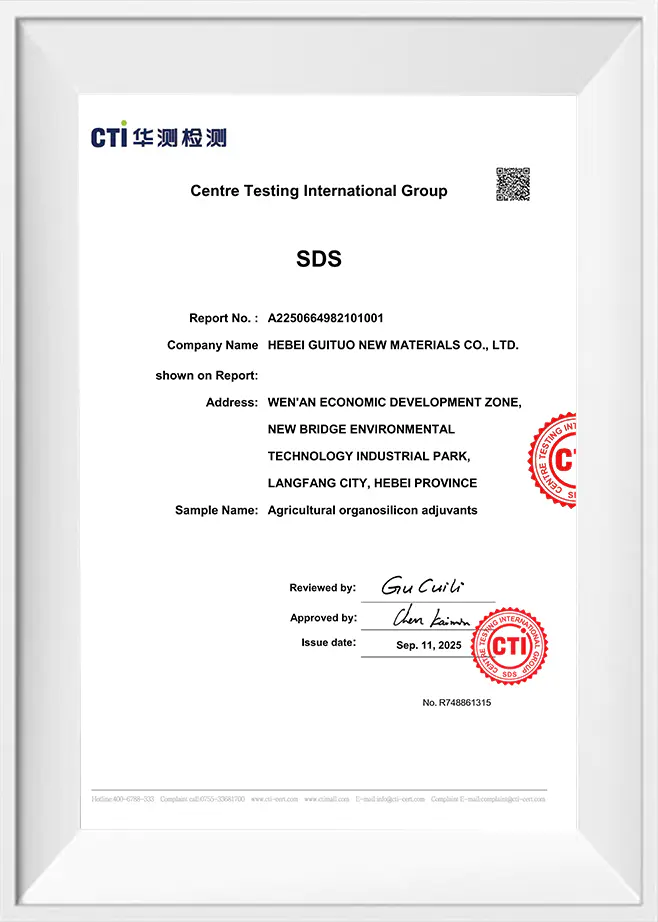
Our Certifications
And Partners
Professional scale factory production. We can customize finished products wholesale and export, OEM production, and distribution.
I just wanted to let you know that welcome to inquire and place orders.



Performance benchmark
| Property | This penetration enhancer | Conventional NIS | Methylated seed oil |
|---|---|---|---|
| Glyphosate uptake (48 h) | 58% | 42% | 49% |
| Droplet moisture at 3 h | ≥ 40% | < 5% | ≈ 10% |
| Zn-EDTA uptake (24 h) | 21% | 12% | 14% |
| Large-molecule (10 kDa) uptake | 3× | 1.2× | 1.5× |
| Surface tension (0.1%) | 23 mN/m | 32–36 mN/m | 28–31 mN/m |
Uptake and efficacy trial results
Source: leaf-disk uptake, controlled-humidity chamber, and glasshouse efficacy trials, 2024–2025; rates tested are for research and are not label recommendations.
Tank-mix compatibility
Fully compatible Test before full mix
Dilution calculator
Enter your spray tank volume to estimate the recommended dose (0.15% v/v typical).
How to apply
Safe use guidelines
- Personal protection — Wear gloves, goggles, and long sleeves during mixing.
- First aid — Rinse skin and eyes with plenty of water; if ingested, seek medical advice.
- Storage — Keep in original container, tightly closed, cool and dry (5–40°C).
- Crop safety — Enhancer raises uptake of every active; follow the active's label for sensitive crops.
- Environmental — Biodegradable; low toxicity to fish. Avoid drift into water.
- Disposal — Dispose of empty containers per local regulations.
Crops & use cases
- Herbicide programs — — thick-cuticle weeds, perennial weeds, cool conditions.
- Citrus and tree crops — — foliar micronutrient programs.
- Vegetable and leafy crops — — amino-acid and biostimulant sprays.
- Research and development — — large-molecule and RNA-based foliar uptake studies.
Also considered for low-volume sprays where droplets dry fast and uptake time is short.
Why it outperforms
- Targets polar and large molecules — — where spreaders alone fall short.
- Longer uptake window — — humectant keeps the deposit moist.
- Measured gains — — nearly double the uptake of glyphosate in 48 h.
- Honest guidance — — crop-safety testing and label compliance stated clearly.
Application guidelines
- Timing: spray in cool, humid conditions with leaves dry before application
- Rate: 0.1% for sensitive crops; up to 0.2% on thick-cuticle weeds
- Mixing: add last; keep pH between 5 and 8; use the mix the same day
- Crop safety: test on a small area for new crops, varieties, or stages
Packaging & shelf life
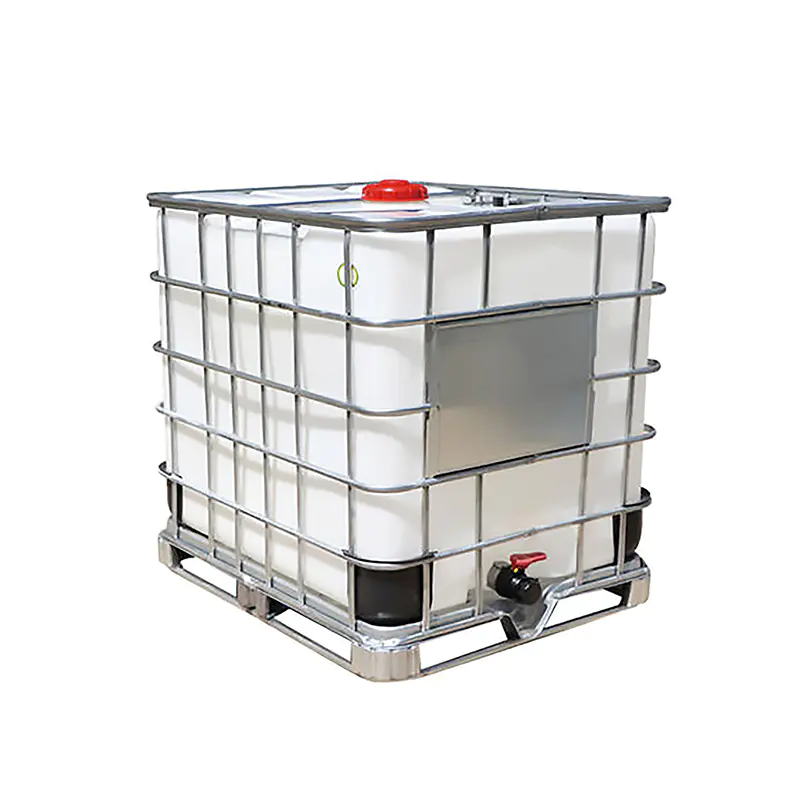
- Packaging: 1 L, 5 L, 20 L, 200 L drums / IBC totes.
- Storage: cool, dry, away from direct sunlight; 5–40°C.
- Shelf life: 24 months in unopened original container.
Global quality benchmarks
| Test item | Standard requirement | Our performance |
|---|---|---|
| Surface tension (0.1%) | ≤ 28 mN/m | 23 mN/m |
| Droplet moisture at 3 h (60% RH) | ≥ 20% | ≥ 40% |
| Glyphosate uptake gain (48 h) | ≥ 10 points | 27 points |
| Foam height (1 min) | < 40 mL | < 30 mL |
| Biodegradability | OECD 301 | Readily biodegradable |
Frequently asked questions
Latest articles & guides
Silicone-Based Antifoam for Agriculture
overview Foam Control for On-Farm Liquid Storage, Fertigation, and Slurry System
Silicone Defoamer for Agrochemical Formulations
overview A Built-In Antifoam Designed to Live Inside the Finished Product Silic
Silicone Spreader for Foliar Fertilizer
overview Purpose-Built Spreader for Foliar Nutrition Programs Silicone Spreader
Silicone Wetting Agent for Agrochemicals
overview Purpose-Built Wetting Agent for Chemigation Through Irrigation Systems
Silicone Surfactant for Agricultural Chemicals
overview Multi-Functional Silicone Surfactant for Agrochemical Formulation Sili
Silicone Surfactant for Plant Growth Regulators
overview Even, Acid-Stable Coverage for Growth Regulator Programs Silicone Surf
Silicone Adjuvant for Fungicide Spray
overview Adjuvant Built Around the Disease-Control Weather Window Silicone Adju
Silicone Surfactant for Herbicide Application
overview Purpose-Built for Broadleaf and Grass Weed Herbicide Programs Silicone
Silicone Spray Adjuvant for Herbicides
overview Faster Burndown and Reliable Control When the Weather Isn't Ideal Sili
Help polar molecules cross the wax, not dry on it
Free samples · Uptake trial support
cnguituonewmaterial.com · Agricultural adjuvants & new materials

Tel : +86-400-138-5268
Email : [email protected]
Phone : +86-15128434888 / +86-13511051998
Add : Xinqiao Environmental Protection Industrial Park, Wen'an County, Langfang City, Hebei Province, China
Copyright © Hebei Guituo New Material Co., Ltd. All Rights Reserved.
