

 English
 Français
 Português


Environmentally Friendly Agricultural Silicone Surfactant
APEO-free, PFAS-free, solvent-free trisiloxane surfactant with aquatic toxicity endpoints above 100 mg/L and documented biodegradation — and honest pollinator guidance.
Explore our adjuvant range
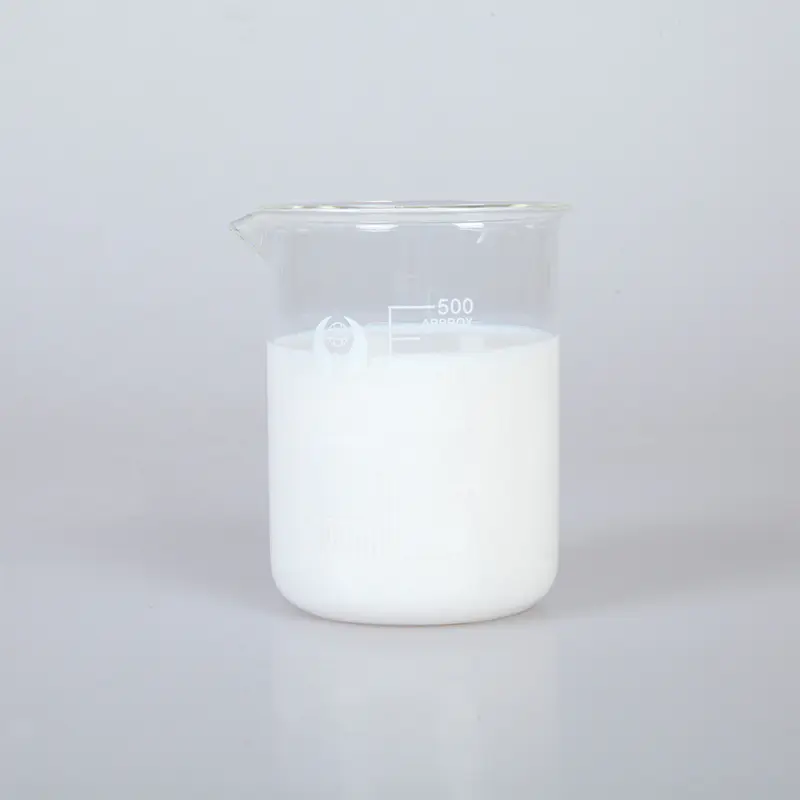
A Silicone Surfactant Designed Around Its Environmental Profile
Environmentally Friendly Agricultural Silicone Surfactant is a trisiloxane-polyether surfactant developed and documented around its environmental and regulatory profile, for growers, retailers, and formulators who are asked to justify what goes into their spray tanks. Many buyers now work under retail sustainability standards, regional pesticide-reduction policies, or simply a desire to avoid adjuvant ingredients that have drawn regulatory attention. The product is formulated to avoid those ingredients rather than to make general claims, and its data package is arranged so the claims can be checked.
Three features define the formulation. It contains no alkylphenol ethoxylates (APEO), the nonylphenol-based surfactants that have been restricted in many jurisdictions because their breakdown products are toxic to aquatic life and act as endocrine disruptors. It is free of fluorinated surfactants, so it is not a PFAS alternative problem but a PFAS-free option for spreading performance. And it contains no volatile organic solvent carrier: the product is a 100% active liquid with a flash point above 95°C and negligible VOC content, which reduces worker exposure and fire-handling requirements compared with solvent-based adjuvants.
Ecotoxicology data are presented in standard tests. Acute toxicity to rainbow trout (96 h LC₅₀), Daphnia magna (48 h EC₅₀), and freshwater algae (72 h ErC₅₀) are all above 100 mg/L, a range that is not classified as hazardous to aquatic life at these endpoints. The polyether portion shows primary biodegradation above 80% in a 28-day screening test, and the siloxane portion degrades slowly in soil through clay-catalyzed hydrolysis to dimethylsilanediol, which is further broken down. Full OECD study summaries are available with the safety documentation.
A transparent statement about bees belongs in any environmental profile. Silicone surfactants have in some studies increased the contact toxicity of insecticides to bees by helping the spray wet the bee's body. The product's use guidance therefore says not to spray flowering crops or flowering weeds while bees are foraging, to prefer evening applications, and to follow the insecticide label. A surfactant cannot make a bee-toxic insecticide safe, and this one is not marketed as if it could.
The environmental case also includes efficiency. Because the surfactant improves coverage and uptake at 0.02–0.04% v/v, growers can sometimes hold effective control at the lower end of the label range for the pesticide, reducing the total active ingredient applied per hectare — though such decisions must remain within the pesticide label.
What Makes This Profile Different
Mechanism of action
Environmentally Friendly Agricultural Silicone Surfactant is a trisiloxane-polyether surfactant that lowers spray surface tension to about 22 mN/m — the same fundamental spreading mechanism that makes silicone adjuvants effective — but is produced without alkylphenol, fluorinated, or solvent components.
In the environment, the polyether chain is the part most readily degraded by microorganisms. The siloxane portion that reaches soil is broken down more slowly by clay-catalyzed hydrolysis to small silanol compounds, which in turn degrade further.
Used at low dose rates, the surfactant adds only a small mass of material per hectare, and by improving coverage it can help growers hold control at the lower end of a pesticide's label range where this is permitted.
The product's endpoints sit well above 100 mg/L; typical nonylphenol ethoxylates fall at low single-digit mg/L.
Product specifications
| Parameter | Value |
|---|---|
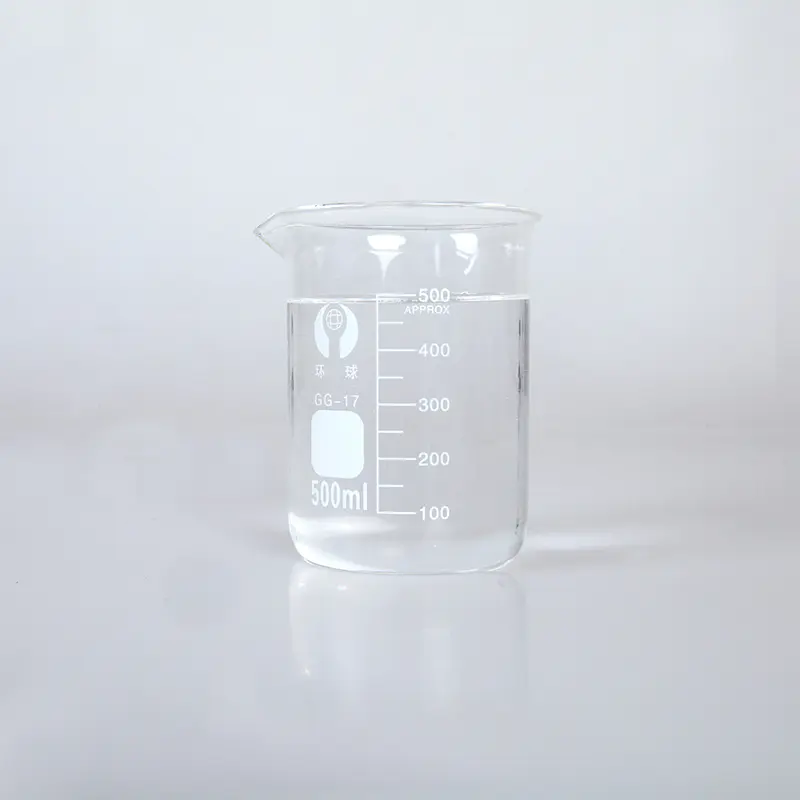
| Appearance | Clear, colorless liquid |
| Active content | ≥ 98% (trisiloxane-polyether surfactant) |
| Solvent / carrier | None; VOC content negligible |
| Alkylphenol ethoxylates (APEO) | Not detected |
| Fluorinated compounds (PFAS) | Not detected |
| Viscosity (25°C) | 18 – 30 cSt |
| Flash point | > 95°C |
| Storage stability | 24 months (cool, dry) |
Performance data


- 2021
Company Establishment
- 10000m²
Advanced Factory
- 50+
Exporting Country
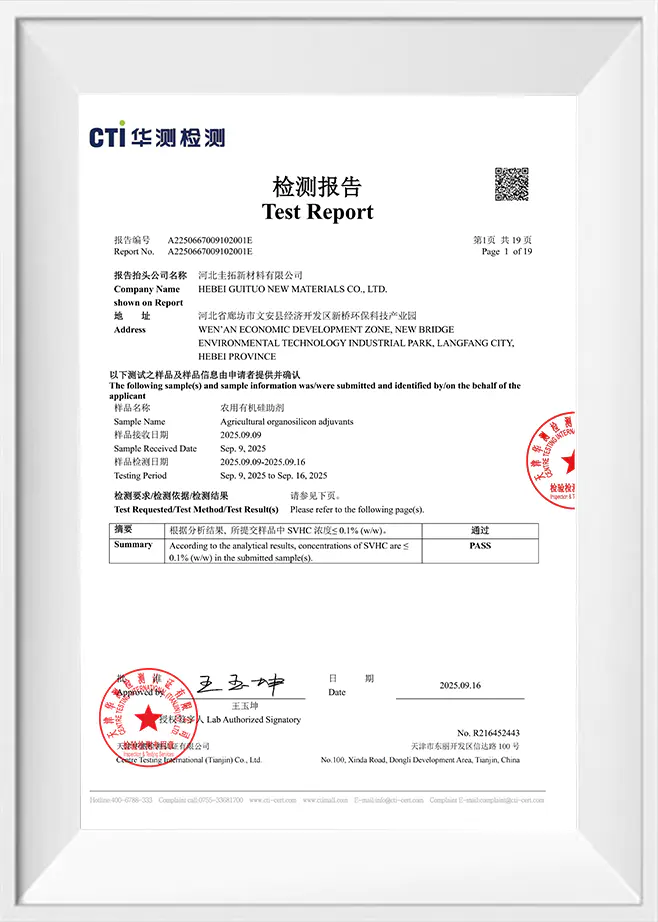
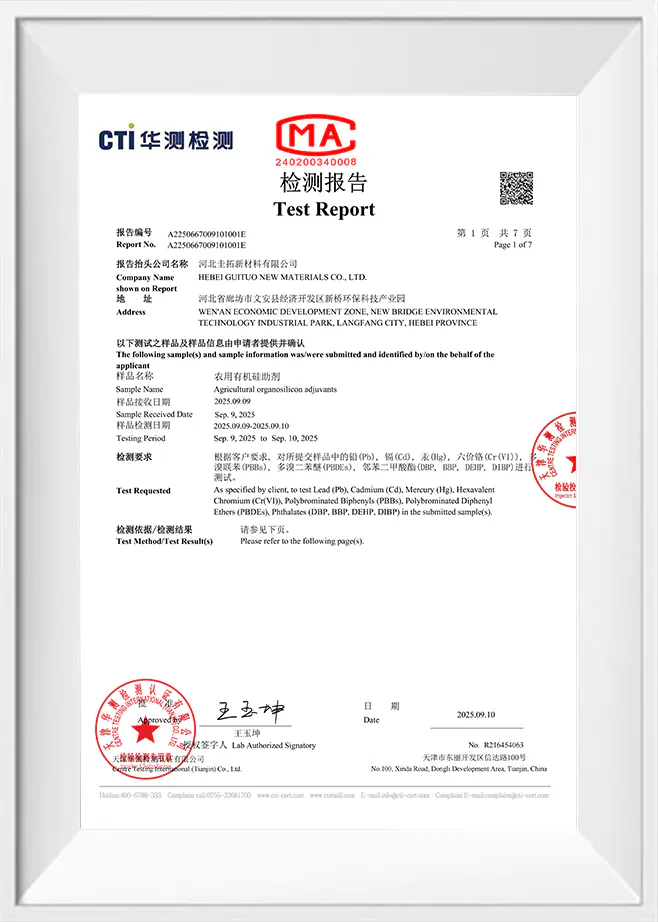
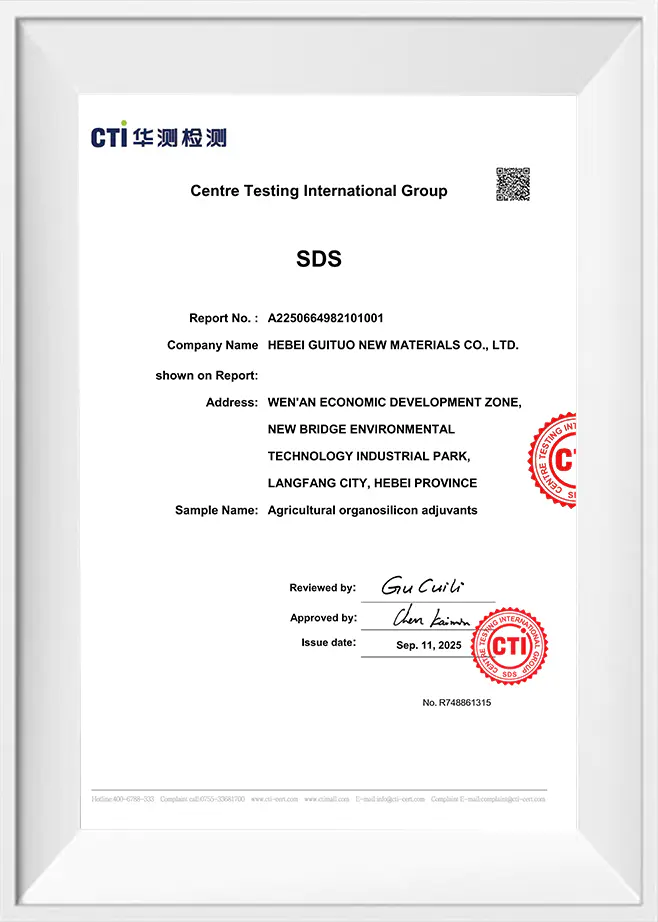
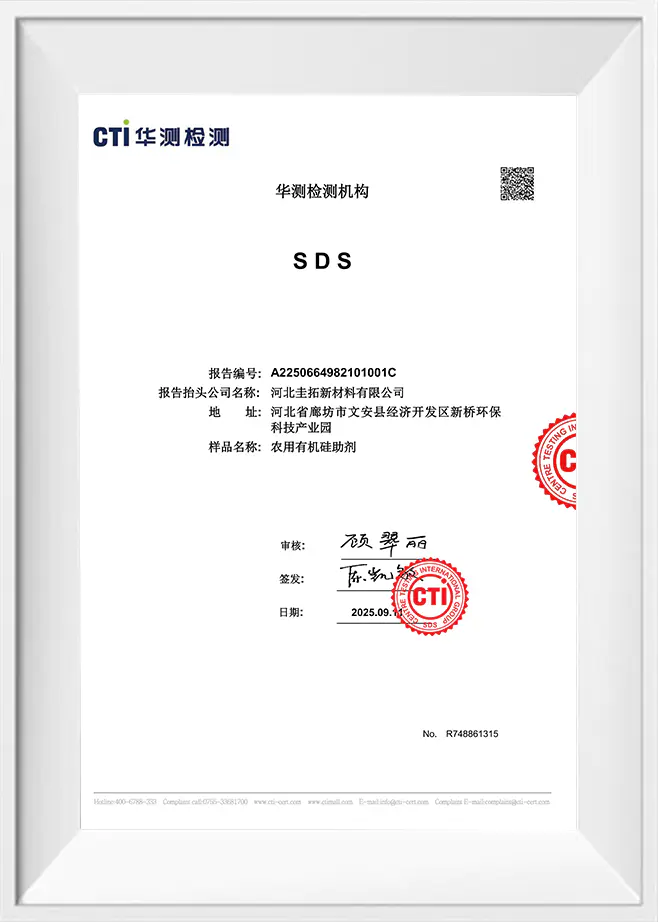
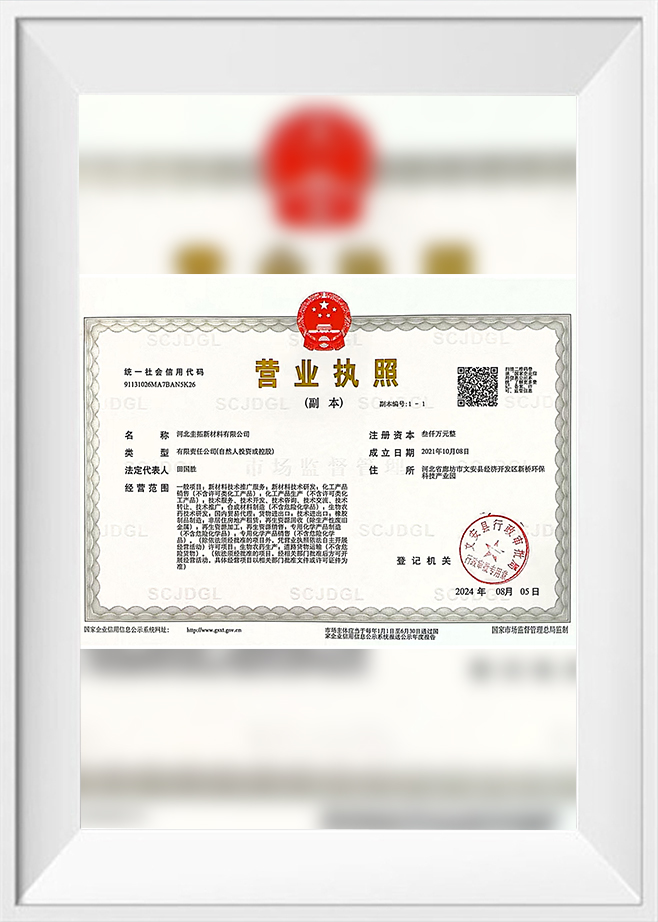
Our Certifications
And Partners
Professional scale factory production. We can customize finished products wholesale and export, OEM production, and distribution.
I just wanted to let you know that welcome to inquire and place orders.


Performance benchmark
| Property | This eco-profile surfactant | Nonylphenol ethoxylate | Fluorosurfactant adjuvant |
|---|---|---|---|
| APEO content | None | Present | Often present |
| PFAS content | None | None | Present in some |
| Solvent / VOC content | None | Low | 10–40% solvent |
| Aquatic toxicity (fish LC₅₀) | > 100 mg/L | 1–5 mg/L | 5–50 mg/L |
| Surface tension (0.1%) | 22 mN/m | 30–33 mN/m | 18–20 mN/m |
Environmental and performance results
Source: OECD aquatic toxicity studies and waxy-leaf coverage trials, 2024–2025.
Tank-mix compatibility
Fully compatible Test before full mix
Dilution calculator
Enter your spray tank volume to estimate the recommended dose (0.03% v/v typical).
How to apply
Safe use guidelines
- Personal protection — Wear gloves and eye protection during mixing.
- First aid — Rinse skin/eyes with water; if ingested, seek medical advice.
- Storage — Keep sealed, cool, and dry, away from direct sunlight.
- Pollinators — Do not spray flowering crops or weeds while bees are foraging; prefer evening.
- Water — Avoid direct application or drift to open water despite low toxicity data.
- Disposal — Triple-rinse containers and dispose per local regulations.
Crops & use cases
- Retailer-audited fruit and vegetable supply chains — growers working to adjuvant restriction lists.
- Programs near water — buffer-zone, drinking-water catchment, and aquaculture-adjacent sites.
- Reduced-input and IPM programs — efficiency-focused spray strategies.
- Formulators of green-label adjuvants — a documented silicone base for eco-positioned products.
Also used by distributors replacing nonylphenol-based adjuvants ahead of regional bans.
Why it outperforms
- Free of restricted ingredient classes — no APEO, no PFAS, no solvent carrier.
- Documented data package — OECD summaries available for audits.
- Honest on pollinators — clear guidance rather than blanket claims.
- Strong performance — 84% waxy-leaf coverage at 0.03%.
Application guidelines
- Documentation: request the ecotoxicology summary and safety data sheet for your audit file
- Pollinators: spray in the evening and avoid flowering plants during bee flight
- Tank mix: hold pH at 6–8 and use the mix the same day
- Certification: confirm acceptance with your organic or sustainability certifier before use
Packaging & shelf life
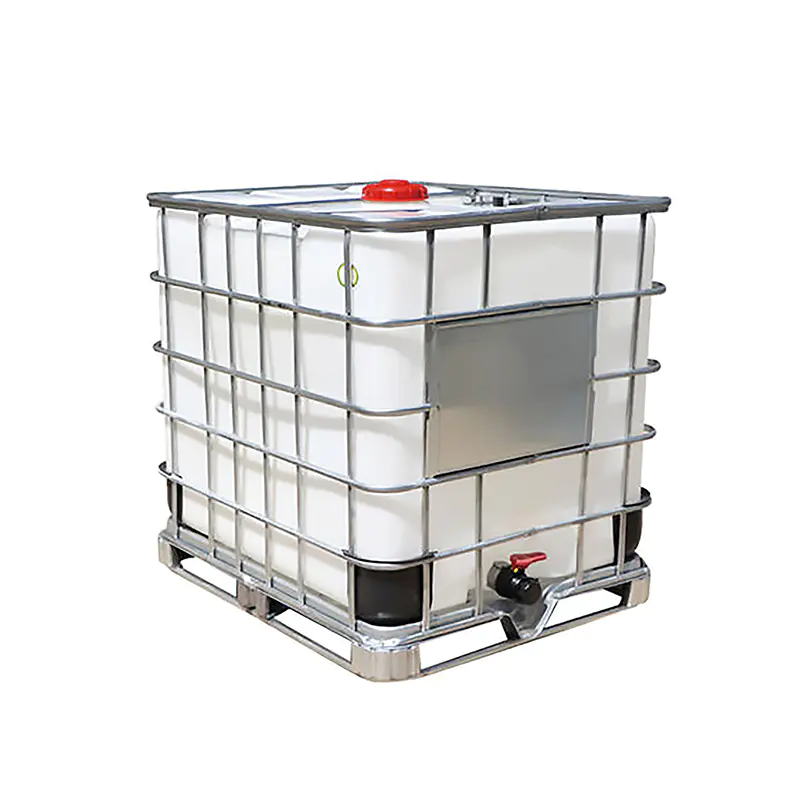
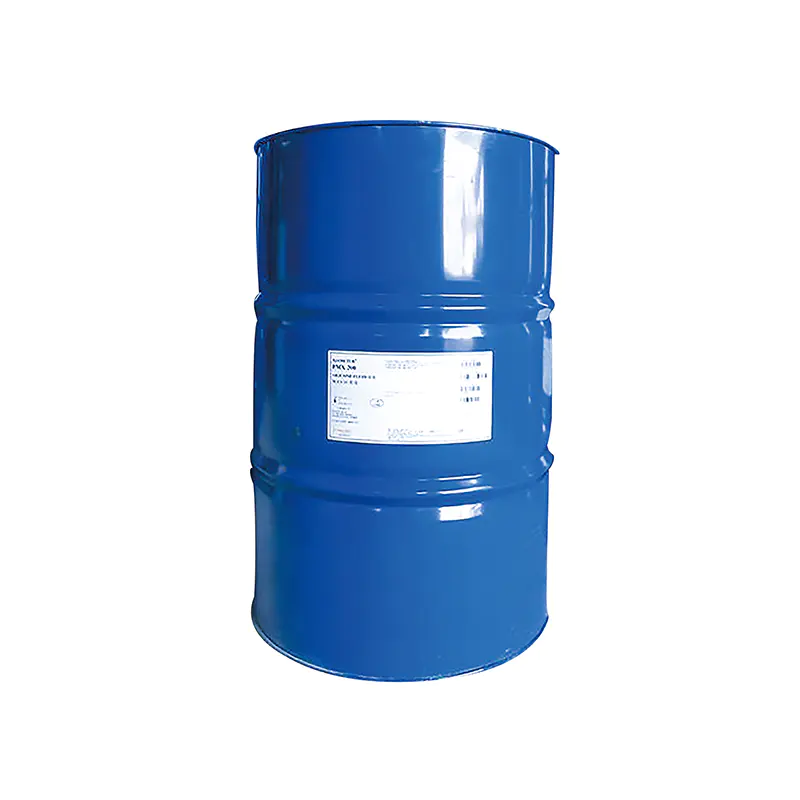
- Packaging: 1 L, 5 L, 20 L, 200 L drums / IBC totes.
- Storage: cool, dry, away from direct sunlight; 5–40°C.
- Shelf life: 24 months in unopened original container.
Global quality benchmarks
| Test item | Standard requirement | Our performance |
|---|---|---|
| APEO content | Not restricted | Not detected |
| Fish 96 h LC₅₀ | > 10 mg/L | > 100 mg/L |
| Daphnia 48 h EC₅₀ | > 10 mg/L | > 100 mg/L |
| Polyether biodegradation (28 d) | ≥ 60% | > 80% |
| Solvent content | Not specified | None |
Frequently asked questions
Latest articles & guides
Silicone Surfactant for Agricultural Chemicals
overview Multi-Functional Silicone Surfactant for Agrochemical Formulation Sili
Agricultural Super Wetting Silicone Fluid
overview True Superspreading: Measured by Spreading Area, Contact Angle, and the
Agricultural Chemical Silicone Defoaming Agent
overview Industrial-Scale Antifoam for Agrochemical Manufacturing Processes Agr
Agricultural Grade Polyether Modified Silicone
overview A Hydrolytically Stable Comb-Type Silicone for Acidic and Multi-Day Tan
Agricultural Silicone Penetrant and Spreader
overview Penetration-Focused Adjuvant for Translocated Actives Agricultural Sil
Silicone Surfactant for Herbicide Application
overview Purpose-Built for Broadleaf and Grass Weed Herbicide Programs Silicone
Agricultural Spray Droplet Modifier Silicone
overview Controlling What Happens in the Milliseconds After a Droplet Hits the L
Silicone Surfactant for Plant Growth Regulators
overview Even, Acid-Stable Coverage for Growth Regulator Programs Silicone Surf
Agricultural Pesticide Silicone Wetting Additive
overview A Wetting Additive Built Into the Powder, Not Added After Agricultural
A silicone surfactant you can put in front of an auditor
Documentation packet on request · Free samples · Technical support
cnguituonewmaterial.com · Agricultural adjuvants & new materials

Tel : +86-400-138-5268
Email : [email protected]
Phone : +86-15128434888 / +86-13511051998
Add : Xinqiao Environmental Protection Industrial Park, Wen'an County, Langfang City, Hebei Province, China
Copyright © Hebei Guituo New Material Co., Ltd. All Rights Reserved.
