

 English
 Français
 Português


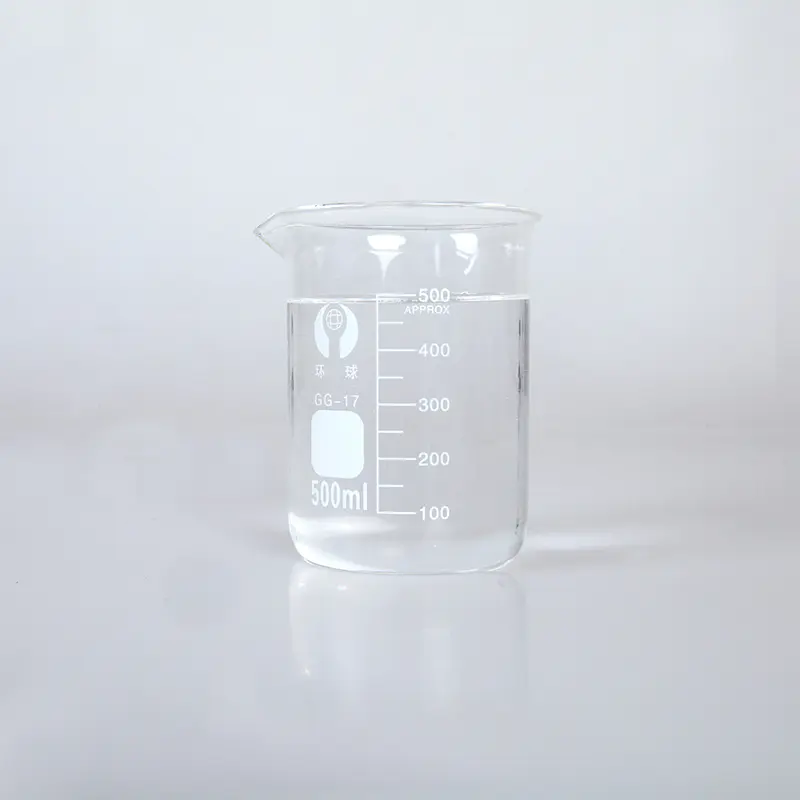
Silicone-Based Penetrant
Trisiloxane-polyether penetrant that drops surface tension below the stomatal infiltration threshold — 68% of stomata infiltrated in 10 minutes and curative fungicide eradication lifted from 52% to 78%.
Explore our adjuvant range
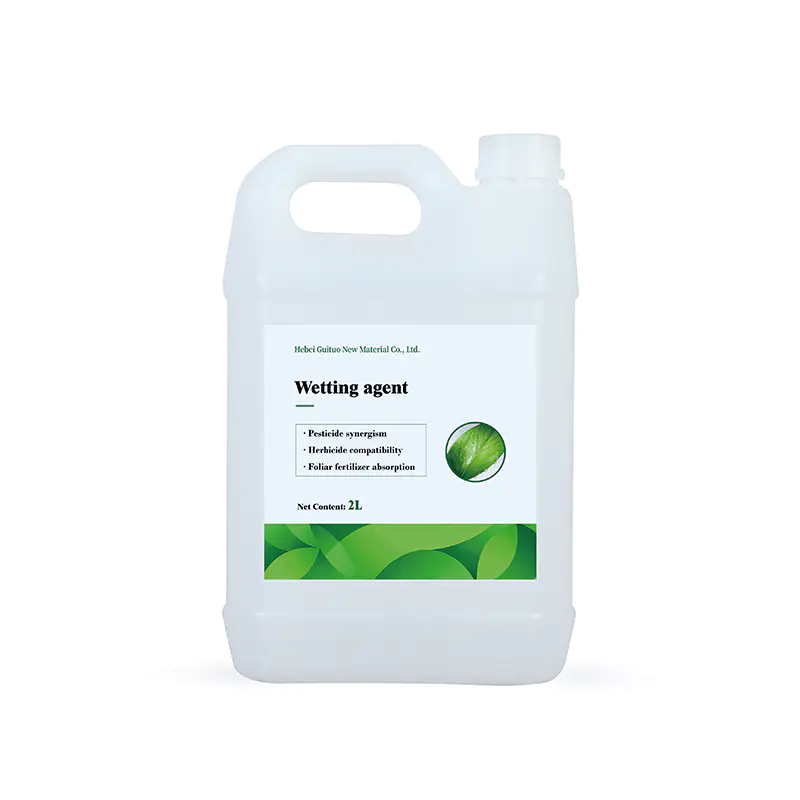
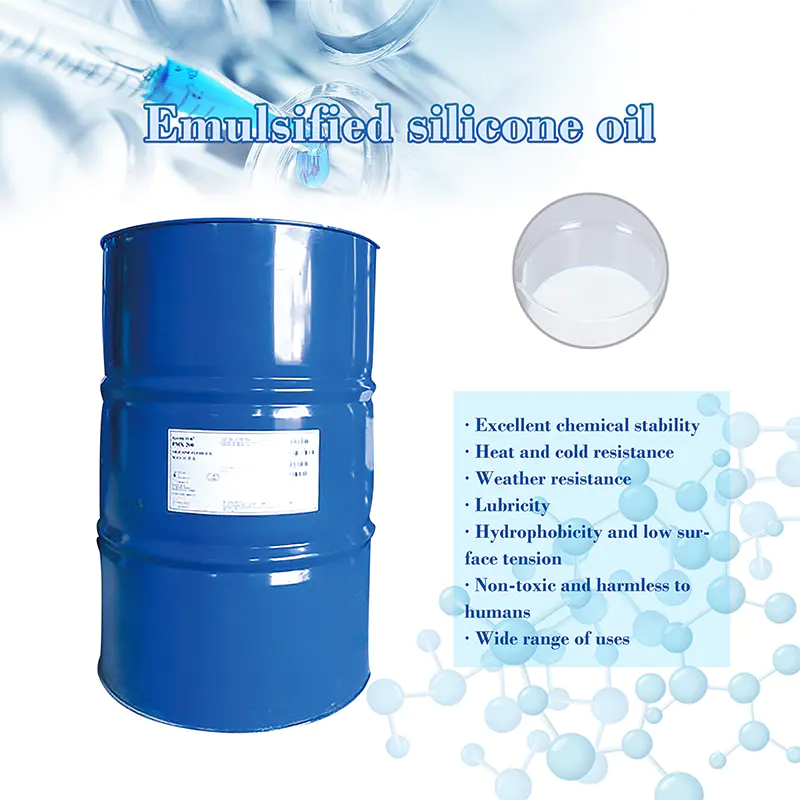
Getting the Active Through the Stomata: Infiltration Speed Is the Whole Point
Silicone-Based Penetrant is a trisiloxane-polyether penetrant designed around one physical event: stomatal infiltration. Leaves are not sealed. Their undersides, and often their tops, carry thousands of stomatal pores per square centimetre, each only 10–30 µm wide and normally closed to water by surface tension. A conventional spray cannot enter these pores because water at 72 mN/m, or even a nonionic spray at 32–36 mN/m, is held out by capillary forces. Once the surface tension of the spray falls below roughly 24 mN/m, the pore is no longer a barrier and the liquid can flood in, carrying the active ingredient directly into the leaf's air spaces without crossing the waxy cuticle at all.
This product reduces spray surface tension to about 21 mN/m at 0.05% v/v, comfortably under the infiltration threshold. On cabbage and tomato leaves, a dye-tracer test showed 68% of the sprayed stomata on the lower surface infiltrated within 10 minutes with the penetrant, against 4% with a nonionic adjuvant and nearly none with plain water. Speed matters in the field: an active that has already entered the leaf within 15 minutes is out of reach of sunlight, wind, and the first shower, which is why the same adjuvant that improves spreading can raise the effective dose by moving it to a protected place.
Infiltration changes how fungicides and insecticides behave. Curative fungicides need to reach mycelium that has already colonized the leaf interior, and translaminar insecticides need to be present in the mesophyll where leafminers and mites feed. With the penetrant added, a translaminar insecticide produced 91% mortality of leafminer larvae feeding inside tomato leaves at 72 hours, compared with 64% without it, because more of the active was delivered inside the tissue instead of sitting on the surface. In a curative apple scab test, eradication of established lesions rose from 52% to 78%.
Application technique is important with this chemistry. Infiltration only occurs while the leaf surface is wet, so the benefit depends on droplets that spread quickly and stay liquid for the first 10–20 minutes. Spraying in the cool, humid part of the day, when stomata are open and drying is slow, gives the best result; spraying in hot, dry midday conditions reduces infiltration and raises the chance of leaf burn. Because stomatal flooding can also carry in more of a phytotoxic active, growers should test a small area on new crop varieties or sensitive growth stages before treating the whole field.
The penetrant is compatible with systemic and translaminar insecticides, curative and systemic fungicides, and herbicides that act on foliage. It is not intended to move products that are meant to remain on the surface, such as protectant contact fungicides, where deeper entry gives no benefit.
Why Curative and Translaminar Programs Add a Penetrant
Mechanism of action
Silicone-Based Penetrant lowers the surface tension of the spray to about 21 mN/m. A stomatal pore is a narrow capillary, and liquid only enters it spontaneously when its contact angle on the pore wall is small enough, which for typical stomatal geometry means a surface tension below about 24 mN/m.
Once that threshold is crossed, the spray flows into the sub-stomatal cavity and fills the intercellular air spaces. From there the active can diffuse into mesophyll cells, move short distances within the leaf, and reach pests and pathogens that live inside the tissue.
Because entry does not rely on crossing the cuticle, it works on thick, waxy leaves where cuticular uptake is slow, provided the stomata are open and the leaf stays wet long enough.
Infiltration rises steeply once surface tension falls below about 24 mN/m.
Product specifications
| Parameter | Value |
|---|---|
| Appearance | Clear to slightly hazy liquid |
| Active content | ≥ 97% (trisiloxane-polyether) |
| Viscosity (25°C) | 20 – 35 cSt |
| Density (25°C) | 1.00 – 1.03 g/cm³ |
| Cloud point (1% aq.) | > 36°C |
| Flash point | > 95°C |
| Recommended tank pH | 6.0 – 8.0 |
| Storage stability | 24 months (cool, dry) |
Performance data


- 2021
Company Establishment
- 10000m²
Advanced Factory
- 50+
Exporting Country
Our Certifications
And Partners
Professional scale factory production. We can customize finished products wholesale and export, OEM production, and distribution.
I just wanted to let you know that welcome to inquire and place orders.


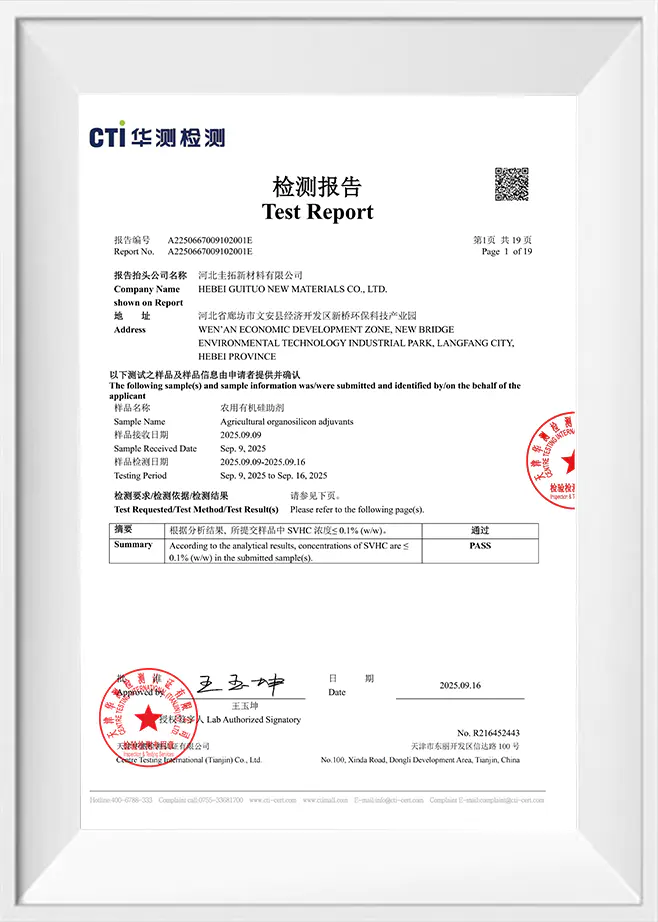
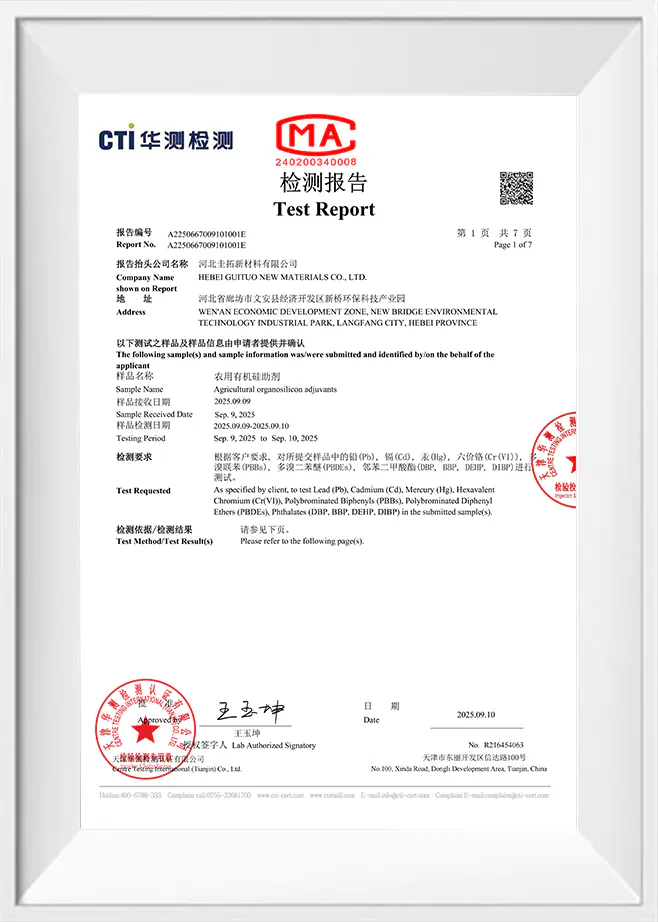
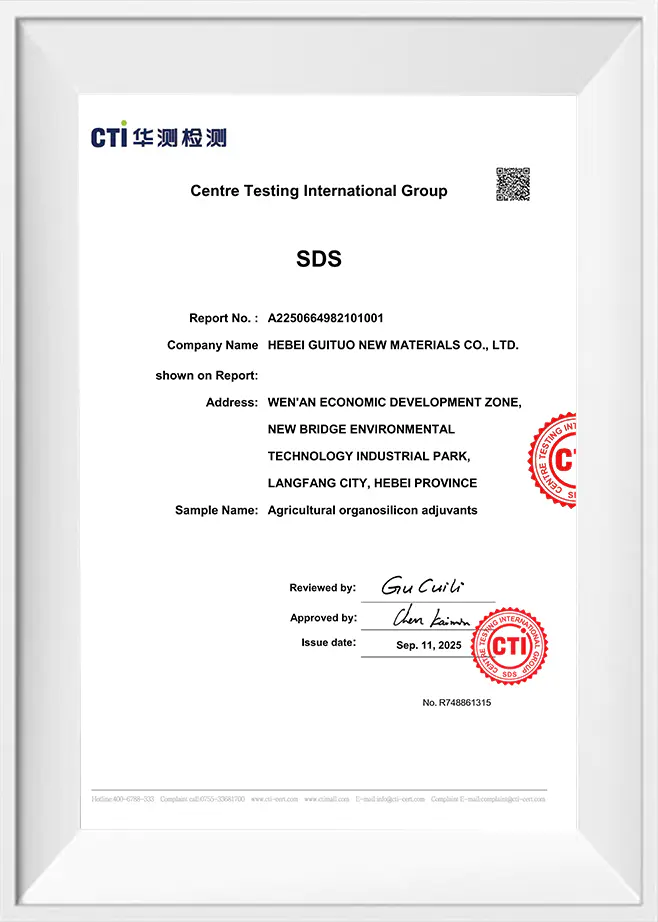
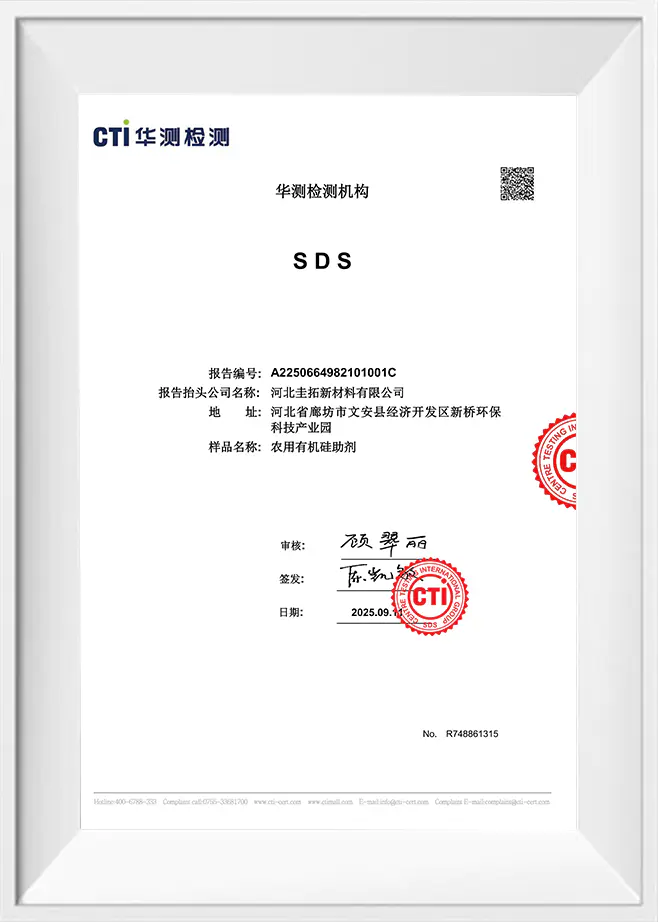

Performance benchmark
| Property | This silicone penetrant | Conventional NIS | Penetrating oil (MSO) |
|---|---|---|---|
| Spray surface tension | 21 mN/m | 32–36 mN/m | 28–31 mN/m |
| Stomatal infiltration (10 min) | 68% | 4% | 11% |
| Entry route | Stomata (fast) | Cuticle (slow) | Cuticle (moderate) |
| Translaminar insecticide boost | Strong | Slight | Moderate |
| Leaf-burn risk in heat | Moderate | Low | Higher |
Infiltration and curative-activity results
Source: greenhouse translaminar and curative orchard trials, dye-tracer stomatal infiltration tests, 2024–2025.
Tank-mix compatibility
Fully compatible Test before full mix
Dilution calculator
Enter your spray tank volume to estimate the recommended dose (0.04% v/v typical).
How to apply
Safe use guidelines
- Personal protection — Wear gloves, goggles, and long sleeves during mixing.
- First aid — Rinse skin and eyes with plenty of water; if ingested, seek medical advice.
- Storage — Keep in original container, tightly closed, cool and dry (5–40°C).
- Crop safety — Penetrant raises uptake; check the active's label for sensitive crops and stages.
- Environmental — Biodegradable; low toxicity to fish. Avoid drift into water.
- Disposal — Dispose of empty containers per local regulations.
Crops & use cases
- Tomato, cucumber, and pepper — — leafminer, whitefly, and powdery mildew programs.
- Apple, pear, and grape — — curative scab and mildew timing.
- Brassicas and leafy vegetables — — translaminar insecticide programs.
- Cotton and soybean — — systemic foliar sprays that need a quick rain-free window.
Also valuable when spray windows are short and a showers-within-hours forecast threatens surface-only deposits.
Why it outperforms
- Works in minutes — — stomatal entry rather than slow cuticle diffusion.
- Reaches hidden pests and pathogens — — active delivered into the leaf interior.
- Rain-protected deposit — — infiltrated product cannot wash off.
- Clear safety guidance — — timing and variety-testing advice on the datasheet.
Application guidelines
- Timing: spray in the cool, humid part of the day with leaves dry before application
- Coverage: wet the lower leaf surface, where most stomata are found
- Tank pH: keep spray solution between pH 6 and 8 and use the mix the same day
- Crop safety: test a small block on new varieties or sensitive growth stages first
Packaging & shelf life
- Packaging: 1 L, 5 L, 20 L, 200 L drums / IBC totes.
- Storage: cool, dry, away from direct sunlight; 5–40°C.
- Shelf life: 24 months in unopened original container.
Global quality benchmarks
| Test item | Standard requirement | Our performance |
|---|---|---|
| Surface tension (0.05%) | ≤ 24 mN/m | 21 mN/m |
| Stomatal infiltration at 10 min | ≥ 40% | 68% |
| Foam height (1 min) | < 25 mL | < 20 mL |
| Cloud point (1% aq.) | ≥ 30°C | > 36°C |
| Biodegradability | OECD 301 | Readily biodegradable |
Frequently asked questions
Latest articles & guides
Silicone-Based Antifoam for Agriculture
overview Foam Control for On-Farm Liquid Storage, Fertigation, and Slurry System
Silicone-Based Penetration Enhancer for Agriculture
overview Moving Large, Water-Loving Molecules Across the Cuticle When Stomatal E
Silicone-Based Agricultural Tank Mix
overview A Ready-Blended, One-Bottle Tank-Mix Solution Silicone-Based Agricultu
Silicone Spray Adjuvant for Herbicides
overview Faster Burndown and Reliable Control When the Weather Isn't Ideal Sili
Silicone Surfactant for Herbicide Application
overview Purpose-Built for Broadleaf and Grass Weed Herbicide Programs Silicone
Silicone Surfactant for Plant Growth Regulators
overview Even, Acid-Stable Coverage for Growth Regulator Programs Silicone Surf
Silicone Adjuvant for Fungicide Spray
overview Adjuvant Built Around the Disease-Control Weather Window Silicone Adju
Silicone Defoamer for Agrochemical Formulations
overview A Built-In Antifoam Designed to Live Inside the Finished Product Silic
Silicone Spreader for Foliar Fertilizer
overview Purpose-Built Spreader for Foliar Nutrition Programs Silicone Spreader
Put the active inside the leaf before the weather changes
Free samples · Penetration trial support
cnguituonewmaterial.com · Agricultural adjuvants & new materials

Tel : +86-400-138-5268
Email : [email protected]
Phone : +86-15128434888 / +86-13511051998
Add : Xinqiao Environmental Protection Industrial Park, Wen'an County, Langfang City, Hebei Province, China
Copyright © Hebei Guituo New Material Co., Ltd. All Rights Reserved.
